News · News
Elevate Your Space with Stylish Home Décor
Home décor is an art form that transcends mere aesthetics; it reflects personal identity, lifestyle, and values. The way a space is designed can evoke emotions, create comfort, and…
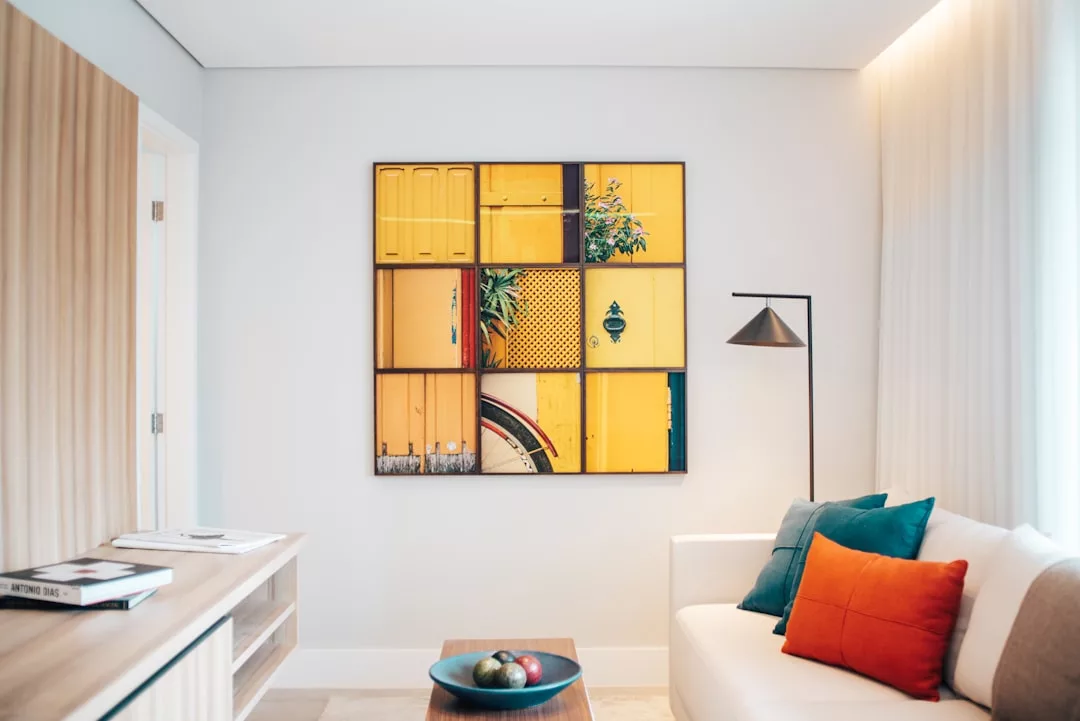
Home décor is an art form that transcends mere aesthetics; it reflects personal identity, lifestyle, and values. The way a space is designed can evoke emotions, create comfort, and even influence productivity. Stylish home décor is not just about following trends; it’s about curating an environment that resonates with the inhabitants.
From the choice of colors to the arrangement of furniture, every element plays a crucial role in defining the overall ambiance of a home. As individuals spend more time in their living spaces, the importance of creating a stylish yet functional environment has become increasingly significant. In recent years, the concept of home décor has evolved, embracing a blend of traditional and contemporary styles.
This evolution has led to a greater appreciation for unique designs that tell a story. Whether it’s through vintage finds, modern art pieces, or handcrafted items, stylish home décor allows individuals to express their creativity and personality. The journey of transforming a house into a home involves thoughtful consideration of various elements, ensuring that each choice contributes to a cohesive and inviting atmosphere.
Key Takeaways
- Stylish home décor is all about creating a space that reflects your personality and makes you feel comfortable and happy.
- Choosing the right color scheme can set the tone for your entire space, so consider the mood you want to create before making a decision.
- Incorporating statement pieces can add personality and visual interest to your home, whether it’s a bold piece of furniture or a unique art installation.
- Creating a cozy atmosphere with textiles such as rugs, throw pillows, and curtains can make your space feel warm and inviting.
- Adding greenery and natural elements can bring life and freshness to your home, while also improving air quality.
Choosing the Right Color Scheme
The color scheme of a home is one of the most fundamental aspects of interior design. It sets the tone for each room and can significantly influence mood and perception. When selecting a color palette, it’s essential to consider the psychological effects of colors.
For instance, warm tones like reds and oranges can create a sense of warmth and energy, making them ideal for social spaces like living rooms or kitchens. In contrast, cooler shades such as blues and greens tend to evoke calmness and tranquility, making them suitable for bedrooms or relaxation areas.
Lighter colors can make spaces feel larger and more open, while darker hues can create an intimate atmosphere. A popular approach is to use a neutral base, such as whites, grays, or beiges, paired with bolder accent colors to add depth and interest. This method allows for flexibility in changing décor elements without the need for a complete overhaul.
For example, a neutral living room can be enlivened with vibrant throw pillows or artwork that introduces splashes of color.
Incorporating Statement Pieces
Statement pieces are bold elements that draw attention and serve as focal points within a room. These can range from oversized furniture items to striking works of art or unique decorative objects. The key to successfully incorporating statement pieces lies in balance; they should enhance the overall design without overwhelming the space.
For instance, a large abstract painting can serve as a stunning backdrop in a minimalist living room, while an intricately designed chandelier can elevate the elegance of a dining area. When selecting statement pieces, it’s important to consider the scale and proportion relative to other furnishings. A massive sculpture may dominate a small room, while a delicate vase could be lost in an expansive space.
Additionally, statement pieces should reflect personal taste and style, whether it’s through bold colors, unique shapes, or innovative materials. For example, a vintage trunk can serve as both a coffee table and a conversation starter, showcasing an appreciation for history and craftsmanship.
Creating a Cozy Atmosphere with Textiles
Textiles play an essential role in establishing comfort and warmth within a home. The strategic use of fabrics can transform a stark environment into a cozy retreat. Layering different textiles, such as rugs, curtains, cushions, and throws, adds depth and texture to spaces.
A plush area rug can anchor a seating arrangement while providing warmth underfoot, while soft throw blankets draped over sofas invite relaxation. In addition to comfort, textiles also offer an opportunity to introduce patterns and colors into a room without overwhelming the design. Mixing various fabrics, like linen, velvet, and cotton, can create visual interest while maintaining harmony through complementary colors or patterns.
For instance, pairing striped cushions with floral prints can add character to a neutral sofa while still feeling cohesive. Furthermore, seasonal changes in textiles can refresh the look of a space; swapping out heavier fabrics for lighter ones in spring can breathe new life into interiors.
Adding Greenery and Natural Elements
Incorporating greenery into home décor not only enhances aesthetic appeal but also promotes well-being by improving air quality and creating a sense of tranquility. Houseplants come in various shapes and sizes, allowing for versatility in design. From towering fiddle leaf figs to delicate succulents, each plant brings its unique character to a space.
Strategically placing plants in different areas, such as on shelves, windowsills, or hanging from ceilings, can create visual layers and draw the eye throughout the room. Natural elements extend beyond plants; materials like wood, stone, and metal can also contribute to an organic feel in home décor. Wooden furniture pieces add warmth and texture, while stone accents can introduce an earthy quality.
For example, a reclaimed wood dining table paired with metal chairs creates an industrial yet inviting atmosphere. Additionally, incorporating natural light through large windows or skylights enhances the connection between indoor spaces and the outdoors, further enriching the overall ambiance.
Maximizing Space with Functional Furniture
In today’s world where living spaces are often limited, functional furniture has become essential for stylish home décor. Multi-purpose pieces not only save space but also enhance usability without compromising on style. For instance, ottomans that double as storage units or coffee tables that convert into dining tables are practical solutions for small apartments or homes.
When selecting functional furniture, it’s crucial to consider both form and function. A sleek sofa bed can provide seating during the day and transform into a comfortable sleeping area at night without sacrificing design aesthetics.
This adaptability ensures that spaces remain stylish while accommodating various activities, from entertaining guests to enjoying quiet evenings at home.
Personalizing Your Space with Art and Accessories
Art and accessories are powerful tools for personalizing home décor and infusing spaces with individuality. Artwork, whether it’s paintings, photographs, or sculptures, can reflect personal interests and experiences while serving as conversation starters. Creating an art gallery wall allows for an eclectic mix of styles and sizes that showcase personal taste while adding visual interest to otherwise blank walls.
Accessories such as decorative vases, bookshelves filled with favorite reads, or curated collections of travel souvenirs further enhance personalization. These elements tell stories about the inhabitants’ lives and interests, making spaces feel lived-in and authentic. For example, displaying family heirlooms alongside contemporary art creates a dynamic contrast that celebrates both history and modernity.
Thoughtfully chosen accessories can elevate even the simplest of spaces into something uniquely expressive.
Using Lighting to Enhance Your Décor
Lighting is often an overlooked aspect of home décor that significantly impacts mood and functionality. The right lighting can highlight architectural features, create ambiance, and even alter perceptions of color within a space. Layering different types of lighting, ambient, task, and accent, ensures that each area serves its intended purpose while contributing to the overall design.
For instance, pendant lights over a kitchen island provide focused illumination for cooking tasks while adding style to the space. In contrast, soft wall sconces in a living room create a warm glow that invites relaxation during evening hours. Additionally, incorporating dimmers allows for adjustable lighting levels based on activities or moods.
Natural light should also be maximized; sheer curtains can filter sunlight while maintaining privacy, creating bright yet inviting interiors.
Incorporating Trends in Home Décor
Staying current with trends in home décor can infuse fresh energy into spaces while reflecting contemporary tastes. However, it’s essential to approach trends thoughtfully; incorporating too many fads can lead to a disjointed look that lacks cohesion. Instead, select trends that resonate personally or complement existing styles within the home.
For example, the rise of sustainable materials has led many homeowners to seek eco-friendly options for furniture and décor items. Incorporating reclaimed wood or upcycled materials not only aligns with current trends but also promotes environmental consciousness. Similarly, biophilic design, which emphasizes connections to nature, can be integrated through natural materials or indoor gardens without overwhelming traditional aesthetics.
Mixing and Matching Different Styles
The art of mixing and matching different styles is an exciting way to create unique interiors that reflect diverse influences and preferences. Eclectic design allows for creativity by combining elements from various eras or cultures, such as pairing mid-century modern furniture with bohemian textiles or industrial lighting fixtures with vintage decor. When blending styles, it’s important to establish common threads that unify the design; this could be through color palettes or materials that tie disparate elements together.
For instance, using similar hues across different styles can create harmony even when juxtaposing contrasting designs. A contemporary sofa might sit alongside antique side tables if they share complementary colors or textures.
Budget-Friendly Tips for Stylish Home Décor
Creating stylish home décor doesn’t have to break the bank; there are numerous budget-friendly strategies that allow individuals to achieve their desired look without overspending. Thrift stores and flea markets are treasure troves for unique finds that can add character to any space at a fraction of retail prices. Vintage furniture pieces often come with stories attached and can serve as conversation starters while enhancing overall design.
DIY projects also offer opportunities for personalization on a budget; painting old furniture or creating custom artwork can transform items into unique focal points within the home. Additionally, shopping sales or utilizing online marketplaces for second-hand goods can yield high-quality items at reduced prices. By being resourceful and creative in sourcing materials and furnishings, anyone can achieve stylish home décor that reflects their personality without compromising financial stability.
More in
More from News
News · 15 min
Future of Luxury Fashion: Innovation, Technology, and the Next Frontier
Discover the future of luxury fashion: how AI, blockchain, digital couture, bio-fabricated materials and sustainability are reshaping maisons and the …

News · 15 min
Celebrity Style Guide: Decoding the Fashion of the Famous
Decode celebrity style: how stylists, red carpet partnerships, and social media shape fashion, plus archetypes and tips to build a celebrity-inspired …
News · 14 min
Luxury Lifestyle Guide: Curating the Art of Living Well
Discover the luxury lifestyle as the art of living well: quiet luxury in travel, wine, home design, wardrobe, watches, and wellness, curated with inte…