News · News
Embarking on a Transformative Vision Quest
A vision quest is a profound rite of passage that has been practiced by various indigenous cultures around the world, particularly among Native American tribes. At its core, a visi…
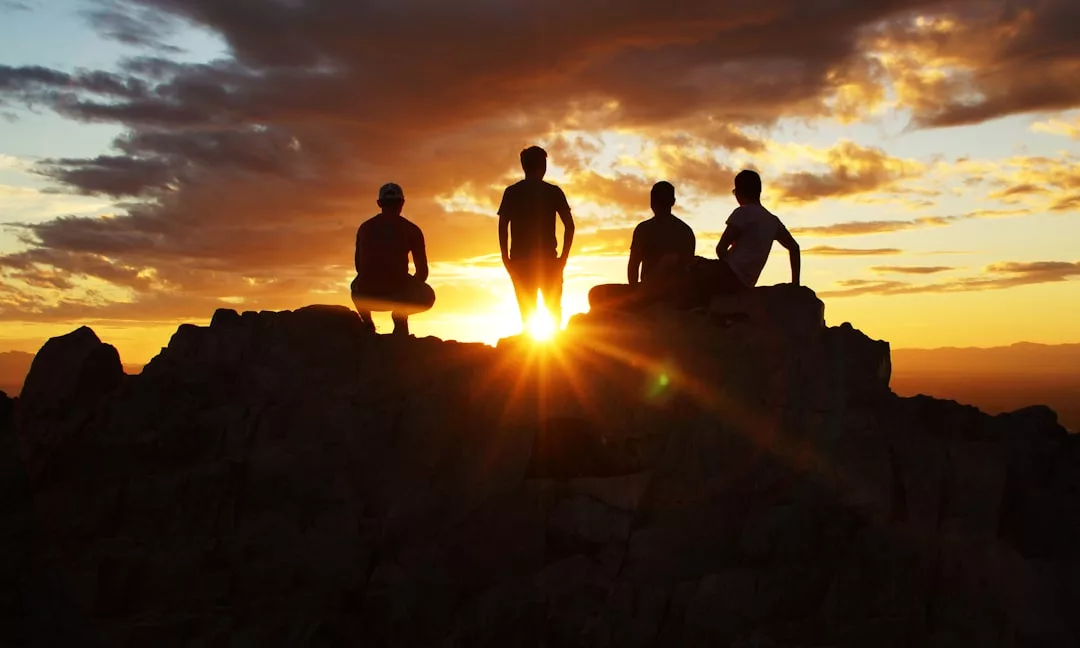
A vision quest is a profound rite of passage that has been practiced by various indigenous cultures around the world, particularly among Native American tribes. At its core, a vision quest serves as a transformative experience, allowing individuals to seek clarity, purpose, and a deeper connection to themselves and the universe. This journey often involves solitude, introspection, and a deep engagement with nature, providing a space for personal growth and spiritual awakening.
The quest is not merely about seeking visions or signs; it is about understanding one’s place in the world and the interconnectedness of all life. The purpose of a vision quest can vary significantly from person to person. For some, it may be a search for direction in life, a way to confront personal challenges, or an opportunity to heal from past traumas.
Others may embark on this journey to connect with ancestral wisdom or to gain insights into their spiritual path. Regardless of the specific motivations, the underlying theme remains the same: a vision quest is an invitation to step away from the distractions of daily life and engage in a deep exploration of one’s inner landscape. This process often leads to revelations that can profoundly alter one’s perspective and approach to life.
Key Takeaways
- Understanding the Purpose of a Vision Quest
- A vision quest is a journey of self-discovery and spiritual growth.
- It is a time for reflection, introspection, and seeking clarity and direction in life.
- Preparing Mentally and Emotionally for the Journey
- Mental and emotional preparation is essential for a successful vision quest.
- It involves letting go of distractions, fears, and expectations, and being open to the unknown.
- Choosing the Right Location for Your Quest
- The location should be secluded, peaceful, and in harmony with nature.
- It should provide a sense of safety and connection to the natural world.
- Gathering the Necessary Supplies and Resources
- Essential supplies include food, water, shelter, and basic survival tools.
- Resources such as journals, meditation aids, and sacred objects can enhance the experience.
- Setting Intentions and Goals for Your Vision Quest
- Clearly defining intentions and goals helps focus the quest and guide the journey.
- Intentions can be related to personal growth, healing, or seeking answers to specific questions.
Preparing Mentally and Emotionally for the Journey
Preparation for a vision quest is as crucial as the quest itself. Mentally and emotionally gearing up for this journey involves self-reflection and an honest assessment of one’s intentions. It is essential to cultivate a mindset that is open to new experiences and willing to confront uncomfortable truths.
This preparation can take various forms, including journaling, meditation, or engaging in discussions with trusted friends or mentors. By articulating one’s goals and fears, individuals can create a clearer picture of what they hope to achieve during their quest. Emotional readiness is equally important.
A vision quest can bring up unresolved feelings and past experiences that may need to be addressed. Engaging in practices such as therapy or counseling prior to embarking on the journey can provide valuable support. Additionally, cultivating emotional resilience through mindfulness practices can help individuals navigate the inevitable challenges that arise during the quest.
By fostering a strong mental and emotional foundation, participants can approach their vision quest with confidence and clarity.
Choosing the Right Location for Your Quest
Selecting an appropriate location for a vision quest is a critical aspect of the experience. The chosen site should resonate with the individual on a personal level, offering a sense of safety and connection to nature. Many people opt for remote wilderness areas, such as mountains, forests, or deserts, where they can immerse themselves in the natural world without distractions.
The environment plays a significant role in shaping the experience; thus, it is essential to choose a place that feels sacred and conducive to introspection. When considering potential locations, it is also important to think about accessibility and safety.
Additionally, some may choose to seek out locations that hold cultural significance or spiritual energy, such as sacred sites or places known for their historical importance. Ultimately, the right location will enhance the vision quest experience by providing an inspiring backdrop for self-discovery.
Gathering the Necessary Supplies and Resources
Preparation for a vision quest extends beyond mental and emotional readiness; it also involves gathering essential supplies and resources. The specific items needed will vary based on individual preferences and the length of the quest. Common supplies include food, water, shelter materials, and tools for creating a safe space in nature.
Many participants also bring items that hold personal significance, such as crystals, photographs, or sacred objects that can serve as touchstones during their journey. In addition to physical supplies, it is beneficial to equip oneself with knowledge about survival skills and first aid. Understanding how to navigate the wilderness safely can alleviate anxiety and allow individuals to focus on their inner journey rather than external concerns.
Some may also choose to bring along books or journals for reflection and note-taking during their time in solitude. By thoughtfully preparing these resources, participants can create an environment that supports their quest for insight and transformation.
Setting Intentions and Goals for Your Vision Quest
Before embarking on a vision quest, it is vital to set clear intentions and goals. This process involves reflecting on what one hopes to achieve during the journey and articulating those desires in a meaningful way. Intentions can range from seeking clarity on life decisions to exploring personal beliefs or healing emotional wounds.
By defining these goals, individuals create a roadmap for their experience, guiding their thoughts and actions throughout the quest. Writing down intentions can be particularly powerful. This act not only solidifies one’s commitment but also serves as a reference point during moments of doubt or uncertainty.
Some may choose to create a vision board or engage in visualization exercises to further clarify their goals. As participants immerse themselves in nature during their quest, these intentions will serve as anchors, helping them stay focused on their purpose even when faced with challenges or distractions.
Connecting with Nature and Embracing Solitude
A vision quest is inherently tied to nature; thus, connecting with the natural world is a fundamental aspect of the experience. Immersing oneself in the sights, sounds, and rhythms of nature fosters a sense of belonging and interconnectedness that can be profoundly healing. Participants often find solace in observing wildlife, listening to the wind rustling through trees, or watching the sun rise and set over the horizon.
These moments of connection can evoke feelings of awe and gratitude, deepening one’s understanding of their place within the larger tapestry of life. Embracing solitude is another critical component of a vision quest. In our fast-paced world filled with constant stimulation, stepping away from social interactions allows individuals to turn inward and reflect on their thoughts and emotions without external influences.
This solitude can be both liberating and daunting; it provides an opportunity for self-discovery but may also bring up feelings of loneliness or fear. By embracing this solitude fully, participants can confront their inner landscapes with honesty and courage, paving the way for transformative insights.
Embracing the Challenges and Obstacles Along the Way
A vision quest is not without its challenges; in fact, it is often through these obstacles that profound growth occurs. Participants may encounter physical discomforts such as hunger, fatigue, or exposure to harsh weather conditions. These experiences test resilience and adaptability while providing opportunities for self-reflection on how one responds to adversity.
Embracing these challenges rather than avoiding them allows individuals to cultivate strength and perseverance. Emotional challenges may also arise during the quest. Confronting unresolved issues or facing fears can be uncomfortable but ultimately rewarding.
It is essential to approach these moments with compassion and curiosity rather than judgment. Engaging in practices such as deep breathing or mindfulness can help individuals navigate difficult emotions as they arise. By recognizing that challenges are an integral part of the journey, participants can shift their perspective from viewing obstacles as setbacks to seeing them as essential catalysts for growth.
Engaging in Rituals and Spiritual Practices
Rituals play a significant role in enhancing the experience of a vision quest by creating sacred space and fostering spiritual connection. These practices can vary widely based on personal beliefs and cultural backgrounds but often include elements such as prayer, meditation, drumming, or chanting. Engaging in rituals helps participants ground themselves in their intentions while inviting spiritual guidance into their journey.
Creating personal rituals can also be empowering. For instance, some may choose to perform a cleansing ceremony using water or smoke from sage or cedar to purify their space before beginning their quest. Others might establish daily practices such as sunrise greetings or gratitude expressions at sunset to honor their connection with nature throughout their time alone.
These rituals not only enhance spiritual engagement but also provide structure and meaning during moments of solitude.
Reflecting on Your Journey and Insights Gained
After completing a vision quest, taking time for reflection is crucial in integrating insights gained during the experience. This reflection process allows individuals to distill their experiences into meaningful lessons that can inform future choices and actions. Journaling is an effective tool for this purpose; writing down thoughts, feelings, and revelations helps solidify insights while providing an opportunity for deeper exploration.
Sharing experiences with trusted friends or mentors can also facilitate reflection. Engaging in discussions about what was learned during the quest can offer new perspectives and reinforce personal growth. Some may find it beneficial to create art or engage in creative expression as a means of processing their journey further.
By actively reflecting on their experiences, participants can ensure that the wisdom gained during their vision quest continues to resonate long after they return to everyday life.
Integrating Your Vision Quest Experience into Everyday Life
The true value of a vision quest lies not only in the insights gained during solitude but also in how those insights are integrated into daily life post-quest. This integration process requires conscious effort; individuals must find ways to embody the lessons learned and apply them practically within their routines and relationships. Setting actionable goals based on newfound clarity can help bridge the gap between the transformative experience of the quest and everyday existence.
Creating rituals or practices that honor the insights gained during the vision quest can also aid integration. For example, individuals might establish regular meditation sessions or nature walks as reminders of their commitment to personal growth. Additionally, sharing insights with others, whether through storytelling or community engagement, can reinforce accountability while inspiring those around them to embark on their journeys of self-discovery.
Seeking Support and Guidance from Mentors or Community
While embarking on a vision quest is often seen as an individual journey, seeking support from mentors or community members can enhance the experience significantly. Mentors who have undergone similar quests can provide valuable guidance, sharing insights from their own journeys while offering encouragement throughout the process. Their wisdom can help navigate challenges that arise during preparation or reflection phases.
Community support also plays an essential role in fostering connection and accountability post-quest. Engaging with like-minded individuals who share similar values creates opportunities for ongoing dialogue about personal growth experiences while providing encouragement for continued exploration beyond the initial journey. Whether through workshops, support groups, or informal gatherings among friends, building connections within a community reinforces commitment to personal development while celebrating each individual’s unique path toward self-discovery.
More in
More from News

News · 15 min
Future of Luxury Fashion: Innovation, Technology, and the Next Frontier
Discover the future of luxury fashion: how AI, blockchain, digital couture, bio-fabricated materials and sustainability are reshaping maisons and the …

News · 15 min
Celebrity Style Guide: Decoding the Fashion of the Famous
Decode celebrity style: how stylists, red carpet partnerships, and social media shape fashion, plus archetypes and tips to build a celebrity-inspired …

News · 14 min
Luxury Lifestyle Guide: Curating the Art of Living Well
Discover the luxury lifestyle as the art of living well: quiet luxury in travel, wine, home design, wardrobe, watches, and wellness, curated with inte…