Fashion · Fashion
Embracing Normcore: Finding Style in Simplicity
Normcore is a fashion movement that emerged in the early 2010s, characterized by its embrace of ordinary, unremarkable clothing. The term itself is a portmanteau of “normal…
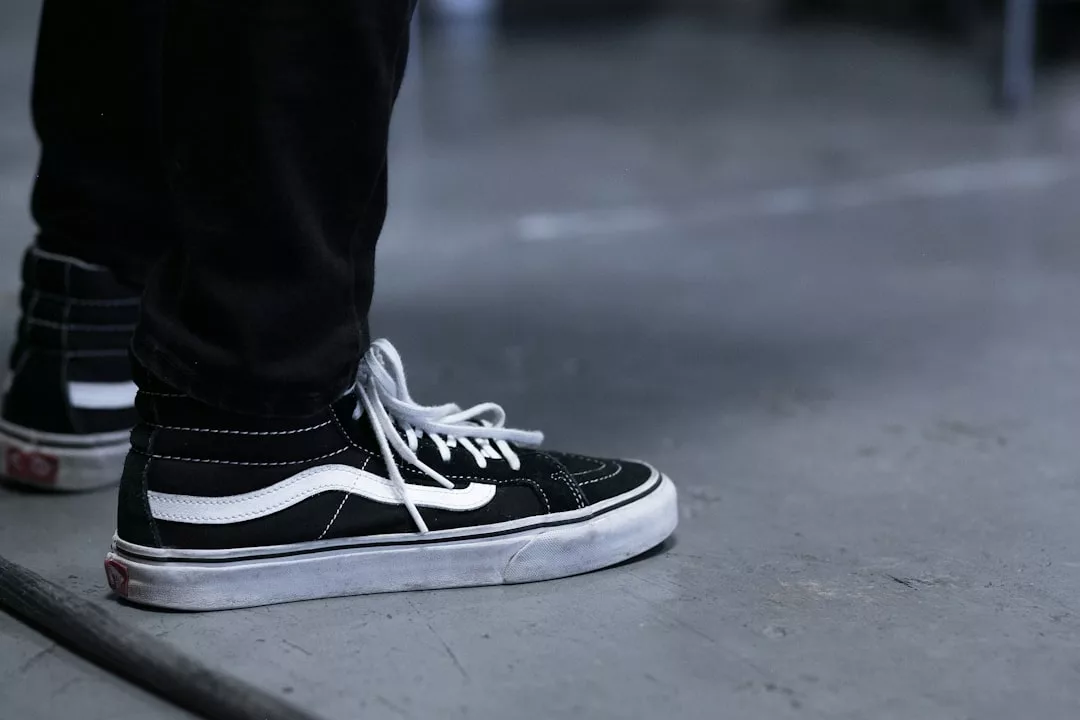
Normcore is a fashion movement that emerged in the early 2010s, characterized by its embrace of ordinary, unremarkable clothing. The term itself is a portmanteau of “normal” and “hardcore,” suggesting a commitment to the mundane and the everyday.
This aesthetic celebrates the idea that one can find comfort and identity in simplicity, often opting for items that are practical and functional over those that are trendy or ostentatious. At its core, normcore is a cultural response to the overwhelming nature of contemporary fashion, where trends change rapidly and individuality can feel forced. It encourages individuals to embrace their own sense of style without the need for validation from the fashion elite.
Normcore outfits typically include items like plain t-shirts, dad jeans, sneakers, and unbranded accessories. This movement has gained traction among various demographics, particularly millennials and Gen Z, who appreciate its authenticity and relatability in a world saturated with curated images and influencer culture.
Key Takeaways
- Normcore is a fashion trend characterized by simplicity, minimalism, and a rejection of fashion trends.
- The history of normcore fashion can be traced back to the 1990s and early 2000s, with influences from anti-fashion and streetwear.
- Embracing minimalism in fashion is a key aspect of normcore, focusing on simplicity, comfort, and functionality.
- To incorporate normcore into your wardrobe, opt for basic, timeless pieces and prioritize comfort and practicality.
- Normcore encourages finding confidence in simple style, embracing individuality, and breaking down gender norms within fashion.
The History of Normcore Fashion
The roots of normcore can be traced back to the early 2000s, when a growing disillusionment with the fashion industry began to take shape. As fast fashion brands proliferated, consumers became increasingly aware of the environmental and ethical implications of their clothing choices. This awareness paved the way for a backlash against the hyper-consumerism that defined the previous decade.
In 2013, the term “normcore” was popularized by a New York Magazine article written by Fiona Duncan, which described a style that was intentionally anti-fashion. The article highlighted how this aesthetic was not just about clothing but also about a broader cultural attitude towards identity and self-expression. The rise of normcore coincided with the advent of social media platforms like Instagram, where users often felt pressured to present an idealized version of themselves.
In contrast, normcore offered a refreshing alternative: a way to dress that was both comfortable and relatable. Influential figures in the art and design world, such as the collective K-Hole, played a significant role in shaping the concept by promoting the idea that embracing the ordinary could be a form of rebellion against the superficiality of high fashion. As celebrities began to adopt normcore elements into their wardrobes, the movement gained momentum, leading to its recognition as a legitimate fashion trend.
Embracing Minimalism in Fashion
Minimalism in fashion is closely aligned with the principles of normcore, emphasizing simplicity and functionality over extravagance. This approach encourages individuals to curate their wardrobes with versatile pieces that can be mixed and matched effortlessly. The minimalist aesthetic often features neutral color palettes, clean lines, and an absence of excessive embellishments.
By focusing on quality over quantity, minimalism promotes a more sustainable approach to fashion consumption, encouraging people to invest in timeless pieces that withstand fleeting trends. Incorporating minimalism into one’s wardrobe can be liberating. It allows individuals to express themselves without the burden of constantly keeping up with ever-changing styles.
For instance, a well-fitted white button-up shirt can serve as a staple piece that transitions seamlessly from casual outings to professional settings. Similarly, classic denim jeans or tailored trousers can be paired with various tops to create different looks while maintaining an air of understated elegance. This versatility is at the heart of both minimalism and normcore, as it champions practicality without sacrificing personal style.
How to Incorporate Normcore into Your Wardrobe
Incorporating normcore into your wardrobe requires a shift in mindset towards valuing comfort and simplicity over trendiness. Start by assessing your current clothing collection and identifying pieces that align with normcore principles, think basic tees, oversized sweaters, and relaxed-fit trousers. These items can serve as the foundation for your normcore-inspired outfits.
Layering is also key; consider pairing a simple turtleneck under an oversized jacket or wearing a plain hoodie with straight-leg jeans for an effortlessly cool look. Footwear plays a crucial role in achieving a normcore aesthetic. Sneakers are often the go-to choice, as they provide both comfort and style.
Opt for classic styles like white canvas sneakers or retro trainers that evoke a sense of nostalgia without being overly flashy. Accessories should be kept minimal as well; consider opting for unbranded caps or simple backpacks that complement your outfit without drawing too much attention. The goal is to create looks that feel authentic to you while embracing the essence of normcore, an appreciation for the ordinary.
Finding Confidence in Simple Style
One of the most empowering aspects of adopting a normcore style is the confidence that comes from embracing simplicity. In a world where fashion often equates to status and exclusivity, choosing to wear unpretentious clothing can be an act of self-acceptance. When individuals prioritize comfort and personal expression over societal expectations, they often find themselves feeling more at ease in their own skin.
This newfound confidence can translate into various aspects of life, from personal relationships to professional endeavors. Moreover, normcore encourages individuals to redefine their understanding of beauty and style. By stepping away from the pressure to conform to high-fashion standards, people can cultivate their unique identities based on what resonates with them personally.
This shift fosters an environment where authenticity thrives, allowing individuals to celebrate their quirks and idiosyncrasies rather than hide them behind layers of designer labels or trendy pieces. Ultimately, finding confidence in simple style is about embracing who you are without apology.
Normcore: A Rejection of Fashion Trends
Normcore stands as a deliberate rejection of fleeting fashion trends that dominate the industry. In an era where social media influencers dictate what is “in” or “out,” normcore advocates for a more timeless approach to dressing. This movement challenges the notion that one must constantly update their wardrobe to remain relevant or stylish.
Instead, it promotes the idea that true style lies in personal expression rather than adherence to external standards. By embracing normcore, individuals can distance themselves from the cycle of consumerism that often accompanies trend-driven fashion. This rejection is not merely about aesthetics; it reflects a broader cultural shift towards valuing authenticity over superficiality.
As more people gravitate towards this mindset, it becomes clear that fashion can be about comfort and self-acceptance rather than competition or status. Normcore invites individuals to find joy in their clothing choices without feeling pressured to conform to ever-changing trends.
The Intersection of Comfort and Style in Normcore
One of the defining features of normcore is its seamless blend of comfort and style. In contrast to high-fashion looks that often prioritize aesthetics over wearability, normcore champions clothing that feels good while still looking put-together. This intersection is particularly appealing in today’s fast-paced world, where individuals seek practicality without sacrificing their sense of style.
For example, oversized sweaters paired with relaxed-fit jeans create an effortlessly chic look that prioritizes comfort without compromising on visual appeal. Similarly, athleisure, a trend that has gained popularity in recent years, embodies this fusion by allowing individuals to wear sporty attire in casual settings while still looking fashionable. Normcore embraces these elements by encouraging people to choose clothing that fits well and feels good against their skin, ultimately redefining what it means to be stylish in contemporary society.
Normcore: A Sustainable Approach to Fashion
Sustainability has become an increasingly important topic within the fashion industry, and normcore aligns itself with this ethos by promoting mindful consumption habits. By focusing on timeless pieces rather than fleeting trends, individuals can reduce their environmental impact while still expressing their personal style. Normcore encourages consumers to invest in high-quality garments that last longer and withstand the test of time.
Additionally, this movement advocates for second-hand shopping and thrifting as viable alternatives to fast fashion consumption. By embracing pre-owned clothing, individuals not only save money but also contribute to reducing waste within the industry. Thrift stores often carry unique items that embody the spirit of normcore, pieces that tell stories and reflect individuality rather than mass-produced trends.
In this way, normcore serves as both a fashion statement and a call for greater sustainability within our wardrobes.
Breaking Down Gender Norms with Normcore Fashion
Normcore also plays a significant role in challenging traditional gender norms within fashion. The movement’s emphasis on simplicity allows individuals to transcend conventional boundaries associated with masculinity and femininity in clothing choices. By prioritizing comfort over gendered expectations, normcore encourages people to wear what feels right for them rather than adhering strictly to societal norms.
For instance, oversized silhouettes and unisex styles have become increasingly popular within normcore fashion, allowing individuals of all genders to express themselves freely without fear of judgment or ridicule. This blurring of lines fosters inclusivity within the fashion landscape, creating space for diverse identities and expressions. As more people embrace this fluidity in their wardrobes, it becomes evident that normcore is not just about clothing; it represents a broader cultural shift towards acceptance and understanding.
Embracing Individuality within Normcore Style
While normcore emphasizes simplicity and ordinariness, it does not negate individuality; rather, it provides a framework for personal expression within those parameters. Each person’s interpretation of normcore can vary significantly based on their tastes and preferences, allowing for unique combinations that reflect individual identities. This aspect is crucial in fostering creativity within seemingly mundane clothing choices.
For example, someone might choose to pair classic white sneakers with brightly colored socks or layer an oversized jacket over a vintage band tee, small details that infuse personality into an otherwise straightforward outfit. Accessories also play a vital role; whether it’s a quirky hat or statement glasses, these elements can elevate a normcore look while still adhering to its core principles.
The Future of Normcore: Where is the Trend Headed?
As we look towards the future of normcore fashion, it is clear that this movement will continue evolving alongside societal changes and cultural shifts. With increasing awareness around sustainability and ethical consumption practices, normcore’s emphasis on timelessness aligns well with these values. As consumers become more discerning about their clothing choices, they may gravitate towards styles that prioritize quality over quantity, an ethos central to normcore.
Moreover, as conversations around gender fluidity gain traction within society at large, normcore’s rejection of traditional gender norms will likely resonate even more deeply with future generations seeking authentic self-expression through their clothing choices. The movement’s ability to adapt while remaining rooted in its core principles suggests that normcore will remain relevant as we navigate an ever-changing fashion landscape. In conclusion, normcore represents more than just a fashion trend; it embodies a cultural shift towards authenticity, sustainability, and individuality within our wardrobes.
As we embrace this movement’s principles, valuing comfort over conformity, we pave the way for a more inclusive understanding of style that celebrates our unique identities while challenging societal norms along the way.
More in
More from Fashion
Fashion · 2 min
Silk and Sartorial Smarts: Embracing the Singular Garment Principle
In an age of overwhelming choice, the ultimate luxury isn’t having more, it’s having the right thing. The modern wardrobe is undergoing a quiet r…
Fashion · 9 min
Dressing to Impress: The Art of Formal Wear
First impressions are often described as lasting impressions, and this adage holds significant weight in both personal and professional contexts. When…
Fashion · 9 min
Timeless Style: The Trench Coat
The trench coat has a rich and storied history that dates back to the late 19th century. Originally designed for military use, the trench coat was cre…