News · News
Embracing Sustainable Fashion: A Stylish and Eco-Friendly Choice
In recent years, the fashion industry has witnessed a significant shift towards sustainability, driven by growing consumer awareness and environmental concerns. The rise of sustain…
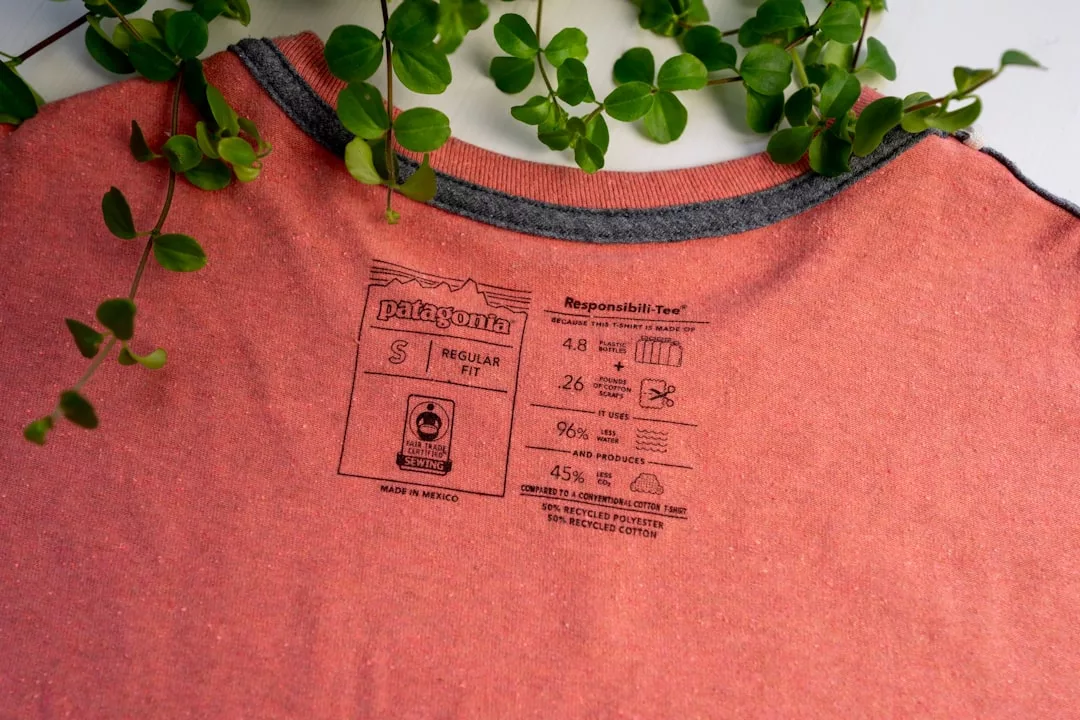
In recent years, the fashion industry has witnessed a significant shift towards sustainability, driven by growing consumer awareness and environmental concerns. This movement has gained momentum as consumers increasingly recognize the detrimental effects of fast fashion on the environment and society.
Brands that prioritize sustainability are now at the forefront, offering eco-friendly alternatives that appeal to a conscientious audience. The concept of sustainable fashion encompasses a wide range of practices, from using organic materials to implementing ethical labor practices. It challenges the traditional model of fashion, which often prioritizes profit over people and the planet.
As a result, many designers and brands are rethinking their production processes, focusing on reducing waste, utilizing renewable resources, and ensuring fair treatment of workers.
Key Takeaways
- Sustainable fashion is on the rise, with more consumers and brands embracing eco-friendly practices.
- Fast fashion has a significant environmental impact, including water pollution and textile waste.
- Embracing sustainable fashion involves making conscious choices and supporting ethical and fair trade practices.
- Choosing eco-friendly clothing offers benefits such as reducing carbon footprint and supporting sustainable materials.
- Shopping sustainably on a budget can be achieved through embracing vintage and second-hand fashion, and supporting sustainable fashion brands and designers.
Understanding the Environmental Impact of Fast Fashion
Fast fashion has revolutionized the clothing industry by making trendy apparel accessible at low prices. However, this convenience comes at a significant environmental cost. The production of fast fashion items often involves the use of toxic chemicals, excessive water consumption, and high carbon emissions.
For instance, it is estimated that the fashion industry accounts for about 10% of global carbon emissions, a figure that is expected to rise as demand for cheap clothing continues to grow. Moreover, the lifecycle of fast fashion garments is alarmingly short. Many items are worn only a few times before being discarded, contributing to an overwhelming amount of textile waste.
According to the Environmental Protection Agency (EPA), in 2018 alone, approximately 17 million tons of textile waste ended up in landfills in the United States. This waste not only occupies valuable land but also releases harmful greenhouse gases as it decomposes. The environmental impact of fast fashion extends beyond waste; it also includes water pollution from dyeing processes and microplastic pollution from synthetic fibers that shed during washing.
Making the Switch: How to Embrace Sustainable Fashion
Transitioning to sustainable fashion requires a conscious effort and a willingness to change shopping habits. One of the first steps individuals can take is to educate themselves about the brands they support and the materials they choose. Researching companies that prioritize sustainability can help consumers make informed decisions.
Many brands now provide transparency regarding their supply chains, allowing shoppers to understand the environmental and social implications of their purchases. Another effective way to embrace sustainable fashion is by adopting a minimalist wardrobe approach. This involves curating a collection of versatile pieces that can be mixed and matched rather than constantly buying new items.
By focusing on quality over quantity, consumers can invest in timeless pieces that will last longer and reduce the need for frequent replacements. Additionally, embracing slow fashion principles encourages individuals to appreciate the craftsmanship behind clothing, fostering a deeper connection with their garments.
The Benefits of Choosing Eco-Friendly Clothing
Choosing eco-friendly clothing offers numerous benefits that extend beyond personal style. One of the most significant advantages is the positive impact on the environment. Eco-friendly garments are typically made from organic or recycled materials, which require fewer resources and generate less pollution during production.
For example, organic cotton uses 91% less water than conventional cotton and avoids harmful pesticides that can contaminate soil and waterways. Furthermore, eco-friendly clothing often promotes ethical labor practices. Many sustainable brands prioritize fair wages and safe working conditions for their employees, ensuring that workers are treated with respect and dignity.
By supporting these brands, consumers contribute to a more equitable fashion industry that values human rights alongside environmental stewardship. Additionally, wearing eco-friendly clothing can enhance personal well-being; many individuals report feeling more connected to their clothing when they know it aligns with their values.
Ethical and Fair Trade Practices in the Fashion Industry
Ethical and fair trade practices are integral components of sustainable fashion. These practices ensure that workers involved in the production process receive fair compensation and work in safe conditions. Fair trade certification often requires brands to adhere to strict guidelines regarding labor rights, environmental sustainability, and community development.
By choosing fair trade products, consumers can support brands that prioritize social responsibility. The importance of ethical practices extends beyond just fair wages; it also encompasses issues such as gender equality and workers’ rights. Many sustainable fashion brands actively work to empower marginalized communities by providing training and resources that enable individuals to improve their livelihoods.
For instance, organizations like Fashion Revolution advocate for transparency in the supply chain, encouraging consumers to ask brands about their sourcing practices and labor conditions.
How to Shop Sustainably on a Budget
Shopping sustainably does not have to break the bank; there are numerous strategies for acquiring eco-friendly clothing on a budget. One effective approach is to explore thrift stores and consignment shops, where second-hand items can be found at significantly reduced prices. Thrifting not only promotes sustainability by extending the life cycle of garments but also allows shoppers to discover unique pieces that reflect their personal style.
Another budget-friendly option is to participate in clothing swaps with friends or community groups. These events encourage individuals to exchange gently used clothing, providing an opportunity to refresh wardrobes without spending money. Additionally, many sustainable brands offer sales or discounts on previous collections, making it easier for budget-conscious consumers to invest in eco-friendly pieces without overspending.
Embracing Vintage and Second-Hand Fashion
Vintage and second-hand fashion has gained popularity as a sustainable alternative to fast fashion. By choosing pre-loved garments, consumers can reduce their environmental footprint while also embracing unique styles that may not be available in contemporary collections. Vintage clothing often boasts superior craftsmanship and quality compared to mass-produced items, making it a worthwhile investment for those seeking longevity in their wardrobe.
Moreover, vintage shopping allows individuals to express their individuality through one-of-a-kind pieces that tell a story. Each garment carries its own history, adding character and charm to an outfit. Many vintage shops curate collections that reflect specific eras or styles, enabling shoppers to explore fashion trends from decades past while contributing to a more sustainable future.
Supporting Sustainable Fashion Brands and Designers
Supporting sustainable fashion brands and designers is crucial for fostering a more responsible industry. Many emerging designers are committed to ethical practices and environmentally friendly materials but struggle to gain visibility in a market dominated by fast fashion giants. By consciously choosing to purchase from these brands, consumers can help elevate their profiles and encourage more designers to adopt sustainable practices.
Additionally, many established brands are beginning to incorporate sustainability into their business models in response to consumer demand. This shift creates an opportunity for shoppers to influence larger companies by supporting those that prioritize eco-friendly initiatives. Engaging with these brands on social media or participating in campaigns can amplify their message and promote broader change within the industry.
The Importance of Eco-Friendly Fabrics and Materials
The choice of fabrics and materials plays a pivotal role in determining the sustainability of clothing. Eco-friendly fabrics such as organic cotton, Tencel (made from sustainably sourced wood pulp), hemp, and recycled polyester have gained traction as alternatives to conventional materials that often rely on harmful chemicals and excessive water usage. For instance, Tencel is known for its biodegradable properties and low environmental impact during production.
Moreover, innovations in fabric technology are paving the way for even more sustainable options. Brands are increasingly exploring alternatives like Piñatex (made from pineapple leaf fibers) and Econyl (a regenerated nylon made from ocean waste). These materials not only reduce reliance on virgin resources but also contribute to waste reduction efforts by repurposing discarded materials into new textiles.
Tips for Extending the Lifespan of Your Clothing
Extending the lifespan of clothing is essential for promoting sustainability within personal wardrobes. One effective strategy is proper care; following washing instructions carefully can prevent premature wear and tear. For example, washing clothes in cold water instead of hot can reduce energy consumption while also preserving fabric integrity.
Additionally, repairing damaged garments rather than discarding them can significantly extend their life cycle. Simple sewing skills can go a long way in mending small tears or replacing buttons, allowing individuals to maintain their favorite pieces for years to come. Furthermore, storing clothes properly, such as using padded hangers for delicate items, can prevent unnecessary damage caused by improper handling.
The Future of Sustainable Fashion: Innovations and Trends
The future of sustainable fashion is bright, characterized by ongoing innovations and emerging trends that prioritize environmental responsibility. As technology advances, new methods for producing eco-friendly textiles are being developed at an unprecedented pace. For instance, 3D printing technology allows designers to create garments with minimal waste by producing only what is necessary.
Additionally, circular fashion is gaining traction as a model that emphasizes recycling and reusing materials throughout the lifecycle of clothing. Brands are increasingly adopting take-back programs that encourage consumers to return old garments for recycling or repurposing into new products. This approach not only reduces waste but also fosters a culture of sustainability within consumer behavior.
As awareness continues to grow regarding the impact of fashion on the environment, it is likely that sustainable practices will become more mainstream across all levels of the industry, from high-end designers to fast fashion retailers seeking to improve their image. The collective efforts of consumers, brands, and policymakers will play a crucial role in shaping a more sustainable future for fashion.
More in
More from News

News · 15 min
Future of Luxury Fashion: Innovation, Technology, and the Next Frontier
Discover the future of luxury fashion: how AI, blockchain, digital couture, bio-fabricated materials and sustainability are reshaping maisons and the …

News · 15 min
Celebrity Style Guide: Decoding the Fashion of the Famous
Decode celebrity style: how stylists, red carpet partnerships, and social media shape fashion, plus archetypes and tips to build a celebrity-inspired …

News · 14 min
Luxury Lifestyle Guide: Curating the Art of Living Well
Discover the luxury lifestyle as the art of living well: quiet luxury in travel, wine, home design, wardrobe, watches, and wellness, curated with inte…