Jewelry · Jewelry
Enhance Your Jewelry Collection with Pavé Setting
Pavé setting is a popular technique in jewelry design characterized by the use of small gemstones, typically diamonds, that are set closely together to create a continuous surface …
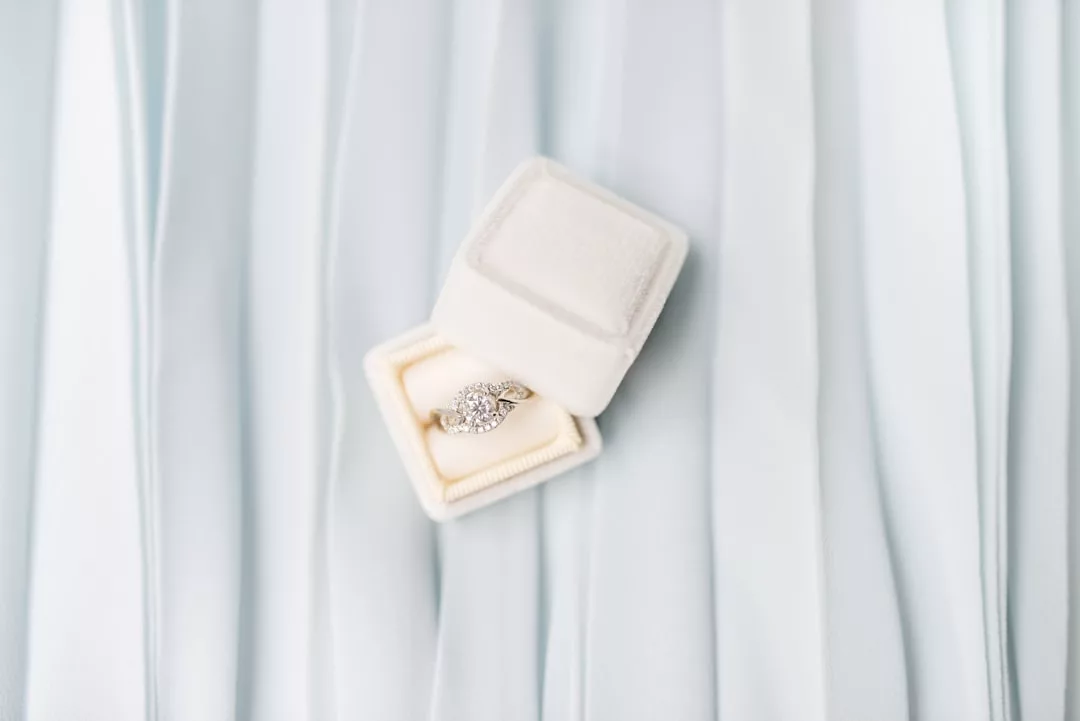
Pavé setting is a popular technique in jewelry design characterized by the use of small gemstones, typically diamonds, that are set closely together to create a continuous surface of brilliance. The term “pavé” is derived from the French word meaning “paved,” which aptly describes how the stones appear to be laid out like cobblestones on a street. In this setting, tiny beads or prongs hold the stones in place, allowing for minimal visibility of the metal beneath.
This technique enhances the overall sparkle and visual impact of the piece, making it a favored choice for engagement rings, wedding bands, and other fine jewelry. The allure of pavé setting lies not only in its aesthetic appeal but also in its ability to maximize the appearance of size and brilliance of the stones used. By clustering smaller stones together, jewelers can create a dazzling effect that rivals larger single stones.
This method allows for intricate designs and patterns, enabling artisans to craft unique pieces that can be both modern and timeless. The pavé setting can be used in various styles, from classic to contemporary, making it a versatile choice for many different types of jewelry.
Key Takeaways
- Pavé setting is a technique where small diamonds or gemstones are set closely together, covering the surface of the jewelry piece.
- The history of pavé setting dates back to the 1700s in Europe, where it was used to create intricate and dazzling jewelry designs.
- The benefits of pavé setting include creating a sparkling and luxurious look, as well as adding extra brilliance and glamour to the jewelry piece.
- Types of jewelry that can feature pavé setting include rings, earrings, bracelets, and pendants, adding a touch of elegance to any piece.
- To care for pavé-set jewelry, it is important to clean it regularly and avoid exposing it to harsh chemicals or rough surfaces to prevent damage to the delicate setting.
The History of Pavé Setting
The origins of pavé setting can be traced back to the 18th century in Europe, where it began to gain popularity among jewelers and aristocrats. The technique was initially used in France, where skilled artisans developed methods to set small diamonds closely together, creating a shimmering effect that captivated the elite. As the demand for intricate and luxurious jewelry grew, so did the refinement of the pavé technique.
By the 19th century, pavé settings were commonly seen in various types of jewelry, including brooches and necklaces, often adorned with colored gemstones alongside diamonds. Throughout the years, pavé setting has evolved significantly. In the Art Deco period of the 1920s and 1930s, for instance, geometric designs became prominent, and pavé settings were used to create bold patterns that emphasized symmetry and elegance.
The technique continued to flourish through the mid-20th century as advancements in technology allowed for more precise stone setting. Today, pavé setting remains a staple in modern jewelry design, with contemporary jewelers experimenting with new materials and innovative designs while honoring the traditional craftsmanship that has defined this technique for centuries.
Benefits of Pavé Setting
One of the primary benefits of pavé setting is its ability to enhance the visual appeal of jewelry. The close arrangement of small stones creates a seamless surface that reflects light beautifully, resulting in an eye-catching sparkle that draws attention. This effect is particularly desirable in engagement rings and wedding bands, where couples often seek a design that symbolizes their love with brilliance and elegance.
The pavé setting allows for a more intricate design without overwhelming the piece with a single large stone. Another significant advantage of pavé setting is its versatility. This technique can be applied to various types of jewelry, including rings, earrings, bracelets, and necklaces.
Jewelers can use pavé settings to create unique designs that cater to individual tastes and preferences. Additionally, because smaller stones are used, pavé settings can often be more cost-effective than using larger diamonds or gemstones while still achieving a luxurious look. This makes pavé-set jewelry accessible to a broader audience without compromising on style or quality.
Types of Jewelry That Can Feature Pavé Setting
Pavé setting is not limited to just one type of jewelry; it can be found across a wide range of pieces. Engagement rings are perhaps the most popular application of this technique, where small diamonds are set along the band or around a central stone to enhance its brilliance. This creates a stunning visual effect that many couples find appealing when selecting their engagement rings.
Additionally, wedding bands often feature pavé settings to complement engagement rings, creating a cohesive look that symbolizes unity. Beyond rings, pavé setting is also commonly used in earrings and necklaces. Stud earrings can feature a pavé design that maximizes sparkle while remaining understated enough for everyday wear.
In necklaces, pavé settings can be used to create intricate pendants or as part of a chain design, adding an element of sophistication and glamour. Bracelets also benefit from this technique; tennis bracelets often incorporate pavé settings to create a continuous line of brilliance around the wrist. The adaptability of pavé setting allows it to be incorporated into virtually any type of jewelry design.
How to Care for Pavé-Set Jewelry
Caring for pavé-set jewelry requires attention to detail to ensure that the stones remain secure and retain their brilliance over time. Regular cleaning is essential; however, it should be done with care to avoid damaging the delicate settings. A gentle cleaning solution made from warm water and mild soap can be effective.
Using a soft brush or cloth, one can carefully clean around each stone to remove dirt and oils that may accumulate over time. It is crucial to avoid harsh chemicals or abrasive materials that could scratch or loosen the stones. In addition to regular cleaning, it is advisable to have pavé-set jewelry inspected by a professional jeweler periodically.
This inspection can help identify any loose stones or wear on the settings before they become significant issues. Jewelers can tighten any loose stones and ensure that the integrity of the piece is maintained. When not wearing pavé-set jewelry, storing it in a soft pouch or lined box can prevent scratches and damage from other pieces.
Choosing the Right Stones for Pavé Setting
Selecting the right stones for a pavé setting is crucial for achieving the desired aesthetic and ensuring durability. While diamonds are the most common choice due to their brilliance and hardness, other gemstones can also be used effectively in pavé settings. When choosing stones, it is essential to consider factors such as color, clarity, cut, and carat weight.
For instance, smaller diamonds with high clarity and excellent cut will reflect light beautifully when set closely together. In addition to diamonds, colored gemstones like sapphires, rubies, and emeralds can add a unique touch to pavé-set jewelry. These stones can be used alone or combined with diamonds to create striking contrasts and personalized designs.
However, it is important to consider the hardness of these stones; softer gemstones may not withstand daily wear as well as diamonds do. Ultimately, selecting high-quality stones that complement each other will enhance the overall beauty of the piece while ensuring its longevity.
Customizing Your Jewelry with Pavé Setting
One of the most appealing aspects of pavé setting is its potential for customization. Many jewelers offer clients the opportunity to create bespoke pieces that reflect their personal style and preferences. Customization can involve selecting specific gemstones, choosing unique patterns for the pavé arrangement, or incorporating additional design elements such as engravings or mixed metals.
This level of personalization allows individuals to create one-of-a-kind pieces that hold special meaning. Moreover, customization can extend beyond just choosing stones; it can also involve altering existing designs to better suit individual tastes. For example, someone may wish to modify an existing ring by adding a pavé band or enhancing an existing piece with additional pavé accents.
This flexibility makes pavé setting an excellent choice for those looking to create meaningful gifts or heirloom pieces that can be passed down through generations.
The Difference Between Pavé Setting and Other Setting Techniques
Pavé setting differs significantly from other popular setting techniques such as prong setting or bezel setting. In prong setting, larger stones are held in place by metal prongs that lift them above the band or mounting, allowing maximum light exposure for enhanced brilliance. While this method showcases individual stones prominently, it does not provide the seamless surface characteristic of pavé settings.
Bezel setting involves encasing a stone in metal that surrounds its edges, providing excellent protection but often limiting light exposure compared to pavé settings. This technique is ideal for softer stones or for those who lead active lifestyles since it secures the stone firmly in place. In contrast, pavé settings prioritize creating a continuous surface of sparkle by using multiple smaller stones set closely together without significant metal visibility.
Famous Jewelry Pieces with Pavé Setting
Throughout history, numerous iconic jewelry pieces have featured pavé settings, showcasing their enduring appeal in high-end design. One notable example is the Cartier “Love” bracelet, which has become synonymous with luxury and romance since its introduction in 1969. Many versions of this bracelet incorporate pavé diamonds along its surface, enhancing its elegance while maintaining its signature design.
Another famous piece is the Van Cleef & Arpels Alhambra collection, which features intricate designs adorned with pavé-set gemstones that highlight the brand’s commitment to craftsmanship and artistry. These pieces exemplify how pavé settings can elevate jewelry design by adding depth and texture while maintaining an air of sophistication.
Tips for Buying Pavé-Set Jewelry
When purchasing pavé-set jewelry, several factors should be considered to ensure you make an informed decision. First and foremost is understanding the quality of the stones used in the setting; look for high-quality diamonds or gemstones with good clarity and cut ratings. Additionally, inquire about the craftsmanship involved in creating the piece; well-executed pavé settings should have minimal visibility of metal between stones while ensuring they are securely held in place.
It is also wise to consider your lifestyle when selecting pavé-set jewelry. If you lead an active lifestyle or work with your hands frequently, opting for pieces with lower profiles may be beneficial as they are less likely to snag or become damaged. Finally, always purchase from reputable jewelers who provide certification for their gemstones; this ensures you are investing in quality pieces that will stand the test of time.
The Future of Pavé Setting in Jewelry Design
As trends in jewelry design continue to evolve, so too does the application of pavé setting techniques. With advancements in technology such as 3D printing and computer-aided design (CAD), jewelers are now able to experiment with more intricate patterns and innovative designs than ever before. This opens up new possibilities for customization and personalization within pavé settings, allowing consumers to express their individuality through unique pieces.
Moreover, sustainability has become an increasingly important consideration in modern jewelry design. As consumers become more conscious about ethical sourcing and environmental impact, there is potential for pavé settings to incorporate lab-grown diamonds or responsibly sourced gemstones into their designs. This shift could redefine luxury standards while maintaining the exquisite beauty that pavé settings are known for.
As we look ahead, it is clear that pavé setting will continue to play a significant role in shaping contemporary jewelry trends while honoring its rich history.
More in
More from Jewelry
Jewelry · 8 min
Stylish Bar Jewelry: Elevate Your Look
Bar jewelry has emerged as a captivating trend in the world of accessories, captivating fashion enthusiasts and casual wearers alike. Characterized by…
Jewelry · 9 min
Unlocking the Elegance of the Emerald Cut
The emerald cut has a rich and storied history that dates back to the 15th century, originating in the lapidary practices of the Spanish and Portugues…
Jewelry · 9 min
Bangle: A Timeless Fashion Accessory
Bangle jewelry has a rich and diverse history that spans across various cultures and epochs. The origins of bangles can be traced back to ancient civi…