News · News
Exploring Art and History: Museum Visits
Museum visits serve as a vital conduit for cultural enrichment and education, offering individuals a unique opportunity to engage with the past and present in a tangible way. These…
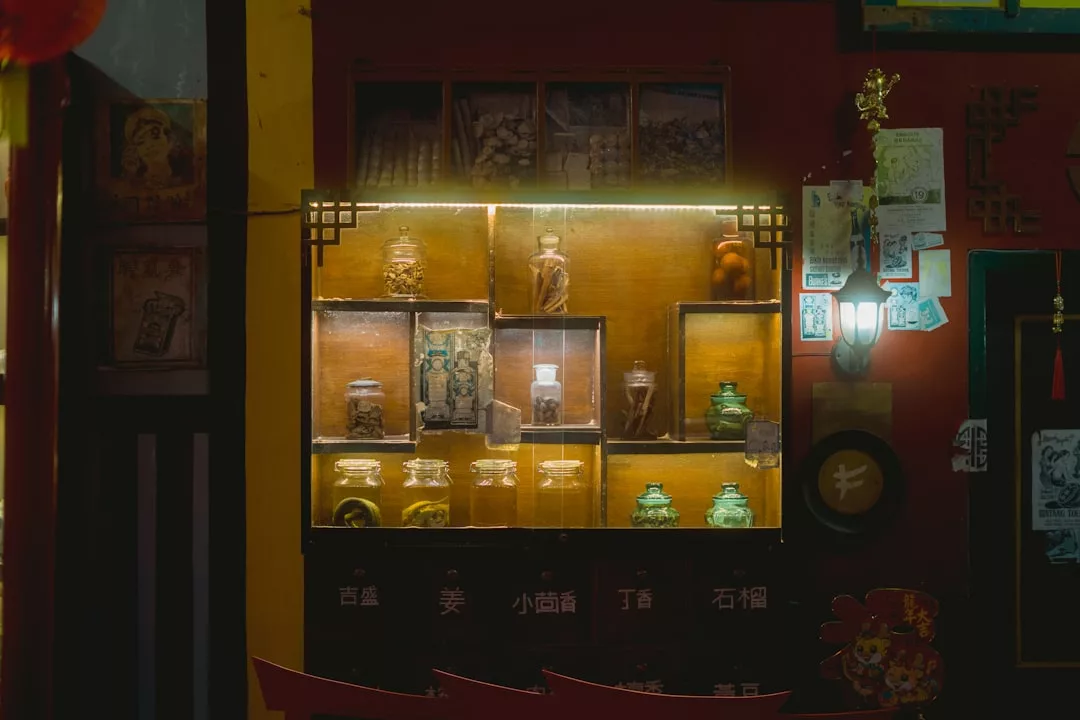
Museum visits serve as a vital conduit for cultural enrichment and education, offering individuals a unique opportunity to engage with the past and present in a tangible way. These institutions are not merely repositories of artifacts; they are dynamic spaces where stories unfold, and knowledge is shared. By stepping into a museum, visitors embark on a journey that transcends time and geography, allowing them to connect with diverse cultures and historical narratives.
The experience of walking through galleries filled with art, artifacts, and exhibits fosters a deeper understanding of humanity’s shared experiences, encouraging empathy and appreciation for different perspectives. Moreover, museums play a crucial role in community engagement and lifelong learning. They often serve as hubs for social interaction, bringing together people from various backgrounds to explore common interests.
Educational programs, workshops, and special events hosted by museums create opportunities for dialogue and collaboration, enriching the community’s cultural fabric. In an age where digital experiences often dominate, the tactile and immersive nature of museum visits offers a refreshing contrast, reminding us of the importance of physical spaces dedicated to learning and exploration.
Key Takeaways
- Museum visits provide valuable opportunities for learning and cultural enrichment.
- Museum exhibits offer a unique way to discover and appreciate art and history.
- Different types of museums cater to various interests, from art and history to science and technology.
- Making the most of a museum visit involves planning ahead and utilizing guided tours and educational programs.
- Supporting museums through membership and donations helps preserve cultural heritage and promote the arts.
Discovering Art and History through Museum Exhibits
Museum exhibits are meticulously curated to tell stories that resonate with visitors on multiple levels. Each exhibit is designed not only to showcase artifacts or artworks but also to provide context that enhances understanding. For instance, an exhibit on ancient Egyptian civilization might include not just mummies and sarcophagi but also interactive displays that explain the significance of the Nile River in shaping their society.
This multi-faceted approach allows visitors to grasp the complexities of history and art in a way that textbooks cannot replicate. Additionally, temporary exhibitions often highlight contemporary issues or celebrate specific artists, providing a platform for dialogue about current events or cultural movements. For example, an exhibit focusing on climate change might feature artists who use their work to comment on environmental degradation, prompting visitors to reflect on their own roles in these pressing global challenges.
Such exhibits not only educate but also inspire action, demonstrating how art can be a powerful vehicle for social change.
Navigating the Different Types of Museums
The landscape of museums is incredibly diverse, encompassing a wide range of types that cater to various interests and educational goals. Art museums focus primarily on visual arts, showcasing everything from classical masterpieces to contemporary installations. These institutions often host rotating exhibitions that allow visitors to experience new works and artists regularly.
In contrast, history museums delve into specific time periods or events, providing insights into the past through artifacts, documents, and multimedia presentations. Science museums offer interactive experiences that engage visitors in the wonders of the natural world and technological advancements. These institutions often feature hands-on exhibits that encourage exploration and experimentation, making science accessible and enjoyable for all ages.
Additionally, specialized museums, such as those dedicated to specific cultures, industries, or historical figures, provide focused insights that enrich our understanding of particular aspects of human experience. Each type of museum serves a distinct purpose, yet they all contribute to a broader appreciation of knowledge and culture.
Tips for Making the Most of Your Museum Visit
To fully appreciate the wealth of knowledge available in museums, visitors can adopt several strategies that enhance their experience. First and foremost, it is beneficial to plan ahead by researching the museum’s layout, current exhibits, and any special events or programs scheduled for the day of the visit. Many museums offer guided tours or audio guides that provide valuable context and insights into the exhibits, making it easier to navigate the space and understand the significance of what is being displayed.
Another effective approach is to engage with museum staff or volunteers who can offer personalized recommendations based on individual interests. They often have in-depth knowledge about specific pieces or exhibits and can provide fascinating anecdotes that enrich the visit. Additionally, taking time to reflect on what has been seen, whether through journaling or discussing with companions, can deepen one’s understanding and appreciation of the experience.
By being intentional about how one engages with the museum environment, visitors can transform a simple outing into a profound educational journey.
Exploring Art and History with Guided Tours
Guided tours are an excellent way to delve deeper into the narratives presented within museum exhibits. These tours are typically led by knowledgeable guides who possess expertise in art history or specific cultural contexts. They provide valuable insights that may not be immediately apparent through self-guided exploration.
For instance, a guided tour of an art museum might include discussions about the techniques used by artists, the historical context in which they worked, and the themes that permeate their collections. Moreover, guided tours often allow for interactive discussions where participants can ask questions and share their interpretations. This dialogue fosters a richer understanding of the material and encourages critical thinking about art and history.
Some museums even offer specialized tours focusing on particular themes or demographics, such as women artists or indigenous cultures, providing an opportunity for visitors to engage with topics that resonate personally or socially.
Engaging with Interactive Exhibits and Installations
In recent years, many museums have embraced interactive exhibits as a means to engage visitors more deeply with their collections. These installations often incorporate technology, such as virtual reality or augmented reality, to create immersive experiences that captivate audiences of all ages. Some individuals may find traditional displays less engaging but thrive in environments where they can touch, manipulate, or participate actively in their learning process. This hands-on approach encourages curiosity and exploration, making complex subjects more accessible and enjoyable.
As museums continue to innovate in this area, they are likely to attract new audiences who seek dynamic experiences that blend education with entertainment.
Learning from Museum Educational Programs and Workshops
Educational programs offered by museums are invaluable resources for individuals seeking to expand their knowledge beyond what is presented in exhibits. These programs often include lectures, workshops, and hands-on activities designed for various age groups and interests. For instance, a museum might host a workshop where participants can learn traditional painting techniques from local artists or engage in discussions about historical events with experts in the field.
Such programs not only enhance understanding but also foster creativity and critical thinking skills. They provide opportunities for participants to connect with others who share similar interests while learning from professionals who are passionate about their subjects. Additionally, many museums collaborate with schools to create tailored educational experiences that align with curriculum standards, ensuring that students receive enriching learning opportunities outside the classroom.
Understanding the Conservation and Preservation of Artifacts
The conservation and preservation of artifacts is a critical aspect of museum operations that ensures cultural heritage is maintained for future generations. Conservators employ scientific methods to assess the condition of objects and implement strategies for their care. This process often involves cleaning, repairing damage, and controlling environmental factors such as light exposure and humidity levels that could harm delicate materials.
Visitors may have the opportunity to learn about these practices through behind-the-scenes tours or special exhibitions focused on conservation efforts. Understanding the meticulous work involved in preserving artifacts enhances appreciation for the items on display and highlights the importance of safeguarding cultural heritage. By showcasing conservation techniques alongside exhibits, museums educate visitors about the fragility of history and the responsibility we all share in protecting it.
Exploring Cultural Diversity through Museum Collections
Museums serve as vital platforms for exploring cultural diversity through their collections. Many institutions actively curate exhibits that highlight underrepresented voices and narratives from various communities around the world. This commitment to inclusivity allows visitors to gain insights into cultures they may not be familiar with while fostering respect for different traditions and histories.
For example, a museum might feature an exhibit dedicated to indigenous cultures that showcases traditional art forms alongside contemporary works by indigenous artists. Such presentations challenge stereotypes and promote understanding by illustrating the richness and complexity of these cultures over time. By prioritizing diverse perspectives within their collections, museums contribute to broader conversations about identity, representation, and social justice.
Exploring the Intersection of Art and History in Museums
The intersection of art and history within museums creates a rich tapestry of narratives that illuminate human experience across time periods and cultures. Artworks often serve as historical documents that reflect societal values, beliefs, and events at specific moments in time. For instance, paintings from the Renaissance period not only showcase artistic innovation but also provide insights into the political and religious upheavals of that era.
Exhibits that explore this intersection encourage visitors to consider how art influences history and vice versa. A museum might present an exhibit featuring propaganda posters from various conflicts throughout history, prompting discussions about how visual culture shapes public perception during times of war. By examining these connections, visitors gain a more nuanced understanding of both art and history as intertwined disciplines that inform one another.
Supporting Museums and the Arts through Membership and Donations
Supporting museums through membership programs and donations is essential for sustaining their operations and expanding their reach within communities. Memberships often come with benefits such as free admission, exclusive previews of new exhibits, discounts on educational programs, and invitations to special events. By becoming members, individuals not only gain access to enriching experiences but also contribute directly to the museum’s mission of education and preservation.
Donations play a crucial role in funding exhibitions, educational initiatives, conservation efforts, and community outreach programs. Many museums rely on philanthropic support to maintain their collections and enhance visitor experiences. By investing in these institutions, whether through membership or financial contributions, individuals help ensure that future generations can continue to explore art and history in meaningful ways.
Supporting museums is not just an act of generosity; it is an investment in cultural heritage that benefits society as a whole.
More in
More from News

News · 15 min
Future of Luxury Fashion: Innovation, Technology, and the Next Frontier
Discover the future of luxury fashion: how AI, blockchain, digital couture, bio-fabricated materials and sustainability are reshaping maisons and the …

News · 15 min
Celebrity Style Guide: Decoding the Fashion of the Famous
Decode celebrity style: how stylists, red carpet partnerships, and social media shape fashion, plus archetypes and tips to build a celebrity-inspired …

News · 14 min
Luxury Lifestyle Guide: Curating the Art of Living Well
Discover the luxury lifestyle as the art of living well: quiet luxury in travel, wine, home design, wardrobe, watches, and wellness, curated with inte…