News · News
Exploring Cultural Experiences: Broadening Perspectives
Cultural experiences play a pivotal role in shaping our understanding of the world and our place within it. Engaging with different cultures allows individuals to step outside thei…
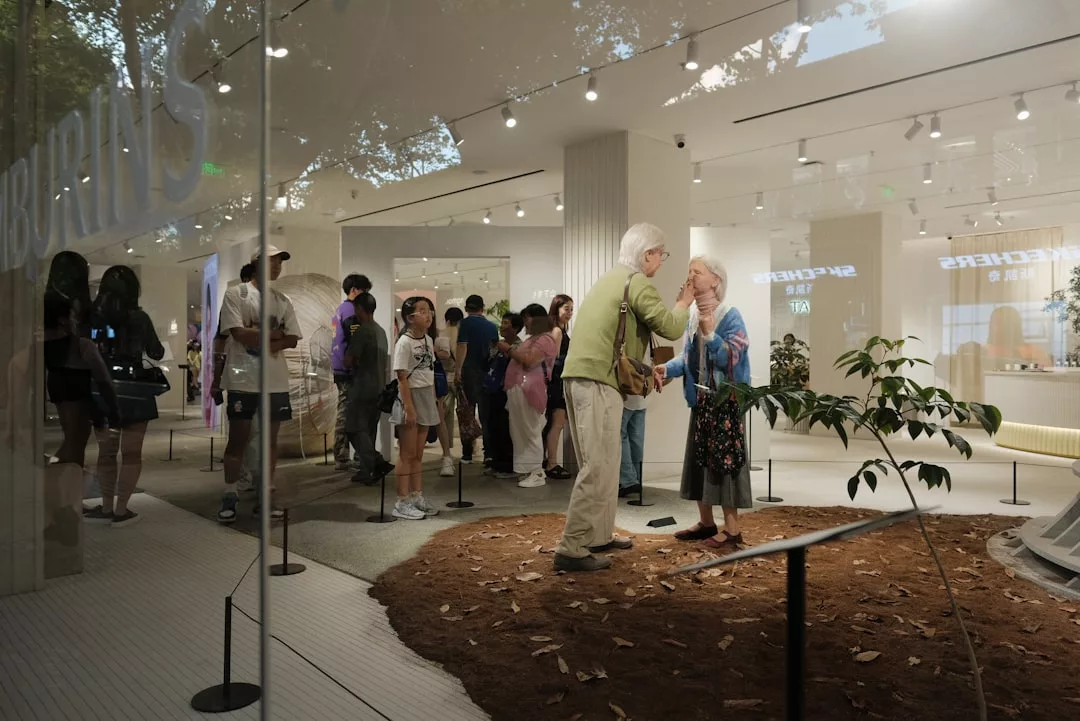
Cultural experiences play a pivotal role in shaping our understanding of the world and our place within it. Engaging with different cultures allows individuals to step outside their comfort zones, fostering a sense of curiosity and openness. These experiences can take many forms, from traveling to foreign countries and participating in local traditions to attending cultural festivals and engaging with diverse communities in one’s own city.
Each interaction serves as a window into the values, beliefs, and practices that define a culture, enriching our lives and broadening our horizons. Moreover, cultural experiences are essential for personal growth. They challenge preconceived notions and encourage critical thinking about one’s own cultural identity.
By immersing ourselves in the customs and lifestyles of others, we gain insights that can lead to greater self-awareness. This journey of exploration not only enhances our appreciation for diversity but also cultivates a sense of belonging in an increasingly interconnected world. The importance of these experiences cannot be overstated; they are fundamental to developing a well-rounded worldview.
Key Takeaways
- Cultural experiences help broaden our understanding of the world and foster empathy and compassion.
- Immersing ourselves in a new culture allows us to gain a deeper understanding of history and society.
- Breaking down stereotypes and biases is essential for embracing diversity and inclusivity.
- Cultural traditions and practices offer valuable lessons that can enhance communication and interpersonal skills.
- Applying cultural experiences to personal and professional growth fosters global awareness and citizenship.
Understanding Different Perspectives
Engaging with diverse cultures provides a unique opportunity to understand different perspectives. Each culture has its own narrative shaped by historical events, social structures, and environmental factors. For instance, the way a community approaches family dynamics, education, or governance can vary significantly from one culture to another.
By observing and participating in these differing practices, individuals can gain a more nuanced understanding of global issues and the complexities that underlie them. This understanding is particularly crucial in today’s globalized society, where interactions across cultures are commonplace. For example, in a multicultural workplace, recognizing the diverse backgrounds of colleagues can lead to more effective collaboration and innovation.
When team members appreciate each other’s perspectives, they are better equipped to tackle challenges creatively and inclusively. This not only enhances productivity but also fosters a workplace culture that values diversity and encourages open dialogue.
Immersing Yourself in a New Culture
Immersion in a new culture is one of the most effective ways to gain firsthand experience and understanding. This can involve living in a different country, participating in local customs, or even learning a new language. For instance, studying abroad offers students the chance to engage deeply with another culture, often leading to transformative experiences that shape their personal and professional lives.
Living with host families or participating in community service projects can provide insights that textbooks alone cannot offer. Additionally, immersion allows individuals to experience the subtleties of cultural practices that may not be immediately apparent. For example, the significance of communal meals in many cultures goes beyond mere sustenance; they often serve as vital social gatherings that reinforce community bonds.
By participating in such activities, individuals can appreciate the deeper meanings behind cultural rituals and practices, fostering a sense of connection and respect for the diversity of human experience.
Breaking Down Stereotypes and Biases
Cultural experiences are instrumental in breaking down stereotypes and biases that often cloud our perceptions of others. Stereotypes are oversimplified ideas about groups of people that can lead to misunderstandings and discrimination. By engaging directly with individuals from different backgrounds, we can challenge these preconceived notions and replace them with informed perspectives.
For example, spending time in a community that is often misrepresented in media can reveal the richness and complexity of its culture, countering harmful stereotypes. Moreover, personal interactions can humanize those who might otherwise be viewed through a narrow lens. When we share stories, laughter, and experiences with people from different cultures, we begin to see them as individuals rather than representatives of a stereotype.
This shift in perspective is crucial for fostering mutual respect and understanding in an increasingly polarized world. By actively seeking out diverse cultural experiences, we contribute to dismantling biases that hinder social cohesion.
Learning from Cultural Traditions and Practices
Cultural traditions and practices offer valuable lessons that can enhance our lives in various ways. Many cultures have rich histories of storytelling, art, music, and dance that convey important moral lessons or historical narratives. For instance, Indigenous cultures often use storytelling as a means of preserving history and imparting wisdom to younger generations.
Engaging with these traditions allows us to learn from the past while appreciating the creativity and resilience of different communities. Furthermore, cultural practices related to health, wellness, and sustainability can provide alternative perspectives on living harmoniously with the environment. For example, traditional ecological knowledge held by Indigenous peoples often emphasizes sustainable practices that have been honed over centuries.
By learning from these practices, individuals can adopt more environmentally friendly habits in their own lives, contributing to global efforts toward sustainability.
Enhancing Communication and Interpersonal Skills
Cultural experiences significantly enhance communication and interpersonal skills by exposing individuals to various modes of expression and interaction styles. Different cultures have unique ways of conveying messages, some may prioritize directness while others value subtlety and non-verbal cues. By navigating these differences, individuals develop greater adaptability in their communication styles, which is essential in both personal relationships and professional settings.
For instance, participating in cross-cultural workshops or language exchange programs can improve one’s ability to listen actively and respond thoughtfully. These experiences teach individuals how to read social cues and understand context, which are critical components of effective communication. As people become more attuned to the nuances of intercultural interactions, they are better equipped to build rapport with others, fostering deeper connections across cultural divides.
Building Empathy and Compassion
Engaging with diverse cultures fosters empathy and compassion by allowing individuals to see the world through others’ eyes. When we learn about the struggles and triumphs of people from different backgrounds, we cultivate a deeper understanding of their experiences. This emotional connection is vital for building bridges between communities and promoting social harmony.
For example, volunteering with refugees or marginalized groups can provide firsthand insight into their challenges, inspiring compassion and a desire to advocate for their rights. Moreover, empathy gained through cultural experiences can lead to more inclusive attitudes in various aspects of life. In educational settings, for instance, students who engage with diverse cultures are often more open-minded and accepting of differences among their peers.
This not only enriches their learning environment but also prepares them for future interactions in an increasingly diverse world.
Fostering Global Awareness and Citizenship
Cultural experiences are essential for fostering global awareness and citizenship in today’s interconnected society. As individuals engage with different cultures, they become more informed about global issues such as climate change, social justice, and economic inequality. This awareness is crucial for developing a sense of responsibility toward the global community.
For instance, participating in international exchange programs or global citizenship initiatives encourages individuals to think critically about their role in addressing these challenges. Furthermore, global awareness nurtures a sense of solidarity among people from different backgrounds. When individuals recognize their shared humanity despite cultural differences, they are more likely to collaborate on solutions to pressing global issues.
This collective action is vital for creating a more just and equitable world where everyone’s rights are respected.
Gaining a Deeper Understanding of History and Society
Cultural experiences provide invaluable insights into the history and societal structures that shape our world today. Understanding the historical context behind cultural practices allows individuals to appreciate the complexities of contemporary issues. For example, exploring the history of colonialism can shed light on current social dynamics within formerly colonized nations.
Engaging with local historians or participating in cultural heritage projects can deepen this understanding further. By examining how traditions adapt or change in response to modern influences, individuals can gain insights into broader societal trends.
This historical perspective is essential for anyone seeking to understand the intricacies of human behavior and social organization.
Embracing Diversity and Inclusivity
Embracing diversity through cultural experiences enriches our lives by exposing us to a multitude of perspectives and ways of life. Celebrating diversity means recognizing the value that different cultures bring to society, whether through art, cuisine, language, or philosophy. Engaging with diverse communities fosters an appreciation for this richness while promoting inclusivity as a core value.
In practical terms, embracing diversity can manifest in various ways, from supporting local businesses owned by immigrants to participating in multicultural events that celebrate different heritages. These actions not only enhance community cohesion but also contribute to a more vibrant social fabric where everyone feels valued and included.
Applying Cultural Experiences to Personal and Professional Growth
The lessons learned from cultural experiences extend far beyond personal enrichment; they also have significant implications for professional growth. In an increasingly globalized job market, employers value candidates who possess intercultural competence, the ability to navigate diverse environments effectively. Individuals who have engaged with different cultures often demonstrate adaptability, creativity, and problem-solving skills that are highly sought after in today’s workforce. For instance, collaborating with international teams can lead to fresh perspectives on product development or marketing strategies that resonate with diverse audiences. By applying insights gained from cultural interactions, individuals can enhance their professional capabilities while contributing positively to their organizations’ goals.
In conclusion, cultural experiences are not merely enriching; they are essential for personal development and societal progress. By engaging with diverse cultures, we cultivate understanding, empathy, and global awareness, qualities that are vital for navigating the complexities of our interconnected world.
◦ Good to know
Why are cultural experiences important?
Cultural experiences shape our understanding of the world and our place in it, encouraging curiosity and openness as we step outside our comfort zones. They challenge preconceived notions and prompt critical thinking about our own identity. By immersing ourselves in others' customs and lifestyles, we gain self-awareness, appreciate diversity, and develop a well-rounded worldview.
How do cultural experiences help break down stereotypes?
Stereotypes are oversimplified ideas about groups that can lead to misunderstanding and discrimination. Engaging directly with people from different backgrounds challenges these notions and replaces them with informed perspectives. Sharing stories, laughter and experiences humanises others, so we see individuals rather than representatives of a stereotype, fostering mutual respect in an increasingly polarised world.
How can cultural experiences benefit professional growth?
In a globalised job market, employers value intercultural competence, the ability to navigate diverse environments effectively. People who have engaged with different cultures often show adaptability, creativity and problem-solving skills. Cultural experiences can also inspire innovation, exposing individuals to new ideas; collaborating with international teams can spark fresh perspectives on product development or marketing strategies.
More in
More from News

News · 15 min
Future of Luxury Fashion: Innovation, Technology, and the Next Frontier
Discover the future of luxury fashion: how AI, blockchain, digital couture, bio-fabricated materials and sustainability are reshaping maisons and the …

News · 15 min
Celebrity Style Guide: Decoding the Fashion of the Famous
Decode celebrity style: how stylists, red carpet partnerships, and social media shape fashion, plus archetypes and tips to build a celebrity-inspired …

News · 14 min
Luxury Lifestyle Guide: Curating the Art of Living Well
Discover the luxury lifestyle as the art of living well: quiet luxury in travel, wine, home design, wardrobe, watches, and wellness, curated with inte…