Jewelry · Jewelry
Exploring the Allure of Mixed Metal Jewelry
The art of jewelry-making has a rich and varied history, with mixed metal jewelry emerging as a fascinating chapter within this narrative. The practice of combining different metal…
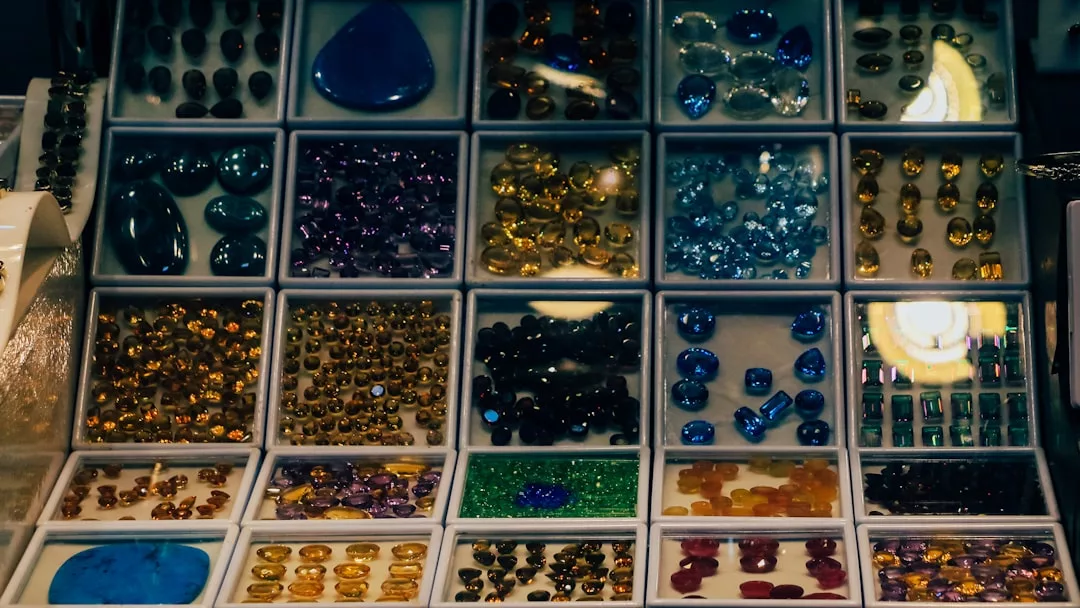
The art of jewelry-making has a rich and varied history, with mixed metal jewelry emerging as a fascinating chapter within this narrative. The practice of combining different metals dates back to ancient civilizations, where artisans would blend gold, silver, and copper to create intricate pieces that showcased both beauty and craftsmanship. In ancient Egypt, for instance, gold was often paired with copper to produce stunning jewelry that not only adorned the body but also signified wealth and status.
The Egyptians believed that gold was the flesh of the gods, and its combination with other metals was thought to enhance its divine properties. As time progressed, the use of mixed metals evolved across various cultures. In the Byzantine Empire, jewelers began to experiment with alloys, creating pieces that featured intricate designs and a variety of hues.
The Renaissance period saw a resurgence in the popularity of mixed metal jewelry, as artists and craftsmen sought to push the boundaries of their creativity. This era introduced techniques such as cloisonné and filigree, which allowed for the seamless integration of different metals into a single piece. By the 19th century, mixed metal jewelry had become a staple in the Victorian era, where it was often used to convey personal stories and emotions through symbolic designs.
Key Takeaways
- Mixed metal jewelry has a rich history dating back to ancient civilizations, where it was used for its durability and aesthetic appeal.
- In modern fashion, mixed metal jewelry is popular for its versatility and ability to complement a wide range of styles and outfits.
- Mixed metal jewelry is typically made through a process of combining different metals, such as gold, silver, and copper, to create unique and eye-catching designs.
- The versatility of mixed metal jewelry allows for easy mixing and matching with other pieces, making it a staple in many jewelry collections.
- Mixed metal jewelry often carries symbolic meanings, with different metals representing various qualities and attributes.
The Appeal of Mixed Metal Jewelry in Modern Fashion
In contemporary fashion, mixed metal jewelry has gained significant traction due to its unique aesthetic and versatility. Designers are increasingly drawn to the idea of blending metals like gold, silver, and rose gold to create pieces that resonate with a diverse audience. This trend reflects a broader movement towards individuality in fashion, where consumers seek items that express their personal style rather than conforming to traditional norms.
The juxtaposition of different metals creates a visual interest that can elevate even the simplest outfit, making mixed metal jewelry a favorite among fashion enthusiasts. Moreover, the appeal of mixed metal jewelry lies in its ability to transcend trends. Unlike single-metal pieces that may fall out of favor, mixed metal designs often remain timeless due to their adaptability.
For instance, a necklace featuring both silver and gold elements can seamlessly transition from casual daytime wear to elegant evening attire. This versatility allows wearers to experiment with their style, mixing and matching pieces to create unique combinations that reflect their mood or occasion. As a result, mixed metal jewelry has become a staple in many wardrobes, appealing to those who appreciate both fashion and functionality.
How Mixed Metal Jewelry is Made
The creation of mixed metal jewelry involves a meticulous process that requires both skill and creativity. Artisans typically begin by selecting the metals they wish to combine, considering factors such as color, weight, and malleability. Common combinations include sterling silver with gold vermeil or copper with brass, each offering distinct visual characteristics.
Once the metals are chosen, they are often cut into specific shapes or forms that will later be assembled into the final piece. The joining of different metals can be achieved through various techniques, including soldering, welding, or cold connections. Soldering involves melting a filler metal to bond two pieces together, while welding uses heat to fuse metals at their junctions.
Cold connections, on the other hand, utilize mechanical methods such as rivets or screws to hold components together without heat. Each technique has its advantages and can influence the overall aesthetic of the piece.
The Versatility of Mixed Metal Jewelry
One of the most compelling aspects of mixed metal jewelry is its inherent versatility. This adaptability allows it to complement a wide range of styles and occasions. For instance, a pair of earrings that combine silver and gold can effortlessly transition from a casual brunch outfit to a formal evening gown.
This quality makes mixed metal pieces particularly appealing for those who prefer a minimalist approach to accessorizing; a few well-chosen items can serve multiple purposes without overwhelming an outfit. Additionally, mixed metal jewelry can be layered or stacked in various ways to create personalized looks. For example, wearing multiple rings made from different metals can add depth and dimension to one’s hands without clashing visually.
Similarly, necklaces featuring varying lengths and metal combinations can create an eye-catching layered effect that draws attention without appearing overly busy. This ability to mix and match not only enhances personal expression but also encourages creativity in styling.
Mixing and Matching Mixed Metal Jewelry
The art of mixing and matching mixed metal jewelry is an exciting endeavor that allows individuals to express their unique style. One effective approach is to consider the color palette of the metals involved; for instance, pairing warm-toned metals like rose gold with cooler tones like silver can create a striking contrast that draws the eye. Additionally, incorporating textures, such as matte finishes alongside polished surfaces, can further enhance visual interest and depth.
When layering pieces, it’s essential to maintain balance in proportions. For example, if one opts for chunky bracelets made from different metals, pairing them with more delicate rings can create harmony without overwhelming the overall look. Similarly, when wearing necklaces of varying lengths, ensuring that they complement rather than compete with each other is key.
This thoughtful approach not only showcases individual style but also highlights the beauty inherent in mixed metal designs.
The Symbolism of Mixed Metal Jewelry
Mixed metal jewelry often carries deep symbolism that resonates with wearers on a personal level. The combination of different metals can represent duality or balance; for instance, gold may symbolize wealth and success while silver represents purity and clarity. Wearing these metals together can signify an individual’s journey toward achieving harmony in their life or embodying various aspects of their personality.
Furthermore, certain cultures attribute specific meanings to particular metals. In some traditions, gold is associated with the sun and vitality, while silver is linked to the moon and intuition. By wearing mixed metal jewelry that incorporates these elements, individuals may feel a connection to these symbolic meanings, enhancing their personal significance.
This layer of meaning adds depth to the aesthetic appeal of mixed metal pieces, making them not just accessories but also powerful talismans.
The Popularity of Mixed Metal Jewelry in Different Cultures
Mixed metal jewelry has found its place in various cultures around the world, each embracing its unique characteristics and meanings. In India, for example, traditional jewelry often features intricate designs that incorporate multiple metals such as gold and silver alongside colorful gemstones. These pieces are not only worn for adornment but also serve as cultural symbols during significant life events like weddings or festivals.
In contrast, Scandinavian design emphasizes minimalism and functionality while still embracing mixed metals. Designers from this region often create sleek pieces that combine materials like stainless steel with gold accents, reflecting a modern aesthetic rooted in simplicity. This approach highlights how mixed metal jewelry can adapt to cultural preferences while still maintaining its core appeal across diverse contexts.
Caring for Mixed Metal Jewelry
Proper care is essential for maintaining the beauty and longevity of mixed metal jewelry. Different metals react uniquely to environmental factors such as moisture and air exposure; therefore, understanding how to care for each component is crucial. For instance, sterling silver may tarnish over time due to oxidation when exposed to air and humidity.
Regular cleaning with a soft cloth can help prevent this buildup and keep the piece looking its best. Additionally, storing mixed metal jewelry properly is vital in preventing scratches or damage from contact with other pieces. Using individual pouches or compartments within a jewelry box can help protect delicate items from tangling or scratching against one another.
When wearing mixed metal jewelry during activities such as swimming or exercising, it’s advisable to remove pieces to avoid exposure to chlorine or sweat that could cause deterioration over time.
The Role of Mixed Metal Jewelry in Sustainable Fashion
As sustainability becomes an increasingly important consideration in fashion, mixed metal jewelry has emerged as a viable option for eco-conscious consumers. Many artisans prioritize ethical sourcing by using recycled metals or responsibly mined materials in their creations. This practice not only reduces environmental impact but also promotes responsible consumption within the fashion industry.
Moreover, the durability of mixed metal jewelry contributes to its sustainability appeal; high-quality pieces are less likely to break or wear out quickly compared to cheaper alternatives made from single metals or low-quality materials. By investing in well-crafted mixed metal items that stand the test of time, consumers can reduce waste while still enjoying stylish accessories that reflect their values.
Exploring Different Styles of Mixed Metal Jewelry
The world of mixed metal jewelry is vast and varied, encompassing numerous styles that cater to diverse tastes. Artisans often draw inspiration from nature or cultural motifs when creating their works, resulting in unique pieces that tell a story.
One popular style is artisan-crafted mixed metal jewelry that showcases intricate detailing through techniques like engraving or etching. These pieces often feature motifs inspired by nature, such as leaves or flowers, blending different metals harmoniously while celebrating craftsmanship. On the other hand, minimalist designs focus on simplicity and elegance; these pieces may incorporate subtle contrasts between metals without overwhelming embellishments.
Tips for Styling Mixed Metal Jewelry
Styling mixed metal jewelry can be an enjoyable process that allows individuals to showcase their creativity while enhancing their outfits. One effective tip is to start with a statement piece, such as a bold necklace or chunky bracelet, and build around it with complementary items in varying metals. This approach creates focal points within an ensemble while maintaining balance throughout.
Layering is another technique that works exceptionally well with mixed metal jewelry; combining different lengths of necklaces or stacking rings can add depth without appearing cluttered. When layering rings specifically, consider varying widths and textures for added visual interest, this creates an engaging look that draws attention without overwhelming the hands. In conclusion, mixed metal jewelry stands as a testament to both artistry and individuality within fashion history.
Its rich heritage combined with modern appeal makes it an enduring choice for those seeking unique expressions of style while embracing cultural significance and sustainability principles alike.
More in
More from Jewelry
Jewelry · 8 min
Stylish Bar Jewelry: Elevate Your Look
Bar jewelry has emerged as a captivating trend in the world of accessories, captivating fashion enthusiasts and casual wearers alike. Characterized by…
Jewelry · 9 min
Unlocking the Elegance of the Emerald Cut
The emerald cut has a rich and storied history that dates back to the 15th century, originating in the lapidary practices of the Spanish and Portugues…
Jewelry · 9 min
Bangle: A Timeless Fashion Accessory
Bangle jewelry has a rich and diverse history that spans across various cultures and epochs. The origins of bangles can be traced back to ancient civi…