News · News
Exploring the Art of Wine Tasting
The practice of wine tasting has deep historical roots, tracing back thousands of years to ancient civilizations. The earliest evidence of wine production dates back to around 6000…
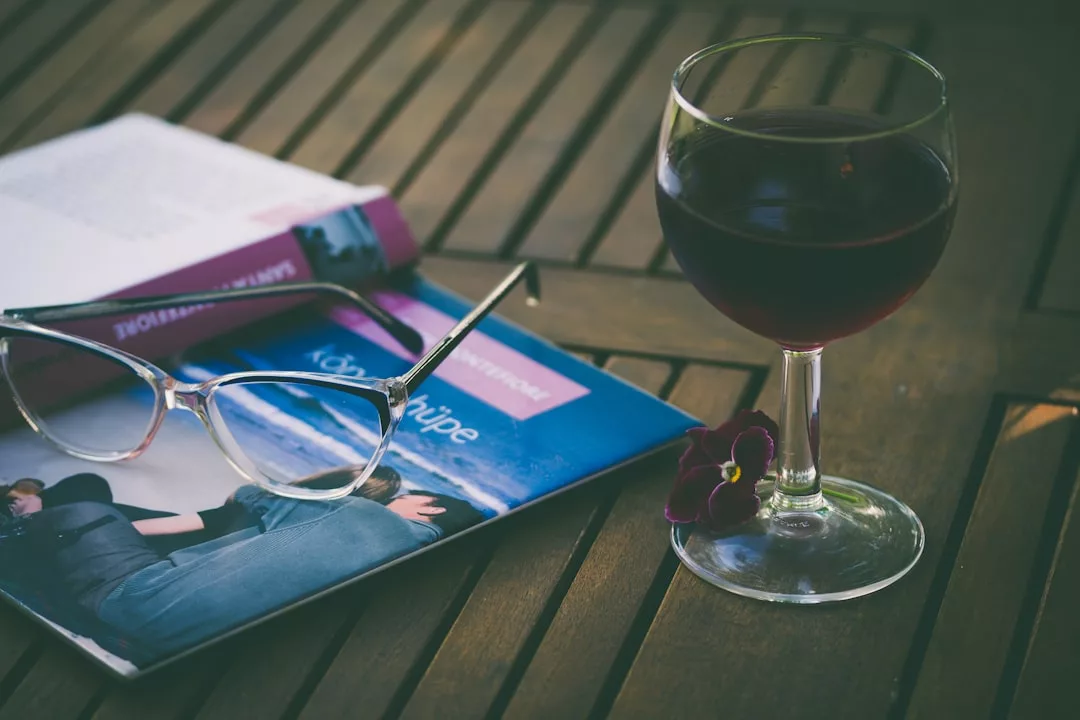
The practice of wine tasting has deep historical roots, tracing back thousands of years to ancient civilizations. The earliest evidence of wine production dates back to around 6000 BC in the region that is now modern-day Georgia. As wine became an integral part of various cultures, the appreciation for its nuances evolved.
In ancient Greece, wine was not merely a beverage but a symbol of civilization and culture. The Greeks held symposiums where wine was consumed in a social setting, and participants would often discuss its qualities, flavors, and effects. This early form of wine tasting laid the groundwork for the more structured practices that would follow.
During the Middle Ages, wine tasting took on a more formalized approach, particularly in Europe. Monasteries became centers of viticulture, where monks meticulously cultivated vineyards and produced wines. They developed a keen understanding of the different grape varieties and their characteristics, often documenting their observations.
By the Renaissance, wine tasting had become a refined art, with connoisseurs beginning to classify wines based on their regions and varietals. The establishment of wine fairs and competitions further propelled the practice, allowing for the exchange of knowledge and appreciation among wine lovers. This historical evolution set the stage for modern wine tasting, which combines tradition with contemporary techniques.
Key Takeaways
- Wine tasting has a long history dating back to ancient civilizations, with evidence of wine appreciation found in ancient texts and artifacts.
- The science behind wine tasting involves the study of how our senses perceive and interpret the flavors and aromas in wine, including the role of our taste buds and olfactory system.
- Understanding the basics of wine tasting includes learning about the different types of wine, the regions they come from, and the various factors that can affect their taste and quality.
- Sight plays a crucial role in wine tasting, as the color and clarity of the wine can provide important clues about its age, grape variety, and potential flavor profile.
- Smell is a key component of wine tasting, as our sense of smell can detect a wide range of aromas in wine, from fruity and floral notes to earthy and spicy undertones.
The Science Behind Wine Tasting
Wine tasting is not merely an art; it is also a science that involves complex chemical interactions and sensory perceptions. The experience of tasting wine engages multiple senses, sight, smell, taste, and even touch, each contributing to the overall impression of the wine. The chemical compounds present in wine, such as esters, phenols, and terpenes, play a crucial role in determining its aroma and flavor profile.
For instance, esters are responsible for fruity aromas, while phenolic compounds can impart bitterness or astringency. Understanding these components allows tasters to appreciate the intricacies of each wine. Moreover, the human brain processes sensory information in a way that can enhance or diminish the perception of flavors.
The phenomenon known as “cross-modal perception” suggests that our senses are interconnected; for example, the color of a wine can influence how we perceive its taste. Studies have shown that people often associate certain colors with specific flavors, red wines are frequently linked to berry notes, while white wines may evoke citrus or floral characteristics. This interplay between sensory perception and cognitive interpretation underscores the scientific foundation of wine tasting, revealing that our experiences are shaped by both biological and psychological factors.
Understanding the Basics of Wine Tasting
To embark on a journey into wine tasting, one must first grasp the fundamental principles that govern the experience. The process typically begins with visual assessment, where tasters observe the wine’s color, clarity, and viscosity. These visual cues can provide insights into the wine’s age and varietal characteristics.
For instance, a young red wine may exhibit vibrant purple hues, while an older red might display brick-red tones due to oxidation. Clarity is also essential; a clear wine suggests proper filtration and handling, while cloudiness may indicate flaws or sediment. Following visual analysis, the next step involves engaging the olfactory senses.
Swirling the wine in the glass releases volatile compounds that contribute to its aroma. Tasters often take several short sniffs to identify different scents, fruity, floral, herbal, or earthy notes may emerge. This aromatic exploration is crucial as it sets the stage for the final phase: tasting.
When sipping the wine, tasters should allow it to coat their palate fully, paying attention to flavors that unfold over time. The balance between sweetness, acidity, tannins, and alcohol creates a harmonious experience that defines the quality of the wine.
The Importance of Sight in Wine Tasting
Sight plays a pivotal role in wine tasting, serving as the first point of contact between the taster and the wine. The visual examination encompasses several aspects: color, clarity, and viscosity. Color can provide valuable information about a wine’s age and varietal characteristics.
For example, white wines tend to darken as they age due to oxidation, while red wines may lose their vibrancy and take on more muted tones. A young Sauvignon Blanc might exhibit a pale straw color with greenish tints, while an aged Chardonnay could present deeper golden hues. Clarity is another critical factor; a clear wine indicates proper filtration and handling during production.
Conversely, cloudiness may suggest issues such as sediment or spoilage. Viscosity is assessed by observing how the wine clings to the glass after swirling, this phenomenon is often referred to as “legs” or “tears. Collectively, these visual elements not only enhance the aesthetic appeal of wine but also provide essential clues about its quality and potential flavor profile.
The Role of Smell in Wine Tasting
The olfactory sense is arguably one of the most significant aspects of wine tasting, as aroma accounts for a substantial portion of our overall perception of flavor. When we smell a wine, we engage with its complex bouquet, a combination of primary aromas derived from the grape variety, secondary aromas from fermentation processes, and tertiary aromas developed during aging. Primary aromas can range from fruity notes like apple or cherry to floral hints such as jasmine or rose petals.
Secondary aromas often include yeasty or buttery scents resulting from malolactic fermentation or barrel aging. To fully appreciate a wine’s aroma, tasters typically employ a technique known as “swirling.” By swirling the wine in the glass, volatile compounds are released into the air, allowing for a more intense olfactory experience. Tasters often take short sniffs to identify distinct scents before taking a sip.
This process is crucial because our sense of smell is closely linked to memory; familiar aromas can evoke emotions or memories that enhance our overall enjoyment of the wine. Furthermore, research has shown that our ability to identify specific aromas improves with practice and exposure to different wines.
The Influence of Taste in Wine Tasting
While smell is paramount in shaping our perception of flavor, taste itself plays an equally vital role in the experience of wine tasting. The human palate can detect five primary tastes: sweetness, acidity, bitterness, saltiness, and umami. In wine tasting, sweetness often comes from residual sugars left after fermentation; this can create a sense of richness or roundness on the palate.
Acidity is crucial for balancing sweetness and providing freshness; high-acid wines like Riesling or Sauvignon Blanc are often described as crisp and lively. Bitterness is primarily derived from tannins, phenolic compounds found in grape skins and seeds, that contribute to a wine’s structure and mouthfeel. Tannins can create a drying sensation on the palate and are particularly prominent in red wines like Cabernet Sauvignon or Syrah.
Understanding how these taste components interact is essential for evaluating a wine’s overall balance and complexity. A well-structured wine will harmonize sweetness with acidity while managing tannins to create an enjoyable drinking experience.
Exploring the Texture and Body of Wine
The texture and body of a wine significantly influence its overall character and mouthfeel. Body refers to the weight or fullness of a wine on the palate and is often categorized as light-bodied, medium-bodied, or full-bodied. Factors such as alcohol content, residual sugar levels, and tannin structure contribute to this perception.
For instance, a light-bodied white wine like Pinot Grigio feels refreshing and crisp due to its lower alcohol content and higher acidity. In contrast, a full-bodied red like Zinfandel may feel rich and velvety because of its higher alcohol levels and pronounced tannins. Texture encompasses more than just body; it also includes sensations such as creaminess or smoothness that can arise from factors like malolactic fermentation or oak aging.
Wines that undergo malolactic fermentation often exhibit a buttery texture due to lactic acid bacteria converting sharp malic acid into softer lactic acid. Additionally, oak aging can impart creamy notes through compounds like vanillin found in oak barrels. Understanding these elements allows tasters to appreciate how texture contributes to a wine’s overall complexity and enjoyment.
The Art of Describing Wine
Describing wine effectively requires both vocabulary and practice; it is an art form that combines sensory observation with personal interpretation. Wine descriptors often fall into several categories: appearance (color and clarity), aroma (fruity, floral, herbal), taste (sweetness, acidity), and finish (length and complexity). Developing a robust vocabulary enables tasters to articulate their experiences more precisely; for example, instead of simply saying a wine is “fruity,” one might specify “ripe black cherry” or “zesty lime.” Moreover, using metaphors or analogies can enhance descriptions by connecting sensory experiences with familiar concepts.
For instance, one might describe a particular Chardonnay as having “the richness of buttered popcorn” or a Cabernet Sauvignon as “a dark forest after rain.” Such creative language not only enriches discussions about wine but also fosters connections among tasters by evoking shared experiences or emotions associated with specific flavors or aromas.
Developing Your Palate for Wine Tasting
Cultivating a refined palate for wine tasting is an ongoing journey that involves exploration and practice. One effective way to develop your palate is through systematic tasting, sampling wines from various regions, varietals, and styles while taking detailed notes on your observations. This practice helps build familiarity with different flavor profiles and enhances your ability to identify specific characteristics over time.
Additionally, participating in guided tastings led by knowledgeable sommeliers or winemakers can provide invaluable insights into the nuances of different wines. These experts often share their experiences and techniques for evaluating wines critically while encouraging participants to express their impressions openly. Engaging with others who share your passion for wine can also foster discussions that deepen your understanding and appreciation for this complex beverage.
Pairing Wine with Food
The art of pairing wine with food is an essential aspect of enhancing both culinary experiences and wine enjoyment. For example, high-acid wines like Sauvignon Blanc pair beautifully with dishes featuring citrus or vinegar-based sauces because they cut through richness while enhancing freshness.
Conversely, rich red wines like Malbec or Cabernet Sauvignon complement hearty dishes such as grilled meats or stews due to their robust tannin structure that balances fat content in food. Additionally, sweet wines like Sauternes can create delightful contrasts when paired with savory blue cheeses or desserts featuring fruit components, this interplay between sweetness and saltiness elevates both elements on the palate.
The Future of Wine Tasting
As we look toward the future of wine tasting, several trends are emerging that promise to reshape how we experience this age-old practice. One significant development is the increasing emphasis on sustainability within viticulture; consumers are becoming more conscious about environmental impacts associated with winemaking processes. Organic and biodynamic wines are gaining popularity as producers adopt eco-friendly practices that prioritize soil health and biodiversity.
Furthermore, technology is playing an increasingly prominent role in enhancing the wine tasting experience. Virtual tastings have gained traction during recent years due to global events that limited in-person gatherings; these online platforms allow participants from around the world to connect over shared interests while exploring diverse wines together. Additionally, advancements in artificial intelligence are enabling wineries to analyze consumer preferences more effectively, tailoring recommendations based on individual tastes.
In conclusion, as we navigate this evolving landscape within the world of wine tasting, balancing tradition with innovation, we can anticipate exciting developments that will continue to enrich our appreciation for this timeless beverage.
More in
More from News

News · 15 min
Future of Luxury Fashion: Innovation, Technology, and the Next Frontier
Discover the future of luxury fashion: how AI, blockchain, digital couture, bio-fabricated materials and sustainability are reshaping maisons and the …
News · 15 min
Celebrity Style Guide: Decoding the Fashion of the Famous
Decode celebrity style: how stylists, red carpet partnerships, and social media shape fashion, plus archetypes and tips to build a celebrity-inspired …
News · 14 min
Luxury Lifestyle Guide: Curating the Art of Living Well
Discover the luxury lifestyle as the art of living well: quiet luxury in travel, wine, home design, wardrobe, watches, and wellness, curated with inte…