Fashion · Fashion
Exploring the Beauty of Prints: A Visual Journey
Printmaking, as an artistic practice, has a rich and varied history that dates back to ancient civilizations. The earliest known examples of printmaking can be traced to China arou…
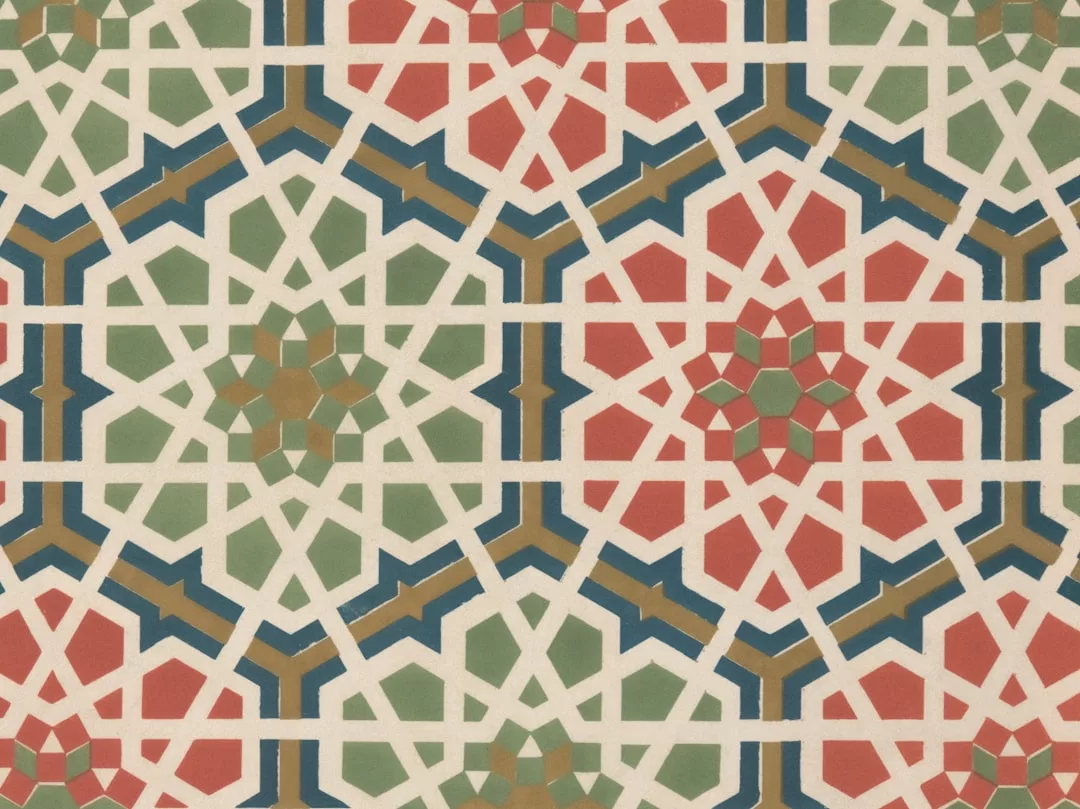
Printmaking, as an artistic practice, has a rich and varied history that dates back to ancient civilizations. The earliest known examples of printmaking can be traced to China around 200 AD, where woodblock printing was developed. This technique involved carving an image into a wooden block, inking it, and then pressing it onto paper or fabric.
The invention of woodblock printing revolutionized the dissemination of information, allowing for the mass production of texts and images. By the 8th century, this method had spread to Japan, where it evolved into ukiyo-e, a genre that depicted landscapes, kabuki actors, and beautiful women. The intricate designs and vibrant colors of these prints not only showcased the technical skill of the artists but also reflected the cultural values and aesthetics of the time.
As printmaking techniques advanced, so too did their applications. The introduction of intaglio printing in the 15th century marked a significant turning point in the history of printmaking. This method involved incising an image onto a metal plate, which was then inked and pressed onto paper.
Artists like Albrecht Dürer and Rembrandt van Rijn became masters of this technique, producing works that showcased their meticulous attention to detail and innovative use of light and shadow. The Renaissance period saw printmaking emerge as a respected art form in its own right, with prints being used not only for reproduction but also as standalone works of art. This era laid the groundwork for future developments in printmaking, leading to the diverse range of techniques and styles that we see today.
Key Takeaways
- Printmaking has a rich history dating back to ancient civilizations, evolving into a diverse and influential art form.
- Prints have the power to shape visual culture, influencing trends and sparking conversations in society.
- From woodcut to lithography, printmaking techniques offer a wide range of artistic possibilities and expressions.
- Handmade prints showcase the craftsmanship and dedication of artists, adding a unique beauty to each piece.
- Contemporary art continues to be influenced by prints, showcasing a visual journey of innovation and creativity.
The Power of Prints: How They Impact Visual Culture
Prints have played a pivotal role in shaping visual culture throughout history. Their ability to reproduce images and ideas on a large scale has made them a powerful tool for communication and expression. In the 18th century, prints became instrumental in the dissemination of Enlightenment ideas, with satirical prints by artists like James Gillray critiquing political figures and societal norms.
These works not only entertained but also provoked thought and discussion among the public, illustrating how prints can influence public opinion and cultural discourse. In the modern era, prints continue to impact visual culture in profound ways. The rise of advertising in the 19th century saw prints being used to promote products and services, leading to the development of graphic design as a discipline.
Artists like Henri de Toulouse-Lautrec utilized lithography to create striking posters that captured the vibrancy of Parisian nightlife, blending art with commercialism. This intersection of art and commerce has persisted into contemporary society, where prints are ubiquitous in advertising, fashion, and media. The ability of prints to convey messages quickly and effectively has solidified their place as a cornerstone of visual culture.
Exploring Different Printmaking Techniques: From Woodcut to Lithography
The world of printmaking is vast and varied, encompassing numerous techniques that each offer unique aesthetic qualities and challenges. Woodcut printing is one of the oldest methods, characterized by its bold lines and graphic quality. Artists carve their designs into a block of wood, leaving raised areas that will hold ink.
This technique allows for striking contrasts between light and dark areas, making it ideal for creating dynamic compositions. Notable woodcut artists include Hokusai, whose iconic “The Great Wave off Kanagawa” exemplifies the dramatic impact achievable through this medium. In contrast, lithography emerged in the late 18th century as a more versatile technique that allowed for greater detail and subtlety.
This method relies on the principle that oil and water do not mix; artists draw directly onto a flat stone or metal plate with a greasy medium. Once treated with a chemical solution, the drawn areas attract ink while the non-image areas repel it. This process enables artists to create intricate images with a wide range of tonal variations.
Prominent lithographers like Francisco Goya used this technique to produce works that conveyed deep emotional resonance, showcasing how different printmaking methods can evoke distinct responses from viewers.
The Beauty of Handmade Prints: A Look at the Craftsmanship
Handmade prints are celebrated not only for their artistic value but also for the craftsmanship involved in their creation. Each step in the printmaking process requires skill and precision, from preparing the materials to executing the final print. Artists often engage in a labor-intensive process that involves multiple stages, including sketching, carving or drawing, inking, and pressing.
This hands-on approach imbues each print with a sense of individuality; no two prints are exactly alike due to variations in ink application or pressure during printing. The tactile nature of handmade prints adds to their allure. The texture of the paper, the depth of the ink, and even the slight imperfections that may occur during printing contribute to the overall aesthetic experience.
Artists like Katsushika Hokusai and Edvard Munch have created iconic works that exemplify this craftsmanship. Hokusai’s “The Great Wave” is not only visually striking but also showcases his mastery of color and form through meticulous woodblock techniques. Similarly, Munch’s lithographs reveal his emotional depth and innovative use of line and color, demonstrating how craftsmanship can elevate printmaking into a profound form of artistic expression.
The Role of Prints in Contemporary Art: A Visual Journey
In contemporary art, prints have taken on new dimensions as artists explore innovative techniques and concepts. The medium has become a platform for experimentation, allowing artists to push boundaries and challenge traditional notions of printmaking. Contemporary printmakers often blend various techniques or incorporate mixed media elements into their work, resulting in pieces that defy categorization.
For instance, artists like Kara Walker utilize printmaking to address complex themes such as race, identity, and history through powerful imagery that resonates with contemporary audiences. Moreover, prints have become an essential part of art movements such as Pop Art and Conceptual Art. Artists like Andy Warhol revolutionized printmaking by employing silkscreen techniques to produce mass-produced artworks that commented on consumer culture and celebrity.
His iconic Campbell’s Soup Cans exemplify how prints can transcend their traditional roles as mere reproductions to become critical commentary on society. This evolution reflects a broader trend within contemporary art where prints are not only valued for their aesthetic qualities but also for their ability to engage with pressing social issues.
Uncovering the Diversity of Prints: From Traditional to Experimental
The diversity within printmaking is vast, encompassing both traditional methods that have stood the test of time and experimental approaches that challenge conventions. Traditional techniques such as etching, engraving, and screen printing continue to be practiced by artists who appreciate their historical significance and technical rigor. Each method offers distinct characteristics; for example, etching allows for fine lines and intricate details due to its chemical process, while screen printing enables bold colors and graphic designs through stencils.
On the other hand, experimental printmaking has emerged as a dynamic field where artists explore new materials and processes. Techniques such as monotype printing, where an image is painted onto a surface and then transferred onto paper, allow for spontaneity and one-of-a-kind results. Artists like Julie Mehretu have embraced this approach to create layered compositions that reflect complex narratives about geography and identity.
Additionally, digital printmaking has gained traction in recent years as artists harness technology to create works that blend traditional aesthetics with modern innovation. This fusion highlights how printmaking continues to evolve while remaining rooted in its rich history.
Prints as a Form of Expression: Understanding the Language of Visual Communication
Prints serve as a powerful form of expression, conveying ideas and emotions through visual language. The interplay between image and text in prints allows artists to communicate complex narratives succinctly.
The immediacy of prints makes them an effective medium for social commentary; artists can address pressing issues such as climate change or social justice through striking imagery that resonates with audiences on multiple levels. Moreover, prints can evoke emotional responses through their aesthetic qualities alone. The choice of color palette, composition, and technique all contribute to how viewers interpret a work.
An artist’s use of vibrant colors may elicit feelings of joy or excitement, while muted tones might convey melancholy or introspection. This nuanced language allows prints to transcend cultural barriers; regardless of language or background, viewers can connect with the emotions embedded within an artwork. As such, prints become not just objects but vessels for communication that foster dialogue between artist and audience.
The Influence of Prints on Fashion and Design: From Runway to Home Decor
The influence of prints extends beyond fine art into various realms such as fashion and design. In fashion, printed textiles have been integral since time immemorial; designers often draw inspiration from traditional patterns or contemporary graphic designs to create unique garments that reflect cultural trends. Iconic fashion houses like Versace have utilized bold prints to make statements on luxury and identity, while streetwear brands often incorporate graphic prints that resonate with youth culture.
In home decor, prints play a significant role in shaping interior aesthetics. Artists like Yayoi Kusama have collaborated with brands to produce home goods featuring her signature polka dots, demonstrating how prints can transform everyday objects into works of art.
This cross-pollination between printmaking and design highlights how visual culture permeates various aspects of life, influencing trends in both fashion and interior design.
The Intersection of Prints and Technology: How Digital Art is Shaping the Future
The advent of digital technology has transformed printmaking in unprecedented ways, opening up new avenues for creativity while challenging traditional practices. Digital printmaking allows artists to create works using software tools that enable precise manipulation of images before they are printed onto various surfaces. This shift has democratized access to printmaking; artists no longer need extensive training in traditional techniques to produce high-quality prints.
Moreover, digital technology has facilitated innovative collaborations between artists and industries such as fashion or advertising. For instance, designers can create digital patterns that are then printed onto fabrics using advanced printing techniques like dye-sublimation or direct-to-garment printing. This intersection between art and technology not only expands possibilities for artistic expression but also raises questions about authenticity and originality within the realm of printmaking.
As digital art continues to evolve alongside traditional methods, it will undoubtedly shape the future landscape of printmaking.
Collecting Prints: A Guide to Building a Personal Art Collection
Collecting prints can be an enriching endeavor for art enthusiasts looking to build a personal collection that reflects their tastes and interests. When starting out, it is essential to familiarize oneself with different printmaking techniques and styles to make informed decisions about acquisitions. Visiting galleries or art fairs can provide valuable insights into current trends while allowing collectors to engage directly with artists and their work.
One key aspect of collecting prints is understanding provenance, the history behind an artwork’s creation, and ensuring authenticity through proper documentation or certificates from reputable sources. Additionally, collectors should consider factors such as edition size; limited editions often hold greater value due to their scarcity compared to open editions. Assembling a diverse collection that includes works from emerging artists alongside established names can create a dynamic visual narrative while supporting the broader art community.
The Impact of Prints on Society: How They Reflect and Shape Cultural Narratives
Prints have long served as mirrors reflecting societal values while simultaneously shaping cultural narratives across time periods. From political propaganda posters during wartime to contemporary artworks addressing social justice issues, prints have been utilized as tools for advocacy and change throughout history. Artists harness the power of imagery combined with text to challenge prevailing ideologies or raise awareness about pressing issues affecting communities.
Moreover, prints often document historical events or cultural shifts in ways that resonate with audiences on both personal and collective levels. For example, during the civil rights movement in America, artists created powerful lithographs depicting struggles for equality that galvanized public support for social change. These works not only captured moments in time but also contributed significantly to ongoing dialogues about race relations within society today.
Through their ability to communicate complex ideas visually while engaging viewers emotionally, prints remain vital instruments for reflection and transformation within our cultural landscape.
More in
More from Fashion

Fashion · 2 min
Silk and Sartorial Smarts: Embracing the Singular Garment Principle
In an age of overwhelming choice, the ultimate luxury isn’t having more, it’s having the right thing. The modern wardrobe is undergoing a quiet r…

Fashion · 9 min
Dressing to Impress: The Art of Formal Wear
First impressions are often described as lasting impressions, and this adage holds significant weight in both personal and professional contexts. When…

Fashion · 9 min
Timeless Style: The Trench Coat
The trench coat has a rich and storied history that dates back to the late 19th century. Originally designed for military use, the trench coat was cre…