News · News
Exploring the Global Coffee Culture
The story of coffee begins in the ancient coffee forests of Ethiopia, where legend has it that a goat herder named Kaldi discovered the energizing effects of coffee beans. Accordin…
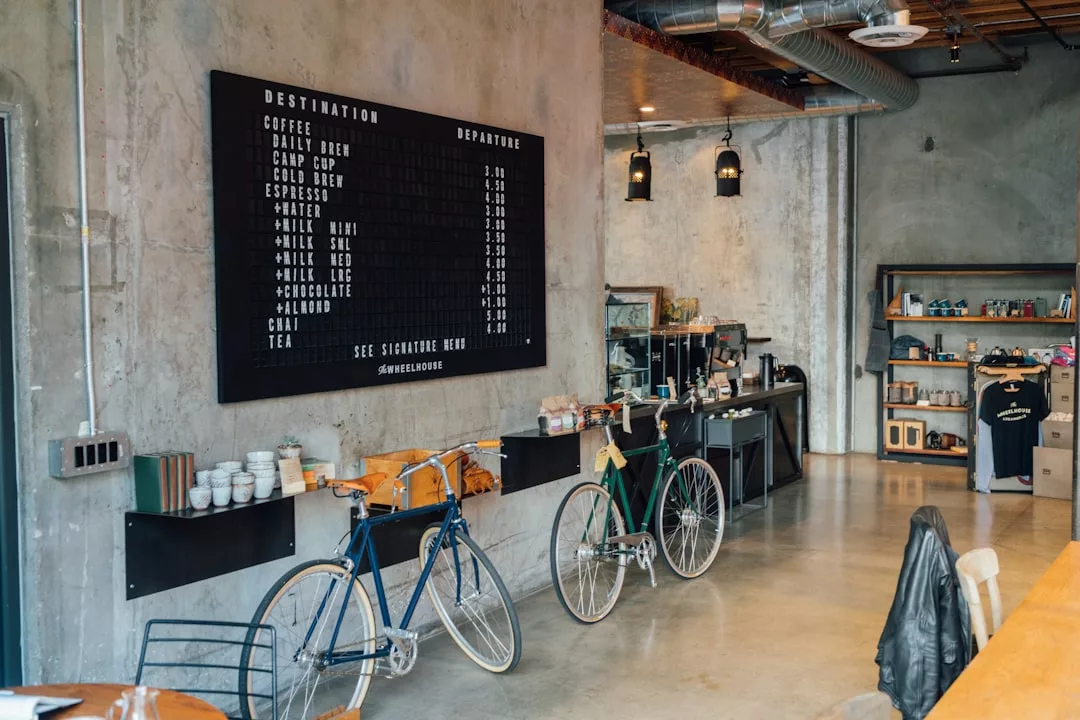
The story of coffee begins in the ancient coffee forests of Ethiopia, where legend has it that a goat herder named Kaldi discovered the energizing effects of coffee beans. According to folklore, Kaldi noticed that his goats became unusually lively after consuming the red berries from a certain shrub. Intrigued by this phenomenon, he tried the berries himself and experienced a newfound vigor.
This serendipitous discovery eventually led to the cultivation and trade of coffee, which would spread across continents and cultures. By the 15th century, coffee had made its way to the Arabian Peninsula, where it was embraced in Yemen. The first coffeehouses, known as qahveh khaneh, emerged in cities like Mecca and Medina, serving as social hubs for intellectual discourse and entertainment.
These establishments quickly gained popularity, leading to the establishment of coffee as a staple beverage in the Middle East. The drink’s reputation spread to Europe in the 17th century, where it was initially met with skepticism but soon became a fashionable alternative to alcoholic beverages. Coffeehouses in London and Paris became centers of political and social activity, shaping public opinion and fostering revolutionary ideas.
Key Takeaways
- Coffee originated in Ethiopia and spread to the Arabian Peninsula in the 15th century, eventually making its way to Europe and the rest of the world.
- There are numerous coffee varieties around the world, with popular ones including Arabica, Robusta, and Liberica, each with its own unique flavor profile.
- Coffee holds significant cultural importance in various countries, with rituals and traditions surrounding its consumption in places like Italy, Turkey, and Ethiopia.
- Coffee tourism is on the rise, with travelers seeking out unique coffee experiences in countries like Colombia, Ethiopia, and Vietnam.
- Coffee serves as a social connector, bringing people together in cafes and social gatherings, and playing a role in business and networking.
Coffee Varieties Around the World
Coffee is not a monolithic beverage; it encompasses a diverse range of varieties that reflect the unique climates, soils, and cultivation methods of different regions. The two most prominent species are Arabica and Robusta. Arabica beans, known for their smooth flavor and aromatic qualities, thrive in higher altitudes and are primarily grown in Latin America, East Africa, and parts of Asia.
They account for about 60-70% of global coffee production. In contrast, Robusta beans are hardier and more resilient to pests and diseases, making them easier to cultivate in lower altitudes. They are predominantly grown in Africa and Southeast Asia and are often used in espresso blends due to their strong flavor and higher caffeine content.
Beyond these two main varieties, there are numerous regional cultivars that contribute to the rich tapestry of coffee flavors. For instance, Ethiopian Yirgacheffe is celebrated for its floral notes and bright acidity, while Colombian coffee is renowned for its balanced flavor profile with hints of caramel and nuts. In Brazil, the world’s largest coffee producer, beans often exhibit chocolatey undertones and a low acidity.
Each region’s unique climate and processing methods impart distinct characteristics to the beans, making coffee tasting an exploration of global diversity.
Cultural Significance of Coffee in Different Countries
Coffee holds a profound cultural significance across various nations, often intertwined with local traditions and social practices. In Italy, for example, coffee is not merely a beverage but a way of life. The espresso culture is deeply embedded in Italian society, where quick shots of espresso are enjoyed at the bar while standing, reflecting a fast-paced lifestyle. In contrast, in Turkey, coffee is steeped in history and tradition. Turkish coffee is prepared using finely ground beans boiled with water and sugar in a special pot called a cezve.
The preparation process itself is an art form, often accompanied by rituals such as fortune-telling using the grounds left at the bottom of the cup. Turkish coffee has been recognized by UNESCO as an Intangible Cultural Heritage of Humanity, highlighting its significance beyond mere consumption.
Coffee Rituals and Traditions
Across cultures, coffee rituals serve as a means of connection and community building. In Ethiopia, the traditional coffee ceremony is a time-honored practice that involves roasting green coffee beans over an open flame, grinding them with a mortar and pestle, and brewing them in a special pot called a jebena. This elaborate process can take hours and is often accompanied by the sharing of stories and laughter among family and friends.
The ceremony symbolizes hospitality and respect for guests, making it an integral part of Ethiopian culture. Similarly, in Sweden, the concept of “fika” embodies the cultural importance of coffee breaks. Fika is more than just a coffee break; it is a social institution where people gather to enjoy coffee alongside pastries or sandwiches.
This practice fosters relationships among colleagues, friends, and family members alike. The act of pausing to enjoy coffee together reflects the Swedish value placed on work-life balance and social interaction.
The Rise of Coffee Tourism
In recent years, coffee tourism has emerged as a burgeoning niche within the travel industry, attracting enthusiasts eager to explore the origins of their favorite beverage. Destinations such as Colombia, Costa Rica, and Ethiopia have capitalized on this trend by offering immersive experiences that allow visitors to engage with local coffee farmers and learn about sustainable cultivation practices. Tourists can participate in guided tours through lush coffee plantations, witnessing firsthand the meticulous processes involved in growing and harvesting coffee beans.
In addition to plantation tours, many regions host coffee festivals that celebrate local varieties and brewing techniques. For instance, the annual Colombia Coffee Festival showcases the country’s rich coffee heritage through tastings, workshops, and cultural performances. Such events not only promote local economies but also foster appreciation for the craftsmanship behind each cup of coffee.
Coffee as a Social Connector
Coffee has long served as a social connector, bringing people together across generations and cultures. The simple act of sharing a cup can facilitate conversations that range from casual chit-chat to profound discussions about life’s complexities. In many societies, inviting someone for coffee is synonymous with extending friendship or hospitality.
This universal appeal transcends geographical boundaries; whether it’s a bustling café in Paris or a quiet corner shop in Tokyo, coffee shops provide spaces where individuals can gather to connect. Moreover, coffee’s role as a social lubricant extends into professional settings as well. Business meetings often take place over cups of coffee, where informal discussions can lead to significant collaborations or partnerships.
The relaxed atmosphere of a café can help break down barriers between colleagues or clients, fostering an environment conducive to open dialogue.
The Art of Coffee Making: From Bean to Cup
The journey from bean to cup is an intricate process that requires skill and precision at every stage. It begins with cultivation on coffee farms where factors such as altitude, climate, and soil quality play crucial roles in determining flavor profiles. Once harvested, beans undergo processing methods like washing or natural drying that further influence their taste characteristics.
Roasting is perhaps one of the most critical steps in this journey; it transforms green beans into aromatic brown ones through controlled heat application. Roasters must carefully monitor temperature and time to achieve desired flavor notes, light roasts tend to highlight acidity while dark roasts emphasize boldness. Finally, brewing methods such as pour-over, French press, or espresso extraction allow baristas to showcase their expertise in crafting the perfect cup tailored to individual preferences.
The Influence of Coffee on Global Economy
The global coffee industry is a multi-billion-dollar enterprise that significantly impacts economies worldwide. As one of the most traded commodities after oil, coffee plays a vital role in the livelihoods of millions of farmers across developing countries. Nations like Brazil and Vietnam dominate production; their economies heavily rely on coffee exports for revenue generation.
However, fluctuations in global prices can have dire consequences for smallholder farmers who often lack financial security or access to resources needed for sustainable farming practices. Organizations advocating for fair trade aim to ensure that farmers receive equitable compensation for their labor while promoting environmentally friendly practices that protect ecosystems.
Sustainable Coffee Practices and Fair Trade
Sustainability has become an increasingly pressing concern within the coffee industry as consumers grow more conscious about ethical sourcing practices. Sustainable coffee farming emphasizes environmental stewardship by promoting biodiversity conservation through shade-grown methods or organic farming techniques that reduce chemical inputs. Fair trade initiatives seek to empower farmers by providing them with fair wages while ensuring safe working conditions.
Certifications such as Fair Trade or Rainforest Alliance signify adherence to these principles; consumers can make informed choices when purchasing their favorite brews. By supporting sustainable practices, individuals contribute not only to better livelihoods for farmers but also to preserving ecosystems vital for future generations.
The Evolution of Coffee Drinking Habits
Over time, coffee drinking habits have evolved significantly due to cultural shifts and technological advancements. In recent decades, specialty coffee has gained prominence as consumers seek higher quality brews with unique flavor profiles rather than settling for mass-produced options. This shift has led to an explosion of artisanal roasters who prioritize sourcing high-quality beans directly from farmers.
Additionally, innovations such as single-serve brewing systems have transformed home brewing experiences by offering convenience without sacrificing quality. Cold brew has also surged in popularity among younger demographics seeking refreshing alternatives during warmer months. These evolving preferences reflect broader trends toward personalization and exploration within contemporary coffee culture.
Exploring the Future of Coffee Culture
As we look ahead into the future of coffee culture, several trends are poised to shape its trajectory further. One notable development is the increasing integration of technology into brewing processes; smart devices that allow users to control brewing parameters via apps are becoming more commonplace among enthusiasts seeking precision. Moreover, sustainability will likely remain at the forefront as consumers demand transparency regarding sourcing practices while advocating for environmentally friendly options.
The rise of plant-based milk alternatives reflects changing dietary preferences among consumers who prioritize health-conscious choices alongside ethical considerations. In conclusion, while coffee has deep historical roots intertwined with diverse cultural practices worldwide, from its origins in Ethiopia to its current status as a global commodity, it continues evolving alongside societal changes driven by innovation and sustainability efforts aimed at preserving this beloved beverage for generations to come.
More in
More from News

News · 15 min
Future of Luxury Fashion: Innovation, Technology, and the Next Frontier
Discover the future of luxury fashion: how AI, blockchain, digital couture, bio-fabricated materials and sustainability are reshaping maisons and the …

News · 15 min
Celebrity Style Guide: Decoding the Fashion of the Famous
Decode celebrity style: how stylists, red carpet partnerships, and social media shape fashion, plus archetypes and tips to build a celebrity-inspired …

News · 14 min
Luxury Lifestyle Guide: Curating the Art of Living Well
Discover the luxury lifestyle as the art of living well: quiet luxury in travel, wine, home design, wardrobe, watches, and wellness, curated with inte…