Jewelry · Jewelry
Exploring the Intricate Beauty of Filigree
Filigree, a delicate form of ornamental work made from fine wires of gold, silver, or other metals, has a rich and storied history that dates back thousands of years. Its origins c…
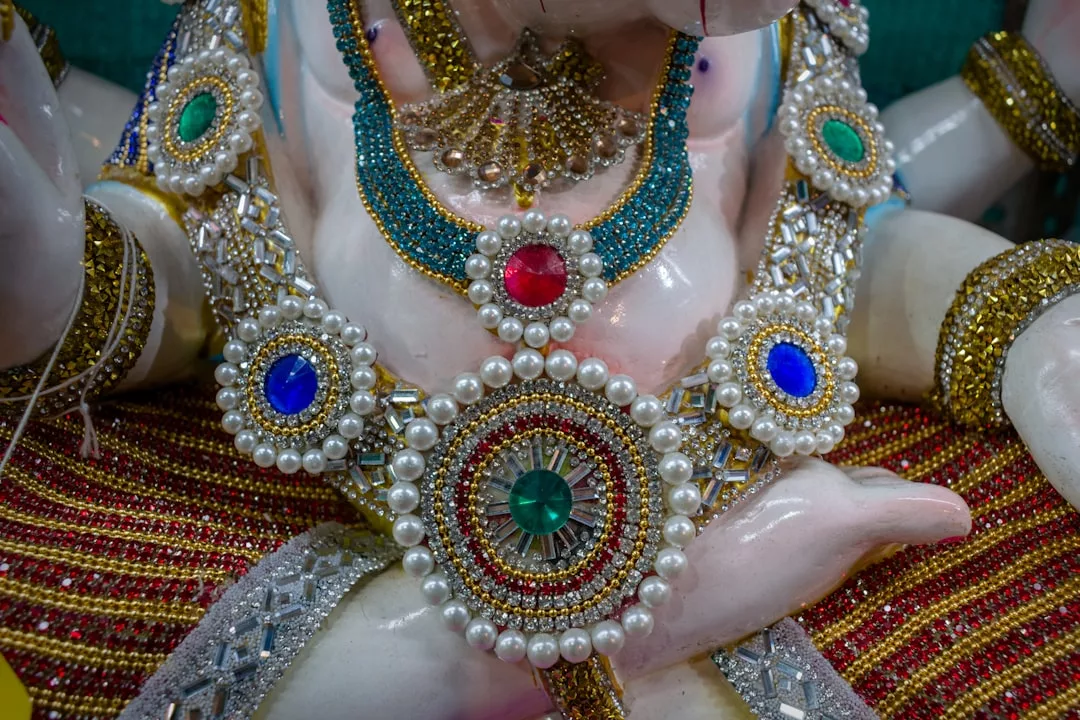
Filigree, a delicate form of ornamental work made from fine wires of gold, silver, or other metals, has a rich and storied history that dates back thousands of years. Its origins can be traced to ancient civilizations, where artisans first began to manipulate metal into intricate designs. The earliest known examples of filigree can be found in the jewelry of the Sumerians and Egyptians, who utilized this technique to create stunning adornments for both the living and the deceased.
These early pieces often featured motifs inspired by nature, such as leaves and flowers, reflecting the artisans’ deep connection to their environment. As filigree spread across cultures and continents, it evolved into various forms, each influenced by local traditions and materials. In ancient Greece and Rome, filigree became a hallmark of luxury, with skilled craftsmen producing elaborate jewelry that showcased their technical prowess.
The Byzantine Empire further refined the art, incorporating religious symbols and intricate patterns that conveyed spiritual significance. By the Middle Ages, filigree had established itself as a prominent decorative technique in Europe, particularly in regions like Italy and Spain, where it was used to embellish everything from ecclesiastical items to personal adornments.
Key Takeaways
- Filigree has a rich history dating back to ancient civilizations, and it continues to be a timeless art form cherished for its intricate beauty.
- The art of filigree involves delicate techniques and the use of precious metals such as gold and silver, creating exquisite designs that require precision and skill.
- Filigree holds cultural significance around the world, with each region adding its own unique flair and style to this ornate craft.
- From ancient times to modern innovations, filigree has evolved to adapt to contemporary styles while still maintaining its intricate and detailed nature.
- Filigree is widely used in jewelry, architecture, fashion, home decor, and art, adding delicate and elegant accents to various forms of expression.
The Art of Filigree: Techniques and Materials
The creation of filigree is a meticulous process that requires both skill and patience. Artisans begin by drawing fine wires from precious metals, typically gold or silver, which are then shaped into intricate designs. The wires are often twisted or coiled to create texture and depth, allowing for a variety of patterns that can range from simple loops to complex geometric shapes.
One of the most distinctive features of filigree is its ability to create a sense of lightness and airiness, as the delicate wires are often arranged in such a way that they appear to float. In addition to the wires themselves, filigree artists may incorporate other materials to enhance their designs. Semi-precious stones, pearls, and enamel are frequently used to add color and contrast to the metallic elements.
The combination of these materials not only elevates the aesthetic appeal but also allows for greater creative expression. Techniques such as soldering and granulation are often employed to secure the components together, ensuring that the final piece is both beautiful and durable. The precision required in these techniques underscores the level of craftsmanship involved in filigree work.
Filigree Around the World: Cultural Significance
Filigree is not merely a decorative art; it carries profound cultural significance across various societies. In India, for instance, filigree work is known as “tarakasi,” particularly prominent in the state of Odisha. Here, artisans have perfected the craft over centuries, creating intricate jewelry that often tells stories or represents local folklore.
The designs frequently incorporate motifs that symbolize prosperity and protection, making them highly sought after for weddings and other significant life events. In the Middle East, filigree has been embraced as a symbol of wealth and status. Traditional pieces often feature elaborate patterns that reflect Islamic art’s geometric principles.
In countries like Turkey and Iran, filigree is used not only in jewelry but also in decorative items such as trays and boxes. These pieces often serve as gifts or heirlooms, passed down through generations as a testament to family heritage.
The Evolution of Filigree: From Ancient to Modern
The evolution of filigree is a fascinating journey that mirrors broader historical trends in art and craftsmanship. In ancient times, filigree was primarily associated with religious and ceremonial objects, reflecting the spiritual beliefs of the cultures that created them. As societies progressed through the Renaissance and into the Baroque period, filigree began to be integrated into more secular forms of art and design.
This shift allowed for greater experimentation with styles and techniques, leading to an explosion of creativity that characterized these eras. In contemporary times, filigree has experienced a resurgence as artisans seek to blend traditional methods with modern aesthetics. While many contemporary pieces still honor the intricate designs of the past, there is also a growing trend towards minimalism and abstraction.
This evolution has opened up new avenues for innovation within the craft, allowing artists to explore unconventional materials and forms while maintaining the essence of filigree’s delicate beauty. As a result, filigree continues to captivate audiences around the world, bridging the gap between ancient traditions and modern sensibilities.
Filigree in Jewelry: Exquisite Designs and Styles
Filigree has long been celebrated for its application in jewelry design, where its intricate patterns can transform simple pieces into stunning works of art. From earrings to necklaces, rings to bracelets, filigree jewelry showcases an array of styles that cater to diverse tastes. One popular form is the use of filigree in vintage-inspired designs, where artisans draw upon historical motifs to create pieces that evoke nostalgia while remaining relevant in contemporary fashion.
One notable example is the use of filigree in engagement rings. Many couples are drawn to these unique designs for their romantic connotations and intricate craftsmanship. Filigree settings allow for delicate detailing around gemstones, enhancing their brilliance while providing a unique backdrop that sets them apart from traditional solitaire settings.
Additionally, custom filigree jewelry has gained popularity as individuals seek personalized pieces that reflect their identities or commemorate special moments in their lives.
Filigree in Architecture: Ornate and Detailed
Beyond jewelry, filigree has found its place in architecture as well, where it serves as an exquisite decorative element in various structures around the world. Architectural filigree can be seen in both historical buildings and modern constructions, often adorning facades, windows, and ceilings with intricate patterns that elevate the overall aesthetic appeal. In many cultures, this form of decoration is not merely ornamental; it often carries symbolic meanings or reflects cultural narratives.
In Islamic architecture, for instance, filigree is frequently employed in the form of intricate latticework known as “mashrabiya.” This technique not only adds beauty but also serves practical purposes by providing shade and ventilation while maintaining privacy. Similarly, in European Gothic architecture, filigree can be observed in stone carvings and wrought ironwork that embellish cathedrals and public buildings. These ornate details contribute to the grandeur of such structures while showcasing the skill of artisans who dedicated their lives to perfecting this craft.
Filigree in Fashion: Delicate and Elegant Accents
The influence of filigree extends into the realm of fashion, where its delicate nature lends itself beautifully to various garments and accessories. Designers have increasingly incorporated filigree elements into their collections, using lace-like patterns to create ethereal looks that exude elegance. This trend can be seen in everything from evening gowns adorned with filigree embroidery to handbags featuring metal filigree accents. For instance, during Paris Fashion Week, several designers showcased collections that featured filigree-inspired motifs on fabrics or accessories. The interplay between light and shadow created by these designs adds depth to garments while allowing wearers to express their individuality through unique patterns and textures.
Filigree in Home Decor: Adding Intricate Beauty
Filigree’s charm is not limited to personal adornments; it has also made its way into home decor, where it adds an element of sophistication and artistry to interior spaces. Decorative items such as candle holders, picture frames, and wall art often feature filigree designs that enhance their visual appeal while creating a sense of warmth and intimacy within a home. The intricate patterns can serve as focal points or subtle accents that complement various design styles.
In many cultures, handcrafted filigree decor items are cherished for their uniqueness and craftsmanship. For example, Moroccan lanterns adorned with intricate metal filigree cast mesmerizing shadows when lit, creating an enchanting atmosphere in any room. Similarly, Indian wooden furniture often incorporates filigree carvings that tell stories through their designs.
These pieces not only serve functional purposes but also act as conversation starters that reflect cultural heritage.
Filigree in Art: Intricate and Detailed Creations
Filigree has transcended its traditional applications to become a medium for artistic expression in various forms. Artists around the world have embraced this technique to create stunning visual works that showcase their creativity while paying homage to this ancient craft. From paintings featuring filigree-inspired patterns to sculptures incorporating metalwork techniques reminiscent of traditional filigree artistry, contemporary artists are finding innovative ways to reinterpret this timeless form.
One notable example is the work of contemporary sculptors who utilize metal filigree techniques to create intricate installations that challenge perceptions of space and form. These artists often experiment with scale and materiality, pushing the boundaries of what can be achieved through filigree while inviting viewers to engage with their creations on multiple levels. This fusion of traditional craftsmanship with modern artistic vision exemplifies how filigree continues to inspire new generations of creators.
The Future of Filigree: Innovations and Contemporary Applications
As we look toward the future, the art of filigree is poised for further innovation and exploration within various fields. Advances in technology have opened up new possibilities for artisans who wish to experiment with digital design tools or 3D printing techniques while maintaining traditional craftsmanship principles. This intersection between technology and artistry allows for greater precision in creating intricate designs while also expanding accessibility for aspiring artisans.
Moreover, sustainability has become an increasingly important consideration within the craft community. Many contemporary filigree artists are exploring eco-friendly materials or ethical sourcing practices as they seek to align their work with broader environmental values. This commitment not only enhances the appeal of their creations but also ensures that future generations can continue to appreciate this timeless art form without compromising ecological integrity.
Exploring Filigree: A Journey into the World of Intricate Beauty
Exploring the world of filigree offers a captivating journey through history, culture, and artistry. From its ancient origins to its modern interpretations across various domains, jewelry design, architecture, fashion, filigree remains a testament to human creativity and craftsmanship. Each piece tells a story woven into its delicate strands; every design reflects cultural significance while inviting admiration for its intricacy.
As we delve deeper into this enchanting art form, we uncover not only its aesthetic allure but also its profound connections to identity and heritage across cultures worldwide. Whether through wearing exquisite jewelry or appreciating architectural marvels adorned with ornate details, filigree continues to inspire awe while reminding us of our shared appreciation for beauty crafted by skilled hands throughout history.
More in
More from Jewelry
Jewelry · 8 min
Stylish Bar Jewelry: Elevate Your Look
Bar jewelry has emerged as a captivating trend in the world of accessories, captivating fashion enthusiasts and casual wearers alike. Characterized by…
Jewelry · 9 min
Unlocking the Elegance of the Emerald Cut
The emerald cut has a rich and storied history that dates back to the 15th century, originating in the lapidary practices of the Spanish and Portugues…
Jewelry · 9 min
Bangle: A Timeless Fashion Accessory
Bangle jewelry has a rich and diverse history that spans across various cultures and epochs. The origins of bangles can be traced back to ancient civi…