News · News
Exploring the World of Craft Beer
The craft beer movement has its roots in the late 20th century, emerging as a response to the homogenization of beer produced by large commercial breweries. In the United States, t…
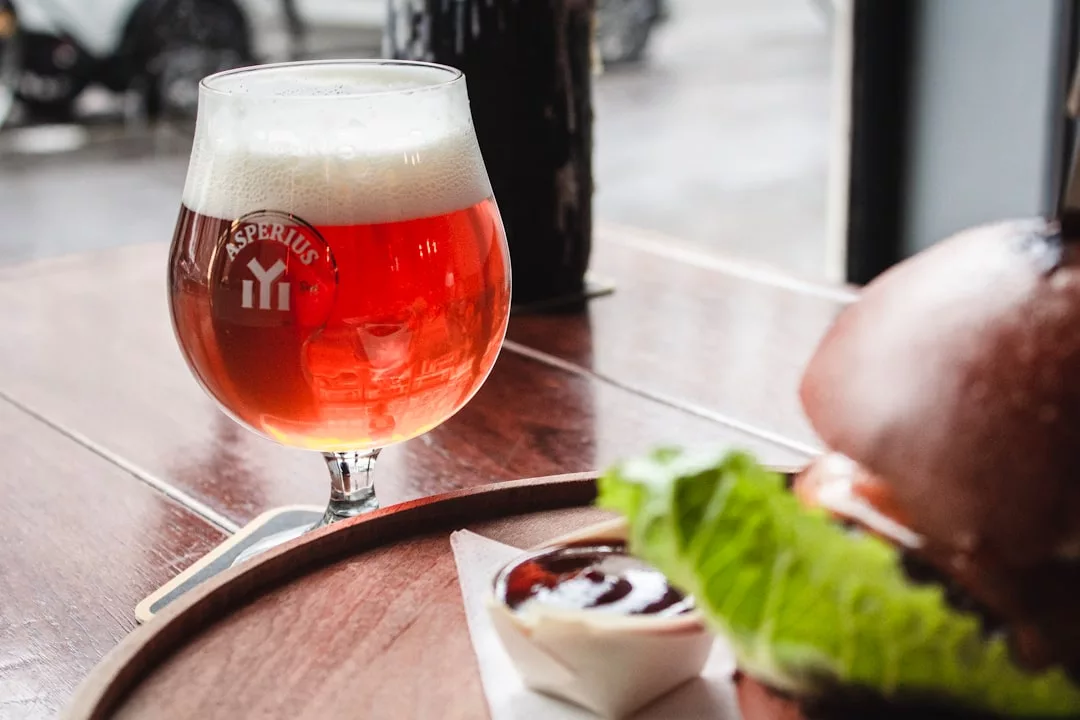
The craft beer movement has its roots in the late 20th century, emerging as a response to the homogenization of beer produced by large commercial breweries. In the United States, the craft beer revolution began in the 1970s, when a handful of passionate homebrewers sought to create unique and flavorful beers that deviated from the mass-produced lagers dominating the market. One of the pivotal moments in this movement was the founding of the Anchor Brewing Company in San Francisco in 1971, which is often credited with igniting interest in traditional brewing methods and styles.
This brewery, along with others that followed, emphasized quality ingredients and artisanal techniques, laying the groundwork for what would become a nationwide phenomenon. As the 1980s progressed, more microbreweries began to emerge across the country, each with its own distinct identity and approach to brewing. The American Homebrewers Association played a crucial role in fostering this community, providing resources and support for aspiring brewers.
By the 1990s, the craft beer industry had gained significant traction, with the number of breweries in the U.S. skyrocketing from just a few dozen to over a thousand. This period also saw the introduction of various beer styles that had previously been underrepresented in the American market, such as IPAs, stouts, and Belgian ales.
The craft beer movement was not merely about creating new flavors; it was also about reclaiming brewing traditions and celebrating local ingredients.
Key Takeaways
- Craft beer has a rich history dating back to ancient times, but it experienced a resurgence in the late 20th century with the rise of microbreweries and home brewing.
- Craft beer sets itself apart from commercial beer with its focus on quality, flavor, and traditional brewing methods, often using locally sourced ingredients.
- There are numerous styles of craft beer, including ales, lagers, stouts, and porters, each with its own unique characteristics and flavor profiles.
- The art of craft beer brewing involves a combination of science, creativity, and passion, with brewers constantly experimenting and pushing the boundaries of traditional brewing techniques.
- Craft beer pairs well with a variety of foods, and the growing trend of craft beer tourism has led to an increase in beer and food pairing experiences at breweries and restaurants.
What Sets Craft Beer Apart from Commercial Beer
Craft beer distinguishes itself from commercial beer through its emphasis on quality, flavor, and traditional brewing methods. Unlike mass-produced beers that often prioritize consistency and cost-effectiveness, craft brewers focus on creating unique flavors and experimenting with various ingredients. This dedication to quality is evident in the use of high-grade malts, hops, and yeast strains, which contribute to a more complex flavor profile.
For instance, while a typical commercial lager may have a light and crisp taste designed for mass appeal, a craft lager might incorporate specialty malts or unique hop varieties that impart distinct aromas and flavors. Another defining characteristic of craft beer is its small-scale production. The Brewers Association defines a craft brewery as one that produces fewer than six million barrels annually and is independently owned.
This independence allows craft brewers to take risks and innovate without the constraints often imposed by larger corporations. Many craft breweries also prioritize local sourcing of ingredients, which not only enhances flavor but also supports local agriculture. This commitment to locality fosters a sense of community and connection between brewers and consumers, creating a more personalized experience that is often lacking in commercial beer.
Exploring Different Styles of Craft Beer
The world of craft beer is incredibly diverse, encompassing a wide range of styles that cater to various palates and preferences. One of the most popular styles is the India Pale Ale (IPA), known for its bold hop character and often fruity or floral aromas. Originating from England but gaining immense popularity in the U.S., IPAs can vary significantly in bitterness and flavor profiles. West Coast IPAs tend to be more hop-forward with a dry finish, while New England IPAs are known for their hazy appearance and juicy, tropical fruit flavors. Stouts and porters are another beloved category within craft beer, characterized by their dark color and rich flavors derived from roasted malts. Stouts can range from dry Irish stouts like Guinness to sweeter variations such as milk stouts or imperial stouts that boast higher alcohol content and complex flavor notes like chocolate or coffee.
Additionally, sour beers have gained traction among craft enthusiasts, with styles like Berliner Weisse and Gose offering tartness and refreshing qualities that contrast sharply with traditional beer flavors. The exploration of these diverse styles allows consumers to experience a wide array of tastes and aromas, making each craft beer tasting an adventure.
The Art of Craft Beer Brewing
Brewing craft beer is both an art and a science, requiring a deep understanding of ingredients, techniques, and processes. At its core, brewing involves four primary ingredients: water, malted grains, hops, and yeast. Each component plays a crucial role in determining the final product’s flavor, aroma, and mouthfeel.
For instance, the choice of malt can influence sweetness and color, while different hop varieties contribute bitterness and aromatic qualities. Yeast selection is equally important; various strains can impart distinct flavors ranging from fruity esters to spicy phenols. The brewing process itself is intricate and requires precision at every step.
It begins with mashing, where crushed grains are mixed with hot water to extract fermentable sugars. This is followed by boiling the wort (unfermented beer) with hops to add bitterness and aroma. After cooling, yeast is introduced to initiate fermentation, during which sugars are converted into alcohol and carbon dioxide.
Craft brewers often experiment with different techniques such as barrel aging or dry hopping to enhance complexity and depth in their beers. This creative approach to brewing not only results in unique flavors but also reflects the brewer’s personal style and philosophy.
Craft Beer and Food Pairing: A Match Made in Heaven
The relationship between craft beer and food is one that has garnered increasing attention among culinary enthusiasts. Just as wine has long been paired with meals to enhance flavors, craft beer offers a versatile alternative that can complement a wide array of dishes. The key to successful pairing lies in understanding the flavor profiles of both the beer and the food.
For example, a hoppy IPA can cut through the richness of fried foods or fatty meats, while a malty brown ale may enhance the sweetness of roasted vegetables or barbecue. Certain styles of craft beer lend themselves particularly well to specific cuisines. Belgian-style ales, with their fruity esters and spicy notes, pair beautifully with dishes like mussels or creamy cheeses.
On the other hand, stouts can elevate desserts such as chocolate cake or ice cream by echoing similar flavors found in cocoa or coffee. The growing trend of craft beer dinners at restaurants showcases this synergy, where chefs curate menus specifically designed to highlight both food and beer together. This culinary exploration not only enhances dining experiences but also encourages consumers to appreciate the complexity of flavors found in craft beer.
The Growing Trend of Craft Beer Tourism
Craft beer tourism has emerged as a significant trend in recent years, attracting enthusiasts eager to explore breweries across various regions. This phenomenon is driven by consumers’ desire for authentic experiences and a deeper connection to the products they enjoy. Many cities have embraced this trend by developing brewery trails or hosting beer festivals that showcase local breweries and their offerings.
For instance, cities like Portland, Oregon; Asheville, North Carolina; and San Diego, California have become renowned destinations for craft beer lovers seeking to sample diverse styles while enjoying vibrant local cultures. Brewery tours provide visitors with an inside look at the brewing process while allowing them to taste fresh beers straight from the source. These experiences often include guided tastings led by knowledgeable staff who share insights into each brew’s ingredients and brewing techniques.
Additionally, many breweries have expanded their offerings to include taprooms or restaurants where visitors can enjoy food pairings alongside their beers. This immersive approach not only enhances consumer appreciation for craft beer but also supports local economies by attracting tourism dollars.
The Impact of Craft Beer on Local Economies
The rise of craft breweries has had a profound impact on local economies across the United States and beyond. As small businesses rooted in their communities, craft breweries create jobs not only within their own establishments but also throughout the supply chain.
According to the Brewers Association, craft breweries contributed over $82 billion to the U.S. economy in 2021 alone. Moreover, craft breweries often prioritize local sourcing for their ingredients whenever possible, further bolstering regional agriculture.
This commitment fosters relationships between brewers and local farmers while promoting sustainable practices within the community. Additionally, many breweries engage in philanthropic efforts by supporting local charities or hosting events that benefit community initiatives. As such, craft breweries serve as vital hubs for economic growth while simultaneously enriching their communities through social responsibility.
The Role of Craft Beer in the Sustainability Movement
Sustainability has become an increasingly important focus within the craft beer industry as brewers seek to minimize their environmental impact while producing high-quality products. Many craft breweries are adopting eco-friendly practices such as using renewable energy sources like solar or wind power to reduce their carbon footprint during production. Additionally, water conservation measures are being implemented throughout brewing processes since water is one of the most critical ingredients in beer production.
Waste management is another area where sustainability efforts are making strides within craft breweries. Many establishments have developed programs for recycling spent grains, byproducts from brewing, by donating them to local farms for animal feed or repurposing them into baked goods or snacks. Furthermore, some breweries are exploring innovative ways to reduce packaging waste by offering refillable growlers or utilizing biodegradable materials for packaging their products.
These initiatives not only reflect a commitment to environmental stewardship but also resonate with consumers who increasingly prioritize sustainability when making purchasing decisions.
The Community and Culture of Craft Beer Enthusiasts
The culture surrounding craft beer is characterized by a strong sense of community among enthusiasts who share a passion for unique flavors and brewing traditions. Craft beer festivals serve as gathering points where individuals can come together to celebrate their love for diverse brews while connecting with like-minded individuals. These events often feature tastings from numerous breweries alongside educational seminars led by industry experts discussing topics ranging from brewing techniques to food pairings.
Social media has played a significant role in fostering this community spirit by providing platforms for enthusiasts to share their experiences and discoveries related to craft beer. Online forums allow individuals to discuss their favorite brews or recommend new releases while also facilitating connections between brewers and consumers directly through platforms like Instagram or Untappd, an app designed specifically for tracking beer consumption and sharing reviews with friends.
The Future of Craft Beer: Trends and Innovations
As the craft beer industry continues to evolve, several trends are shaping its future landscape. One notable trend is the increasing popularity of non-alcoholic (NA) craft beers as consumers seek healthier alternatives without sacrificing flavor or experience. Breweries are investing in developing innovative NA options that maintain complexity while catering to those looking for lower-alcohol choices.
Another emerging trend is the exploration of hybrid styles that blend traditional brewing techniques with modern influences, such as sour IPAs or barrel-aged sours, that challenge conventional definitions of beer styles altogether. Additionally, advancements in technology are enabling brewers to experiment with new fermentation methods or ingredient combinations that push boundaries further than ever before.
Tips for Enjoying and Appreciating Craft Beer
To fully appreciate craft beer’s diverse offerings requires an open mind along with some practical tips for enjoyment. First and foremost, take time to explore different styles; don’t hesitate to try something outside your comfort zone, this could lead you down an exciting path toward discovering new favorites! When tasting beers at home or during brewery visits, consider using proper glassware designed specifically for each style, this enhances aroma perception while allowing you to savor every sip fully.
Pay attention not only to flavor but also aroma; take a moment before tasting each brew to inhale its scent deeply, this will enrich your overall experience significantly! Lastly, engage with your local brewery community, attend events or tastings where you can learn more about brewing processes directly from those who create these exceptional beverages! By immersing yourself in this vibrant culture surrounding craft beer appreciation will undoubtedly deepen your understanding while enhancing your enjoyment!
More in
More from News

News · 15 min
Future of Luxury Fashion: Innovation, Technology, and the Next Frontier
Discover the future of luxury fashion: how AI, blockchain, digital couture, bio-fabricated materials and sustainability are reshaping maisons and the …

News · 15 min
Celebrity Style Guide: Decoding the Fashion of the Famous
Decode celebrity style: how stylists, red carpet partnerships, and social media shape fashion, plus archetypes and tips to build a celebrity-inspired …

News · 14 min
Luxury Lifestyle Guide: Curating the Art of Living Well
Discover the luxury lifestyle as the art of living well: quiet luxury in travel, wine, home design, wardrobe, watches, and wellness, curated with inte…