Fashion · Fashion
Exploring the World of Haute Couture
Haute couture, a term that translates to “high sewing” or “high dressmaking,” has its roots deeply embedded in the fashion history of the 19th century. The …
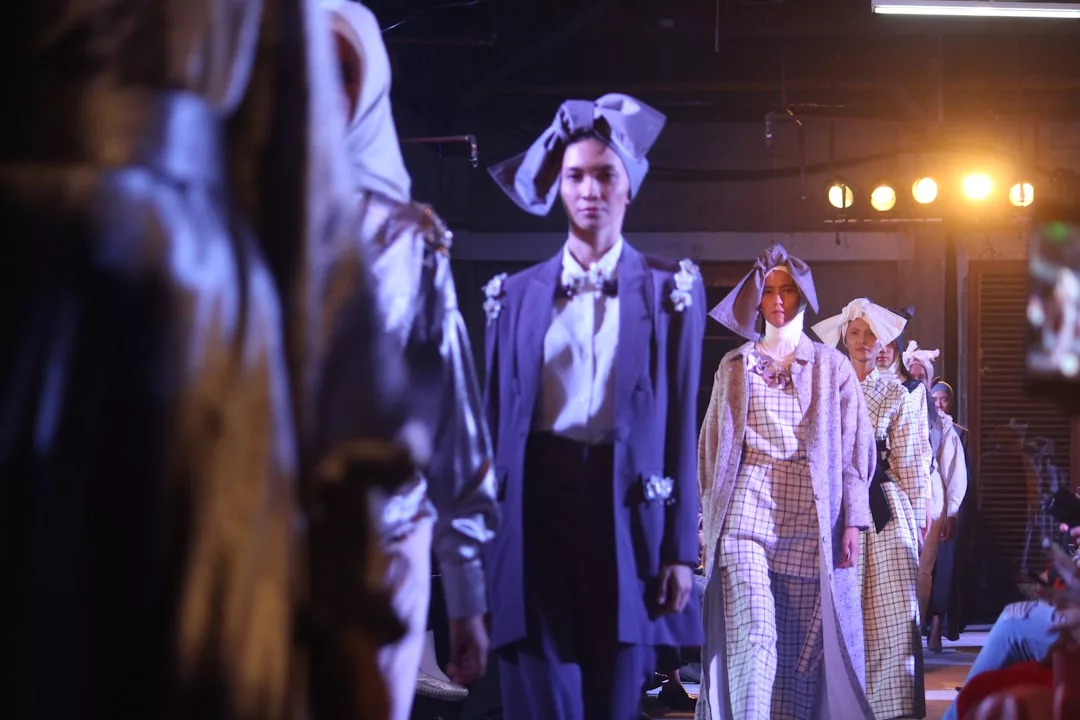
Haute couture, a term that translates to “high sewing” or “high dressmaking,” has its roots deeply embedded in the fashion history of the 19th century. The concept emerged in Paris, where Charles Frederick Worth, an English designer, is often credited as the father of haute couture. In the 1850s, Worth established his own fashion house and began creating garments that were not only tailored to fit individual clients but also showcased his artistic vision.
His designs were characterized by luxurious fabrics, intricate embellishments, and a keen attention to detail. Worth’s innovative approach to fashion included the introduction of the fashion show, where models would display his creations, allowing clients to view the latest trends and styles. As the 20th century progressed, haute couture evolved into a symbol of luxury and exclusivity.
The Chambre Syndicale de la Haute Couture was established in 1868 to regulate the industry and protect the term “haute couture.” This organization set strict criteria for fashion houses wishing to be recognized as haute couture, including the requirement to create made-to-measure garments for private clients and to present a collection of at least 50 designs twice a year. The post-World War II era saw a resurgence of haute couture, with designers like Christian Dior revolutionizing women’s fashion through his iconic “New Look,” which emphasized femininity and elegance. This period solidified haute couture’s status as a pinnacle of fashion artistry.
Key Takeaways
- Haute Couture originated in Paris in the 19th century, with Charles Frederick Worth being considered the first haute couturier.
- Haute Couture plays a significant role in setting trends and pushing the boundaries of fashion, often serving as a source of inspiration for ready-to-wear collections.
- The process of creating haute couture involves meticulous handcraftsmanship, custom fittings, and the use of luxurious and high-quality materials.
- Haute Couture has a major influence on ready-to-wear fashion, with many design elements and trends trickling down from couture runways to mass-market clothing.
- Famous haute couture designers include Coco Chanel, Christian Dior, and Yves Saint Laurent, who have left a lasting impact on the fashion industry with their innovative designs.
The Role of Haute Couture in Fashion
Haute couture plays a pivotal role in the fashion industry, serving as a benchmark for creativity and craftsmanship. It is often seen as the highest form of fashion design, where artistic expression meets technical skill. Designers use haute couture as a platform to experiment with innovative techniques, materials, and silhouettes that may not be commercially viable in ready-to-wear collections.
This freedom allows them to push boundaries and set trends that will eventually trickle down into mainstream fashion. The intricate designs and unique concepts presented on the haute couture runways often influence ready-to-wear collections, accessories, and even street style. This symbiotic relationship between haute couture and ready-to-wear ensures that the artistry of high fashion continues to resonate with a broader audience.
The Process of Creating Haute Couture
Creating haute couture garments is an intricate process that involves meticulous planning, skilled craftsmanship, and an unwavering commitment to quality. The journey begins with the designer conceptualizing a collection, often inspired by art, culture, or personal experiences. Once the initial ideas are formed, sketches are created, detailing each piece’s design elements, fabrics, and colors.
This stage is crucial as it sets the foundation for the entire collection. After finalizing the designs, the next step involves selecting luxurious materials that align with the vision of the collection. Haute couture houses often source fabrics from renowned textile manufacturers around the world, ensuring that only the finest materials are used.
Once the fabrics are chosen, skilled artisans begin the labor-intensive process of constructing each garment. This may involve hand-sewing intricate embellishments, draping fabric on dress forms to achieve the perfect silhouette, and conducting multiple fittings with clients to ensure an impeccable fit. The entire process can take several months and requires a team of highly trained professionals who specialize in various aspects of garment construction.
The Influence of Haute Couture on Ready-to-Wear Fashion
The influence of haute couture on ready-to-wear fashion is profound and multifaceted. While haute couture is often seen as an exclusive realm reserved for the elite, its impact extends far beyond its immediate clientele. Designers in the ready-to-wear sector frequently draw inspiration from haute couture collections, adapting high-fashion concepts into more accessible designs.
For instance, a dramatic silhouette or unique fabric treatment showcased on a haute couture runway may inspire a more commercially viable version that can be produced at scale. Additionally, trends originating from haute couture often set the tone for seasonal fashion cycles. Fashion weeks around the world look to haute couture shows for cues on color palettes, fabric choices, and design aesthetics that will dominate upcoming collections.
This trickle-down effect ensures that while haute couture remains an exclusive art form, its innovations permeate everyday fashion, making high-end design principles available to a wider audience.
Famous Haute Couture Designers
Throughout history, numerous designers have left an indelible mark on the world of haute couture. Among them is Coco Chanel, whose revolutionary designs transformed women’s fashion in the early 20th century. Chanel introduced concepts such as casual elegance and comfort in women’s clothing, famously popularizing the little black dress and the Chanel suit.
Her emphasis on simplicity and functionality challenged traditional notions of femininity and paved the way for modern women’s fashion. Another iconic figure in haute couture is Yves Saint Laurent, who is celebrated for his ability to blend art with fashion. His groundbreaking collection “Le Smoking” introduced tailored suits for women, challenging gender norms and redefining femininity in the 1960s.
Saint Laurent’s work not only elevated haute couture but also influenced societal perceptions of gender and identity through fashion. Other notable designers include Christian Lacroix, known for his flamboyant designs; Valentino Garavani, whose romantic aesthetic captivated audiences; and more recently, designers like Giambattista Valli and Elie Saab, who continue to push the boundaries of haute couture with their exquisite craftsmanship and innovative designs.
The Business of Haute Couture
The business aspect of haute couture is as intricate as its creative process. While haute couture garments command exorbitant prices, often ranging from tens of thousands to millions of dollars, the financial viability of these fashion houses can be precarious. Many haute couture brands operate at a loss due to the high costs associated with producing one-of-a-kind garments and maintaining skilled artisans.
However, these brands often rely on their prestige and exclusivity to attract wealthy clientele who are willing to invest in bespoke pieces. Moreover, haute couture serves as a marketing tool for luxury brands. The visibility gained from showcasing collections at prestigious events like Paris Haute Couture Week elevates a brand’s status and can lead to increased sales in ready-to-wear lines and accessories.
Additionally, collaborations with celebrities for red carpet events further enhance brand recognition and desirability. Despite its challenges, haute couture remains an essential component of luxury branding and continues to attract attention from both consumers and industry insiders alike.
The Impact of Haute Couture on Popular Culture
Haute couture has significantly influenced popular culture beyond the realm of fashion itself. The opulence and artistry associated with haute couture have made it a frequent subject in films, music videos, and art exhibitions. Iconic films such as “Breakfast at Tiffany’s,” featuring Audrey Hepburn in Givenchy’s stunning designs, have immortalized haute couture in cinematic history.
Similarly, music artists like Beyoncé and Lady Gaga have donned extravagant haute couture pieces during performances and public appearances, further embedding high fashion into contemporary culture. Moreover, haute couture has become synonymous with luxury lifestyle aspirations. Fashion magazines often feature editorial spreads showcasing haute couture collections alongside lifestyle content that emphasizes wealth and exclusivity.
This portrayal reinforces societal perceptions of beauty and success tied to high fashion, influencing consumer behavior and aspirations across various demographics.
The Global Reach of Haute Couture
While Paris remains the epicenter of haute couture, its influence has transcended geographical boundaries. Designers from various countries have emerged on the global stage, bringing their unique cultural perspectives to haute couture. For instance, designers like Elie Saab from Lebanon have gained international acclaim for their intricate embroidery and luxurious fabrics that reflect Middle Eastern aesthetics while adhering to haute couture standards.
Furthermore, cities such as Milan, London, and New York have developed their own haute couture scenes, showcasing local talent while contributing to the global dialogue on high fashion. The rise of digital platforms has also facilitated access to haute couture collections worldwide, allowing audiences from diverse backgrounds to engage with this exclusive art form. As a result, haute couture continues to evolve into a more inclusive space that celebrates global diversity while maintaining its commitment to craftsmanship and artistry.
The Artistry of Haute Couture
At its core, haute couture is an art form that transcends mere clothing production; it embodies creativity, innovation, and unparalleled craftsmanship. Each garment is a testament to the designer’s vision and skillful execution, often involving hundreds of hours of labor by skilled artisans who specialize in various techniques such as embroidery, draping, and tailoring. The meticulous attention to detail found in haute couture pieces elevates them beyond functional attire; they become wearable art that tells a story.
The artistry involved in creating haute couture extends beyond technical skills; it also encompasses conceptualization and narrative-building. Designers often draw inspiration from various sources, be it historical references, cultural motifs, or personal experiences, transforming these ideas into tangible creations that resonate with audiences on multiple levels. This fusion of artistry and craftsmanship is what sets haute couture apart from other forms of fashion design.
The Future of Haute Couture
As we look toward the future of haute couture, several trends are emerging that may shape its evolution in the coming years. One significant shift is the increasing emphasis on sustainability within the fashion industry. As consumers become more environmentally conscious, there is growing pressure on luxury brands to adopt sustainable practices in their production processes.
Haute couture houses are beginning to explore eco-friendly materials and ethical sourcing methods while maintaining their commitment to craftsmanship. Additionally, technology is poised to play a transformative role in haute couture’s future. Innovations such as 3D printing and digital design tools are enabling designers to experiment with new forms and structures that were previously unimaginable.
Virtual reality experiences are also being integrated into fashion shows, allowing audiences worldwide to engage with collections in immersive ways. These advancements may redefine how haute couture is created and consumed while preserving its essence as an exclusive art form.
Exploring Haute Couture: A Personal Experience
Experiencing haute couture firsthand can be an unforgettable journey into the world of high fashion artistry. Attending a runway show during Paris Haute Couture Week offers an unparalleled glimpse into this exclusive realm where creativity knows no bounds. The atmosphere is electric as models glide down the runway adorned in breathtaking garments that showcase intricate details, each piece telling its own story through fabric choices and design elements.
Beyond the runway experience lies the opportunity to visit ateliers where skilled artisans bring these designs to life through painstaking craftsmanship. Witnessing firsthand how fabrics are meticulously hand-stitched or how delicate embroidery is applied can deepen one’s appreciation for the artistry involved in haute couture creation. Engaging with designers during private fittings or consultations allows for a personal connection to their vision, transforming mere clothing into cherished works of art that embody individuality and expression.
In conclusion, exploring haute couture is not just about observing beautiful garments; it is about immersing oneself in a world where creativity meets craftsmanship at its highest level, a world that continues to inspire both designers and admirers alike.
More in
More from Fashion
Fashion · 2 min
Silk and Sartorial Smarts: Embracing the Singular Garment Principle
In an age of overwhelming choice, the ultimate luxury isn’t having more, it’s having the right thing. The modern wardrobe is undergoing a quiet r…
Fashion · 9 min
Dressing to Impress: The Art of Formal Wear
First impressions are often described as lasting impressions, and this adage holds significant weight in both personal and professional contexts. When…

Fashion · 9 min
Timeless Style: The Trench Coat
The trench coat has a rich and storied history that dates back to the late 19th century. Originally designed for military use, the trench coat was cre…