Jewelry · Jewelry
Exquisite Elegance: The Marquise Cut Diamond
The marquise cut diamond boasts a rich and storied history that dates back to the 18th century. Legend has it that this unique shape was commissioned by King Louis XV of France, wh…
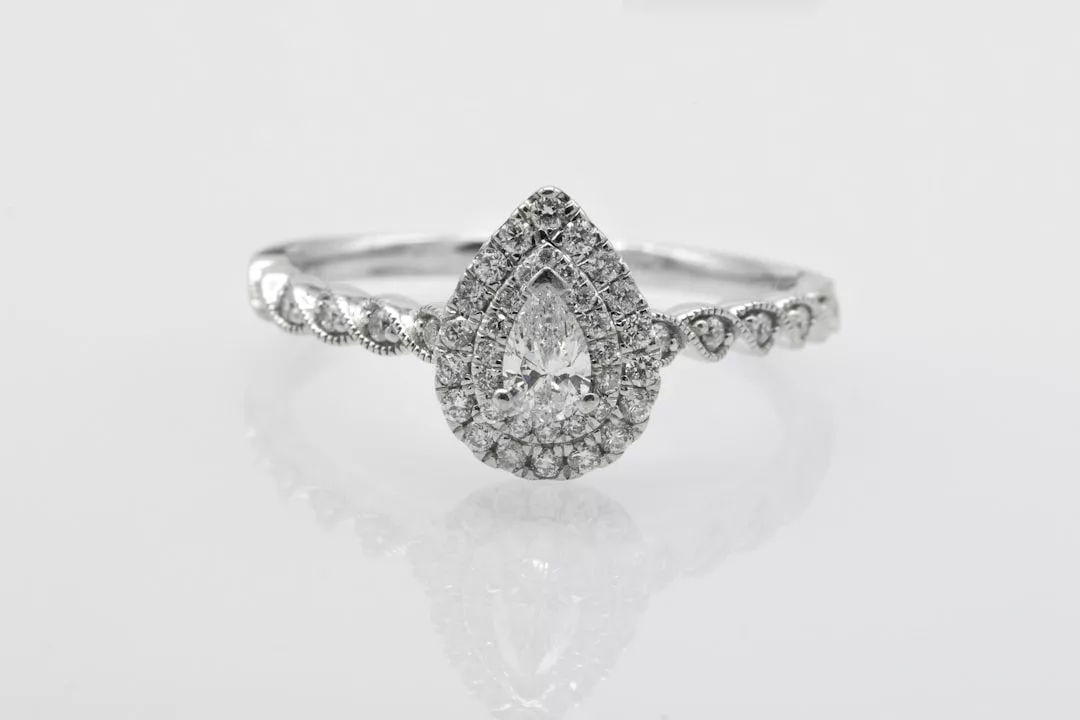
The marquise cut diamond boasts a rich and storied history that dates back to the 18th century. Legend has it that this unique shape was commissioned by King Louis XV of France, who desired a diamond cut that would resemble the lips of his mistress, the Marquise de Pompadour. This romantic origin story not only highlights the cut’s regal beginnings but also its association with love and beauty.
The marquise cut was designed to maximize the carat weight of the diamond, allowing for a larger appearance while maintaining a slender silhouette. This characteristic made it particularly appealing to those in high society, as it symbolized wealth and status. As the years progressed, the marquise cut gained popularity across Europe and eventually made its way to America in the 20th century.
During this time, it became a favored choice for engagement rings and other fine jewelry pieces. The cut’s elongated shape and brilliant facets allowed it to catch light in a way that was both dazzling and enchanting. By the late 20th century, the marquise cut had solidified its place in the pantheon of classic diamond shapes, alongside the round brilliant and princess cuts.
Its historical significance and aesthetic appeal continue to resonate with couples today, making it a timeless choice for those seeking something unique.
Key Takeaways
- The marquise cut diamond has a rich history dating back to the 18th century, when it was created for King Louis XV of France.
- The unique characteristics of the marquise cut, such as its elongated shape and pointed ends, make it stand out from other diamond cuts.
- The marquise cut has gained popularity in engagement rings due to its elegant and elongating effect on the finger.
- When choosing the perfect marquise cut diamond, it’s important to consider factors such as length to width ratio and symmetry.
- Proportions play a crucial role in the beauty and brilliance of a marquise cut diamond, with the ideal length to width ratio falling between 1.75 and 2.25.
The Unique Characteristics of the Marquise Cut
The marquise cut is distinguished by its elongated, oval shape with pointed ends, which creates an illusion of greater size compared to other cuts of similar carat weight. This unique silhouette not only enhances the diamond’s brilliance but also serves to elongate the wearer’s fingers, making it a popular choice for those who appreciate both aesthetics and functionality. The cut typically features 58 facets, which are strategically placed to maximize light reflection and refraction, resulting in a captivating sparkle that draws the eye.
One of the most notable characteristics of the marquise cut is its ability to showcase a diamond’s clarity and color. The elongated shape allows for a larger surface area, which can highlight inclusions or color variations more than other cuts might. As such, selecting a high-quality stone is essential to ensure that the marquise cut’s beauty is fully realized.
Additionally, the cut’s unique shape can create a mesmerizing play of light, often referred to as “the bow tie effect,” where a dark area appears in the center of the diamond due to the way light interacts with its facets. This phenomenon can be both enchanting and challenging, as it requires careful consideration when selecting a marquise cut diamond.
The Popularity of the Marquise Cut in Engagement Rings
The marquise cut has enjoyed enduring popularity in engagement rings, particularly among those seeking a distinctive alternative to more traditional shapes like round or princess cuts. Its unique silhouette not only stands out but also carries an air of sophistication and elegance that appeals to many couples. The cut’s ability to appear larger than its actual carat weight makes it an attractive option for those who want a statement piece without compromising on budget.
In recent years, celebrity endorsements have further propelled the marquise cut into the spotlight. High-profile figures such as actress Megan Fox and singer-songwriter Kacey Musgraves have been spotted wearing stunning marquise engagement rings, showcasing their allure and timelessness. This trend has inspired many couples to consider the marquise cut as a viable option for their own engagement rings, leading to a resurgence in its popularity.
Jewelers have responded by offering an array of settings and designs that highlight the marquise cut’s unique features, ensuring that it remains a sought-after choice for modern brides.
How to Choose the Perfect Marquise Cut Diamond
Selecting the perfect marquise cut diamond involves careful consideration of several factors, including carat weight, color, clarity, and cut quality. When it comes to carat weight, it’s essential to strike a balance between size and budget. While larger diamonds are often more desirable, they can also come with a higher price tag.
Many couples find that choosing a slightly smaller carat weight can allow them to invest in higher quality in terms of color and clarity. Color is another critical aspect to consider when choosing a marquise cut diamond. The elongated shape can sometimes accentuate color tints, so opting for a diamond in the G-H range is often recommended for optimal appearance without breaking the bank.
Clarity is equally important; while some inclusions may be less visible in certain cuts, they can be more pronounced in a marquise due to its unique shape. A clarity grade of VS2 or higher is generally advisable to ensure that any inclusions are not easily visible to the naked eye.
The Importance of Proportions in a Marquise Cut Diamond
Proportions play a crucial role in determining the overall beauty and brilliance of a marquise cut diamond. The ideal length-to-width ratio for this cut typically falls between 1.75:1 and 2.25:1; this range ensures that the diamond maintains its elegant silhouette while maximizing its sparkle. A ratio that is too narrow may result in an overly elongated appearance, while one that is too wide can make the diamond look squat or unbalanced.
In addition to length-to-width ratio, other proportions such as crown height, pavilion depth, and table size also significantly impact how light interacts with the diamond. A well-proportioned marquise cut will exhibit optimal brilliance and fire, creating an eye-catching display of light. When evaluating potential diamonds, it’s essential to consider these proportions carefully; even slight deviations can affect how stunning the final piece appears.
The Elegance and Versatility of the Marquise Cut
The marquise cut is celebrated not only for its striking appearance but also for its versatility in various jewelry designs. Its elongated shape lends itself beautifully to both classic and contemporary settings, making it an ideal choice for those who appreciate diverse styles. Whether set in a simple solitaire or surrounded by intricate halo designs, the marquise cut can adapt seamlessly to different aesthetics.
Moreover, the marquise cut pairs well with various gemstones and metals, allowing for endless customization options. For instance, combining a marquise diamond with colored gemstones such as sapphires or emeralds can create a stunning contrast that enhances its beauty. Additionally, yellow or rose gold settings can add warmth and richness to the overall design, while platinum or white gold settings provide a modern touch.
This adaptability makes the marquise cut an excellent choice for individuals looking to express their unique style through their jewelry.
The Symbolism of the Marquise Cut Diamond
Beyond its aesthetic appeal, the marquise cut diamond carries significant symbolism that resonates with many couples. The pointed ends can symbolize two individuals coming together as one, making it an ideal choice for engagement rings that signify a lifelong partnership.
Furthermore, the history behind the marquise cut adds layers of meaning to its symbolism. With roots tied to royal love stories and timeless elegance, this diamond shape embodies not only personal affection but also a sense of grandeur and sophistication. Couples who choose a marquise cut often appreciate these deeper meanings, making their selection feel even more special as they embark on their journey together.
The Process of Cutting and Polishing a Marquise Cut Diamond
The creation of a marquise cut diamond involves meticulous craftsmanship and precision at every stage of cutting and polishing. Initially, rough diamonds are examined for their potential; skilled gemologists assess factors such as size, clarity, and color before determining how best to shape each stone. Once selected, the rough diamond undergoes cleaving or sawing to create smaller pieces that can be shaped into specific cuts.
The actual cutting process requires expert knowledge of angles and proportions specific to the marquise shape. Each facet must be carefully crafted to ensure optimal light performance while maintaining symmetry throughout the stone. After cutting, polishing is performed using specialized tools that refine each facet’s surface to achieve maximum brilliance.
This intricate process can take several hours or even days depending on the size and quality of the diamond being worked on.
The Best Settings for a Marquise Cut Diamond
Choosing an appropriate setting for a marquise cut diamond is essential for showcasing its unique beauty while ensuring durability and comfort for everyday wear. Classic solitaire settings allow the diamond to take center stage without distraction; this minimalist approach highlights its elegant silhouette while providing a timeless look that never goes out of style. Alternatively, halo settings are increasingly popular among those seeking added sparkle around their marquise diamonds.
A halo of smaller diamonds encircling the center stone enhances its brilliance while creating an eye-catching contrast against the larger diamond’s shape. Additionally, three-stone settings featuring two smaller side stones flanking the marquise can symbolize past, present, and future love, a meaningful choice for engagement rings.
The Different Color and Clarity Grades for Marquise Cut Diamonds
When selecting a marquise cut diamond, understanding color and clarity grades is vital for making an informed decision. Color grades range from D (colorless) to Z (light yellow or brown), with diamonds in the G-H range often providing an excellent balance between quality and affordability. In this range, diamonds appear near-colorless to most observers while still being more budget-friendly than completely colorless options.
Clarity grades assess how visible inclusions or blemishes are within a diamond; they range from Flawless (no inclusions visible under 10x magnification) to Included (inclusions visible without magnification). For marquise cuts specifically, aiming for clarity grades of VS2 or higher is advisable since lower grades may reveal imperfections more prominently due to their elongated shape.
Caring for and Maintaining a Marquise Cut Diamond
Proper care and maintenance are essential for preserving the beauty of a marquise cut diamond over time. Regular cleaning helps remove dirt and oils that can accumulate on its surface; using mild soap mixed with warm water along with a soft brush can effectively clean most diamonds without causing damage. It’s important to avoid harsh chemicals or abrasive materials that could scratch or dull the stone’s brilliance.
Additionally, routine inspections by professional jewelers are recommended to ensure that prongs remain secure and that no damage has occurred over time due to wear or impact. Storing your marquise cut diamond separately from other jewelry pieces can help prevent scratches or tangling; using soft pouches or lined boxes provides added protection when not being worn. By taking these steps, you can ensure that your marquise cut diamond remains as stunning as the day you first laid eyes on it.
More in
More from Jewelry
Jewelry · 8 min
Stylish Bar Jewelry: Elevate Your Look
Bar jewelry has emerged as a captivating trend in the world of accessories, captivating fashion enthusiasts and casual wearers alike. Characterized by…
Jewelry · 9 min
Unlocking the Elegance of the Emerald Cut
The emerald cut has a rich and storied history that dates back to the 15th century, originating in the lapidary practices of the Spanish and Portugues…
Jewelry · 9 min
Bangle: A Timeless Fashion Accessory
Bangle jewelry has a rich and diverse history that spans across various cultures and epochs. The origins of bangles can be traced back to ancient civi…