Exquisite Fine Jewelry: The Ultimate Statement of Elegance
The history of exquisite fine jewelry is a tapestry woven with the threads of culture, artistry, and human expression. From the earliest civilizations, jewelry has served not only …
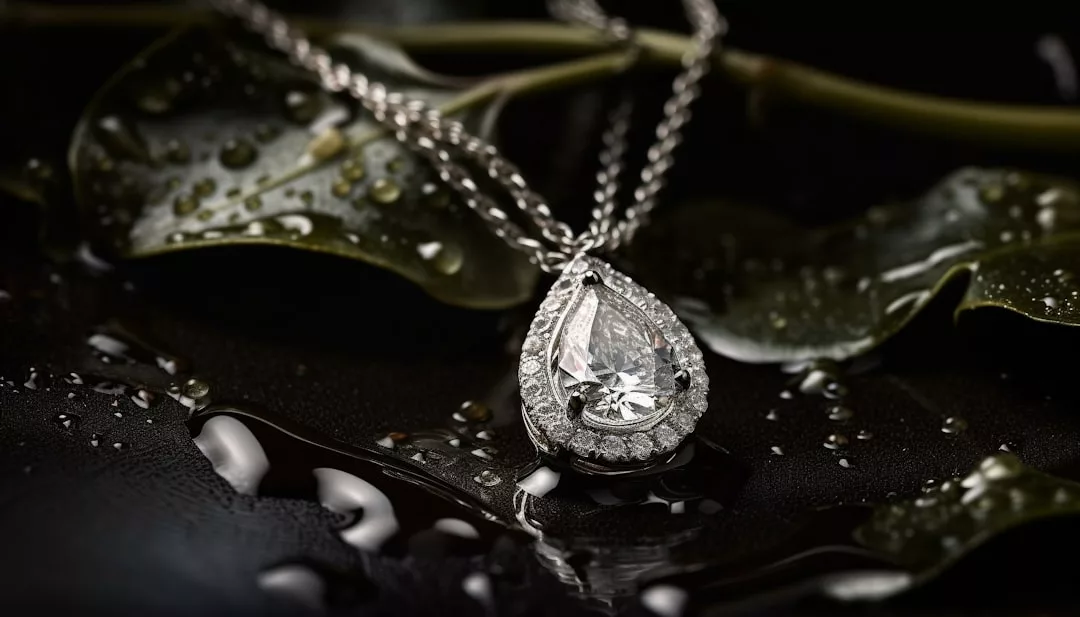
The history of exquisite fine jewelry is a tapestry woven with the threads of culture, artistry, and human expression. From the earliest civilizations, jewelry has served not only as adornment but also as a symbol of status, power, and identity. Ancient Egyptians, for instance, were among the first to craft intricate pieces using gold and precious stones, believing that these items would accompany them into the afterlife.
The use of lapis lazuli, turquoise, and carnelian in their jewelry was not merely decorative; it was imbued with spiritual significance, reflecting their beliefs in the divine and the afterlife. As time progressed, the art of jewelry-making evolved significantly across different cultures. In ancient Rome, jewelry became a status symbol among the elite, with designs that showcased intricate metalwork and the use of gemstones like emeralds and pearls.
The Renaissance period marked a turning point in fine jewelry, as artisans began to experiment with new techniques such as enameling and engraving. This era saw the rise of personalized pieces, where individuals commissioned unique designs that reflected their personal stories and social standing. The craftsmanship during this time laid the groundwork for modern fine jewelry, blending artistry with personal expression.
Key Takeaways
- Fine jewelry has a rich history dating back centuries, with intricate designs and craftsmanship.
- Crafting fine jewelry requires a high level of skill and attention to detail, often passed down through generations.
- Fine jewelry is a statement of elegance and sophistication, often symbolizing wealth and status.
- Popular gemstones in fine jewelry include diamonds, rubies, sapphires, emeralds, and pearls.
- Fine jewelry plays a significant role in special occasions such as weddings, anniversaries, and milestone celebrations.
The Art of Crafting Fine Jewelry
Crafting fine jewelry is an intricate art form that requires a blend of technical skill, creativity, and an understanding of materials. Jewelers often begin with a concept or design, which can be inspired by nature, architecture, or even abstract ideas. The process typically starts with sketching the design, followed by selecting the appropriate metals and gemstones.
Gold, platinum, and silver are common choices for metals due to their durability and aesthetic appeal. Each metal has its own unique properties; for instance, platinum is known for its strength and hypoallergenic qualities, making it a popular choice for engagement rings. Once the materials are selected, the jeweler moves on to the fabrication process.
This involves various techniques such as casting, soldering, and stone setting. Casting allows for intricate designs to be created by pouring molten metal into molds, while soldering is used to join different components together seamlessly. Stone setting is perhaps one of the most delicate aspects of jewelry-making; it requires precision to ensure that each gemstone is securely held in place while maximizing its brilliance.
The final stages involve polishing and finishing touches that enhance the piece’s overall appearance. This meticulous attention to detail is what distinguishes fine jewelry from mass-produced items.
The Significance of Fine Jewelry as a Statement of Elegance
Fine jewelry transcends mere decoration; it serves as a powerful statement of elegance and sophistication. Wearing exquisite pieces can elevate an outfit and convey a sense of confidence and poise. For many individuals, fine jewelry is not just an accessory but an extension of their personality and style.
A well-chosen piece can reflect one’s taste and values, making it an essential component of personal branding. For instance, a classic diamond necklace may signify timeless elegance, while a bold statement ring can showcase a more adventurous spirit. Moreover, fine jewelry often carries emotional significance.
Many pieces are passed down through generations as heirlooms, imbued with family history and memories. This connection to the past adds layers of meaning to the jewelry, transforming it into something far more valuable than its material worth. In contemporary society, fine jewelry continues to be associated with milestones such as engagements, weddings, and anniversaries, reinforcing its role as a symbol of love and commitment.
The emotional resonance of these pieces enhances their allure and cements their place in both personal and cultural narratives.
The Most Popular Gemstones in Fine Jewelry
Gemstones play a pivotal role in fine jewelry, each bringing its own unique beauty and symbolism to the pieces they adorn. Diamonds are perhaps the most iconic gemstone associated with fine jewelry, celebrated for their brilliance and durability. Often referred to as “a girl’s best friend,” diamonds are commonly used in engagement rings due to their association with love and commitment.
The Four Cs, cut, color, clarity, and carat weight, are essential factors that determine a diamond’s quality and value. Other popular gemstones include sapphires, rubies, and emeralds, each revered for their rich colors and historical significance. Sapphires are often associated with wisdom and nobility; their deep blue hue has adorned royalty for centuries.
Rubies, with their vibrant red tones, symbolize passion and vitality, making them a favored choice for statement pieces. Emeralds are cherished for their lush green color and are believed to bring harmony and balance to the wearer. Additionally, semi-precious stones like amethyst, aquamarine, and topaz have gained popularity in fine jewelry for their unique colors and affordability.
The Role of Fine Jewelry in Special Occasions
Fine jewelry plays an integral role in marking special occasions throughout life’s journey. From engagements to weddings and anniversaries, these pieces often serve as symbols of significant milestones. Engagement rings are perhaps the most recognized example; they represent a promise of love and commitment between partners.
The tradition of giving an engagement ring dates back centuries but gained prominence in the 20th century when De Beers launched its iconic marketing campaign promoting diamond rings as essential symbols of engagement. Weddings also see an array of fine jewelry being exchanged beyond just rings. Wedding bands are often chosen to complement engagement rings, creating a cohesive look that symbolizes unity.
Additionally, brides often wear necklaces or earrings that enhance their bridal attire, adding an extra touch of elegance on their special day. Anniversaries provide another opportunity for fine jewelry to shine; couples may choose to gift each other new pieces to commemorate their years together or celebrate milestones such as a 25th or 50th anniversary with traditional gifts like silver or gold.
The Influence of Fine Jewelry in Fashion
The intersection of fine jewelry and fashion is a dynamic relationship that has evolved over time.
Designers often collaborate with jewelers to create collections that showcase both clothing and accessories in harmony.
High-fashion runways frequently feature models adorned with exquisite pieces that elevate the overall aesthetic of the garments they wear.
This symbiotic relationship allows fine jewelry to be seen not just as an accessory but as an integral part of fashion statements. Moreover, celebrities play a significant role in influencing trends within the realm of fine jewelry. Red carpet events provide a platform for stars to showcase stunning pieces from renowned jewelers, often leading to increased demand for similar styles among the public.
Iconic moments in fashion history: such as Audrey Hepburn’s pearl necklace in “Breakfast at Tiffany’s”, have cemented certain pieces in popular culture, inspiring generations to seek out similar designs. As fashion continues to evolve, so too does the role of fine jewelry within it; contemporary trends often embrace bold designs and unconventional materials that challenge traditional notions of elegance.
The Process of Selecting Fine Jewelry
Selecting fine jewelry is a nuanced process that involves careful consideration of various factors including personal style, occasion, and budget. When choosing a piece, individuals often reflect on their own tastes, whether they prefer classic designs or more contemporary styles can significantly influence their selection. For instance, someone who favors timeless elegance may gravitate towards solitaire diamond rings or pearl earrings, while those with a penchant for modern aesthetics might opt for geometric designs or colorful gemstones.
Another critical aspect is understanding the significance behind certain pieces or gemstones. Many individuals choose jewelry based on personal meanings or cultural traditions; for example, birthstones are often selected for their connection to one’s birth month or astrological sign. Additionally, considering the occasion is paramount, engagements call for rings that symbolize commitment while anniversaries may warrant more personalized gifts that reflect shared experiences.
Ultimately, selecting fine jewelry is not merely about aesthetics; it is about finding pieces that resonate on a deeper level.
The Maintenance and Care of Fine Jewelry
Proper maintenance and care are essential for preserving the beauty and integrity of fine jewelry over time. Regular cleaning is crucial; dirt and oils from skin can accumulate on surfaces, dulling the shine of metals and gemstones alike. For most pieces, gentle cleaning with warm soapy water and a soft brush can effectively remove grime without causing damage.
However, certain gemstones require specific care; for instance, porous stones like opals should be cleaned with extra caution to avoid water damage. Storage also plays a vital role in maintaining fine jewelry’s condition. It is advisable to store pieces separately to prevent scratching or tangling; using soft pouches or lined boxes can help protect them from environmental factors such as humidity or extreme temperatures.
Additionally, periodic professional inspections can identify any potential issues such as loose stones or worn settings before they become significant problems. By investing time in care routines, owners can ensure that their fine jewelry remains as stunning as the day it was acquired.
The Investment Value of Fine Jewelry
Fine jewelry is often viewed not only as an accessory but also as an investment opportunity. Certain pieces can appreciate significantly over time due to factors such as rarity, craftsmanship, and market demand. High-quality diamonds and rare gemstones tend to hold their value well; collectors often seek out unique items that stand out in terms of design or provenance.
For instance, vintage pieces from renowned designers like Cartier or Van Cleef & Arpels can command high prices at auctions due to their historical significance. Moreover, the investment potential extends beyond just gemstones; precious metals like gold and platinum have intrinsic value that fluctuates based on market conditions. Investors may choose to acquire fine jewelry not only for personal enjoyment but also as part of a diversified investment portfolio.
However, it is essential for buyers to conduct thorough research before making significant purchases; understanding market trends and seeking expert advice can help ensure that investments yield favorable returns over time.
The Ethical and Sustainable Practices in Fine Jewelry
In recent years, there has been a growing awareness surrounding ethical sourcing and sustainable practices within the fine jewelry industry. Consumers are increasingly concerned about the origins of gemstones and metals used in their pieces; issues such as conflict diamonds have prompted calls for greater transparency in sourcing practices. As a result, many jewelers are now committed to ethical sourcing by ensuring that materials come from conflict-free zones or are recycled from existing sources.
Sustainability extends beyond sourcing; many jewelers are adopting eco-friendly practices throughout their production processes. This includes using recycled metals instead of newly mined ones and minimizing waste during manufacturing. Additionally, some brands are exploring lab-grown gemstones as an alternative to natural stones; these options offer consumers ethically sourced choices without compromising on quality or beauty.
By prioritizing ethical considerations in their practices, jewelers can cater to a growing demographic that values sustainability alongside luxury.
The Future of Exquisite Fine Jewelry
The future of exquisite fine jewelry appears poised for innovation while remaining rooted in tradition. As technology advances, new techniques such as 3D printing are revolutionizing how designers create intricate pieces with precision previously unattainable through traditional methods. This shift allows for greater customization options; consumers may soon have access to bespoke designs tailored specifically to their preferences without lengthy wait times.
Furthermore, the integration of technology into retail experiences is transforming how consumers engage with fine jewelry brands. Virtual try-on tools powered by augmented reality enable customers to visualize how pieces will look on them before making purchases online, a trend accelerated by the pandemic’s impact on shopping habits. As sustainability continues to be a priority for consumers worldwide, brands that embrace ethical practices will likely thrive in this evolving landscape.
In conclusion, while the future holds exciting possibilities for exquisite fine jewelry through technological advancements and sustainable practices, it will always remain an art form deeply intertwined with human emotion and expression.
More from Jewelry
Stylish Bar Jewelry: Elevate Your Look
Bar jewelry has emerged as a captivating trend in the world of accessories, captivating fashion enthusiasts and casual wearers alike. Characterized by…
Unlocking the Elegance of the Emerald Cut
The emerald cut has a rich and storied history that dates back to the 15th century, originating in the lapidary practices of the Spanish and Portugues…
Bangle: A Timeless Fashion Accessory
Bangle jewelry has a rich and diverse history that spans across various cultures and epochs. The origins of bangles can be traced back to ancient civi…