Jewelry · Jewelry
Exquisite Gemstone Jewelry: A Timeless Elegance
The history of gemstone jewelry is a rich tapestry woven through the ages, reflecting the evolution of human culture, artistry, and craftsmanship. The earliest known use of gemston…
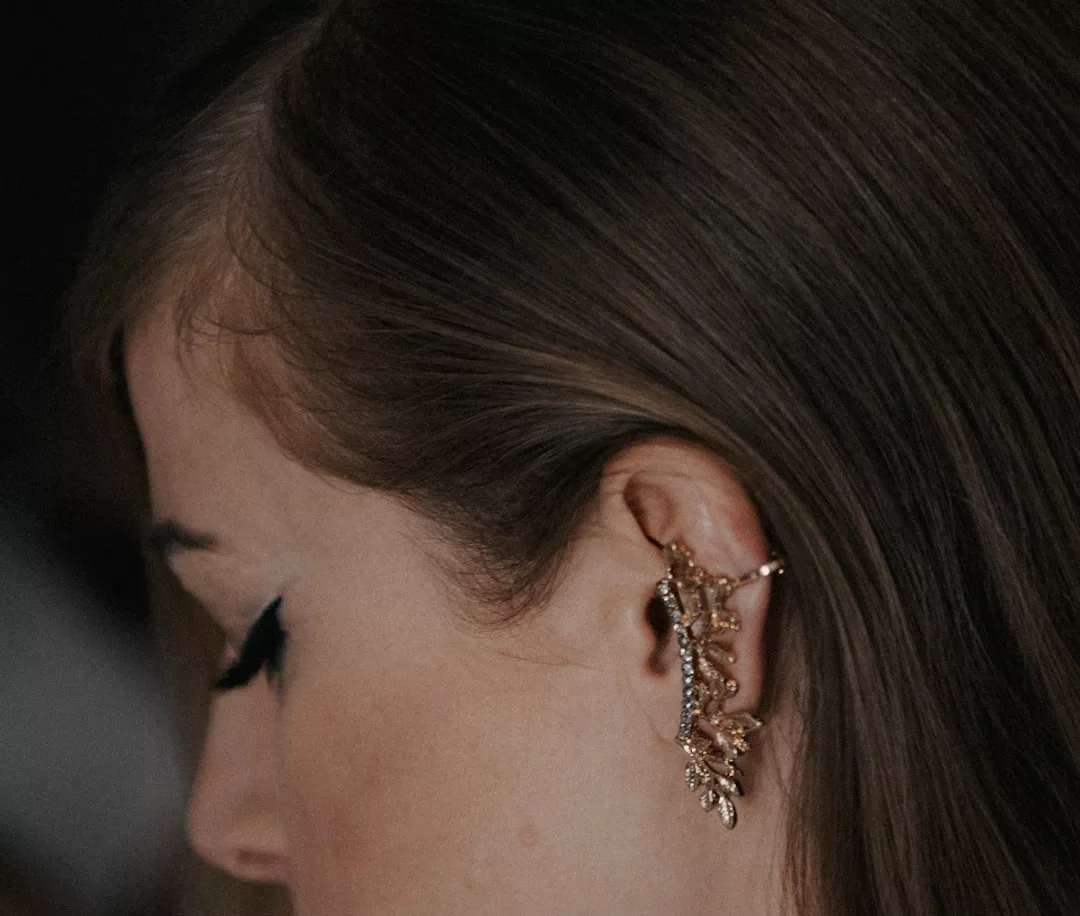
The history of gemstone jewelry is a rich tapestry woven through the ages, reflecting the evolution of human culture, artistry, and craftsmanship. The earliest known use of gemstones dates back to ancient civilizations, where they were not merely decorative but held significant spiritual and cultural importance. The Egyptians, for instance, adorned themselves with lapis lazuli, turquoise, and carnelian, believing these stones possessed protective and healing properties.
The famous burial mask of Tutankhamun, encrusted with a variety of gemstones, exemplifies how these materials were intertwined with beliefs about the afterlife and the divine. As time progressed, the use of gemstones in jewelry spread across various cultures. In ancient Rome, gemstones were used to signify status and wealth, with emperors and aristocrats donning elaborate pieces that showcased their power.
The Romans favored garnets, emeralds, and pearls, often set in intricate gold designs. The Middle Ages saw a shift in the perception of gemstones; they became symbols of piety and virtue, often incorporated into religious artifacts and ecclesiastical jewelry. By the Renaissance, gemstone jewelry had transformed into a form of artistic expression, with skilled artisans creating elaborate pieces that celebrated both nature and human creativity.
This period marked the beginning of modern elegance in gemstone jewelry, as techniques improved and designs became more sophisticated.
Key Takeaways
- Gemstone jewelry has a rich history dating back to ancient times, with evidence of its use in various cultures and traditions.
- Different cultures and traditions have attributed significance and meaning to specific gemstones, making them an integral part of their customs and beliefs.
- Crafting exquisite gemstone jewelry involves intricate techniques and processes, including cutting, polishing, and setting the stones to create stunning pieces.
- Popular gemstones such as diamonds, rubies, and sapphires hold deep meanings and symbolism, making them highly sought after in jewelry making.
- Vintage gemstone jewelry offers a timeless appeal, providing a glimpse into the past and showcasing the enduring beauty of these pieces.
The Significance of Gemstones in Different Cultures and Traditions
Gemstones have long been imbued with meaning across various cultures, often serving as symbols of power, protection, and prosperity. In Hinduism, for example, gemstones are believed to possess unique energies that can influence an individual’s fate. Each stone corresponds to a specific planet in Vedic astrology, and wearing the appropriate gemstone is thought to enhance one’s life by aligning with cosmic forces.
Rubies are associated with the sun and are believed to bring vitality and success, while sapphires are linked to Saturn and are thought to promote wisdom and discipline. In contrast, Native American cultures have historically viewed gemstones as sacred elements of the earth. Turquoise holds particular significance among many tribes; it is considered a stone of protection and healing.
Jewelry made from turquoise is often worn during ceremonies and rituals, symbolizing a connection to the earth and the spiritual world. Similarly, in Chinese culture, jade is revered not only for its beauty but also for its supposed ability to bring good fortune and harmony. The intricate carvings of jadeite and nephrite reflect deep cultural beliefs about balance and prosperity, making jade jewelry highly sought after as both adornment and talisman.
The Art of Crafting Exquisite Gemstone Jewelry: Techniques and Processes
The creation of exquisite gemstone jewelry is an intricate process that combines artistry with technical skill. Jewelers employ a variety of techniques to transform raw gemstones into stunning pieces of wearable art. One fundamental technique is faceting, which involves cutting the stone into specific shapes to enhance its brilliance and sparkle.
This process requires precision; even the slightest miscalculation can affect how light interacts with the stone. For instance, a well-faceted diamond can exhibit extraordinary fire and scintillation, captivating the eye with its brilliance. Another essential technique is setting, which involves securing gemstones into metal frameworks.
There are various setting styles, prong, bezel, pave, and channel settings, each offering a different aesthetic appeal and level of security for the stones. Prong settings allow maximum light exposure to the gemstone, enhancing its sparkle, while bezel settings provide a more modern look by encasing the stone in metal. The choice of setting can dramatically alter the overall appearance of a piece, showcasing the gem’s unique characteristics while ensuring durability.
The Most Popular Gemstones in Jewelry Making: Their Meanings and Symbolism
Among the myriad gemstones used in jewelry making, several have emerged as perennial favorites due to their beauty and symbolic meanings. Diamonds are perhaps the most iconic; often associated with love and commitment, they are a staple in engagement rings. Their hardness symbolizes strength and endurance, making them a fitting representation of lasting relationships.
Beyond their romantic connotations, diamonds also signify wealth and status, often seen as a mark of luxury. In many cultures, emeralds symbolize rebirth and renewal; they are believed to bring harmony and balance to relationships.
Historically, they were favored by royalty, Cleopatra was famously enamored with emeralds, and continue to be associated with luxury today. Sapphires, particularly blue ones, are revered for their deep color and are often linked to wisdom and nobility. In addition to their aesthetic appeal, sapphires have been believed to protect against envy and harm throughout history.
The Timeless Appeal of Vintage Gemstone Jewelry: A Look into the Past
Vintage gemstone jewelry holds a unique allure that transcends time, often telling stories of past eras through its design and craftsmanship. Pieces from the Victorian era (1837-1901) exemplify this charm; characterized by intricate detailing and romantic motifs, Victorian jewelry often featured gemstones like garnets and amethysts set in gold or silver.
Art Deco jewelry from the 1920s further showcases the evolution of style in gemstone adornment. This era embraced geometric shapes and bold colors, with gemstones like onyx, emeralds, and diamonds being used in striking combinations. The craftsmanship during this time was exceptional; artisans employed innovative techniques such as filigree work to create intricate designs that remain highly sought after today.
Vintage gemstone jewelry not only serves as a testament to historical craftsmanship but also appeals to modern sensibilities that value uniqueness and character.
Modern Trends in Gemstone Jewelry: How Contemporary Designs are Shaping the Industry
The landscape of gemstone jewelry has evolved significantly in recent years, influenced by contemporary design trends that prioritize individuality and sustainability. One notable trend is the rise of alternative engagement rings featuring non-traditional gemstones such as morganite or lab-created diamonds. These choices reflect a shift away from conventional norms toward more personalized expressions of love.
Couples are increasingly drawn to unique stones that resonate with their personal stories or values rather than adhering strictly to traditional diamond standards. Sustainability has also become a driving force in modern gemstone jewelry design. Consumers are more conscious than ever about ethical sourcing practices; they seek out jewelers who prioritize transparency in their supply chains.
This has led to an increase in the popularity of lab-grown gemstones, which offer an eco-friendly alternative without compromising on beauty or quality. Additionally, many designers are incorporating recycled materials into their creations, further aligning with contemporary values around sustainability.
The Importance of Ethical Sourcing and Sustainable Practices in Gemstone Mining
The conversation surrounding ethical sourcing in gemstone mining has gained momentum as consumers become more aware of the environmental and social implications associated with traditional mining practices. Many gemstones are sourced from regions where labor conditions can be exploitative or where mining operations may cause significant ecological damage. As a result, there is an increasing demand for ethically sourced stones that support fair labor practices and environmental stewardship.
Organizations such as the Responsible Jewellery Council (RJC) have emerged to promote responsible practices within the industry. They provide certification for jewelers who adhere to ethical sourcing standards, ensuring that consumers can make informed choices about their purchases. Additionally, initiatives like traceable supply chains allow consumers to know exactly where their gemstones come from, this transparency fosters trust between buyers and sellers while encouraging sustainable practices within mining communities.
How to Care for and Maintain Your Exquisite Gemstone Jewelry: Tips and Advice
Caring for gemstone jewelry is essential to preserve its beauty and longevity. Each type of gemstone has unique properties that require specific care techniques. For instance, softer stones like opals or pearls should be kept away from harsh chemicals or abrasive materials that could scratch or damage their surfaces.
Regular cleaning is crucial; using a soft cloth or a gentle soap solution can help maintain their luster without causing harm. Storage is another important aspect of jewelry care. Gemstones should be stored separately to prevent scratching; using soft pouches or lined boxes can help protect them from damage when not being worn.
Additionally, it’s advisable to remove gemstone jewelry before engaging in activities that could expose it to harsh conditions, such as swimming or exercising, to avoid unnecessary wear.
The Role of Gemstone Jewelry in Special Occasions and Celebrations
Gemstone jewelry has long been intertwined with special occasions and celebrations across cultures worldwide. Engagement rings adorned with diamonds symbolize commitment and love; they mark significant milestones in relationships that are often celebrated with great fanfare. Similarly, birthstones hold special meaning for individuals born in specific months; wearing one’s birthstone is believed to bring good luck and personal significance.
In many cultures, gemstones play a vital role in ceremonial events such as weddings or religious rites. For example, in Indian weddings, brides often wear elaborate gold jewelry set with precious stones like rubies or emeralds as part of their traditional attire, these pieces not only enhance beauty but also carry cultural significance that connects generations. Such traditions highlight how gemstone jewelry serves as both adornment and a means of celebrating life’s most cherished moments.
The Investment Value of Exquisite Gemstone Jewelry: Understanding the Market
Investing in exquisite gemstone jewelry can be both a passion project and a financial strategy for many collectors. The market for high-quality gemstones has shown resilience over time; certain stones like diamonds or rare colored gems tend to appreciate in value due to their limited supply and increasing demand among affluent buyers. Understanding market trends is crucial for potential investors; factors such as rarity, quality grading (cut, color clarity), and provenance can significantly influence a gemstone’s value.
Moreover, vintage pieces often carry additional investment potential due to their historical significance and craftsmanship quality, collectors may find that well-preserved vintage jewelry appreciates more rapidly than contemporary designs simply because they represent unique artistry from bygone eras. As consumers become more discerning about their purchases, favoring quality over quantity, the investment value of exquisite gemstone jewelry continues to grow.
The Future of Gemstone Jewelry: Innovations and New Directions in Design and Materials
The future of gemstone jewelry is poised for exciting innovations driven by advancements in technology and changing consumer preferences. One notable trend is the increasing use of lab-grown gemstones; these stones offer an ethical alternative without sacrificing beauty or durability. As technology continues to improve, lab-grown gems are becoming indistinguishable from their natural counterparts, this shift could redefine perceptions around value within the industry.
Additionally, designers are exploring new materials beyond traditional gemstones; synthetic alternatives made from recycled materials or innovative composites are gaining traction among eco-conscious consumers seeking unique pieces that reflect their values. Furthermore, advancements in 3D printing technology allow for unprecedented design possibilities, jewelers can create intricate patterns that were once impossible using traditional methods. As we look ahead at the future landscape of gemstone jewelry design, marked by sustainability initiatives alongside technological advancements, it becomes clear that this age-old craft will continue evolving while remaining deeply rooted in cultural significance and personal expression.
More in
More from Jewelry
Jewelry · 8 min
Stylish Bar Jewelry: Elevate Your Look
Bar jewelry has emerged as a captivating trend in the world of accessories, captivating fashion enthusiasts and casual wearers alike. Characterized by…
Jewelry · 9 min
Unlocking the Elegance of the Emerald Cut
The emerald cut has a rich and storied history that dates back to the 15th century, originating in the lapidary practices of the Spanish and Portugues…
Jewelry · 9 min
Bangle: A Timeless Fashion Accessory
Bangle jewelry has a rich and diverse history that spans across various cultures and epochs. The origins of bangles can be traced back to ancient civi…