Jewelry · Jewelry
Exquisite Opera Necklace: A Timeless Statement Piece
The opera necklace, a long strand of pearls or gemstones typically measuring 26 to 36 inches, has a rich history that intertwines with the evolution of jewelry and fashion. Its ori…
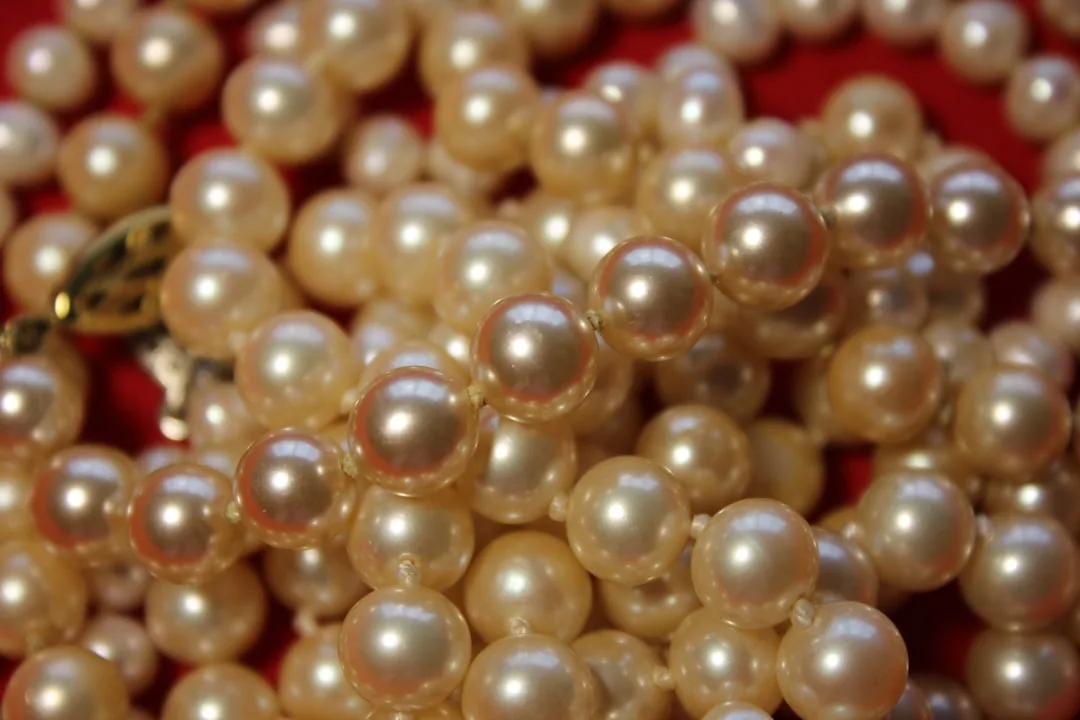
The opera necklace, a long strand of pearls or gemstones typically measuring 26 to 36 inches, has a rich history that intertwines with the evolution of jewelry and fashion. The term “opera necklace” itself is believed to have emerged from the practice of wearing these lengthy adornments to the opera, where they would drape gracefully over evening gowns, enhancing the wearer’s overall appearance.
This period marked a significant shift in jewelry design, as longer necklaces allowed for more versatility in styling and layering. As the 20th century approached, the opera necklace gained further prominence, particularly during the Art Deco movement. This era celebrated geometric shapes and bold designs, leading to the incorporation of various materials such as diamonds, sapphires, and emeralds into opera necklaces.
The opulence of these pieces reflected the changing social dynamics of the time, as women began to assert their independence and embrace fashion as a form of self-expression. The opera necklace became not just an accessory but a statement of individuality and status, often worn by the elite at high-society events.
Key Takeaways
- The opera necklace has a rich history dating back to the 17th century, when it was worn as a symbol of wealth and status by the elite.
- The opera necklace is a significant statement piece that exudes elegance and sophistication, making it a timeless accessory for formal events and special occasions.
- Opera necklaces are crafted using a variety of materials such as pearls, diamonds, and gemstones, and require meticulous craftsmanship to achieve their exquisite designs.
- The opera necklace can be styled in different ways to suit various occasions, from pairing it with a gown for a formal event to layering it with other necklaces for a more casual look.
- Famous figures such as Audrey Hepburn and Elizabeth Taylor have been known to adorn themselves with opera necklaces, further cementing its status as a symbol of luxury and glamour.
The Significance of the Opera Necklace as a Statement Piece
The opera necklace transcends mere adornment; it serves as a powerful statement piece that conveys a sense of sophistication and style. This versatility makes it an ideal choice for women who wish to express their personal style while maintaining an air of classic elegance.
The opera necklace can transform an ordinary outfit into something extraordinary, drawing attention and admiration from onlookers. Moreover, the opera necklace often carries with it a sense of history and tradition. Many pieces are passed down through generations, becoming cherished family heirlooms that tell stories of love, celebration, and milestones.
Wearing an opera necklace can evoke feelings of nostalgia and connection to one’s heritage, making it not just a fashion accessory but a symbol of identity and legacy. In this way, the opera necklace stands as a testament to the enduring nature of style and the personal narratives woven into each piece.
Materials and Craftsmanship of the Exquisite Opera Necklace
The craftsmanship behind opera necklaces is a blend of artistry and precision, often involving skilled artisans who dedicate hours to creating each piece. Traditional opera necklaces are frequently made from pearls, which have long been associated with purity and elegance. The luster of pearls can vary significantly based on their origin, Akoya, South Sea, and Tahitian pearls each offer unique characteristics that contribute to the overall aesthetic of the necklace.
For instance, South Sea pearls are known for their large size and creamy hues, while Tahitian pearls are celebrated for their dark, exotic colors. In addition to pearls, many opera necklaces incorporate precious gemstones such as diamonds, rubies, and sapphires. The combination of these materials not only enhances the visual appeal but also elevates the value of the piece.
The setting of these stones requires meticulous attention to detail; each gem must be securely placed to ensure durability while maximizing its brilliance. Contemporary designers often experiment with unconventional materials like leather or fabric to create modern interpretations of the classic opera necklace, showcasing their creativity while honoring traditional craftsmanship.
How to Style the Opera Necklace for Different Occasions
Styling an opera necklace can be an exciting endeavor, as its versatility allows it to complement a wide range of outfits for various occasions. For formal events such as galas or weddings, pairing an opera necklace with an elegant evening gown can create a stunning look. The length of the necklace draws attention to the neckline and collarbone, making it an ideal choice for strapless or off-the-shoulder dresses.
Adding matching earrings or a bracelet can further enhance the ensemble without overwhelming it. On the other hand, for casual outings or daytime events, an opera necklace can be styled in a more relaxed manner. Layering it with shorter necklaces or mixing different textures can create a bohemian vibe that is both chic and effortless.
Pairing it with a simple blouse and tailored trousers allows the necklace to stand out as the focal point of the outfit. Additionally, wearing it over a turtleneck or high-collared shirt can add an unexpected twist to a classic look, showcasing its adaptability across different fashion styles.
Famous Figures Who Have Worn Opera Necklaces
Throughout history, numerous iconic figures have donned opera necklaces, further solidifying their status as timeless fashion statements. One notable example is actress Audrey Hepburn, who famously wore a stunning pearl opera necklace in the classic film “Breakfast at Tiffany’s.” This particular piece became synonymous with Hepburn’s character Holly Golightly and has since inspired countless fashion enthusiasts to embrace the elegance of opera necklaces in their own wardrobes. Another prominent figure is First Lady Jacqueline Kennedy Onassis, who was often seen wearing opera-length pearl necklaces during her public appearances.
Her sophisticated style set trends that resonated with women across America and beyond. The way she paired these necklaces with tailored suits and elegant dresses showcased their versatility and ability to elevate any outfit. These examples illustrate how opera necklaces have been embraced by influential women throughout history, reinforcing their status as symbols of grace and refinement.
The Symbolism of the Opera Necklace in Different Cultures
The opera necklace carries various meanings across different cultures, often symbolizing wealth, status, and femininity. In Western cultures, pearls have long been associated with purity and innocence, making them a popular choice for bridal jewelry. The opera necklace’s length adds an element of sophistication that aligns with traditional views of femininity, graceful yet assertive.
In this context, wearing an opera necklace can signify not only personal style but also adherence to cultural norms surrounding beauty and elegance. In contrast, in some Eastern cultures, necklaces made from gemstones are believed to possess protective qualities or bring good fortune to the wearer. For instance, in Indian culture, certain gemstones are associated with specific astrological signs and are worn to enhance positive energies in one’s life.
An opera necklace adorned with such stones may carry deeper significance beyond aesthetics; it can serve as a talisman that connects the wearer to their cultural heritage and spiritual beliefs.
The Evolution of the Opera Necklace in Fashion
The evolution of the opera necklace reflects broader trends in fashion over the decades. In the early 20th century, these necklaces were often worn by high-society women as symbols of wealth and refinement. As fashion evolved through the mid-century modern era, designers began experimenting with materials and styles that challenged traditional norms.
The introduction of costume jewelry allowed more women to access elegant designs without breaking the bank, leading to a surge in popularity for opera necklaces made from less expensive materials. By the late 20th century and into the 21st century, the opera necklace underwent yet another transformation as fashion became increasingly inclusive and diverse. Contemporary designers began incorporating unconventional elements such as mixed metals or colorful beads into their designs, appealing to younger generations seeking unique expressions of style.
This evolution has allowed the opera necklace to remain relevant in modern fashion while still honoring its classic roots.
The Popularity of the Opera Necklace in Modern Times
In recent years, there has been a resurgence in interest surrounding opera necklaces as fashion trends lean towards vintage-inspired aesthetics. Social media platforms like Instagram and Pinterest have played significant roles in this revival by showcasing how influencers and celebrities style these pieces in fresh ways. The ability to layer opera necklaces with other jewelry has become particularly popular among fashion-forward individuals looking to create personalized looks that reflect their unique tastes.
Moreover, sustainability has become a key consideration for modern consumers when choosing jewelry. Many contemporary designers are now focusing on ethically sourced materials and sustainable practices in their creations. This shift has led to an increase in demand for handmade or vintage opera necklaces that tell a story while aligning with eco-conscious values.
As consumers seek out pieces that resonate with their beliefs about sustainability and individuality, the opera necklace continues to thrive in today’s fashion landscape.
Tips for Caring and Maintaining an Opera Necklace
Caring for an opera necklace is essential to preserving its beauty and longevity. Regular cleaning is crucial; pearls should be wiped gently with a soft cloth after each wear to remove any oils or dirt that may accumulate on their surface. It is advisable to avoid exposing pearls to harsh chemicals found in perfumes or cleaning products, as these can damage their luster over time.
For gemstone-studded opera necklaces, using a mild soap solution and soft brush can help maintain their sparkle without scratching delicate surfaces. Storage is another important aspect of maintaining an opera necklace’s condition. It is best to keep these pieces in a soft pouch or lined jewelry box to prevent scratches or tangling with other items.
Avoid hanging them on hooks or placing them in areas where they may be exposed to direct sunlight or extreme temperatures, which can affect both pearls and gemstones adversely. By following these care tips diligently, wearers can ensure that their opera necklaces remain stunning for years to come.
How to Choose the Perfect Opera Necklace for Your Personal Style
Selecting the ideal opera necklace involves considering various factors that align with one’s personal style and preferences. First and foremost is material choice; whether opting for classic pearls or vibrant gemstones can significantly influence how the piece complements your wardrobe. For those who favor timeless elegance, a simple strand of white pearls may be ideal; however, individuals looking for something bolder might prefer colorful gemstones or unique designs that reflect their personality.
Additionally, consider how you plan to wear the necklace: will it be primarily for formal occasions or everyday use? This decision can guide you toward selecting a piece that balances both aesthetics and practicality. Pay attention to details such as clasp design and length; some may prefer adjustable options for versatility while others might seek out fixed lengths that suit specific outfits best.
Ultimately, choosing an opera necklace should be an enjoyable process that reflects your individuality while enhancing your overall style.
The Timelessness of the Opera Necklace as a Fashion Accessory
The enduring appeal of the opera necklace lies in its ability to transcend fleeting fashion trends while remaining relevant across generations. Its classic design allows it to seamlessly integrate into various styles, from vintage-inspired ensembles to modern minimalist looks, making it a versatile addition to any jewelry collection. Unlike many accessories that may fall out of favor over time, the opera necklace retains its status as a symbol of elegance and sophistication.
Moreover, its adaptability ensures that it can be styled in countless ways depending on personal taste or occasion. Whether worn alone for understated elegance or layered with other pieces for a more eclectic look, the opera necklace continues to inspire creativity among fashion enthusiasts worldwide. As new generations discover this timeless accessory’s charm and versatility, its legacy as a cherished piece within jewelry history remains firmly intact.
More in
More from Jewelry
Jewelry · 8 min
Stylish Bar Jewelry: Elevate Your Look
Bar jewelry has emerged as a captivating trend in the world of accessories, captivating fashion enthusiasts and casual wearers alike. Characterized by…
Jewelry · 9 min
Unlocking the Elegance of the Emerald Cut
The emerald cut has a rich and storied history that dates back to the 15th century, originating in the lapidary practices of the Spanish and Portugues…
Jewelry · 9 min
Bangle: A Timeless Fashion Accessory
Bangle jewelry has a rich and diverse history that spans across various cultures and epochs. The origins of bangles can be traced back to ancient civi…