Jewelry · Jewelry
Fine Jewelry Guide: Investing in Precious Stones with Style
The allure of precious stones has captivated humanity for centuries, serving not only as adornments but also as symbols of wealth, power, and status. Their intrinsic value is deriv…
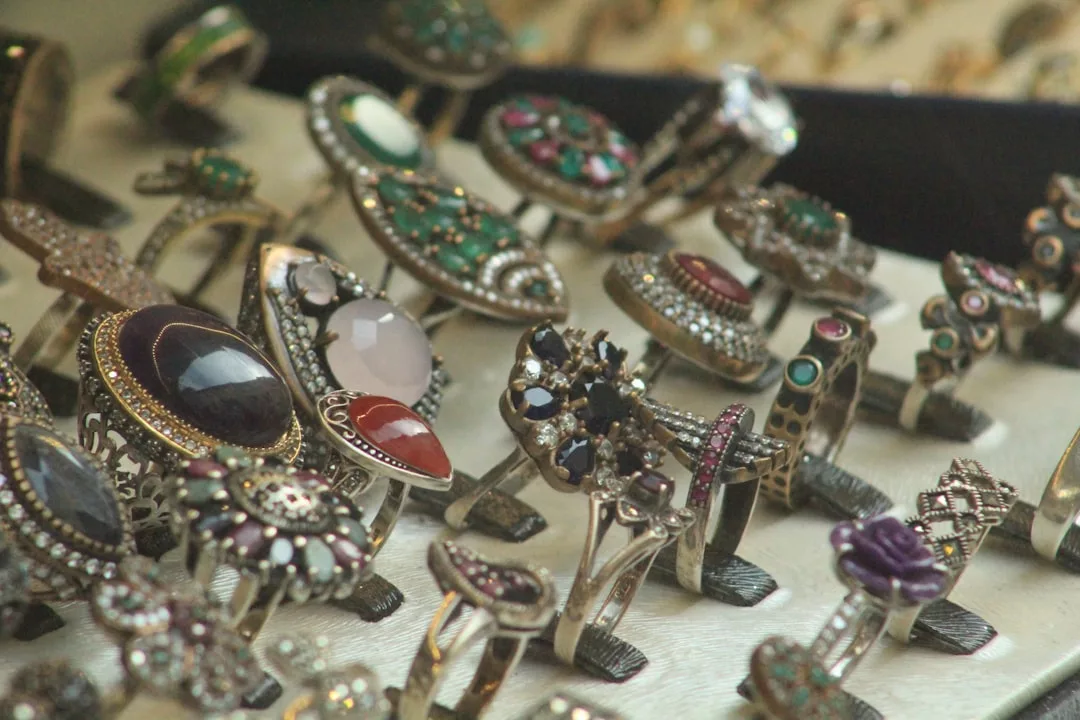
The allure of precious stones has captivated humanity for centuries, serving not only as adornments but also as symbols of wealth, power, and status. Their intrinsic value is derived from a combination of rarity, beauty, and the cultural significance attached to them. Precious stones, such as diamonds, rubies, sapphires, and emeralds, have been sought after for their unique properties and the emotions they evoke.
The value of these stones is not merely a reflection of their physical characteristics but also the stories and histories they carry. For instance, the Hope Diamond, with its deep blue hue and storied past, is worth millions not just for its size and color but also for the legends surrounding it. Moreover, the market for precious stones is influenced by various factors including supply and demand dynamics, economic conditions, and even fashion trends.
As certain stones become more desirable due to their rarity or the influence of celebrities and designers, their value can skyrocket. The emotional connection people have with these stones also plays a significant role in their valuation. For many, a diamond engagement ring symbolizes love and commitment, while a family heirloom gemstone may carry memories and stories that transcend generations.
Thus, understanding the value of precious stones requires a multifaceted approach that considers both tangible and intangible elements.
Key Takeaways
- Precious stones hold both monetary and sentimental value, making them a popular choice for investment and heirlooms.
- The Four Cs (Cut, Color, Clarity, and Carat) are crucial factors to consider when evaluating the quality and value of precious stones.
- Diamonds are the most sought-after precious stones for investment due to their rarity and enduring appeal.
- Colored gemstones like rubies, sapphires, and emeralds offer a unique allure and are increasingly popular in fine jewelry.
- Rare and unique stones such as alexandrite and paraiba tourmaline are highly prized for their scarcity and distinctive beauty.
The Four Cs of Precious Stones: Cut, Color, Clarity, and Carat
When evaluating precious stones, particularly diamonds, the Four Cs, Cut, Color, Clarity, and Carat, serve as the fundamental criteria for assessing quality and value. The cut of a stone refers to how well it has been shaped and faceted, which directly impacts its brilliance and sparkle. A well-cut diamond reflects light beautifully, creating a dazzling effect that can elevate its perceived value significantly.
For example, a round brilliant cut is renowned for its ability to maximize light return, making it one of the most popular choices among consumers. Color is another critical factor in determining a stone’s worth. In diamonds, color grading ranges from D (colorless) to Z (light yellow or brown), with colorless stones being the most sought after.
However, in colored gemstones like sapphires or emeralds, vibrant hues can enhance value. A deep blue sapphire is often more valuable than a lighter shade due to its rarity and desirability. Clarity refers to the presence of internal or external flaws known as inclusions or blemishes.
Stones with fewer imperfections are generally more valuable; for instance, a flawless diamond can command a premium price compared to one with visible inclusions. Lastly, carat weight measures the size of the stone; larger stones are rarer and thus more valuable. However, it’s essential to remember that the other Cs can significantly influence a stone’s overall worth.
Investing in Diamonds: The Most Sought-After Precious Stone
Diamonds have long been regarded as the quintessential precious stone for investment purposes. Their enduring popularity is fueled by their association with love and commitment, particularly in engagement rings. However, beyond their romantic connotations, diamonds represent a solid investment opportunity due to their historical price stability and potential for appreciation over time.
The global diamond market is vast, with demand consistently outpacing supply in many segments. This imbalance creates an environment where well-chosen diamonds can appreciate significantly in value. Investing in diamonds requires careful consideration of various factors including quality, market trends, and certification.
High-quality diamonds that score well on the Four Cs are more likely to retain their value or appreciate over time. Additionally, market trends can influence investment decisions; for instance, certain cuts or colors may become more fashionable, driving up demand and prices. Certification from reputable gemological laboratories adds an extra layer of assurance for investors.
Certificates provide detailed information about a diamond’s characteristics and authenticity, making them essential for anyone looking to invest in this precious stone.
The Allure of Colored Gemstones: Rubies, Sapphires, and Emeralds
While diamonds often steal the spotlight in discussions about precious stones, colored gemstones like rubies, sapphires, and emeralds possess their own unique allure that captivates collectors and jewelry enthusiasts alike. Rubies are celebrated for their vibrant red hue, which symbolizes passion and love. The most valuable rubies exhibit a deep red color known as “pigeon blood,” which can command prices that rival those of high-quality diamonds.
The rarity of fine rubies adds to their appeal; they are often found in limited quantities compared to other gemstones. Sapphires are another popular choice among colored gemstones, known for their stunning blue shades but also available in a variety of colors including pink, yellow, and green. The Kashmir sapphire is particularly coveted due to its velvety blue color and historical significance.
Emeralds are prized for their rich green color and are often associated with fertility and rebirth. The finest emeralds come from Colombia and exhibit a deep green hue with minimal inclusions. Collectors often seek out these gemstones not only for their beauty but also for their investment potential; as demand increases and supply diminishes, the value of high-quality colored gemstones continues to rise.
The Appeal of Rare and Unique Stones: From Alexandrite to Paraiba Tourmaline
In addition to traditional precious stones like diamonds and colored gemstones such as rubies and sapphires, there exists a fascinating world of rare and unique stones that capture the imagination of collectors and investors alike. Alexandrite is one such stone known for its remarkable color-changing properties; it appears green in daylight but shifts to a purplish-red under incandescent light. This unique characteristic makes it highly sought after among gem enthusiasts.
Due to its rarity, especially in larger sizes, fine alexandrite can fetch astronomical prices at auctions. Paraiba tourmaline is another rare gemstone that has gained significant attention in recent years due to its vibrant neon blue color caused by trace amounts of copper. Discovered in Brazil in the late 1980s, this gemstone quickly became a sensation among collectors and jewelers alike.
Its scarcity, only found in specific regions, combined with its striking appearance has led to skyrocketing prices in the market. Collectors often seek out these unique stones not only for their beauty but also for their potential as investment pieces; as awareness grows about these rare gems, their value continues to rise.
Choosing the Right Setting for Your Precious Stone: Gold, Platinum, or Silver
Selecting the right setting for a precious stone is crucial not only for aesthetic appeal but also for ensuring the longevity of the piece. The choice of metal can significantly influence both the appearance and durability of jewelry. Gold remains one of the most popular choices due to its timeless appeal and versatility; it comes in various colors including yellow, white, and rose gold.
Yellow gold offers a classic look that complements many gemstones beautifully while white gold provides a modern touch that enhances the brilliance of diamonds. Many high-end jewelry pieces feature platinum settings due to their luxurious appearance and ability to hold stones securely over time.
Silver is often chosen for its affordability and contemporary look; however, it may require more maintenance than gold or platinum due to its tendency to tarnish. Ultimately, the choice of setting should reflect personal style while considering practical aspects such as durability and maintenance.
Customizing Your Jewelry: Working with a Designer for a Unique Piece
The trend toward customization in jewelry design has gained momentum as individuals seek to express their unique personalities through one-of-a-kind pieces. Working with a designer allows clients to create custom jewelry that reflects their personal style while incorporating meaningful elements such as birthstones or engravings. This process often begins with consultations where clients discuss their vision, preferences regarding materials, and budget considerations.
Designers can offer invaluable insights into current trends while also providing guidance on how best to achieve the desired look within budget constraints. For instance, if someone wishes to incorporate an heirloom gemstone into a new design, a skilled designer can suggest settings that enhance its beauty while ensuring it remains secure. Custom pieces not only serve as stunning accessories but also carry sentimental value; they become cherished items that tell personal stories through their design elements.
Caring for Your Precious Stones: Cleaning and Maintenance Tips
Proper care and maintenance are essential for preserving the beauty and longevity of precious stones. Each type of gemstone may require different cleaning methods based on its hardness and composition. For instance, diamonds are incredibly durable but can still accumulate dirt and oils from everyday wear; regular cleaning with warm soapy water and a soft brush can help restore their brilliance.
It’s advisable to avoid harsh chemicals or ultrasonic cleaners that may damage certain stones. Colored gemstones often require more delicate handling; softer stones like opals or pearls should be cleaned gently with a damp cloth rather than submerged in water. Additionally, storing jewelry properly can prevent scratches or damage; using soft pouches or separate compartments within jewelry boxes can help maintain each piece’s integrity over time.
Regular inspections by a professional jeweler can also ensure that settings remain secure and any necessary repairs are addressed promptly.
The Role of Certification and Appraisals in Fine Jewelry Investing
In the realm of fine jewelry investing, certification plays a pivotal role in establishing authenticity and value. Reputable gemological laboratories provide certificates that detail essential information about a gemstone’s characteristics such as cut, color grade, clarity grade, and carat weight. These documents serve as proof of quality when buying or selling jewelry; they instill confidence in both buyers and sellers regarding the stone’s legitimacy.
Appraisals are equally important as they provide an estimated market value based on current trends and comparable sales data. Investors should seek appraisals from certified professionals who possess expertise in gemstones; this ensures accurate assessments that reflect true market conditions. Having both certification documents and appraisals on hand not only aids in making informed investment decisions but also protects against potential fraud or misrepresentation in transactions.
Trends in Fine Jewelry: From Vintage to Modern Designs
The world of fine jewelry is ever-evolving, influenced by cultural shifts, technological advancements, and changing consumer preferences. Vintage designs have seen a resurgence in popularity as many individuals seek unique pieces with historical significance; Art Deco styles featuring geometric patterns or Victorian-era designs characterized by intricate detailing appeal to those who appreciate craftsmanship from bygone eras. Vintage jewelry often carries stories that resonate with wearers on an emotional level.
Conversely, modern designs tend toward minimalism with clean lines and innovative materials gaining traction among younger consumers seeking contemporary aesthetics. Designers are increasingly experimenting with unconventional shapes or mixed materials such as resin combined with traditional metals like gold or silver; this fusion creates striking pieces that stand out in today’s market. As trends continue to shift between vintage charm and modern flair, consumers have an abundance of options when selecting fine jewelry that aligns with their personal style.
The Emotional and Sentimental Value of Fine Jewelry: Passing Down Heirlooms
Fine jewelry often transcends mere aesthetics or investment potential; it carries deep emotional significance that connects generations through shared memories and experiences. Heirloom pieces passed down from parents or grandparents serve as tangible links to family history; they embody stories of love, commitment, celebration, or even loss that resonate deeply within families over time. For many individuals receiving such gifts represents not just an inheritance but also an opportunity to honor those who came before them.
The act of passing down jewelry can create lasting bonds between generations; it fosters conversations about family heritage while instilling values related to craftsmanship appreciation or personal expression through adornment choices made by previous owners. As society becomes increasingly aware of sustainability issues surrounding fast fashion trends, where items are discarded after short periods, investing in quality heirloom pieces offers an alternative narrative rooted in longevity rather than disposability.
FAQs
What are precious stones?
Precious stones are rare and valuable gemstones that are often used in jewelry. Examples of precious stones include diamonds, rubies, sapphires, and emeralds.What factors should be considered when investing in precious stones?
When investing in precious stones, it is important to consider factors such as the stone’s quality, rarity, and market demand. Additionally, factors such as the stone’s cut, color, clarity, and carat weight can also impact its value.What are the most popular precious stones for investment?
Diamonds are the most popular precious stones for investment due to their enduring value and market demand. Other popular precious stones for investment include rubies, sapphires, and emeralds.How can I ensure the authenticity of precious stones?
To ensure the authenticity of precious stones, it is important to purchase them from reputable and certified jewelers. Additionally, obtaining a gemstone certificate from a recognized gemological laboratory can provide assurance of a stone’s authenticity.What are some tips for styling fine jewelry with precious stones?
When styling fine jewelry with precious stones, it is important to consider the occasion and personal style. For a more formal look, consider pairing precious stone jewelry with elegant evening wear. For a more casual look, consider mixing and matching precious stone jewelry with everyday outfits.More in
More from Jewelry
Jewelry · 8 min
Stylish Bar Jewelry: Elevate Your Look
Bar jewelry has emerged as a captivating trend in the world of accessories, captivating fashion enthusiasts and casual wearers alike. Characterized by…
Jewelry · 9 min
Unlocking the Elegance of the Emerald Cut
The emerald cut has a rich and storied history that dates back to the 15th century, originating in the lapidary practices of the Spanish and Portugues…
Jewelry · 9 min
Bangle: A Timeless Fashion Accessory
Bangle jewelry has a rich and diverse history that spans across various cultures and epochs. The origins of bangles can be traced back to ancient civi…