News · News
Growing Green: Urban Gardening Tips for City Dwellers
Selecting the appropriate plants for urban gardening is a critical first step that can significantly influence the success of your green space. Urban environments often present uni…
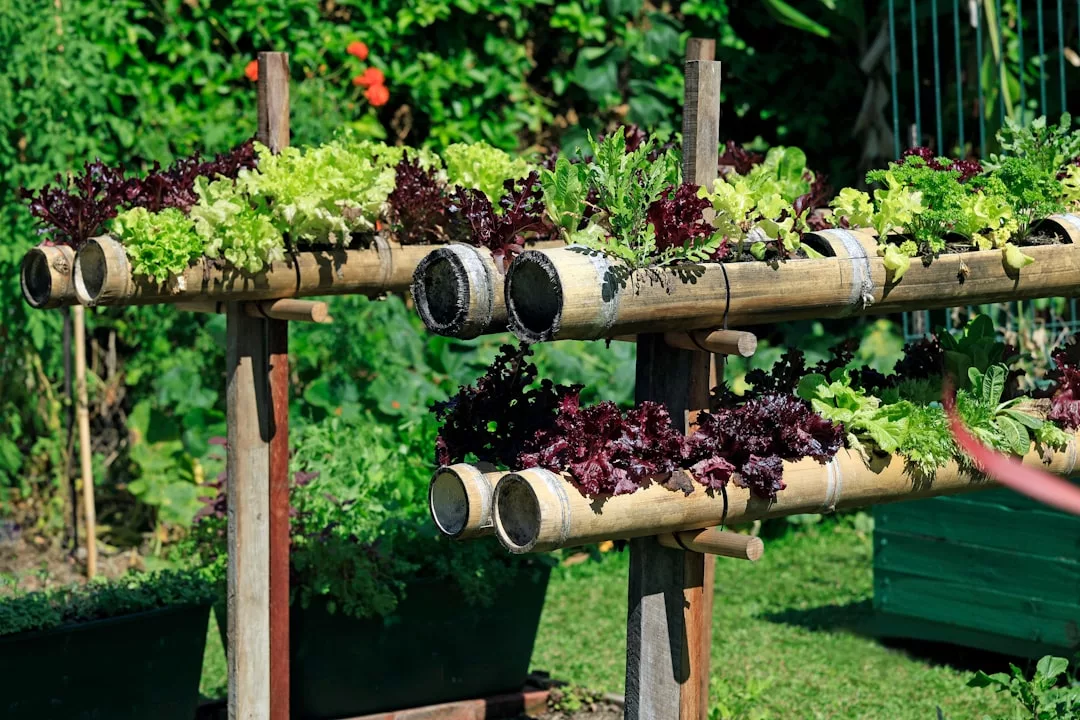
Selecting the appropriate plants for urban gardening is a critical first step that can significantly influence the success of your green space. Urban environments often present unique challenges, such as limited space, varying light conditions, and soil quality issues. Therefore, it is essential to choose plants that are well-suited to these conditions.
For instance, herbs like basil, mint, and chives thrive in smaller spaces and can be grown in containers or window boxes. Additionally, many leafy greens, such as spinach and lettuce, have shallow root systems, making them ideal for urban gardens where soil depth may be limited. Moreover, native plants can be an excellent choice for urban gardening.
These species are adapted to the local climate and soil conditions, requiring less water and maintenance than non-native varieties. For example, in a city like New York, plants such as black-eyed Susans and coneflowers not only add beauty but also attract pollinators like bees and butterflies. When selecting plants, consider their growth habits, such as whether they spread or grow tall, to ensure they fit well within your available space without overcrowding other plants.
Key Takeaways
- Choose plants that are suitable for urban gardening, such as herbs, vegetables, and dwarf fruit trees.
- Utilize vertical space by using hanging planters, trellises, and wall-mounted containers to maximize space in small gardens.
- Make the most of limited sunlight by selecting shade-tolerant plants and positioning containers in the sunniest spots available.
- Use container gardening to grow plants in limited space, such as balconies, patios, and rooftops.
- Incorporate edible plants into urban gardens to enjoy fresh produce and herbs while maximizing space and resources.
Utilizing Vertical Space for Small Gardens
In urban gardening, where ground space is often at a premium, vertical gardening techniques can be a game-changer. By utilizing walls, fences, and other vertical structures, gardeners can maximize their planting area without expanding their footprint. Vertical gardens can be created using a variety of methods, including wall-mounted planters, trellises, and even repurposed materials like pallets or old ladders.
Climbing plants such as peas, beans, and cucumbers can be trained to grow upwards, freeing up ground space for other crops. Additionally, vertical gardening not only increases planting area but also enhances the aesthetic appeal of urban spaces. A well-designed vertical garden can serve as a living art installation, transforming bare walls into vibrant green canvases.
For instance, a vertical herb garden on a kitchen wall can provide fresh ingredients while also serving as an attractive feature. Furthermore, vertical gardens can improve air quality and provide insulation for buildings, contributing to a healthier urban environment.
Making the Most of Limited Sunlight
Urban gardens often contend with limited sunlight due to tall buildings and narrow streets that block direct light. However, there are strategies to maximize the available sunlight for your plants. First, it is crucial to assess the sunlight patterns in your garden throughout the day.
Observing how shadows move can help you identify the best spots for sun-loving plants. For example, placing sunflowers or tomatoes in areas that receive at least six hours of direct sunlight can significantly enhance their growth. In addition to strategic placement, selecting shade-tolerant plants is essential for areas that receive limited sunlight.
Varieties such as ferns, hostas, and certain types of lettuce thrive in partial shade and can still produce a bountiful harvest. Moreover, using reflective surfaces like mirrors or light-colored walls can help bounce light into darker areas of your garden. This creative approach can make a significant difference in plant health and productivity.
Using Container Gardening for Limited Space
Container gardening is an ideal solution for urban dwellers with limited outdoor space. By using pots, planters, or even recycled containers, gardeners can create a flexible and mobile garden that fits their lifestyle. One of the primary advantages of container gardening is the ability to control soil quality and drainage more effectively than in traditional garden beds.
This is particularly beneficial in urban areas where soil contamination may be a concern. When choosing containers, it is essential to consider the size and material.
Materials such as terracotta or ceramic offer aesthetic appeal but may require more frequent watering due to their porous nature. Additionally, incorporating self-watering systems can help maintain consistent moisture levels for your plants. Container gardening also allows for easy relocation; if a particular spot isn’t working out due to light conditions or other factors, you can simply move your containers to a more suitable location.
Incorporating Edible Plants into Urban Gardens
Integrating edible plants into urban gardens not only enhances the aesthetic value but also promotes sustainability and self-sufficiency. Growing your own fruits, vegetables, and herbs can significantly reduce grocery bills while providing fresh produce right at your doorstep. Common choices for urban edible gardens include tomatoes, peppers, strawberries, and various herbs like rosemary and thyme.
These plants are often well-suited for container gardening and can thrive in limited spaces. Moreover, incorporating edible plants into ornamental landscapes creates a visually appealing blend of beauty and functionality. For instance, planting edible flowers like nasturtiums or pansies not only adds color but also provides culinary uses in salads or as garnishes.
Additionally, community gardens often emphasize the importance of growing food locally, fostering a sense of community while promoting healthy eating habits among urban residents.
Implementing Sustainable Practices in Urban Gardening
Sustainability is a vital consideration in urban gardening practices. Implementing eco-friendly techniques not only benefits the environment but also enhances the overall health of your garden. One effective method is composting kitchen scraps and yard waste to create nutrient-rich soil amendments.
This practice reduces landfill waste while providing essential nutrients to your plants. Many urban gardeners utilize small compost bins or worm composting systems (vermicomposting) that fit neatly into limited spaces. Another sustainable practice involves using organic pest control methods instead of chemical pesticides.
Techniques such as companion planting, where certain plants are grown together to deter pests, can be highly effective. For example, planting marigolds alongside vegetables can help repel aphids and nematodes. Additionally, attracting beneficial insects like ladybugs and lacewings through diverse planting can naturally manage pest populations without harming the ecosystem.
Managing Pests and Diseases in Urban Gardens
Urban gardens are not immune to pests and diseases; however, proactive management strategies can help mitigate these issues effectively. Regular monitoring of plants for signs of distress is crucial in catching problems early on. Common pests such as aphids, spider mites, and whiteflies can quickly infest plants if left unchecked.
Employing physical barriers like row covers or insect netting can provide an effective defense against these pests while allowing sunlight and rain to reach your plants. In addition to physical barriers, maintaining plant health through proper watering and fertilization practices can enhance resilience against diseases. Overcrowding plants can lead to poor air circulation and increased humidity levels, conditions that favor fungal diseases like powdery mildew.
Therefore, ensuring adequate spacing between plants is essential for promoting airflow and reducing disease risk. Furthermore, practicing crop rotation in community gardens helps prevent soil-borne diseases from establishing themselves over time.
Maximizing Water Efficiency in Urban Gardening
Water efficiency is a critical aspect of urban gardening due to the potential scarcity of water resources in densely populated areas. Implementing smart irrigation practices can significantly reduce water waste while ensuring that plants receive adequate moisture. Drip irrigation systems are particularly effective as they deliver water directly to the plant roots with minimal evaporation loss compared to traditional sprinkler systems.
Rainwater harvesting is another sustainable approach that urban gardeners can adopt to maximize water efficiency. By installing rain barrels or cisterns to collect runoff from roofs or paved surfaces, gardeners can store water for later use during dry spells. This practice not only conserves municipal water supplies but also reduces stormwater runoff that can lead to urban flooding issues.
Engaging in Community Gardening Projects
Community gardening projects offer an excellent opportunity for urban residents to connect with nature while fostering social bonds within neighborhoods. These initiatives often transform vacant lots or underutilized spaces into vibrant green areas where individuals come together to grow food collaboratively. Participating in community gardens allows gardeners to share resources, knowledge, and labor while cultivating a sense of belonging.
Moreover, community gardens often serve educational purposes by providing workshops on sustainable gardening practices or cooking demonstrations using harvested produce. These programs empower individuals with skills that extend beyond gardening, promoting healthy eating habits and environmental stewardship within the community. The collective effort involved in maintaining these gardens fosters camaraderie among participants while enhancing local biodiversity through diverse plantings.
Creating a Relaxing and Functional Outdoor Space in the City
Urban gardening is not solely about growing food; it also encompasses creating inviting outdoor spaces that promote relaxation and enjoyment amidst the hustle and bustle of city life. Thoughtfully designed gardens can serve as tranquil retreats where individuals escape from daily stressors while reconnecting with nature. Incorporating seating areas with benches or chairs allows for leisurely moments spent reading or enjoying a cup of coffee surrounded by greenery.
In addition to seating arrangements, incorporating elements such as pathways made from natural materials or decorative stones enhances both functionality and aesthetics within the garden space. Water features like small fountains or birdbaths attract wildlife while providing soothing sounds that contribute to a peaceful atmosphere. By thoughtfully designing these outdoor spaces with both beauty and utility in mind, urban gardeners can create sanctuaries that enrich their lives.
Embracing the Benefits of Urban Gardening for Mental Health and Well-being
The mental health benefits of urban gardening are increasingly recognized as essential components of overall well-being in today’s fast-paced world. Engaging with nature has been shown to reduce stress levels significantly while promoting feelings of happiness and contentment. The act of nurturing plants fosters a sense of purpose and accomplishment, qualities that contribute positively to mental health.
Furthermore, spending time outdoors has been linked to improved mood and cognitive function due to increased exposure to natural light and fresh air. Urban gardens provide opportunities for mindfulness practices such as meditation or yoga amidst greenery, allowing individuals to cultivate inner peace while connecting with their surroundings. As cities continue to grow denser, embracing urban gardening not only enhances individual well-being but also contributes positively to community health by fostering connections among residents through shared green spaces.
More in
More from News

News · 15 min
Future of Luxury Fashion: Innovation, Technology, and the Next Frontier
Discover the future of luxury fashion: how AI, blockchain, digital couture, bio-fabricated materials and sustainability are reshaping maisons and the …

News · 15 min
Celebrity Style Guide: Decoding the Fashion of the Famous
Decode celebrity style: how stylists, red carpet partnerships, and social media shape fashion, plus archetypes and tips to build a celebrity-inspired …

News · 14 min
Luxury Lifestyle Guide: Curating the Art of Living Well
Discover the luxury lifestyle as the art of living well: quiet luxury in travel, wine, home design, wardrobe, watches, and wellness, curated with inte…