Jewelry · Jewelry
Layered Jewelry: The Ultimate Style Statement
Layered jewelry has a rich and diverse history that spans across cultures and centuries. The practice of wearing multiple pieces of jewelry simultaneously can be traced back to anc…
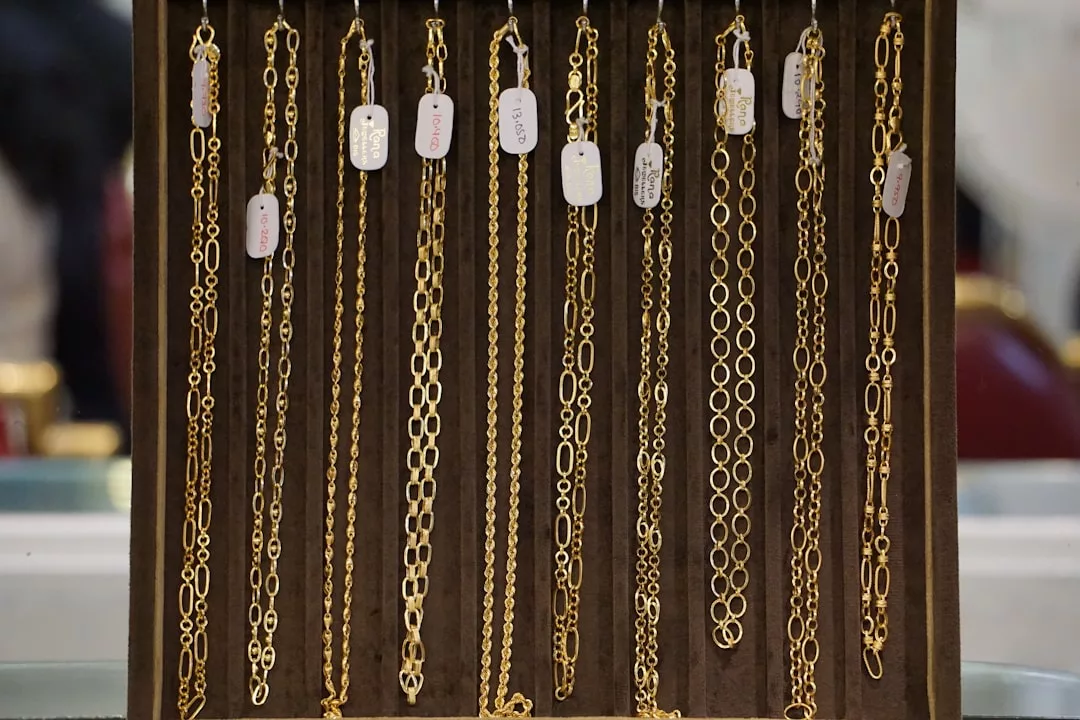
Layered jewelry has a rich and diverse history that spans across cultures and centuries. The practice of wearing multiple pieces of jewelry simultaneously can be traced back to ancient civilizations, where adornment was not merely a fashion statement but also a reflection of social status, wealth, and cultural identity. In ancient Egypt, for instance, both men and women adorned themselves with layers of necklaces made from gold, lapis lazuli, and other precious materials.
These pieces were often intricately designed and served as symbols of power and divinity. The layering of jewelry in this context was not just about aesthetics; it was deeply intertwined with religious beliefs and societal norms. As time progressed, the art of layering jewelry evolved through various historical periods.
During the Renaissance, for example, the wealthy elite began to showcase their affluence through elaborate jewelry collections that included multiple strands of pearls and gemstones. This trend continued into the Victorian era, where sentimental jewelry became popular, often featuring lockets and charms that were layered to convey personal stories and emotions. The 20th century saw a resurgence of layered styles, particularly in the 1960s and 1970s, when bohemian fashion embraced the idea of mixing and matching various pieces to create a unique personal style.
Today, layered jewelry is celebrated for its versatility and ability to express individuality, making it a staple in contemporary fashion.
Key Takeaways
- Layered jewelry has a rich history dating back to ancient civilizations, with evidence of layered necklaces and bracelets found in archaeological digs.
- When layering necklaces, consider the length, texture, and style of each piece to create a cohesive and stylish look.
- Mixing metals in layered jewelry can add visual interest and dimension to your overall ensemble, but be mindful of balancing the different tones.
- When stacking bracelets, mix different textures and widths for a chic and trendy look, and consider adding a statement piece for added flair.
- Mixing and matching earrings of different sizes and styles can create a unique and personalized look that complements your overall outfit.
How to Layer Necklaces for a Stylish Look
Layering necklaces is an art form that requires a keen eye for balance and proportion. A common approach is to start with a choker or a short pendant necklace as the base layer.
This piece sits snugly around the neck and serves as a foundation for longer necklaces. For instance, pairing a delicate gold choker with a mid-length chain featuring a simple charm can create an elegant yet understated look. Once the base layer is established, adding longer necklaces can enhance the overall aesthetic.
A popular technique is to incorporate varying lengths to create visual interest. For example, layering a 16-inch choker with an 18-inch pendant necklace and a 24-inch statement piece can create a harmonious cascade that draws attention without overwhelming the neckline. Additionally, mixing different materials, such as combining a sleek metal chain with a beaded or fabric necklace, can add texture and depth to the ensemble.
It’s essential to experiment with different combinations to find what resonates with your personal style while ensuring that the layers complement each other rather than compete for attention.
The Art of Mixing Metals in Layered Jewelry
Mixing metals in layered jewelry is a bold trend that allows for creative expression and personalization. Traditionally, fashion rules dictated that one should stick to either gold or silver to maintain a cohesive look.
This approach not only adds dimension to the overall appearance but also reflects an eclectic style that is increasingly embraced by fashion-forward individuals. When mixing metals, it’s crucial to maintain some level of harmony within the layers. One effective method is to choose pieces that share similar design elements or textures.
For instance, pairing a chunky gold chain with a delicate silver pendant can create an eye-catching contrast while still feeling intentional. Another strategy is to incorporate pieces that feature both metals; for example, a necklace with gold accents on a silver chain can serve as a bridge between the two tones. Ultimately, the key to successfully mixing metals lies in balancing the visual weight of each piece and ensuring that they work together cohesively.
Layered Bracelets: Tips and Tricks for a Chic Stack
Creating a chic stack of layered bracelets involves more than simply piling on multiple pieces; it requires thoughtful consideration of style, texture, and proportion. To begin crafting an appealing bracelet stack, one should start with a focal piece, this could be a statement cuff or an eye-catching bangle that draws attention. From there, additional bracelets can be added in varying widths and materials to create depth and interest.
For example, pairing a wide leather cuff with several delicate chain bracelets can create an intriguing juxtaposition that enhances the overall look. Another important aspect of layering bracelets is considering the color palette. Sticking to complementary colors can help unify the stack while allowing for individual pieces to shine.
For instance, if you’re working with gold tones, incorporating bracelets with mixed materials like wood or fabric can add warmth without detracting from the metallic shine. Additionally, don’t shy away from incorporating texture; mixing smooth bangles with beaded or woven bracelets can create a dynamic visual effect that elevates your style. Ultimately, the goal is to create a balanced stack that feels cohesive yet reflects your unique personality.
Layered Earrings: How to Mix and Match for a Unique Look
Layered earrings offer an exciting opportunity to showcase creativity while enhancing your overall look. The key to successfully mixing and matching earrings lies in understanding proportions and styles. A popular trend is to wear multiple earrings in one ear while keeping the other ear simple or vice versa.
For instance, one might opt for a statement stud in one ear paired with several delicate hoops or ear cuffs in the other ear. This asymmetrical approach adds an element of surprise and modernity to your ensemble. When selecting earrings for layering, consider varying lengths and designs to create visual interest.
For example, combining long dangling earrings with shorter studs can draw attention to the face while maintaining balance. Additionally, incorporating different materials, such as mixing metal finishes with colorful gemstones, can enhance the overall aesthetic without overwhelming the look. Experimenting with various combinations allows for endless possibilities; whether you prefer bold statements or subtle elegance, layered earrings can be tailored to suit any personal style.
Layered Rings: Creating a Trendy Stacked Ring Look
Layered rings have become synonymous with contemporary fashion trends, allowing individuals to express their style through creative stacking techniques. The beauty of layered rings lies in their versatility; they can be worn in various combinations to achieve different looks depending on the occasion or mood. To create an on-trend stacked ring look, start by selecting a few key pieces that resonate with your personal style, these could include statement rings featuring bold gemstones or minimalist bands in various finishes.
When stacking rings, consider varying widths and textures to add depth to your ensemble. For instance, pairing a chunky gemstone ring with several thin bands creates an eye-catching contrast that draws attention without feeling cluttered. Additionally, don’t hesitate to mix different metals; combining gold and silver rings can create an eclectic yet harmonious look that reflects modern sensibilities.
It’s also worth noting that layering rings on different fingers can enhance visual interest; for example, wearing multiple rings on one hand while keeping the other hand simple creates balance while showcasing your unique style.
The versatility of layered jewelry makes it suitable for various occasions, from casual outings to formal events. When dressing for casual occasions, such as brunch with friends or a day out shopping, layered jewelry can add an effortless touch to your outfit without appearing overly polished. For instance, pairing simple layered necklaces with casual attire like a t-shirt and jeans can elevate your look while maintaining comfort.
Opting for lightweight materials such as fabric or beaded necklaces allows for easy layering without overwhelming your ensemble. In contrast, formal occasions call for more refined choices when it comes to layered jewelry. For events such as weddings or galas, selecting elegant pieces made from precious metals or adorned with gemstones can enhance your overall appearance while exuding sophistication.
A classic approach might involve layering delicate diamond or pearl necklaces over an elegant gown or pairing statement earrings with a sleek updo. The key is to strike a balance between opulence and restraint; too much layering can detract from the elegance of formal attire.
Layered Jewelry for Different Necklines: V-necks, Crewnecks, and Off-the-Shoulder
Understanding how to layer jewelry according to different necklines is essential for achieving a polished look that complements your outfit. V-neck tops provide an excellent canvas for layered necklaces as they create an elongated silhouette that draws attention downward. When styling for this neckline, consider using multiple strands of varying lengths, starting with a choker or short pendant followed by longer chains, to enhance the V-shape while adding dimension.
Crewnecks present another opportunity for creative layering; however, the approach differs slightly due to their higher neckline. In this case, shorter necklaces work best as they sit closer to the collarbone without overwhelming the neckline’s structure. A combination of delicate chains adorned with small charms can add subtle interest without competing with the simplicity of the crewneck design.
For off-the-shoulder tops or dresses, longer necklaces can beautifully frame the neckline while drawing attention to exposed shoulders; consider layering bold statement pieces alongside more delicate options for an eye-catching effect.
Layered jewelry can be tailored to suit various body types by considering proportions and visual balance. For petite individuals, opting for delicate layers is often more flattering than heavy or bulky pieces that may overwhelm their frame. Stacking thin chains or lightweight bracelets allows petite wearers to create dimension without adding unnecessary weight.
Additionally, choosing shorter lengths for necklaces can help elongate the neck while maintaining harmony within the overall look. Conversely, curvy body types can embrace bolder statements when it comes to layered jewelry. Chunky necklaces or wide bangles can complement curves beautifully by adding balance and drawing attention to specific areas without feeling disproportionate.
When layering rings or bracelets, curvy individuals might opt for wider bands alongside thinner ones to create visual interest while ensuring comfort and ease of wear. Ultimately, understanding how different styles interact with body shapes allows individuals to curate layered jewelry looks that enhance their natural beauty.
Layered Jewelry Trends: What’s Hot and What’s Not
The world of layered jewelry is ever-evolving, influenced by fashion trends and cultural shifts that shape contemporary aesthetics. Currently, one of the hottest trends is the embrace of personalization through customized pieces, think initial necklaces or charm bracelets that tell individual stories through layers of meaning. This trend resonates particularly well with younger generations who seek unique expressions of identity through their accessories.
On the flip side, certain trends have begun to fade into obscurity; for instance, overly ornate or excessively chunky layered pieces are becoming less favored in favor of minimalist designs that prioritize simplicity and elegance. The focus has shifted towards creating curated looks that feel intentional rather than haphazardly thrown together. As sustainability becomes increasingly important in fashion circles, there’s also a growing preference for ethically sourced materials and artisanal craftsmanship over mass-produced items, a trend likely here to stay as consumers become more conscious about their purchasing choices.
How to Care for and Maintain Layered Jewelry
Caring for layered jewelry is essential not only for preserving its aesthetic appeal but also for ensuring longevity over time. One fundamental practice involves storing pieces properly; using soft pouches or dedicated jewelry boxes helps prevent scratches and tangling between different items. Additionally, separating metal types, such as gold from silver, can minimize tarnishing caused by chemical reactions between different materials.
Regular cleaning is another crucial aspect of maintenance; using gentle solutions specifically designed for jewelry care can help remove dirt and oils without damaging delicate finishes or gemstones. For instance, soaking pieces in warm soapy water followed by gentle scrubbing with a soft brush can restore shine without causing harm. It’s also advisable to remove jewelry before engaging in activities such as swimming or exercising; exposure to chlorine or sweat can lead to tarnishing or damage over time.
By implementing these care practices into your routine, you can ensure that your layered jewelry remains beautiful and vibrant for years to come.
More in
More from Jewelry
Jewelry · 8 min
Stylish Bar Jewelry: Elevate Your Look
Bar jewelry has emerged as a captivating trend in the world of accessories, captivating fashion enthusiasts and casual wearers alike. Characterized by…
Jewelry · 9 min
Unlocking the Elegance of the Emerald Cut
The emerald cut has a rich and storied history that dates back to the 15th century, originating in the lapidary practices of the Spanish and Portugues…
Jewelry · 9 min
Bangle: A Timeless Fashion Accessory
Bangle jewelry has a rich and diverse history that spans across various cultures and epochs. The origins of bangles can be traced back to ancient civi…