News · News
Making a Difference: The Power of Community Volunteering
Community volunteering serves as a vital thread in the fabric of society, weaving together individuals from diverse backgrounds to address local needs and foster a sense of belongi…
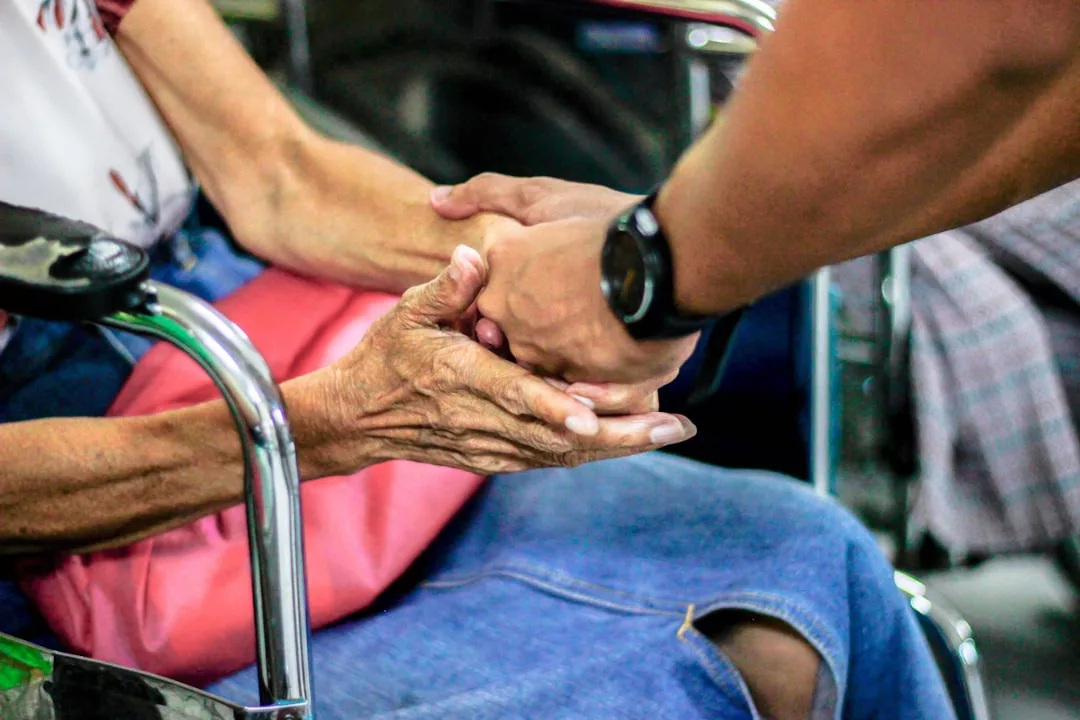
Community volunteering serves as a vital thread in the fabric of society, weaving together individuals from diverse backgrounds to address local needs and foster a sense of belonging. The impact of such volunteering extends beyond the immediate benefits to the community; it also cultivates personal growth and social cohesion among volunteers. When individuals engage in volunteer work, they often find themselves stepping outside their comfort zones, gaining new perspectives, and developing skills that can enhance their personal and professional lives.
This transformative experience not only enriches the lives of the volunteers but also strengthens the community as a whole. Moreover, community volunteering can lead to significant changes in local environments. For instance, initiatives like neighborhood clean-up days or community gardens not only beautify spaces but also promote environmental stewardship.
Volunteers often become advocates for sustainability, encouraging others to adopt eco-friendly practices. The ripple effect of these actions can lead to a more engaged citizenry that prioritizes the health and well-being of their surroundings. As volunteers witness the tangible results of their efforts, they are likely to feel a deeper connection to their community, fostering a cycle of ongoing participation and commitment.
Key Takeaways
- Community volunteering has a significant impact on addressing social issues and creating a better society.
- Volunteering benefits the community by fostering empowerment, engagement, and social responsibility.
- Volunteering can bring positive change by promoting unity, inclusivity, and collective action.
- Community volunteering plays a crucial role in building stronger communities and creating a better future.
- The future of community volunteering holds potential for making a lasting impact on society through collective action and social responsibility.
The Benefits of Volunteering for the Community
The benefits of volunteering for the community are manifold, encompassing economic, social, and cultural dimensions. Economically, volunteers contribute their time and skills to organizations that may otherwise struggle to operate effectively due to limited funding. For example, food banks rely heavily on volunteers to sort and distribute food, allowing them to serve more individuals in need without incurring significant labor costs.
This not only helps alleviate hunger but also strengthens the local economy by ensuring that resources are allocated efficiently. Socially, volunteering fosters connections among community members, breaking down barriers that may exist due to socioeconomic status, race, or age. When people come together for a common cause, they often form bonds that transcend their differences.
For instance, intergenerational volunteering programs can bring together young people and seniors, allowing them to share experiences and wisdom while working towards a shared goal. This interaction not only enriches the lives of both groups but also cultivates a sense of empathy and understanding that is crucial for a harmonious society.
How Volunteering Can Bring Positive Change
Volunteering has the potential to catalyze positive change on multiple levels, from individual transformations to broader societal shifts. At the individual level, volunteers often report increased self-esteem and a greater sense of purpose. Engaging in meaningful work can provide a sense of fulfillment that is sometimes lacking in other areas of life.
For example, a volunteer who mentors at-risk youth may find that their involvement not only helps the young people they serve but also instills a sense of pride and accomplishment in themselves. On a larger scale, community volunteering can address systemic issues such as poverty, education disparities, and health inequities. Organizations that mobilize volunteers to provide tutoring services or health screenings can make significant strides in improving outcomes for underserved populations.
For instance, programs that offer free tutoring in low-income neighborhoods can help bridge educational gaps, leading to better academic performance and increased opportunities for students. By tackling these issues head-on, volunteers contribute to creating a more equitable society where everyone has the chance to thrive.
The Role of Volunteering in Building Stronger Communities
Volunteering plays an essential role in building stronger communities by fostering trust and collaboration among residents. When individuals come together to work on community projects, they develop a shared sense of ownership and responsibility for their environment. This collective effort can lead to enhanced social capital, which is crucial for addressing local challenges effectively.
For example, communities that organize regular volunteer events often see increased participation in local governance and civic activities, as residents become more invested in the outcomes of their collective efforts. Additionally, volunteering can serve as a platform for leadership development within communities. Individuals who take on volunteer roles often gain valuable experience in project management, teamwork, and communication skills.
These experiences can empower them to take on more significant leadership roles within their communities or even in their professional lives. As more individuals step into leadership positions, communities become more resilient and better equipped to navigate challenges, ultimately leading to sustained growth and improvement.
The Power of Collective Action in Community Volunteering
Collective action is a powerful force in community volunteering, amplifying the impact of individual efforts through collaboration and shared goals. When volunteers unite around a common cause, they can achieve far more than they could alone. For instance, large-scale initiatives like Habitat for Humanity rely on collective action to build homes for families in need.
By mobilizing hundreds of volunteers over several days or weeks, these organizations can complete projects that would be impossible for any single individual or small group. Moreover, collective action fosters a sense of solidarity among volunteers, reinforcing the idea that they are part of something larger than themselves. This shared experience can lead to lasting friendships and networks that extend beyond the immediate project.
Volunteers who work together often find themselves inspired by one another’s dedication and passion, creating a culture of mutual support that encourages ongoing engagement in community service. This dynamic not only enhances the effectiveness of volunteer efforts but also contributes to a more vibrant and interconnected community.
Addressing Social Issues Through Community Volunteering
Community volunteering serves as a critical mechanism for addressing various social issues that affect marginalized populations. Many organizations rely on volunteers to provide essential services such as food distribution, mental health support, and educational assistance. For example, during times of crisis, such as natural disasters or public health emergencies, volunteers often step up to fill gaps in services when professional resources are stretched thin.
Their efforts can be instrumental in providing immediate relief and support to those most affected. Furthermore, volunteering can raise awareness about social issues that may otherwise go unnoticed by the broader public. Volunteers often become advocates for change within their communities by sharing their experiences and insights gained through their work.
For instance, individuals who volunteer at homeless shelters may develop a deeper understanding of the complexities surrounding homelessness and become vocal advocates for policy changes aimed at addressing root causes. This advocacy can lead to increased community engagement and pressure on local governments to prioritize social issues that require attention.
The Importance of Volunteerism in Creating a Better Society
Volunteerism is fundamental to creating a better society by fostering civic engagement and encouraging individuals to take an active role in shaping their communities. When people volunteer their time and skills, they demonstrate a commitment to the well-being of others and contribute to the overall health of society. This spirit of giving back is essential for cultivating empathy and compassion among citizens, which are critical components of a thriving democracy.
Moreover, volunteerism can serve as a catalyst for social innovation by bringing together diverse perspectives and ideas. Volunteers often come from various backgrounds and experiences, allowing them to approach problems with fresh insights. For example, community brainstorming sessions that include volunteers from different sectors, such as education, healthcare, and business, can lead to innovative solutions for local challenges.
By harnessing the collective knowledge and creativity of volunteers, communities can develop more effective strategies for addressing pressing issues.
How Community Volunteering Fosters Empowerment and Engagement
Community volunteering fosters empowerment by providing individuals with opportunities to take initiative and make meaningful contributions to their communities. When people engage in volunteer work, they often discover their strengths and capabilities while developing new skills that enhance their confidence. For instance, someone who volunteers as a coordinator for a local event may learn valuable organizational skills that translate into their professional life or personal endeavors.
Additionally, volunteering encourages civic engagement by inspiring individuals to become more informed about local issues and participate actively in decision-making processes. Volunteers who work closely with community organizations often gain insights into the challenges facing their neighborhoods and become motivated to advocate for change. This heightened awareness can lead to increased voter participation and involvement in local governance as individuals recognize the importance of their voices in shaping policies that affect their lives.
The Connection Between Community Volunteering and Social Responsibility
The connection between community volunteering and social responsibility is profound; volunteering embodies the principles of giving back and contributing positively to society. Individuals who engage in volunteer work often develop a heightened sense of social responsibility as they witness firsthand the impact of their efforts on others’ lives. This sense of duty extends beyond volunteering; it influences how they interact with others in their daily lives and encourages them to consider the broader implications of their actions.
Moreover, organizations that prioritize volunteerism often cultivate cultures of social responsibility among their employees or members. Companies that encourage employees to participate in volunteer programs not only enhance their corporate image but also foster loyalty and job satisfaction among staff members. Employees who feel empowered to contribute positively to society are likely to be more engaged at work and committed to their organization’s mission.
The Ways in Which Community Volunteering Promotes Unity and Inclusivity
Community volunteering promotes unity by bringing together individuals from diverse backgrounds who share common goals. When people collaborate on projects aimed at improving their neighborhoods or supporting those in need, they break down barriers related to race, class, or ideology. This shared experience fosters understanding and respect among participants, creating an inclusive environment where everyone feels valued.
Inclusivity is further enhanced when volunteer programs actively seek out diverse participants and ensure that all voices are heard. Organizations that prioritize representation within their volunteer base can create initiatives that reflect the needs and desires of the entire community rather than just a select few. For example, programs designed specifically for underrepresented groups can empower those individuals while enriching the overall volunteer experience for everyone involved.
The Future of Community Volunteering and Its Potential Impact
The future of community volunteering holds immense potential for addressing emerging challenges while fostering resilience within communities. As societal issues evolve, whether due to economic shifts, climate change, or public health crises, the role of volunteers will become increasingly vital in responding effectively to these challenges. Technology will likely play an essential role in shaping how volunteers connect with opportunities; online platforms can facilitate collaboration across geographic boundaries while enabling organizations to reach broader audiences.
Furthermore, as awareness grows regarding social justice issues and environmental sustainability, there is likely to be an increase in volunteerism focused on these areas. Young people today are particularly motivated by causes related to climate action and social equity; thus, organizations that align with these values will attract passionate volunteers eager to make an impact. By harnessing this enthusiasm and commitment from future generations, communities can cultivate innovative solutions that address pressing issues while fostering a culture of service that endures for years to come.
More in
More from News

News · 15 min
Future of Luxury Fashion: Innovation, Technology, and the Next Frontier
Discover the future of luxury fashion: how AI, blockchain, digital couture, bio-fabricated materials and sustainability are reshaping maisons and the …

News · 15 min
Celebrity Style Guide: Decoding the Fashion of the Famous
Decode celebrity style: how stylists, red carpet partnerships, and social media shape fashion, plus archetypes and tips to build a celebrity-inspired …

News · 14 min
Luxury Lifestyle Guide: Curating the Art of Living Well
Discover the luxury lifestyle as the art of living well: quiet luxury in travel, wine, home design, wardrobe, watches, and wellness, curated with inte…