News · News
Mastering Meal Prepping: A Guide to Effortless Eating
Meal prepping has gained significant traction in recent years, and for good reason. One of the most notable benefits is the time it saves during the week. By dedicating a few hours…
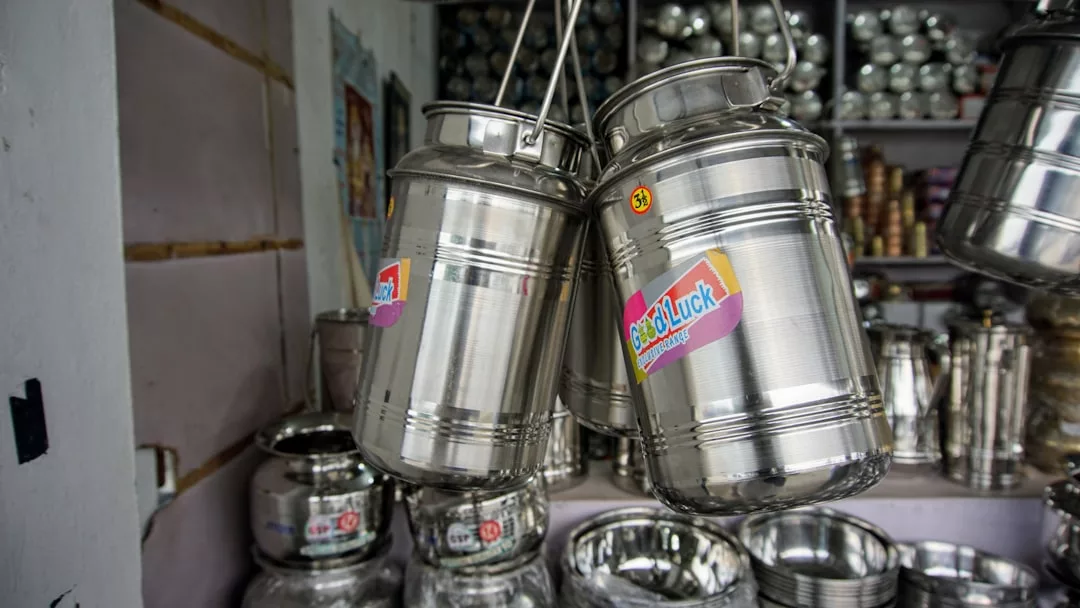
Meal prepping has gained significant traction in recent years, and for good reason. One of the most notable benefits is the time it saves during the week. By dedicating a few hours on the weekend or a designated day to prepare meals, individuals can eliminate the daily stress of deciding what to eat.
This not only streamlines the cooking process but also allows for more time to be spent on other activities, whether that be exercise, family time, or simply relaxing after a long day. The predictability of having meals ready to go can significantly reduce the temptation to opt for unhealthy takeout or fast food options. In addition to saving time, meal prepping can also lead to healthier eating habits.
When meals are prepared in advance, it becomes easier to control portion sizes and ingredients, which is particularly beneficial for those looking to lose weight or maintain a balanced diet. By planning meals ahead of time, individuals can ensure they are incorporating a variety of nutrients and food groups into their diets. This proactive approach can help mitigate impulsive eating decisions that often lead to unhealthy choices.
Furthermore, meal prepping can be a cost-effective strategy, as buying ingredients in bulk and preparing meals at home typically results in lower food expenses compared to frequent dining out.
Key Takeaways
- Meal prepping saves time and money by reducing the need for daily cooking and dining out.
- Essential tools and supplies for meal prepping include quality food storage containers, a variety of cooking utensils, and a reliable meal plan.
- Planning and organizing meals in advance helps to ensure a balanced and nutritious diet while minimizing food waste.
- Efficient grocery shopping tips for meal prepping include making a detailed shopping list and buying in bulk when possible.
- Batch cooking and freezing techniques allow for convenient and quick meal preparation throughout the week.
Essential Tools and Supplies for Meal Prepping
Essential Containers for Meal Prep
A set of high-quality containers is essential for storing prepped meals. Glass containers with airtight lids are particularly popular due to their durability and ability to withstand temperature changes, making them suitable for both the refrigerator and microwave. Additionally, investing in a variety of container sizes can help accommodate different meal types, from single servings to family-sized portions.Accurate Measurements with a Kitchen Scale
Another important tool is a reliable kitchen scale. Weighing ingredients can help ensure accurate portion sizes and nutritional content, which is especially important for those tracking their intake for dietary reasons.Efficient Meal Prep with the Right Appliances
A good set of knives and cutting boards will also make the preparation process smoother and more efficient. Furthermore, having a slow cooker or an Instant Pot can be a game-changer for meal prepping, as these appliances allow for hands-off cooking, enabling users to prepare large batches of meals with minimal effort.Planning and Organizing Your Meals
Effective meal planning begins with understanding your dietary needs and preferences. Start by assessing your weekly schedule to identify days when you may have less time to cook. This will help you determine which meals need to be prepped in advance. It’s beneficial to include a mix of recipes that utilize similar ingredients to minimize waste and maximize efficiency. Once you have your meal plan in place, organizing your recipes is key.
Consider using a digital app or a simple spreadsheet to keep track of your planned meals, grocery lists, and any prep instructions. This not only helps streamline the shopping process but also serves as a reference when you’re in the kitchen. Additionally, labeling containers with the meal name and date can prevent confusion and ensure that meals are consumed within their optimal freshness window.
Tips for Efficient Grocery Shopping
Grocery shopping can often feel overwhelming, especially when trying to stick to a meal prep plan. To make this process more efficient, start by creating a detailed shopping list based on your meal plan. Organizing the list by category, such as produce, proteins, grains, and dairy, can save time in the store by reducing back-and-forth trips down aisles.
It’s also wise to check your pantry and refrigerator before heading out to avoid purchasing items you may already have on hand. Shopping at local farmers’ markets or bulk stores can also enhance your grocery experience. These venues often offer fresher produce and more affordable prices compared to traditional grocery stores.
Additionally, consider shopping during off-peak hours to avoid crowds and long lines. This not only makes the experience more pleasant but also allows for more focused shopping without distractions.
Batch Cooking and Freezing Techniques
Batch cooking is one of the cornerstones of effective meal prepping. This technique involves preparing large quantities of food at once, which can then be portioned out for future meals. For instance, cooking a big pot of chili or soup can yield several servings that can be easily frozen for later use.
When batch cooking, it’s important to choose recipes that freeze well and maintain their flavor and texture after thawing. Freezing techniques play a vital role in preserving the quality of prepped meals. To prevent freezer burn, ensure that meals are stored in airtight containers or vacuum-sealed bags.
Labeling each container with the date and contents will help keep track of what’s available and when it should be consumed. Thawing meals safely is equally important; ideally, meals should be moved from the freezer to the refrigerator a day before they are needed to allow for gradual thawing.
Creating Balanced and Nutritious Meals
When meal prepping, it’s essential to focus on creating balanced meals that provide adequate nutrition. A well-rounded meal typically includes a source of protein, healthy fats, carbohydrates, and plenty of vegetables. For example, a grilled chicken breast served with quinoa and steamed broccoli offers protein, complex carbs, and fiber-rich vegetables all in one dish.
Incorporating a variety of colors on your plate not only makes meals visually appealing but also ensures a diverse range of nutrients. Different colored fruits and vegetables contain various vitamins and minerals; for instance, orange carrots are rich in beta-carotene while leafy greens like spinach provide iron and calcium. Planning meals that include diverse ingredients can help prevent monotony in your diet while promoting overall health.
Meal prepping can be tailored to accommodate various dietary restrictions or preferences, such as vegetarianism or gluten intolerance. For those following a vegetarian diet, focusing on plant-based proteins like beans, lentils, tofu, and tempeh is essential. Incorporating whole grains such as brown rice or quinoa can provide necessary nutrients while ensuring meals remain satisfying.
For individuals adhering to gluten-free diets, it’s crucial to read labels carefully when selecting ingredients. Many grains contain gluten; however, alternatives like rice, quinoa, and gluten-free oats can serve as excellent substitutes. Meal prepping gluten-free options may involve preparing dishes like stir-fried vegetables with rice noodles or hearty salads topped with chickpeas for added protein.
Storing and Reheating Prepped Meals
Proper storage techniques are vital for maintaining the quality and safety of prepped meals. Refrigerated meals should ideally be consumed within three to four days; beyond this timeframe, the risk of spoilage increases significantly. For longer storage needs, freezing is an excellent option as it extends the shelf life of meals while preserving flavor.
When it comes time to reheat prepped meals, using methods that retain moisture is key to preventing dryness. For those who prefer oven reheating, covering dishes with foil can also help trap steam and keep meals moist.
Overcoming Common Meal Prepping Challenges
Despite its many benefits, meal prepping can present challenges that may deter individuals from fully committing to the practice. One common issue is time management; many people struggle to find enough time in their busy schedules to dedicate to meal prep sessions. To combat this challenge, consider breaking down meal prep into smaller tasks throughout the week rather than attempting everything in one go.
Another challenge is maintaining motivation over time. To keep things fresh and exciting, regularly experimenting with new recipes or themes, such as international cuisines, can reignite enthusiasm for meal prepping. Additionally, involving family members or friends in the process can make it more enjoyable and foster accountability.
Incorporating Variety and Creativity into Meal Prepping
One of the keys to successful meal prepping is incorporating variety into your meals to prevent boredom from repetitive eating patterns. Experimenting with different cuisines can introduce new flavors and textures into your diet; for instance, preparing Mediterranean-inspired dishes one week followed by Asian-inspired meals the next can keep things interesting. Utilizing seasonal ingredients is another way to add creativity while ensuring freshness in your meals.
Seasonal produce often tastes better and is more affordable than out-of-season options. Additionally, consider using different cooking methods, such as grilling, roasting, or steaming, to create diverse textures within your meals.
Making Meal Prepping a Sustainable Habit
To make meal prepping a sustainable habit rather than a fleeting trend, it’s essential to establish a routine that fits seamlessly into your lifestyle. Start small by committing to one or two meal prep sessions per week before gradually increasing frequency as you become more comfortable with the process. Setting specific days for planning and prepping can help solidify this habit over time.
Moreover, reflecting on your progress regularly can reinforce positive behaviors associated with meal prepping. Keeping track of how much time you save during the week or how much money you save by cooking at home can serve as motivation to continue this practice long-term. By integrating meal prepping into your weekly routine thoughtfully and creatively, it becomes not just an activity but an integral part of maintaining a healthy lifestyle.
More in
More from News

News · 15 min
Future of Luxury Fashion: Innovation, Technology, and the Next Frontier
Discover the future of luxury fashion: how AI, blockchain, digital couture, bio-fabricated materials and sustainability are reshaping maisons and the …

News · 15 min
Celebrity Style Guide: Decoding the Fashion of the Famous
Decode celebrity style: how stylists, red carpet partnerships, and social media shape fashion, plus archetypes and tips to build a celebrity-inspired …

News · 14 min
Luxury Lifestyle Guide: Curating the Art of Living Well
Discover the luxury lifestyle as the art of living well: quiet luxury in travel, wine, home design, wardrobe, watches, and wellness, curated with inte…