News · News
Mastering New Skills: The Key to Personal Growth
Personal growth is a lifelong journey that encompasses the development of one’s skills, knowledge, and emotional well-being. It is a fundamental aspect of human existence, as it al…
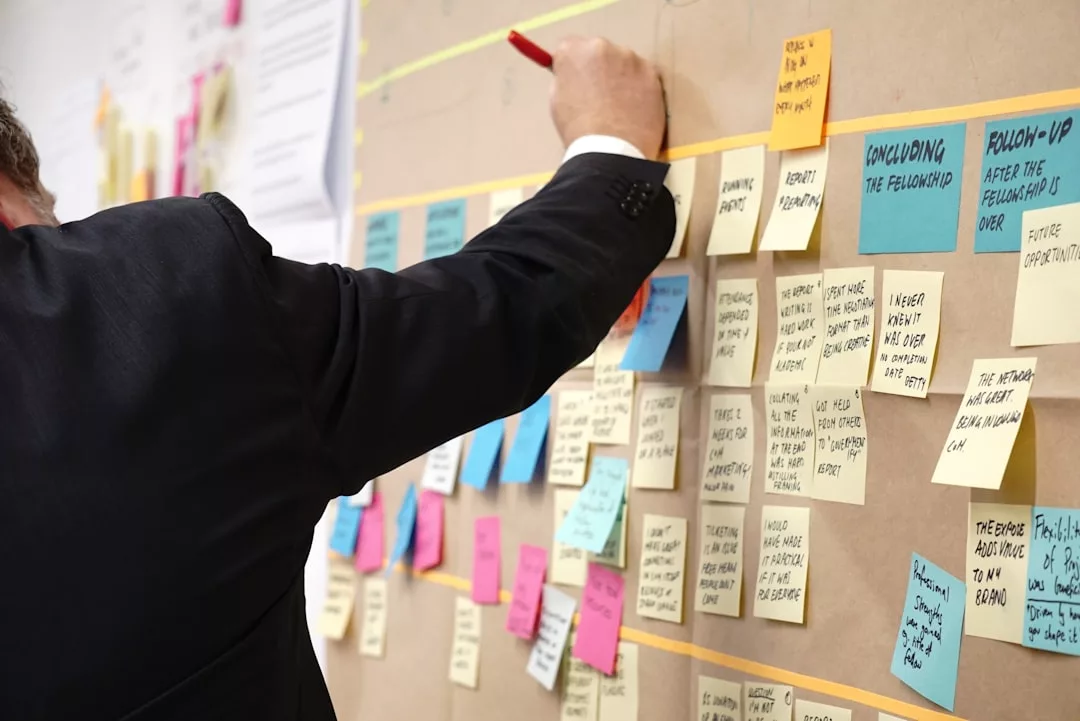
Personal growth is a lifelong journey that encompasses the development of one’s skills, knowledge, and emotional well-being. It is a fundamental aspect of human existence, as it allows individuals to evolve, adapt, and thrive in an ever-changing world. The pursuit of personal growth fosters resilience, enhances self-awareness, and cultivates a sense of purpose.
Engaging in this process not only benefits the individual but also positively impacts relationships, communities, and workplaces. When individuals commit to their own growth, they often inspire those around them to embark on similar journeys, creating a ripple effect that can lead to collective improvement. Moreover, personal growth is intrinsically linked to the concept of lifelong learning.
In an age characterized by rapid technological advancements and shifting societal norms, the ability to learn and adapt is more crucial than ever. Individuals who prioritize personal growth are better equipped to navigate challenges, seize opportunities, and contribute meaningfully to their environments. This proactive approach to self-improvement can lead to increased job satisfaction, enhanced interpersonal relationships, and a greater sense of fulfillment in life.
By recognizing the importance of personal growth, individuals can take charge of their destinies and create a life that aligns with their values and aspirations.
Key Takeaways
- Personal growth is important for self-improvement and achieving success in various aspects of life.
- Identifying skills to master is crucial for personal and professional development.
- Setting clear goals for skill mastery helps in staying focused and motivated.
- Finding the right resources for learning is essential for effective skill development.
- Creating a plan for skill development helps in staying organized and on track towards achieving goals.
Identifying Skills to Master
The first step in the journey of personal growth is identifying the skills one wishes to master. This process requires introspection and an honest assessment of one’s current abilities and interests. Individuals should consider both hard skills, such as technical proficiencies in areas like coding or graphic design, and soft skills, which encompass interpersonal abilities like communication and emotional intelligence.
By evaluating their strengths and weaknesses, individuals can pinpoint specific skills that will not only enhance their personal development but also align with their career goals and passions. For instance, a marketing professional may recognize the need to improve their data analysis skills to better understand consumer behavior. Alternatively, someone in a leadership position might identify the need to enhance their conflict resolution abilities to foster a more harmonious team environment.
By focusing on skills that resonate with their personal and professional aspirations, individuals can create a targeted approach to their growth journey. This clarity not only motivates individuals but also provides a roadmap for their learning endeavors.
Setting Clear Goals for Skill Mastery
Once individuals have identified the skills they wish to master, the next step is to set clear and achievable goals. Goal-setting is a powerful tool that provides direction and motivation throughout the learning process. Effective goals should be specific, measurable, attainable, relevant, and time-bound (SMART).
For example, instead of setting a vague goal like “improve my public speaking,” an individual might set a goal to “deliver a 10-minute presentation at a local community event within three months.” This specificity allows for better tracking of progress and increases accountability. Additionally, breaking down larger goals into smaller, manageable milestones can make the process less overwhelming. For instance, if the overarching goal is to become proficient in a new programming language, one might set milestones such as completing an online course module each week or building a small project by the end of the month.
These incremental achievements not only provide a sense of accomplishment but also help maintain motivation as individuals work toward their ultimate objectives.
Finding the Right Resources for Learning
In today’s digital age, a wealth of resources is available for individuals seeking to master new skills. From online courses and webinars to books and podcasts, the options are vast and varied. Identifying the right resources is crucial for effective learning.
Individuals should consider their preferred learning styles: whether they thrive in structured environments with formal instruction or prefer self-directed exploration through reading and practice. For example, platforms like Coursera or Udemy offer structured courses taught by industry experts, which can be beneficial for those who appreciate guided learning. Conversely, someone who learns best through hands-on experience might seek out workshops or community groups where they can practice their skills in real-time.
Additionally, leveraging social media platforms and online forums can provide access to valuable insights from peers and professionals in the field. By curating a diverse array of resources tailored to their learning preferences, individuals can enhance their skill acquisition process.
Creating a Plan for Skill Development
With clear goals established and resources identified, the next step is to create a comprehensive plan for skill development. This plan should outline specific actions to be taken over a defined period, incorporating both learning activities and practical applications of the new skills. A well-structured plan not only provides clarity but also helps individuals stay organized and focused on their objectives.
For instance, an individual aiming to improve their writing skills might create a weekly schedule that includes dedicated time for reading articles on effective writing techniques, practicing writing prompts, and seeking feedback from peers or mentors. Incorporating regular reflection points into the plan allows individuals to assess their progress and make necessary adjustments along the way. By treating skill development as an ongoing process rather than a one-time effort, individuals can cultivate a mindset of continuous improvement.
Overcoming Challenges and Setbacks
Embracing a Growth Mindset
One effective strategy for overcoming challenges is to adopt a growth mindset, a concept popularized by psychologist Carol Dweck. This mindset encourages individuals to view failures as opportunities for learning rather than as reflections of their abilities. For example, if someone struggles with public speaking despite extensive practice, they might analyze what went wrong and seek constructive feedback rather than becoming discouraged.Reframing Challenges as Learning Experiences
By reframing challenges as valuable learning experiences, individuals can cultivate resilience and perseverance in their pursuit of skill mastery.Maintaining Perspective and Motivation
Acknowledging that setbacks are a natural part of growth can help individuals maintain perspective and motivation, allowing them to stay focused on their goals and continue moving forward despite obstacles.Seeking Feedback and Evaluation
Feedback is an essential component of personal growth and skill development. Actively seeking input from peers, mentors, or instructors can provide valuable insights into areas for improvement and reinforce strengths. Constructive feedback helps individuals gain perspective on their progress and identify blind spots that may hinder their development.
For instance, after delivering a presentation, an individual might ask colleagues for specific feedback on their delivery style or content clarity. This input can guide future practice sessions and help refine their approach. Additionally, self-evaluation plays a crucial role in this process; individuals should regularly assess their own performance against established goals and milestones.
By embracing feedback, both positive and negative, individuals can foster a culture of continuous improvement that accelerates their skill mastery journey.
Applying New Skills in Real-Life Situations
The true test of skill mastery lies in the application of newly acquired abilities in real-life situations. Engaging in practical experiences allows individuals to solidify their learning while also gaining confidence in their capabilities. Whether through internships, volunteer opportunities, or personal projects, applying skills in authentic contexts provides invaluable insights that theoretical learning alone cannot offer.
For example, someone learning graphic design might take on freelance projects or create promotional materials for local businesses. This hands-on experience not only reinforces technical skills but also enhances problem-solving abilities as they navigate client feedback and project constraints. Furthermore, real-world application fosters adaptability; individuals learn to adjust their approaches based on varying circumstances and challenges encountered in practice.
Reflecting on Progress and Adjusting Strategies
Regular reflection is vital for personal growth as it allows individuals to assess their progress toward skill mastery critically. Taking time to evaluate what has been learned, what strategies have been effective, and where improvements are needed can provide clarity on the next steps in the development journey. Reflection encourages self-awareness and helps individuals recognize patterns in their learning processes.
For instance, after completing a series of workshops on negotiation skills, an individual might reflect on how well they applied these techniques during recent discussions at work. They may realize that while they excelled at articulating their points clearly, they struggled with active listening during negotiations. This insight prompts them to adjust their strategies moving forward by incorporating more active listening exercises into their practice routine.
Celebrating Achievements and Milestones
Recognizing achievements along the journey of personal growth is essential for maintaining motivation and reinforcing positive behaviors. Celebrating milestones, whether big or small, provides individuals with a sense of accomplishment that fuels further progress. These celebrations can take various forms; some may choose to treat themselves to something special after completing a challenging course or share their successes with friends or family.
For example, after successfully mastering a new programming language by completing several projects, an individual might celebrate by showcasing their work at a local tech meetup or sharing it on social media platforms. This not only acknowledges their hard work but also inspires others who may be on similar paths.
Continuing the Cycle of Personal Growth
Personal growth is not a destination but rather an ongoing cycle that requires continuous commitment and effort. Once individuals have mastered certain skills, they should seek new areas for development or deeper levels of expertise within existing competencies. This cycle of growth ensures that individuals remain engaged in lifelong learning while adapting to new challenges and opportunities that arise throughout their lives.
As one skill becomes second nature, it opens doors to explore more advanced concepts or entirely new fields altogether. For instance, after becoming proficient in digital marketing strategies, an individual might choose to delve into data analytics to better understand consumer behavior patterns. This commitment to continuous growth not only enhances personal fulfillment but also positions individuals as adaptable contributors in an ever-evolving world.
In conclusion, personal growth is an essential aspect of human development that encompasses various stages, from identifying skills to master through celebrating achievements along the way. By embracing this journey with intention and resilience, individuals can cultivate meaningful lives filled with purpose and fulfillment while inspiring others to embark on similar paths of self-improvement.
More in
More from News

News · 15 min
Future of Luxury Fashion: Innovation, Technology, and the Next Frontier
Discover the future of luxury fashion: how AI, blockchain, digital couture, bio-fabricated materials and sustainability are reshaping maisons and the …

News · 15 min
Celebrity Style Guide: Decoding the Fashion of the Famous
Decode celebrity style: how stylists, red carpet partnerships, and social media shape fashion, plus archetypes and tips to build a celebrity-inspired …

News · 14 min
Luxury Lifestyle Guide: Curating the Art of Living Well
Discover the luxury lifestyle as the art of living well: quiet luxury in travel, wine, home design, wardrobe, watches, and wellness, curated with inte…