Jewelry · Jewelry
Mastering the Art of Bezel Setting
Bezel setting is a popular technique in jewelry making that involves encasing a gemstone within a metal rim, known as a bezel. This method not only secures the stone but also enhan…
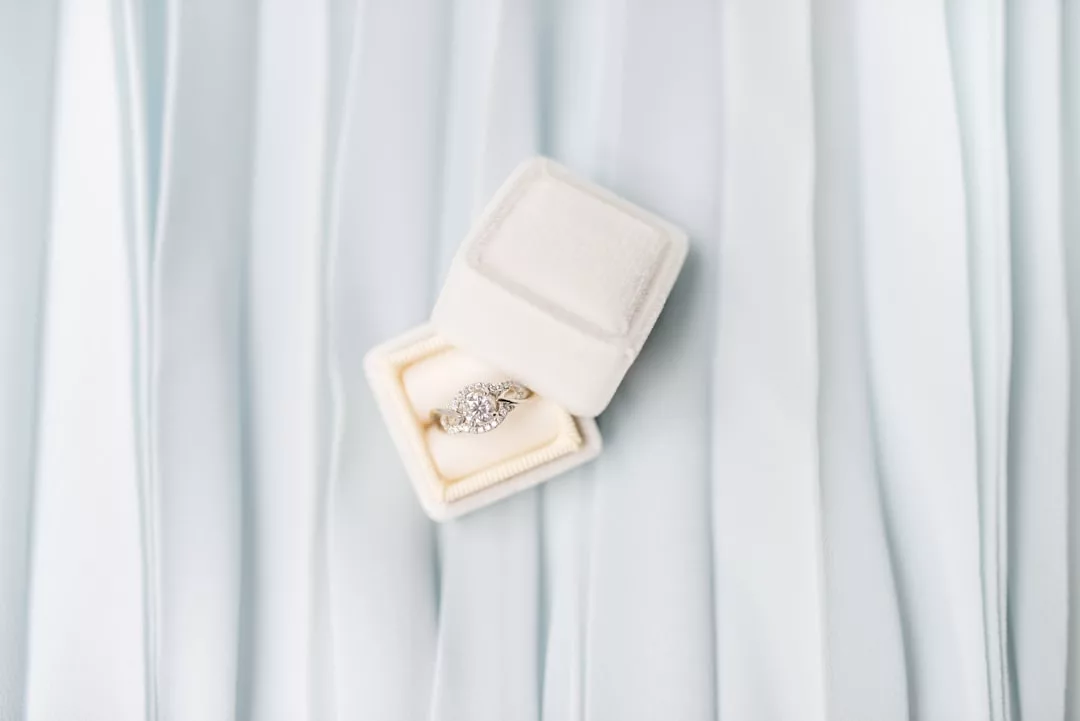
Bezel setting is a popular technique in jewelry making that involves encasing a gemstone within a metal rim, known as a bezel. This method not only secures the stone but also enhances its visual appeal by providing a clean and modern look. The bezel can be made from various metals, including gold, silver, and platinum, and can be shaped in numerous ways to complement the stone’s characteristics.
The primary advantage of bezel setting is its ability to protect the edges of the stone, making it an ideal choice for softer gemstones that are prone to chipping or scratching. The history of bezel setting dates back thousands of years, with evidence of its use in ancient civilizations such as Egypt and Mesopotamia. Artisans would create intricate designs that showcased their craftsmanship while ensuring the stones were securely held in place.
Today, bezel settings are favored not only for their durability but also for their versatility. They can be used in rings, pendants, earrings, and bracelets, allowing jewelers to create a wide range of styles that cater to different tastes and preferences.
Key Takeaways
- Bezel setting involves securing a gemstone by encircling it with a metal rim, creating a sleek and modern look.
- Essential tools for bezel setting include a bezel pusher, burnisher, jeweler’s saw, and metal files, while materials include metal sheet, gemstones, and solder.
- Before setting the stone, ensure that the metal is the correct thickness and shape, and that the stone is clean and free from any debris.
- Mastering the technique of bezel setting requires practice and precision in shaping the metal around the stone and securing it in place.
- Common issues in bezel setting include uneven metal, gaps between the stone and metal, and misshapen bezels, which can be resolved with proper technique and attention to detail.
Selecting the Right Tools and Materials for Bezel Setting
To successfully execute a bezel setting, jewelers must equip themselves with the appropriate tools and materials. Essential tools include a bezel pusher, which is used to gently push the metal over the stone; a burnisher for smoothing and polishing the bezel; and a soldering iron for joining metal pieces together. Additionally, having a set of pliers, files, and a jeweler’s saw will facilitate the cutting and shaping of both the metal and the stone.
Investing in high-quality tools is crucial, as they can significantly impact the precision and quality of the final piece. When it comes to materials, selecting the right type of metal is paramount.
However, jewelers may also opt for alternative metals like titanium or stainless steel for a more contemporary look or added durability. The choice of gemstone is equally important; factors such as hardness, color, and clarity should be considered to ensure that the stone complements the overall design. For instance, softer stones like opals or turquoise may require more protective settings compared to harder stones like diamonds or sapphires.
Preparing the Stone and Metal for Bezel Setting
Before embarking on the bezel setting process, both the stone and metal must be meticulously prepared. The first step involves measuring the stone’s dimensions accurately to create a bezel that fits snugly around it. This can be done using calipers or a micrometer to ensure precision.
Once the measurements are taken, the metal sheet is cut into a strip that will form the bezel. The width of this strip can vary depending on the desired aesthetic; wider bezels can create a bolder look, while narrower ones offer a more delicate appearance. After cutting the metal strip, it is essential to shape it into a bezel form that will encase the stone securely.
This often involves bending the strip into a circular or oval shape, depending on the stone’s cut. Jewelers may use mandrels or specialized forming tools to achieve the desired curvature. Once shaped, the edges of the bezel should be smoothed and polished to eliminate any sharp edges that could damage the stone during setting.
Additionally, cleaning both the stone and metal with an ultrasonic cleaner or a gentle soap solution ensures that any dirt or oils are removed, allowing for better adhesion during soldering.
Mastering the Technique of Bezel Setting
Mastering bezel setting requires practice and attention to detail. The first step in the actual setting process involves placing the stone within the prepared bezel. It is crucial to ensure that the stone sits evenly within the bezel before proceeding.
Once positioned correctly, jewelers use a bezel pusher to gently press the metal over the edges of the stone. This step requires a delicate touch; too much pressure can crack or chip the stone, while too little may result in an insecure fit. After securing the stone with the bezel pusher, jewelers often use a burnisher to smooth out any rough edges and create a polished finish.
This tool helps to compress the metal against the stone, ensuring that it is held firmly in place while also enhancing its visual appeal. Jewelers may also choose to add decorative elements such as texture or engraving to the bezel itself, further elevating the design. Throughout this process, maintaining a steady hand and an eye for detail is essential; even minor misalignments can detract from the overall quality of the piece.
Troubleshooting Common Issues in Bezel Setting
Even experienced jewelers may encounter challenges during bezel setting. One common issue is misalignment of the stone within the bezel. If this occurs, it may be necessary to carefully remove the stone and adjust the bezel before re-setting it.
Jewelers should take care not to apply excessive force when removing or adjusting the bezel, as this can lead to further complications or damage to both the metal and stone. Another frequent problem is inadequate pressure on the bezel, which can result in a loose fit that allows the stone to move or fall out over time. To address this issue, jewelers can reapply pressure using a bezel pusher or burnisher until they achieve a secure hold on the stone.
Additionally, if there are gaps between the stone and bezel due to improper shaping or fitting, these can often be remedied by carefully reshaping the bezel or adding small amounts of solder to fill in any voids.
Adding Personalized Touches to Bezel Setting Designs
Personalization is key in jewelry design, allowing artisans to create unique pieces that resonate with individual clients. One way to add personal touches to bezel settings is through engraving or stamping designs onto the metal surface. This could include initials, meaningful dates, or intricate patterns that reflect personal stories or sentiments.
Such details not only enhance aesthetic appeal but also imbue each piece with emotional significance. Another method of personalization involves incorporating colored gemstones or alternative materials into the design. For instance, using birthstones or favorite colors can make a piece more meaningful for its wearer.
Additionally, combining different metals in a single piece, such as pairing gold with silver, can create striking contrasts that elevate the overall design while allowing for individual expression.
Exploring Different Types of Bezel Settings
Bezel settings come in various forms, each offering distinct advantages and aesthetic qualities. The classic full bezel setting encircles the entire stone with metal, providing maximum protection while showcasing its beauty. This style is particularly popular for engagement rings and pendants where durability is essential.
Partial bezels are another option; they only cover part of the stone’s edge while leaving other areas exposed. This design allows for more light to enter through the sides of the gemstone, enhancing its brilliance and sparkle. Additionally, open-back bezels provide an unobstructed view of the stone from behind, which can be particularly striking with transparent stones like diamonds or aquamarines.
Incorporating Bezel Setting into Various Jewelry Designs
Bezel settings are incredibly versatile and can be seamlessly integrated into various jewelry designs beyond traditional rings and pendants. For instance, earrings featuring bezel-set stones can create an elegant look that draws attention without overwhelming other design elements. Stud earrings with small gemstones set in bezels offer a modern twist on classic styles.
Bracelets also benefit from bezel settings; they can be used as focal points within charm bracelets or as part of intricate link designs. By varying sizes and shapes of bezels throughout a bracelet design, jewelers can create dynamic pieces that capture interest from multiple angles. Furthermore, incorporating multiple stones in different bezels within one piece allows for creative storytelling through color and form.
Tips for Maintaining and Caring for Bezel Set Jewelry
Proper maintenance is essential for preserving the beauty and integrity of bezel set jewelry. Regular cleaning is crucial; jewelers recommend using a soft cloth to wipe down pieces after wearing them to remove oils and dirt that can accumulate over time. For deeper cleaning, an ultrasonic cleaner can effectively remove grime without damaging either metal or stones.
Additionally, storing bezel set jewelry properly can prevent scratches and other damage when not in use. Using soft pouches or lined jewelry boxes helps protect pieces from being jostled against one another. It’s also advisable to avoid exposing jewelry to harsh chemicals found in household cleaners or beauty products, as these can tarnish metals or dull gemstones over time.
Advancing Your Skills in Bezel Setting
For those looking to refine their skills in bezel setting, continuous learning is key. Enrolling in workshops or classes led by experienced jewelers can provide invaluable hands-on experience and insights into advanced techniques. Many institutions offer specialized courses focusing on different aspects of jewelry making, including intricate bezel settings.
Practicing on various materials can also enhance skill levels; experimenting with different metals and gemstones allows jewelers to understand how each material behaves during setting processes. Additionally, seeking feedback from peers or mentors can help identify areas for improvement while fostering a supportive community among fellow artisans.
Showcasing Your Bezel Set Jewelry in a Professional Manner
Once crafted, showcasing bezel set jewelry effectively is crucial for attracting potential buyers or clients. High-quality photography plays an essential role; capturing pieces in natural light with clear backgrounds allows details such as texture and color variations to shine through. Close-up shots highlighting intricate details of bezels can draw attention to craftsmanship.
Participating in local craft fairs or exhibitions provides opportunities for direct interaction with customers while allowing artisans to present their work in person. Creating an engaging display that highlights unique features of each piece encourages potential buyers to explore further while fostering connections between artisans and their audience.
More in
More from Jewelry
Jewelry · 8 min
Stylish Bar Jewelry: Elevate Your Look
Bar jewelry has emerged as a captivating trend in the world of accessories, captivating fashion enthusiasts and casual wearers alike. Characterized by…
Jewelry · 9 min
Unlocking the Elegance of the Emerald Cut
The emerald cut has a rich and storied history that dates back to the 15th century, originating in the lapidary practices of the Spanish and Portugues…
Jewelry · 9 min
Bangle: A Timeless Fashion Accessory
Bangle jewelry has a rich and diverse history that spans across various cultures and epochs. The origins of bangles can be traced back to ancient civi…