Jewelry · Jewelry
Mastering the Art of Channel Setting for Stunning Jewelry
Channel setting is a popular technique in jewelry design that involves securing gemstones within a metal channel, creating a seamless and elegant appearance. This method is particu…
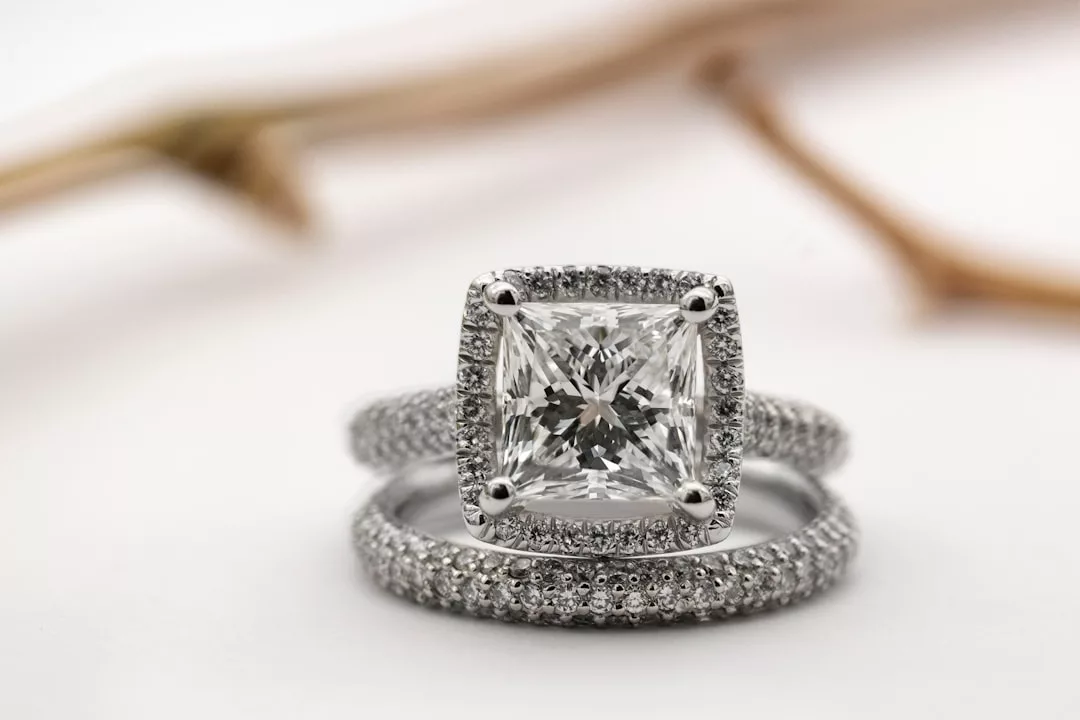
Channel setting is a popular technique in jewelry design that involves securing gemstones within a metal channel, creating a seamless and elegant appearance. This method is particularly favored for its ability to showcase multiple stones in a row, allowing for a continuous line of brilliance without the interruption of prongs or other settings. The channel itself is typically created by cutting a groove into the metal band, which is then shaped to hold the stones securely in place.
This technique not only enhances the visual appeal of the jewelry but also provides a level of protection for the stones, making it an ideal choice for rings, bracelets, and necklaces. The history of channel setting can be traced back to ancient civilizations, where artisans sought innovative ways to enhance the beauty of gemstones. Over time, the technique has evolved, incorporating modern tools and methods that allow for greater precision and creativity.
Today, jewelers can create intricate designs that highlight the natural beauty of each stone while ensuring durability and comfort for the wearer. Understanding the nuances of channel setting is essential for any jeweler looking to master this technique, as it requires a keen eye for detail and a solid grasp of both design principles and practical skills.
Key Takeaways
- Channel setting involves securing gemstones between two metal walls
- Select gemstones with uniform size, shape, and quality for channel setting
- Choose durable and malleable metals like platinum or gold for channel setting
- Essential tools for channel setting include a jeweler’s saw, files, and setting burrs
- Practice patience and precision to master the channel setting process
Selecting the Right Gemstones for Channel Setting
When it comes to channel setting, the choice of gemstones plays a crucial role in the overall aesthetic and functionality of the piece. Ideally, gemstones should be of similar size and shape to ensure a harmonious look when set in a row. Common choices for channel setting include diamonds, sapphires, rubies, and emeralds, as these stones are not only visually striking but also possess the durability needed to withstand daily wear.
The hardness of these gemstones, measured on the Mohs scale, ensures that they can endure the rigors of everyday life without chipping or scratching easily. In addition to hardness, color and clarity are also important factors to consider when selecting gemstones for channel setting. A well-matched color palette can enhance the overall design, creating a cohesive look that draws attention to the brilliance of each stone.
For instance, using a combination of white diamonds with colored sapphires can create a stunning contrast that elevates the piece. Jewelers must carefully evaluate each gemstone’s characteristics to ensure they complement one another and contribute to a striking final product.
Choosing the Best Metals for Channel Setting
The choice of metal is equally important in channel setting, as it not only affects the durability and longevity of the piece but also influences its overall aesthetic appeal. Common metals used in channel setting include platinum, white gold, yellow gold, and rose gold. Platinum is often regarded as the premier choice due to its strength and resistance to tarnish, making it an excellent option for securing precious gemstones.
Its naturally white hue also enhances the brilliance of diamonds and other clear stones, creating a timeless look. Gold alloys are another popular choice for channel setting, with yellow gold offering a classic warmth that complements many colored gemstones. White gold provides a modern alternative with its sleek appearance, while rose gold adds a romantic touch with its pinkish hue.
Each metal has its unique properties and visual characteristics, allowing jewelers to tailor their designs to suit individual preferences.
Tools and Equipment Needed for Channel Setting
To successfully execute channel setting, jewelers require a specific set of tools and equipment designed for precision and efficiency. Essential tools include a jeweler’s saw for cutting channels into metal bands, as well as files and sandpaper for smoothing edges and ensuring a perfect fit for the gemstones. A bench pin is also crucial for providing stability while working on intricate designs.
Additionally, specialized tools such as channel setting pliers can help secure stones within their channels without causing damage. In addition to hand tools, jewelers may also benefit from using various power tools to streamline their workflow. A rotary tool equipped with diamond bits can be invaluable for creating precise channels quickly and efficiently.
Furthermore, magnification tools such as loupes or microscopes allow jewelers to inspect their work closely, ensuring that each stone is set accurately and securely. Investing in high-quality tools not only enhances the jeweler’s ability to create stunning pieces but also contributes to the overall quality and longevity of the finished jewelry.
Mastering the Channel Setting Process
The process of channel setting requires meticulous attention to detail and a systematic approach to ensure success. The first step involves measuring and cutting the metal band to the desired length while accounting for the size of the gemstones being used. Once the band is cut, jewelers must create channels that are precisely shaped to fit each stone snugly.
This often involves using a jeweler’s saw or rotary tool to carve out grooves that will hold the stones securely in place. After creating the channels, it’s essential to test fit each gemstone before finalizing the setting process. This step allows jewelers to make any necessary adjustments to ensure that each stone sits evenly within its channel.
Once satisfied with the fit, jewelers can proceed to secure the stones using specialized techniques such as burnishing or hammering down metal edges over the stones. This not only locks them in place but also creates a seamless appearance that enhances the overall design. Mastering this process takes practice and patience, but with dedication, jewelers can achieve stunning results that showcase their craftsmanship.
Tips for Achieving Precision in Channel Setting
Achieving precision in channel setting is paramount for creating high-quality jewelry that stands the test of time. One effective tip is to use calipers or micrometers when measuring both gemstones and channels. This ensures that every measurement is accurate down to the millimeter, allowing for a perfect fit that minimizes movement within the setting.
Additionally, maintaining a clean workspace free from debris can help prevent errors during the setting process. Another important aspect of precision is consistency in technique. Jewelers should develop a routine that includes checking measurements multiple times throughout the process and using templates or guides when cutting channels.
This not only streamlines workflow but also reduces the likelihood of mistakes that could compromise the integrity of the piece. Practicing on less expensive materials before working with precious metals can also help hone skills and build confidence in executing precise channel settings.
Adding Intricate Details to Channel Set Jewelry
While channel setting itself creates a stunning visual impact, adding intricate details can elevate jewelry pieces even further. Jewelers can incorporate decorative elements such as engraving or filigree work around the channel settings to enhance their designs. For instance, adding delicate patterns or motifs along the band can create visual interest without detracting from the beauty of the gemstones themselves.
Another way to add intricacy is by combining different types of settings within a single piece. For example, incorporating accent stones in prong settings alongside channel-set stones can create a dynamic contrast that draws attention to both elements. Additionally, using mixed metals or incorporating colored enamel can further enhance the overall design while allowing jewelers to express their creativity and individuality.
Troubleshooting Common Issues in Channel Setting
Despite careful planning and execution, jewelers may encounter common issues during the channel setting process that require troubleshooting skills. One frequent problem is misalignment of gemstones within their channels, which can occur if measurements are not precise or if adjustments are made during fitting without proper recalibration. To address this issue, jewelers should take time to reassess measurements and make necessary adjustments before securing stones permanently.
Another challenge may arise from insufficient metal coverage over gemstones, leading to potential loosening or damage over time. Jewelers should ensure that there is adequate metal holding each stone securely in place by checking for gaps or weak points in the setting before completing their work. If issues persist despite careful attention to detail, seeking advice from experienced colleagues or consulting instructional resources can provide valuable insights into overcoming specific challenges encountered during channel setting.
Incorporating Channel Setting into Different Jewelry Designs
Channel setting is versatile enough to be incorporated into various jewelry designs beyond traditional rings and bracelets. For instance, pendants featuring channel-set stones can create stunning focal points that draw attention while allowing for creative freedom in shape and style. Jewelers can experiment with different silhouettes, such as geometric shapes or organic forms, to create unique pieces that stand out in any collection.
Earrings are another area where channel setting shines; long drop earrings adorned with channel-set gemstones can create an elegant cascading effect that enhances movement and light reflection. Additionally, incorporating channel settings into cufflinks or tie pins offers opportunities for men’s jewelry designs that exude sophistication while showcasing craftsmanship. By exploring diverse applications of channel setting across different types of jewelry, artisans can expand their creative horizons while appealing to a broader audience.
Finishing and Polishing Channel Set Jewelry
Once channel set jewelry has been completed, finishing touches are essential for achieving a polished look that highlights both craftsmanship and design elements. The finishing process typically involves cleaning any residual debris from cutting or setting processes before moving on to polishing techniques that enhance shine and luster. Jewelers often use ultrasonic cleaners or steam cleaners specifically designed for jewelry to remove dirt without damaging delicate settings.
Polishing compounds play an important role in achieving a high-quality finish; jewelers may choose from various options depending on their desired outcome, ranging from fine polishing powders for achieving mirror-like finishes to softer compounds suitable for more delicate surfaces. Buffing wheels or polishing cloths can also be employed during this stage to ensure every surface gleams beautifully while maintaining integrity throughout all components of the piece.
Showcasing and Marketing Channel Set Jewelry
Once completed, showcasing and marketing channel set jewelry effectively is crucial for attracting potential buyers and establishing brand identity within competitive markets. High-quality photography plays an essential role in this process; capturing images that highlight intricate details while showcasing how light interacts with gemstones can significantly enhance visual appeal online or in print materials. In addition to photography, storytelling is an effective marketing strategy that resonates with consumers seeking meaningful connections with their purchases.
Sharing insights into inspiration behind designs or detailing craftsmanship processes can create emotional engagement with potential buyers who appreciate artistry behind each piece they consider acquiring. Utilizing social media platforms allows jewelers not only to showcase their work but also engage directly with audiences through behind-the-scenes content or interactive posts, fostering community around shared interests in fine jewelry craftsmanship. By understanding these various aspects of channel setting, from technique selection through marketing strategies, jewelers can elevate their craft while creating stunning pieces that resonate with customers seeking both beauty and quality in their jewelry collections.
More in
More from Jewelry
Jewelry · 8 min
Stylish Bar Jewelry: Elevate Your Look
Bar jewelry has emerged as a captivating trend in the world of accessories, captivating fashion enthusiasts and casual wearers alike. Characterized by…
Jewelry · 9 min
Unlocking the Elegance of the Emerald Cut
The emerald cut has a rich and storied history that dates back to the 15th century, originating in the lapidary practices of the Spanish and Portugues…
Jewelry · 9 min
Bangle: A Timeless Fashion Accessory
Bangle jewelry has a rich and diverse history that spans across various cultures and epochs. The origins of bangles can be traced back to ancient civi…