Fashion · Fashion
Mastering the Art of Pattern Mixing
Pattern mixing is an art form that transcends mere clothing choices; it is a means of self-expression that allows individuals to showcase their creativity and personal style. At it…
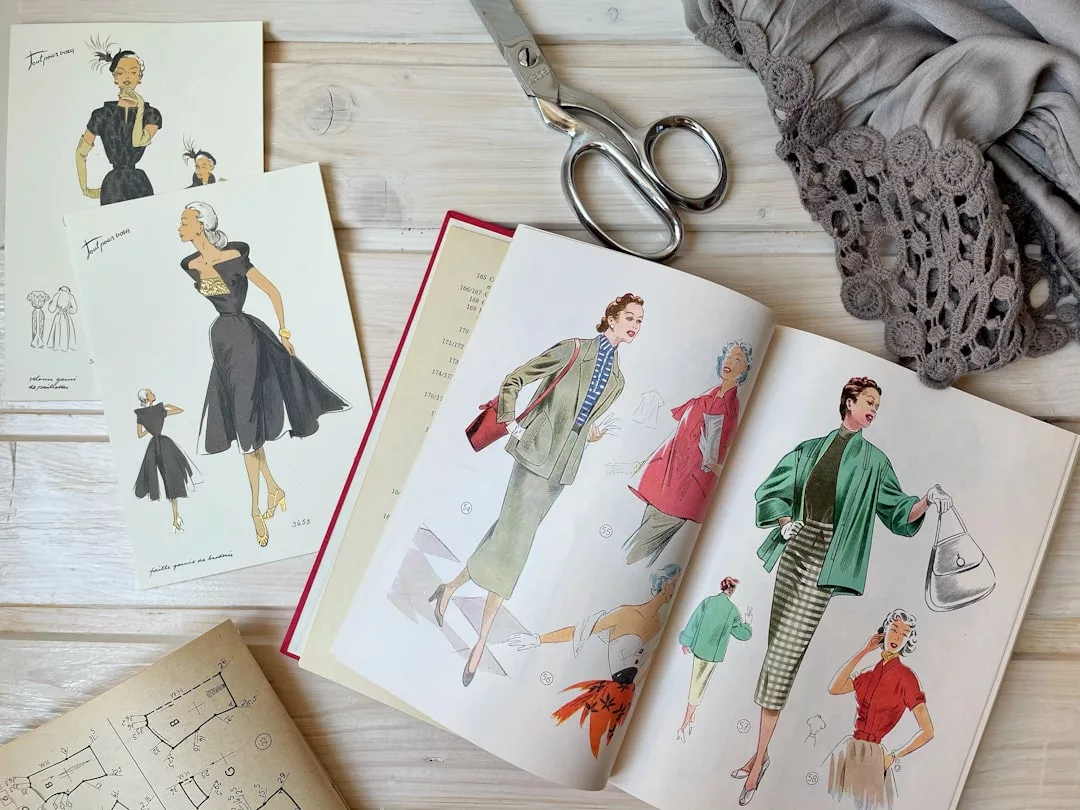
Pattern mixing is an art form that transcends mere clothing choices; it is a means of self-expression that allows individuals to showcase their creativity and personal style. At its core, pattern mixing involves combining different prints and designs within an outfit to create a cohesive yet visually stimulating look. This practice can range from subtle pairings, such as stripes with polka dots, to bold combinations like florals with animal prints.
The key to successful pattern mixing lies in understanding the principles that govern how patterns interact with one another, including color, scale, and texture. To embark on the journey of pattern mixing, one must first grasp the foundational concepts that dictate how patterns can complement or clash with each other. The interplay of colors is paramount; patterns that share a common color palette tend to harmonize better than those that do not.
Additionally, the scale of the patterns plays a crucial role; mixing large prints with smaller ones can create a dynamic visual effect, while combining patterns of similar sizes may lead to a chaotic appearance. Ultimately, mastering the basics of pattern mixing requires a keen eye for detail and an adventurous spirit willing to experiment with various combinations.
Key Takeaways
- Understanding the basics of pattern mixing is essential for creating cohesive and visually appealing outfits.
- Choosing the right patterns to mix involves considering scale, color, and style to ensure a harmonious combination.
- Balancing scale and proportion in pattern mixing is key to avoiding overwhelming or unbalanced looks.
- Incorporating solids and neutrals into pattern mixing can help ground the outfit and create a more polished appearance.
- Experimenting with color in pattern mixing can add interest and personality to your outfits.
Choosing the Right Patterns to Mix
When it comes to selecting patterns for mixing, the options are virtually limitless, but not all patterns are created equal. Some patterns naturally lend themselves to pairing, while others may require more careful consideration. Geometric patterns, for instance, often work well together due to their structured nature.
Stripes can be paired with checks or plaids, creating a visually interesting contrast without overwhelming the viewer. Floral prints, on the other hand, can be more challenging to mix; however, they can be successfully combined with other organic shapes or even geometric designs if approached thoughtfully. Another important factor in choosing patterns is the context in which they will be worn. Additionally, understanding your personal style and comfort level is essential when selecting patterns. If you are new to pattern mixing, starting with classic combinations, such as a striped shirt paired with a floral skirt, can help build confidence before venturing into more daring pairings.
Balancing Scale and Proportion in Pattern Mixing
The scale of patterns is a critical element in achieving a harmonious look when mixing prints. Large-scale patterns can dominate an outfit, while smaller prints may get lost in the mix if not paired thoughtfully. A common rule of thumb is to combine one large-scale pattern with one or two smaller-scale patterns.
For example, a bold floral dress can be beautifully complemented by a smaller polka dot scarf or a delicate striped cardigan. This approach creates visual interest without overwhelming the observer. Proportion also plays a significant role in how patterns are perceived.
When mixing patterns, consider the overall silhouette of your outfit. For instance, if you are wearing a voluminous skirt with a large print, balancing it with a fitted top featuring a smaller print can create a well-proportioned look.
Understanding how scale and proportion interact will empower you to create outfits that are not only visually appealing but also flattering to your body shape.
Incorporating Solids and Neutrals into Pattern Mixing
While the focus of pattern mixing often lies on prints, incorporating solid colors and neutrals can serve as an anchor for your outfit. Solid pieces can help break up busy patterns and provide visual relief, allowing the eye to rest while still maintaining interest in the overall look. For instance, if you are wearing a patterned blouse and patterned trousers, adding a solid-colored blazer can create a polished appearance while still embracing the playful nature of pattern mixing.
Neutrals are particularly effective in grounding an outfit filled with vibrant prints. Shades like beige, gray, and black can seamlessly blend into any ensemble without competing for attention. A neutral piece can also serve as a canvas upon which to layer more intricate patterns.
For example, pairing a bold floral skirt with a simple white tee allows the skirt to take center stage while still providing a balanced aesthetic. By strategically incorporating solids and neutrals into your pattern-mixing endeavors, you can achieve a sophisticated look that feels both intentional and effortless.
Experimenting with Color in Pattern Mixing
Color is one of the most powerful tools in pattern mixing, capable of transforming an outfit from mundane to extraordinary. When experimenting with color in your pattern combinations, consider using a color wheel as a guide. Complementary colors, those opposite each other on the wheel, can create striking contrasts that draw attention and add vibrancy to your look.
For example, pairing a blue floral print with an orange geometric pattern can result in an eye-catching ensemble that feels fresh and modern. Monochromatic schemes also offer an exciting avenue for exploration in pattern mixing. By selecting patterns that share varying shades of the same color, you can create depth and dimension without overwhelming the viewer.
For instance, different shades of green in various prints, such as a leafy print paired with stripes, can evoke a sense of harmony while still showcasing your adventurous spirit. Ultimately, experimenting with color allows you to push boundaries and discover unique combinations that reflect your personality.
Mixing Different Textures in Pattern Mixing
Texture adds another layer of complexity to pattern mixing that can elevate your outfit from ordinary to extraordinary. Different fabrics can interact in fascinating ways when combined thoughtfully. For instance, pairing a soft cotton floral blouse with a structured tweed skirt creates an intriguing contrast that adds depth to your look.
The juxtaposition of textures not only enhances visual interest but also contributes to the overall tactile experience of wearing the outfit. When mixing textures, consider how they complement each other in terms of weight and drape. Heavier fabrics like denim or wool can anchor lighter materials such as chiffon or silk, creating balance within the ensemble.
Additionally, incorporating various textures can help define different elements of your outfit; for example, pairing a chunky knit sweater with a sleek satin skirt can create an appealing contrast between casual and formal elements. By embracing texture alongside pattern mixing, you can craft outfits that are rich in both visual and tactile appeal.
Layering Patterns for a Dynamic Look
Layering is an essential technique in pattern mixing that allows for greater creativity and versatility in styling. By layering different patterned pieces, you can create depth and dimension within your outfit while showcasing multiple prints simultaneously. For instance, wearing a patterned shirt under a patterned blazer can create an intriguing visual effect when done correctly.
The key is to ensure that the layers complement each other rather than compete for attention. When layering patterns, consider varying the scale and type of prints used in each layer. A large floral print on a dress can be layered with a smaller polka dot cardigan or scarf for added interest without overwhelming the overall look.
Additionally, playing with different lengths, such as pairing a cropped patterned jacket over a longer patterned dress, can create dynamic silhouettes that draw the eye upward or downward. Layering not only enhances your outfit but also allows for adaptability; as temperatures change throughout the day, you can easily remove or add layers while maintaining your stylish edge.
Mixing Patterns in Different Fabric Types
The fabric type plays an integral role in how patterns are perceived and how they interact within an outfit. Different materials have unique characteristics that affect their drape, sheen, and overall appearance. For example, combining a structured cotton shirt with a flowing silk skirt creates an interesting contrast between rigidity and softness that adds depth to your ensemble.
Understanding how various fabrics behave when mixed together is essential for achieving a polished look. When mixing patterns across different fabric types, consider how they complement each other in terms of weight and texture. Heavier fabrics like denim or wool may work well with lighter materials such as chiffon or linen when balanced correctly.
Additionally, incorporating fabrics with varying finishes, such as matte versus shiny, can enhance visual interest within your outfit. For instance, pairing a matte cotton top with a shiny satin skirt creates an appealing contrast that draws attention without overwhelming the viewer.
Using Accessories to Enhance Pattern Mixing
Accessories serve as powerful tools for enhancing pattern mixing by adding layers of interest without overwhelming the overall look. Scarves, belts, bags, and jewelry can all contribute to the complexity of an outfit while allowing for additional opportunities to incorporate patterns or colors that tie everything together. For example, wearing a patterned scarf over a printed dress can introduce another layer of visual intrigue while maintaining cohesion through shared colors or motifs.
When selecting accessories for pattern mixing, consider their scale and style in relation to your outfit’s existing prints. A bold statement necklace may compete with intricate patterns on your clothing; instead, opt for more delicate pieces that complement rather than overshadow your ensemble. Additionally, using accessories in solid colors or subtle textures can help ground your look while still allowing for playful experimentation with patterns elsewhere.
Breaking the Rules of Pattern Mixing
While there are established guidelines for successful pattern mixing, breaking these rules can lead to innovative and unexpected results that showcase your unique style. Embracing unconventional combinations, such as pairing clashing prints or using multiple bold patterns, can create striking outfits that stand out from the crowd. The key is to approach these combinations with confidence and an open mind.
One way to break the rules effectively is by focusing on color cohesion rather than strict adherence to pattern guidelines. If two prints share similar colors but differ significantly in style, such as floral and abstract geometric, they may still work well together despite their differences. Additionally, experimenting with layering multiple patterns at once can yield exciting results; just ensure that there is some element of balance, whether through color or scale, to maintain visual harmony.
Tips for Mastering Pattern Mixing Like a Pro
To truly master the art of pattern mixing requires practice and experimentation; however, there are several tips that can help streamline the process and boost confidence along the way. First and foremost, start small by incorporating one or two patterns into your outfits before gradually increasing complexity as you become more comfortable with mixing prints. This approach allows you to build confidence while honing your eye for what works well together.
Another helpful tip is to create mood boards or inspiration boards featuring outfits that resonate with you; this visual reference can serve as guidance when selecting patterns for future ensembles. Additionally, don’t hesitate to seek inspiration from fashion influencers or magazines known for their bold pattern-mixing styles; observing how others combine prints can spark ideas for your own wardrobe. Lastly, remember that personal style is subjective; what works for one person may not resonate with another.
Embrace your individuality by experimenting fearlessly with different combinations until you find what feels authentic to you. With practice and an adventurous spirit, mastering pattern mixing will become second nature, allowing you to express yourself through fashion in exciting new ways.
More in
More from Fashion
Fashion · 2 min
Silk and Sartorial Smarts: Embracing the Singular Garment Principle
In an age of overwhelming choice, the ultimate luxury isn’t having more, it’s having the right thing. The modern wardrobe is undergoing a quiet r…
Fashion · 9 min
Dressing to Impress: The Art of Formal Wear
First impressions are often described as lasting impressions, and this adage holds significant weight in both personal and professional contexts. When…

Fashion · 9 min
Timeless Style: The Trench Coat
The trench coat has a rich and storied history that dates back to the late 19th century. Originally designed for military use, the trench coat was cre…