Jewelry · Jewelry
Mastering the Prong Setting for Sparkling Gemstones
The prong setting is one of the most popular and enduring styles of gemstone settings in jewelry design. Characterized by its use of small metal claws or prongs that hold the gemst…
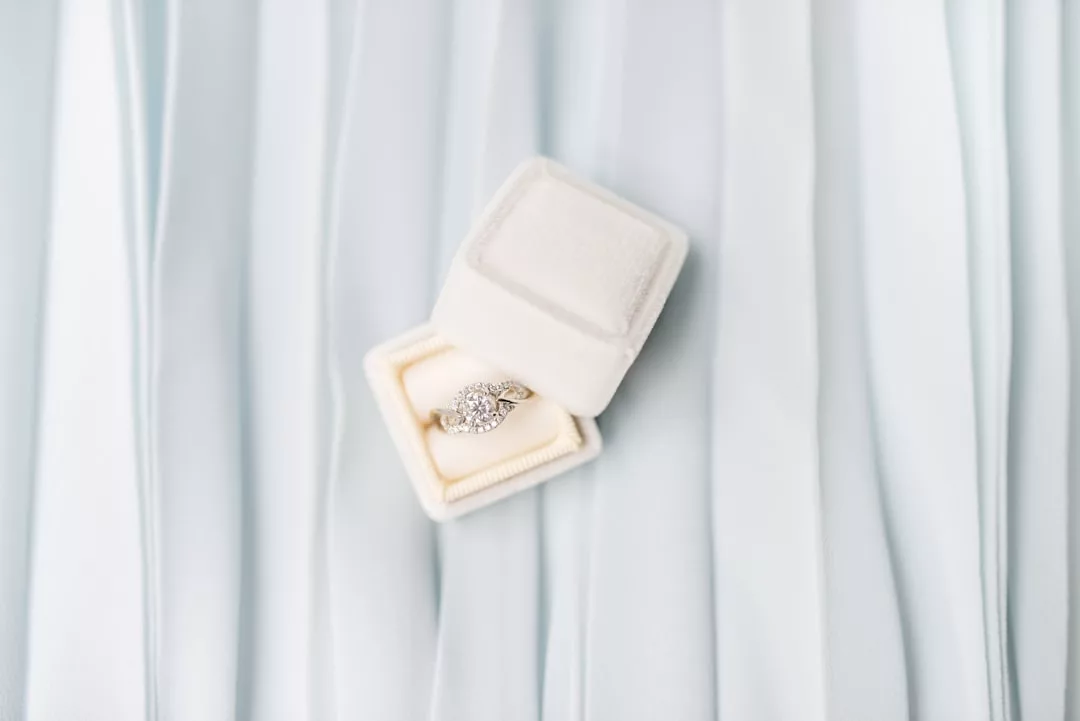
The prong setting is one of the most popular and enduring styles of gemstone settings in jewelry design. Typically, a prong setting consists of four to six prongs that cradle the gemstone, elevating it above the band or mounting.
This elevation not only showcases the gem but also allows light to enter from various angles, creating a dazzling effect that is particularly desirable in engagement rings and other fine jewelry. Historically, the prong setting has been favored for its ability to highlight the natural beauty of gemstones. The design can be traced back to the late 19th century when jewelers began experimenting with different ways to secure stones while maximizing their visibility.
The versatility of the prong setting means it can accommodate a wide range of gemstones, from diamonds to sapphires, and can be adapted to suit various styles, from classic to contemporary. Understanding the nuances of this setting is essential for both jewelers and consumers alike, as it plays a crucial role in the overall aesthetic and durability of the piece.
Key Takeaways
- The prong setting is a popular method for securing gemstones in jewelry, using small metal claws to hold the stone in place.
- When choosing the right prong setting for your gemstone, consider the size, shape, and type of gemstone, as well as the desired style of the jewelry piece.
- Tools and materials needed for setting gemstones include tweezers, pliers, a jeweler’s loupe, and a gemstone setting kit.
- Preparing the gemstone and setting involves cleaning and inspecting the gemstone, as well as shaping and positioning the prongs.
- Setting the gemstone in the prong requires careful placement and adjustment of the prongs to securely hold the gemstone in place.
- Securing the prongs involves using a prong pusher or setting bur to carefully and evenly bend the prongs over the gemstone.
- Finishing and polishing the setting involves removing any excess metal and using a polishing cloth or machine to achieve a smooth and shiny finish.
- Troubleshooting common issues with prong settings includes addressing loose or uneven prongs, as well as ensuring the gemstone is securely held in place.
- Tips for maintaining prong settings include regular cleaning, checking for loose prongs, and avoiding activities that could damage the gemstone or prongs.
- Advanced techniques for mastering the prong setting include using different prong styles, setting multiple gemstones, and creating custom prong settings for unique jewelry designs.
- Showcasing your sparkling gemstone masterpiece involves displaying and caring for your prong-set jewelry to highlight the beauty of the gemstone and the skill of the setting.
Choosing the Right Prong Setting for Your Gemstone
Selecting the appropriate prong setting for a gemstone involves considering several factors, including the type of stone, its shape, and personal style preferences. Different gemstones have varying hardness levels, which can influence how they are set. For instance, diamonds, known for their exceptional hardness, are often set in traditional prong settings that allow for maximum light exposure.
In contrast, softer stones like opals may require more protective settings to prevent chipping or damage. The shape of the gemstone also plays a significant role in determining the best prong setting. Round brilliant cut diamonds are commonly set in four-prong settings, which provide a secure hold while allowing light to penetrate from all angles.
On the other hand, fancy-shaped stones such as emeralds or pears may benefit from a more tailored approach, often utilizing five or six prongs to ensure stability and security. Additionally, personal style preferences should not be overlooked; some individuals may prefer a minimalist look with fewer prongs, while others might opt for a more elaborate design that incorporates additional decorative elements.
Tools and Materials Needed for Setting Gemstones
Setting gemstones in prong settings requires a specific set of tools and materials to ensure precision and quality. Essential tools include pliers, tweezers, a setting bur, and a ring clamp or holder. Pliers are used to manipulate the prongs during the setting process, while tweezers help in positioning the gemstone accurately within the setting.
A setting bur is crucial for creating notches in the prongs that will securely hold the stone in place. In addition to tools, jewelers must also have access to high-quality materials. The choice of metal for the prong setting is vital; common options include gold (yellow, white, or rose), platinum, and sterling silver. For example, platinum is known for its durability and resistance to tarnish, making it an excellent choice for securing valuable gemstones. Furthermore, jewelers may also require additional materials such as adhesive compounds or wax for temporary holds during the setting process.
Preparing the Gemstone and Setting
Before setting a gemstone into a prong setting, meticulous preparation is essential to ensure a successful outcome. The first step involves inspecting the gemstone for any flaws or inclusions that could affect its appearance or integrity once set. Cleaning the stone is also crucial; any dirt or oil can hinder the light’s ability to pass through the gem, diminishing its brilliance.
A gentle cleaning solution or ultrasonic cleaner can be used to remove any residues. Once the gemstone is clean and inspected, attention turns to preparing the prong setting itself. This involves ensuring that the prongs are properly shaped and aligned to accommodate the specific dimensions of the gemstone.
Jewelers often use calipers to measure both the stone and the setting accurately. If necessary, adjustments may be made to the prongs to ensure they will securely hold the stone without excessive pressure that could lead to damage. This preparation phase is critical; any oversight can result in complications during the actual setting process.
Setting the Gemstone in the Prong
The actual process of setting a gemstone in a prong involves careful handling and precision. Once the gemstone is positioned within the prong setting, jewelers typically start by gently pushing down on one of the prongs using pliers to secure one side of the stone. This initial hold is crucial as it stabilizes the gem while allowing for adjustments on other sides.
Jewelers must be cautious during this step; applying too much pressure can lead to cracking or chipping of the stone. After securing one side of the gemstone, jewelers proceed to set each remaining prong in succession. It is essential to maintain even pressure across all prongs to ensure that the gemstone remains centered and secure throughout the process.
Jewelers often take breaks between each adjustment to reassess the positioning of both the stone and prongs. This methodical approach helps prevent any misalignment that could compromise the integrity of the setting.
Securing the Prongs
Once all prongs are in place around the gemstone, securing them becomes paramount to ensure long-lasting durability. Jewelers typically use specialized pliers designed for this purpose; these pliers allow for precise control when bending and shaping each prong around the stone. The goal is to create a snug fit without applying excessive force that could damage either the gemstone or its mounting.
During this phase, it’s important for jewelers to check for any gaps between the prongs and gemstone. Any space could lead to potential loosening over time or even loss of the stone itself. If gaps are detected, adjustments must be made immediately, either by tightening existing prongs or reshaping them as necessary.
This attention to detail is what distinguishes skilled jewelers from novices; ensuring that every aspect of the setting is secure contributes significantly to both aesthetics and longevity.
Finishing and Polishing the Setting
After securing all prongs around the gemstone, finishing touches are essential for achieving a polished look that enhances both beauty and durability. This stage often involves filing down any rough edges left from bending or shaping the prongs. Jewelers use fine files or sanding tools to smooth out these areas carefully, ensuring that no sharp edges remain that could snag on clothing or skin.
Polishing is another critical step in this process. Jewelers typically employ polishing compounds and buffing wheels to bring out a high shine on both the metal setting and surrounding areas. This not only enhances visual appeal but also helps protect against tarnishing over time.
The final polish should leave a smooth surface that complements the brilliance of the gemstone while ensuring that all elements of the piece harmonize beautifully.
Troubleshooting Common Issues with Prong Settings
Even experienced jewelers may encounter challenges when working with prong settings. One common issue is misalignment of the gemstone within its setting; this can occur if one or more prongs are not adjusted evenly during installation. If this happens, jewelers must carefully re-evaluate each prong’s position and make necessary adjustments without risking damage to either the stone or metal.
Another frequent problem involves loose stones after initial setting; this can arise from insufficient pressure applied during securing or from wear over time. If a stone becomes loose, it’s crucial to address it promptly by tightening or reshaping prongs as needed. Jewelers may also consider adding additional support features such as beads or additional prongs if necessary to enhance security.
Tips for Maintaining Prong Settings
Maintaining prong settings requires regular care and attention to ensure longevity and continued brilliance of both metal and gemstones. One fundamental tip is routine cleaning; using a soft brush and mild soap solution can help remove dirt buildup without damaging either metal or stone. Avoiding harsh chemicals is essential as they can lead to tarnishing or degradation over time.
Additionally, regular inspections are vital; checking for loose stones or bent prongs can prevent potential loss or damage before it occurs. Jewelers recommend having pieces professionally checked at least once a year, especially for frequently worn items like engagement rings. This proactive approach ensures that any issues are addressed promptly while preserving both beauty and value.
Advanced Techniques for Mastering the Prong Setting
For those looking to elevate their skills in jewelry making, mastering advanced techniques related to prong settings can open up new creative avenues. One such technique involves using micro-pavé settings where tiny gemstones are set closely together within a series of small prongs, this requires exceptional precision but results in stunning visual effects that enhance overall design. Another advanced method includes incorporating unique designs into traditional prong settings; this might involve using mixed metals or adding decorative elements such as filigree work around each prong.
These techniques not only showcase technical skill but also allow jewelers to create one-of-a-kind pieces that stand out in an increasingly competitive market.
Showcasing Your Sparkling Gemstone Masterpiece
Once a gemstone has been expertly set in its prong setting, showcasing this masterpiece becomes an exciting endeavor. Presentation plays a significant role in highlighting both craftsmanship and beauty; using elegant display boxes or stands can enhance visual appeal while protecting delicate pieces from damage. Photography also serves as an effective way to showcase jewelry creations; capturing images under various lighting conditions can emphasize sparkle and brilliance while allowing potential buyers or admirers to appreciate intricate details up close.
Social media platforms provide an excellent avenue for sharing these creations with wider audiences, engaging storytelling about each piece’s inspiration adds depth that resonates with viewers. In conclusion, understanding every aspect of creating beautiful jewelry through effective use of prong settings opens doors not only for personal expression but also professional growth within this timeless craft.
More in
More from Jewelry
Jewelry · 8 min
Stylish Bar Jewelry: Elevate Your Look
Bar jewelry has emerged as a captivating trend in the world of accessories, captivating fashion enthusiasts and casual wearers alike. Characterized by…
Jewelry · 9 min
Unlocking the Elegance of the Emerald Cut
The emerald cut has a rich and storied history that dates back to the 15th century, originating in the lapidary practices of the Spanish and Portugues…
Jewelry · 9 min
Bangle: A Timeless Fashion Accessory
Bangle jewelry has a rich and diverse history that spans across various cultures and epochs. The origins of bangles can be traced back to ancient civi…