News · News
Maximizing Social Events for Connection and Fun
The ambiance of an event plays a crucial role in determining its success. An inviting atmosphere can set the tone for interactions, encouraging attendees to engage and connect with…
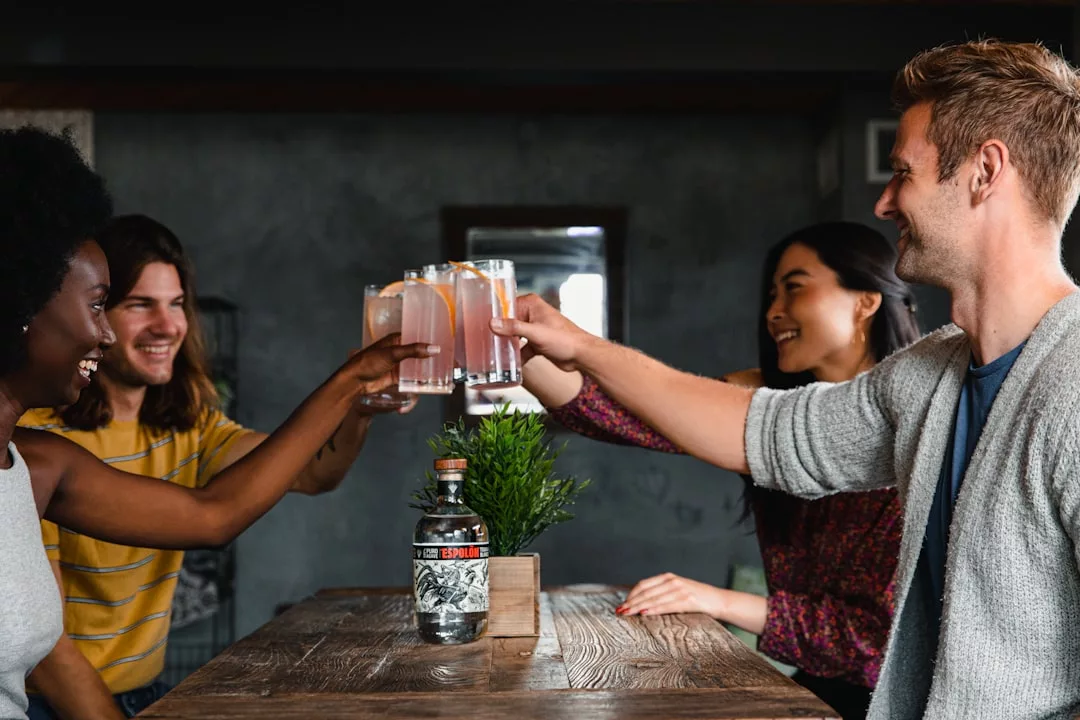
The ambiance of an event plays a crucial role in determining its success. An inviting atmosphere can set the tone for interactions, encouraging attendees to engage and connect with one another. To create such an environment, consider the physical space, lighting, and even the scent that permeates the area.
For instance, soft lighting can create a warm and welcoming feel, while bright, harsh lights may make guests feel uncomfortable or on edge. Incorporating elements like comfortable seating arrangements, decorative plants, and art can also enhance the overall aesthetic, making it easier for people to relax and open up. Moreover, the layout of the space is equally important.
Arranging seating in a circular or semi-circular fashion can foster a sense of community and encourage conversation. Avoiding long tables that create barriers between guests can help facilitate more intimate discussions. Additionally, incorporating background music that is pleasant yet unobtrusive can help fill any awkward silences and create a lively atmosphere.
The goal is to make attendees feel at ease, allowing them to focus on building connections rather than feeling overwhelmed by their surroundings.
Key Takeaways
- Setting the Stage: Creating an Inviting Atmosphere
- Icebreakers and Conversation Starters: Breaking the Social Barrier
- Networking with Purpose: Making Meaningful Connections
- Leveraging Technology: Using Social Media to Enhance the Experience
- Mindful Mingling: Being Present and Engaged in Conversations
Icebreakers and Conversation Starters: Breaking the Social Barrier
Icebreakers serve as essential tools for initiating conversations and breaking down social barriers. They can range from simple questions to engaging activities that prompt interaction among attendees. For example, asking guests to share their favorite travel destination or a unique hobby can spark lively discussions and reveal common interests.
These prompts not only help individuals introduce themselves but also create a foundation for deeper conversations as they explore shared experiences. Incorporating interactive icebreaker games can further enhance engagement. Activities like “Two Truths and a Lie” or “Human Bingo” encourage participants to mingle and learn about one another in a fun and relaxed manner.
These games not only lighten the mood but also provide opportunities for attendees to discover unexpected connections. By facilitating these initial interactions, hosts can help attendees feel more comfortable and open to forming meaningful relationships throughout the event.
Networking with Purpose: Making Meaningful Connections
Networking is often perceived as a transactional activity focused solely on exchanging business cards or LinkedIn connections. However, meaningful networking goes beyond mere introductions; it involves cultivating genuine relationships based on shared interests and values. To network with purpose, individuals should approach conversations with curiosity and an open mind, seeking to understand others rather than simply promoting themselves.
One effective strategy is to set specific goals for networking interactions. For instance, rather than aiming to meet as many people as possible, focus on having in-depth conversations with a select few individuals. This approach allows for more meaningful exchanges and fosters a sense of connection that can lead to lasting relationships.
Additionally, actively listening and asking thoughtful questions can demonstrate genuine interest in others’ experiences, further enhancing the quality of interactions.
Leveraging Technology: Using Social Media to Enhance the Experience
In today’s digital age, technology plays a pivotal role in enhancing social interactions and networking opportunities. Social media platforms can serve as valuable tools for event promotion, allowing hosts to reach a wider audience and engage potential attendees before the event even begins. Creating an event-specific hashtag can encourage participants to share their experiences online, fostering a sense of community even before they arrive. Utilizing apps that allow attendees to connect with one another digitally can also streamline networking efforts. For example, platforms like Whova or Eventbrite offer features that enable participants to view attendee profiles and schedule meetings, making it easier to connect with like-minded individuals.
By leveraging technology effectively, hosts can enhance the overall experience and create lasting connections among attendees.
Mindful Mingling: Being Present and Engaged in Conversations
In a world filled with distractions, practicing mindfulness during social events is essential for fostering genuine connections. Being present in conversations means actively listening and engaging with others rather than allowing one’s mind to wander or becoming preoccupied with external distractions. This level of engagement not only enhances the quality of interactions but also demonstrates respect for the individuals involved.
To cultivate mindfulness in social settings, individuals can employ techniques such as maintaining eye contact, nodding in acknowledgment, and asking follow-up questions based on what others share. These practices signal genuine interest and encourage deeper conversations. Additionally, setting aside electronic devices during interactions can help eliminate distractions, allowing attendees to focus entirely on the person in front of them.
By prioritizing presence in conversations, individuals can create more meaningful connections that extend beyond surface-level exchanges.
Interactive Activities: Adding a Dash of Fun to Social Events
Incorporating interactive activities into social events can significantly enhance engagement and enjoyment among attendees. These activities not only break the ice but also provide opportunities for collaboration and teamwork, fostering connections among participants. For instance, organizing group challenges or team-building exercises can encourage attendees to work together toward a common goal while simultaneously getting to know one another.
Creative activities such as art stations or cooking classes can also add an element of fun to events. These hands-on experiences allow participants to express themselves while engaging in lighthearted interactions with others. Additionally, incorporating games or competitions can create a lively atmosphere that encourages mingling and camaraderie among guests.
By adding these interactive elements, hosts can transform traditional networking events into memorable experiences that leave a lasting impression on attendees.
Hosting Tips: Creating a Memorable and Welcoming Experience
Successful hosting requires careful planning and attention to detail to ensure that guests feel welcomed and valued throughout the event. One key aspect is providing clear communication regarding event logistics, including start times, locations, and any necessary materials or preparations required from attendees. This transparency helps alleviate any potential anxiety guests may feel about attending.
Additionally, personal touches can go a long way in creating a memorable experience. These small gestures foster a sense of belonging and encourage attendees to engage with one another more easily.
Furthermore, ensuring that refreshments are readily available creates a relaxed atmosphere where guests can mingle comfortably while enjoying snacks or beverages.
Cultivating Inclusivity: Making Everyone Feel Welcome and Valued
Inclusivity is paramount in creating an environment where all attendees feel welcome and valued. This involves being mindful of diverse backgrounds, perspectives, and experiences among participants. Hosts should strive to create an atmosphere that encourages open dialogue and respects differing viewpoints while promoting understanding among attendees.
One effective way to cultivate inclusivity is by actively seeking input from diverse voices when planning events. This could involve consulting with individuals from various backgrounds or incorporating themes that celebrate different cultures or traditions. Additionally, providing accommodations for individuals with disabilities ensures that everyone has equal access to participation.
By prioritizing inclusivity in event planning, hosts can create spaces where all attendees feel empowered to contribute their unique perspectives.
The Power of Follow-Up: Nurturing Relationships Beyond the Event
The conclusion of an event does not signify the end of networking opportunities; rather, it marks the beginning of nurturing relationships established during the gathering. Following up with new connections is essential for solidifying bonds and demonstrating genuine interest in maintaining those relationships. A simple email expressing gratitude for the conversation or sharing relevant resources can go a long way in reinforcing connections made during the event.
Moreover, utilizing social media platforms to stay connected allows individuals to engage with one another beyond face-to-face interactions. Sharing articles or insights related to topics discussed during the event can spark ongoing conversations and keep relationships alive over time. By prioritizing follow-up efforts, individuals can transform fleeting encounters into meaningful connections that contribute to personal and professional growth.
Embracing Diversity: Celebrating Differences and Building Bridges
Diversity enriches social interactions by bringing together individuals from various backgrounds, cultures, and perspectives. Embracing this diversity not only enhances the overall experience but also fosters understanding and collaboration among attendees. Celebrating differences through themed events or discussions centered around cultural appreciation can create opportunities for learning and growth.
Encouraging open dialogue about diverse experiences allows participants to share their stories while fostering empathy among attendees. This exchange of perspectives helps break down stereotypes and build bridges between individuals who may have otherwise never crossed paths. By actively promoting diversity within social settings, hosts can create environments where everyone feels valued and empowered to contribute their unique insights.
Reflection and Feedback: Learning and Growing from Social Events
After an event concludes, taking time for reflection and gathering feedback is crucial for continuous improvement in hosting future gatherings. Reflecting on what worked well and what could be enhanced provides valuable insights into creating even more engaging experiences moving forward. This process allows hosts to identify successful strategies while addressing any challenges encountered during the event.
Collecting feedback from attendees through surveys or informal conversations can provide additional perspectives on their experiences. Understanding what aspects resonated with participants helps inform future planning decisions while ensuring that events remain relevant and enjoyable for all involved. By embracing reflection as part of the hosting process, individuals can cultivate a culture of growth that ultimately leads to more successful social gatherings in the future.
More in
More from News

News · 15 min
Future of Luxury Fashion: Innovation, Technology, and the Next Frontier
Discover the future of luxury fashion: how AI, blockchain, digital couture, bio-fabricated materials and sustainability are reshaping maisons and the …

News · 15 min
Celebrity Style Guide: Decoding the Fashion of the Famous
Decode celebrity style: how stylists, red carpet partnerships, and social media shape fashion, plus archetypes and tips to build a celebrity-inspired …

News · 14 min
Luxury Lifestyle Guide: Curating the Art of Living Well
Discover the luxury lifestyle as the art of living well: quiet luxury in travel, wine, home design, wardrobe, watches, and wellness, curated with inte…