News · News
Maximizing Your Style and Savings with Thrift Shopping
Thrift shopping has evolved from a niche activity into a mainstream trend, appealing to a diverse range of consumers who are increasingly conscious of their spending habits and env…
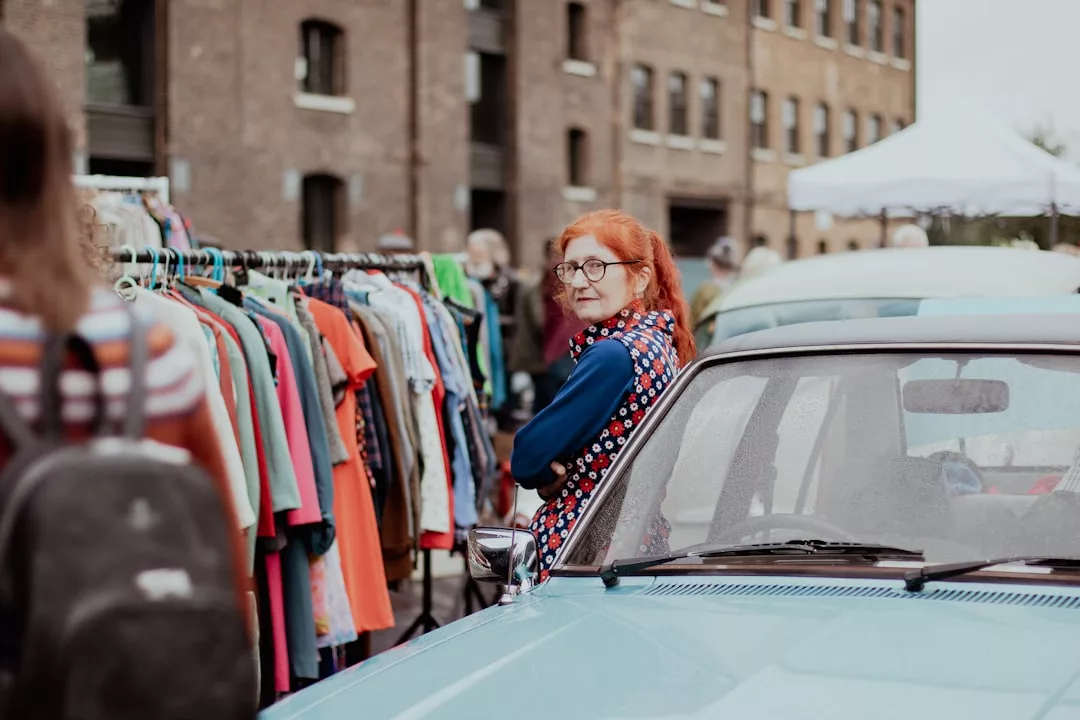
Thrift shopping has evolved from a niche activity into a mainstream trend, appealing to a diverse range of consumers who are increasingly conscious of their spending habits and environmental impact. The allure of thrift stores lies not only in the potential for significant savings but also in the unique and eclectic items that can be discovered. These shops often serve as treasure troves filled with vintage clothing, rare collectibles, and one-of-a-kind pieces that tell a story.
As more people seek sustainable alternatives to fast fashion, thrift shopping has become a viable option for those looking to curate a distinctive wardrobe while minimizing their carbon footprint. The rise of thrift shopping can also be attributed to the growing popularity of vintage aesthetics and the desire for individuality in personal style. In an age where mass-produced clothing dominates the market, thrift stores offer an antidote by providing access to items that are not only affordable but also rich in character.
This shift in consumer behavior reflects a broader cultural movement towards sustainability, creativity, and self-expression. As shoppers embrace the thrill of the hunt, they are not just purchasing clothing; they are participating in a lifestyle that values uniqueness and environmental responsibility.
Key Takeaways
- Thrift shopping is a sustainable and budget-friendly way to build a unique wardrobe.
- Look for quality items by checking for durable materials and well-constructed seams.
- Designer and vintage pieces can be found by examining labels, logos, and unique details.
- Mix and match thrifted items to create versatile and stylish outfits.
- Stay patient and persistent to uncover hidden gems and unique finds in thrift stores.
Tips for Finding Quality Items
When embarking on a thrift shopping adventure, having a strategy can significantly enhance the experience and increase the likelihood of finding high-quality items. One effective approach is to familiarize oneself with the layout of the store. Many thrift shops categorize their inventory by type, clothing, shoes, accessories, so knowing where to look can save time and energy.
Additionally, it’s beneficial to visit stores during off-peak hours when they are less crowded, allowing for a more leisurely browsing experience. This can lead to discovering hidden gems that might be overlooked during busier times. Another crucial tip is to develop an eye for quality materials and craftsmanship.
When sifting through racks of clothing, pay attention to fabric types; natural fibers like cotton, wool, and silk often indicate better quality than synthetic materials. Inspecting seams and stitching can also provide insight into an item’s durability. Look for well-constructed garments with reinforced stitching and clean finishes.
Furthermore, understanding brands known for their quality can guide your search; labels like Eileen Fisher or Ralph Lauren often signify higher standards of production.
How to Spot Designer and Vintage Pieces
Identifying designer and vintage pieces in thrift stores requires a keen eye and some knowledge of fashion history. One of the first steps is to familiarize oneself with iconic designer labels and their signature styles. For instance, brands like Chanel, Gucci, and Prada often have distinct features such as unique patterns, logos, or hardware that can help in recognizing authentic pieces.
Additionally, many designers have specific tags or labels that can be researched online or through fashion encyclopedias. Understanding these nuances can make spotting a hidden treasure much easier. Vintage clothing is often characterized by its unique cuts and styles that reflect the fashion trends of specific eras.
To identify vintage pieces, shoppers should look for labels that indicate the garment’s age, such as those from the 1960s or 1970s. Tags that read “Made in the USA” or “Union Made” can also hint at older production methods. Beyond labels, examining the construction techniques, such as hand-stitched hems or unique button placements, can provide clues about a piece’s vintage status.
Moreover, certain styles are emblematic of particular decades; for example, high-waisted jeans are reminiscent of the 1980s while flapper dresses evoke the 1920s. By combining knowledge of design elements with an understanding of fashion history, thrift shoppers can uncover valuable pieces that add depth to their collections.
Maximizing Your Wardrobe with Mix-and-Match Pieces
One of the most rewarding aspects of thrift shopping is the ability to create a versatile wardrobe filled with mix-and-match pieces. The key to maximizing this potential lies in selecting items that complement each other in terms of color, style, and fabric. When shopping, consider building a capsule wardrobe, a collection of essential items that can be easily combined to create various outfits.
Neutral colors such as black, white, beige, and navy serve as excellent foundations upon which to layer bolder patterns or colors. Incorporating statement pieces into a mix-and-match wardrobe can also elevate an outfit without overwhelming it. For instance, a vibrant patterned blouse can be paired with classic denim jeans or tailored trousers for a balanced look.
Accessories play a crucial role in this process; scarves, belts, and jewelry can transform basic outfits into stylish ensembles. Thrift stores often have an abundance of accessories at low prices, making it easy to experiment with different styles without breaking the bank. By thoughtfully curating a collection of versatile pieces, thrift shoppers can enjoy endless outfit possibilities while maintaining a cohesive personal style.
Incorporating Trends into Your Thrifted Finds
Thrift shopping offers a unique opportunity to incorporate current fashion trends into your wardrobe without succumbing to the high prices associated with fast fashion retailers. Many trends cycle back into popularity over time; therefore, what may seem outdated today could very well be en vogue tomorrow. For example, oversized blazers and high-waisted trousers have made a comeback in recent years, making it possible to find similar styles in thrift stores at a fraction of the cost.
To effectively integrate trends into your thrifted finds, it’s essential to stay informed about current fashion movements through social media platforms like Instagram or TikTok. Influencers often showcase how they style thrifted items in trendy ways, providing inspiration for your own wardrobe. When shopping, look for pieces that embody these trends but also possess timeless qualities, this ensures longevity in your collection.
For instance, a classic denim jacket can be styled in various ways throughout different seasons while remaining relevant regardless of changing trends. By being strategic about your purchases and keeping an eye on fashion forecasts, you can create a stylish wardrobe that reflects both current trends and your personal aesthetic.
Understanding the Value of Patience in Thrift Shopping
Patience is an invaluable asset when it comes to thrift shopping; it’s not uncommon for shoppers to leave empty-handed after several visits before finally striking gold. The nature of thrift stores means that inventory is constantly changing as new donations come in and items are sold out. Therefore, developing a routine of regular visits can increase your chances of finding desirable items over time.
It’s important to approach each trip with an open mind and realistic expectations; sometimes the thrill lies not just in what you find but in the journey itself. Moreover, patience extends beyond just finding items; it also applies to the process of trying on clothes and assessing fit. Thrifted items may not always fit perfectly off the rack due to variations in sizing across different brands and eras.
Taking the time to try on multiple sizes or styles can lead to unexpected discoveries, what may seem unflattering on the hanger could look stunning when worn correctly. Embracing this mindset allows shoppers to appreciate the uniqueness of each piece while fostering creativity in styling them.
Budget-Friendly Ways to Update and Customize Thrifted Items
One of the most exciting aspects of thrift shopping is the potential for customization and updating items to suit personal tastes. With minimal investment in tools and materials, thrifted garments can be transformed into something entirely new and unique. Simple alterations such as hemming pants or taking in seams can dramatically change how an item fits and feels.
For those who enjoy DIY projects, adding embellishments like patches or embroidery can breathe new life into an otherwise plain piece. Another budget-friendly approach is to repurpose items entirely; for example, an oversized shirt can be converted into a trendy dress with some creative cutting and sewing techniques. Additionally, layering different pieces together can create fresh looks without needing to purchase new clothing regularly.
A vintage sweater paired with a modern skirt or tailored trousers can create an effortlessly chic outfit that stands out from typical fast-fashion ensembles. By embracing creativity and resourcefulness, thrift shoppers can cultivate a wardrobe that reflects their individuality while remaining budget-conscious.
The Importance of Trying Things On and Alterations
The importance of trying on clothes when thrift shopping cannot be overstated; fit is crucial when it comes to looking polished and put-together. Unlike traditional retail stores where sizes are more standardized, thrifted items often come from various eras and brands with differing sizing conventions. Therefore, what may be labeled as a size medium in one brand could fit like a small or large in another.
Taking the time to try on multiple sizes ensures that you find pieces that flatter your body shape and enhance your overall appearance. In addition to trying on clothes, considering alterations is essential for achieving the perfect fit. Many thrifted items may require minor adjustments, such as shortening sleeves or taking in waistlines, to look their best.
Investing in alterations can transform an average piece into something tailored specifically for you, elevating its overall aesthetic appeal. Local tailors often offer affordable services that can make significant differences in how clothing fits and feels when worn. By prioritizing fit through trying on garments and seeking alterations when necessary, thrift shoppers can maximize their wardrobe’s potential.
Shopping for Accessories and Shoes
While clothing often takes center stage during thrift shopping excursions, accessories and shoes deserve equal attention for their ability to complete an outfit or add flair to any look. Thrift stores frequently carry an array of accessories, from handbags and belts to scarves and jewelry, that can enhance even the simplest outfits without requiring significant investment. When browsing through these sections, consider how each piece could complement existing items in your wardrobe.
Shoes are another area where thrifting can yield fantastic finds; many thrift stores have sections dedicated solely to footwear that includes everything from vintage heels to classic sneakers. When shopping for shoes, it’s essential to inspect them carefully for signs of wear or damage, look for scuff marks on leather or worn-out soles that may indicate they won’t last long-term. However, don’t shy away from shoes that may need some TLC; a good cleaning or polishing can restore them to their former glory at minimal cost.
By being open-minded about accessories and footwear while thrifting, shoppers can elevate their style game significantly.
Building a Sustainable and Ethical Wardrobe through Thrift Shopping
Thrift shopping aligns seamlessly with the growing movement towards sustainability and ethical consumerism in fashion. By choosing second-hand clothing over new purchases from fast-fashion retailers, consumers actively participate in reducing waste and minimizing their environmental impact. The fashion industry is notorious for its contribution to pollution and resource depletion; therefore, opting for thrifted items helps combat these issues by extending the lifecycle of garments already in circulation.
Moreover, many thrift stores support charitable organizations or local communities through their sales proceeds, this adds another layer of ethical consideration when choosing where to shop. By purchasing from these establishments, consumers contribute directly to causes they care about while simultaneously curating their wardrobes sustainably. As awareness around ethical fashion continues to grow among consumers worldwide, thrift shopping stands out as an accessible way for individuals to make conscious choices about their clothing consumption habits.
The Thrill of the Hunt: Finding Hidden Gems in Thrift Stores
The thrill of thrift shopping lies not only in finding great deals but also in uncovering hidden gems that tell stories of their own. Each item carries its history, whether it’s a vintage dress from decades past or a quirky piece of home decor, and discovering these treasures adds excitement to every shopping trip. The unpredictability inherent in thrift stores means that no two visits are ever alike; each excursion presents new opportunities for discovery.
Many seasoned thrifters relish this aspect of shopping; they often share stories about their most memorable finds, a designer handbag at a fraction of its retail price or an antique piece that perfectly complements their home decor style. This sense of adventure fosters community among thrifters who bond over shared experiences while encouraging others to join them on their quests for unique items. Ultimately, embracing the thrill of the hunt transforms what could be seen as mere shopping into an engaging experience filled with anticipation and joy as you explore each aisle searching for your next great find.
More in
More from News

News · 15 min
Future of Luxury Fashion: Innovation, Technology, and the Next Frontier
Discover the future of luxury fashion: how AI, blockchain, digital couture, bio-fabricated materials and sustainability are reshaping maisons and the …
News · 15 min
Celebrity Style Guide: Decoding the Fashion of the Famous
Decode celebrity style: how stylists, red carpet partnerships, and social media shape fashion, plus archetypes and tips to build a celebrity-inspired …
News · 14 min
Luxury Lifestyle Guide: Curating the Art of Living Well
Discover the luxury lifestyle as the art of living well: quiet luxury in travel, wine, home design, wardrobe, watches, and wellness, curated with inte…