Jewelry · Jewelry
Preserving the Past: The Beauty of Heirloom Pieces
Heirloom pieces possess a unique charm that transcends time and trends, making them coveted items in homes around the world. These objects, often passed down through generations, c…
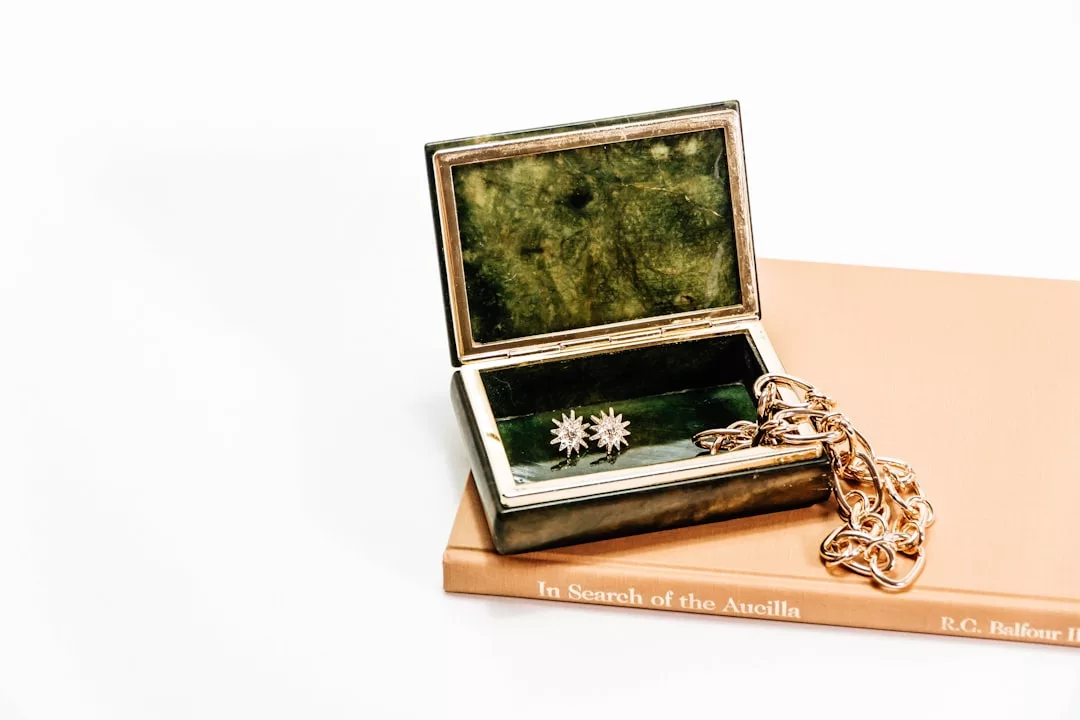
Heirloom pieces possess a unique charm that transcends time and trends, making them coveted items in homes around the world. These objects, often passed down through generations, carry with them a sense of history and nostalgia that new items simply cannot replicate. Whether it’s a delicate porcelain vase, a handcrafted quilt, or a vintage piece of jewelry, heirloom items evoke memories and emotions that resonate deeply with their owners.
Their aesthetic appeal is not merely in their physical form but also in the stories they encapsulate, making them timeless treasures that enhance the character of any space. The allure of heirloom pieces lies in their ability to connect us to our past. Each item serves as a tangible link to our ancestors, reminding us of their lives, values, and traditions.
This connection fosters a sense of belonging and continuity, allowing us to appreciate the journey of our family history. In an age dominated by mass production and disposable culture, heirloom pieces stand as a testament to craftsmanship and individuality, inviting us to cherish the unique narratives they embody.
Key Takeaways
- Heirloom pieces hold a timeless appeal that transcends generations, making them cherished and valuable items in any family.
- Understanding the significance of heirloom pieces helps us appreciate the history, sentiment, and craftsmanship behind each item.
- The artisanal craftsmanship of heirloom pieces showcases the skill, dedication, and artistry of the makers, adding to their value and appeal.
- Heirloom pieces tell a story of family heritage, traditions, and memories, making them more than just material possessions.
- Tips for preserving and caring for heirloom pieces ensure that they can be enjoyed and passed down for many more years to come.
Understanding the Significance of Heirloom Pieces
Heirloom pieces are significant not only for their aesthetic value but also for their cultural and emotional importance. They often represent milestones in family history, such as weddings, births, or significant achievements. For instance, a wedding ring passed down from grandmother to mother to daughter symbolizes love and commitment across generations.
Such items become imbued with meaning, serving as reminders of familial bonds and shared experiences. This significance elevates heirloom pieces beyond mere objects; they become vessels of memory and identity. Moreover, heirloom pieces often reflect the craftsmanship and artistry of their time.
They can provide insight into the cultural practices, materials, and techniques prevalent during their creation. For example, an antique piece of furniture may showcase the woodworking skills of a bygone era, while a vintage textile might reveal the dyeing methods used by artisans in a specific region. Understanding these aspects enhances our appreciation for heirloom items, allowing us to recognize their role in preserving cultural heritage.
The Artisanal Craftsmanship of Heirloom Pieces
The craftsmanship behind heirloom pieces is often what sets them apart from contemporary mass-produced items. Artisans who create these objects typically employ traditional techniques that have been honed over generations. This dedication to craftsmanship results in unique pieces that exhibit exceptional quality and attention to detail.
For instance, hand-carved wooden furniture may feature intricate designs that reflect the artisan’s skill and creativity, making each piece one-of-a-kind. In addition to the aesthetic qualities, the materials used in heirloom pieces often contribute to their durability and longevity. Many heirloom items are made from high-quality materials such as solid wood, fine metals, or natural fibers, which not only enhance their beauty but also ensure they can withstand the test of time.
This commitment to quality craftsmanship means that heirloom pieces can be cherished for decades or even centuries, making them worthy investments for future generations.
How Heirloom Pieces Tell a Story
Every heirloom piece carries with it a narrative that speaks to its origins and the lives it has touched. These stories can be explicit or implicit; sometimes they are shared verbally through family lore, while other times they are inferred through the object’s design and wear. For example, a well-loved children’s toy may show signs of wear and tear that tell the story of countless hours of play and imagination.
In contrast, a pristine piece may evoke tales of special occasions or significant life events. The storytelling aspect of heirloom pieces is what makes them so compelling. They serve as conversation starters, inviting family members and friends to share memories associated with the item.
This storytelling fosters connections among generations, allowing younger family members to learn about their heritage in an engaging way. As these stories are passed down alongside the objects themselves, they become intertwined with family identity, enriching the emotional value of each heirloom piece.
Tips for Preserving and Caring for Heirloom Pieces
To ensure that heirloom pieces remain in excellent condition for future generations, proper care and preservation are essential. First and foremost, it is crucial to understand the specific needs of each item based on its material composition. For instance, wooden furniture should be regularly dusted and treated with appropriate oils or waxes to maintain its luster and prevent drying out or cracking.
Similarly, textiles may require gentle cleaning methods to avoid damage while preserving their colors and textures. Environmental factors also play a significant role in the preservation of heirloom pieces. Items should be stored in controlled environments where temperature and humidity levels are stable.
Direct sunlight can fade colors and weaken materials over time; therefore, it is advisable to keep heirlooms out of direct light whenever possible.
Incorporating Heirloom Pieces into Modern Decor
Integrating heirloom pieces into contemporary decor can create a harmonious blend of old and new aesthetics. One effective approach is to use heirlooms as focal points within a room. For example, an antique sideboard can serve as a stunning centerpiece in a modern dining area, providing both functionality and character.
By juxtaposing these timeless items with modern furnishings, homeowners can create an eclectic yet cohesive look that celebrates both heritage and innovation. Another way to incorporate heirloom pieces is through thoughtful accessorizing. Vintage jewelry can be displayed in shadow boxes or worn as statement pieces alongside modern outfits, while heirloom textiles can be repurposed as decorative pillows or throws on contemporary sofas.
This not only breathes new life into cherished items but also allows for personal expression within modern design frameworks. By creatively integrating heirlooms into everyday life, individuals can honor their history while embracing contemporary living.
The Emotional Value of Heirloom Pieces
The emotional value attached to heirloom pieces is profound and multifaceted. These objects often evoke feelings of nostalgia and connection to loved ones who may no longer be present. For many individuals, holding an heirloom item can trigger memories of family gatherings or special moments shared with those who have passed away.
This emotional resonance transforms these objects into cherished keepsakes that provide comfort during times of loss or change. Furthermore, heirloom pieces can serve as symbols of resilience and continuity within families. They remind us that despite life’s challenges, certain values and traditions endure through generations.
For instance, a family recipe book filled with handwritten notes from various relatives not only preserves culinary traditions but also embodies the love and care that went into preparing meals together. This emotional significance reinforces the idea that heirlooms are more than just physical objects; they are embodiments of love, legacy, and shared experiences.
Passing Down Heirloom Pieces to Future Generations
The act of passing down heirloom pieces is a meaningful ritual that strengthens familial bonds and ensures the continuity of traditions. When an heirloom is gifted to a younger family member, it often comes with stories and lessons attached, an opportunity for elders to share their wisdom while instilling a sense of responsibility in the recipient. This transfer not only honors the past but also empowers future generations to appreciate their heritage.
To facilitate this process effectively, families can establish traditions around the passing down of heirlooms. For example, during significant life events such as weddings or graduations, families might choose to present heirlooms as gifts accompanied by heartfelt messages about their significance. This practice not only enhances the emotional weight of the gift but also creates lasting memories associated with both the item and the occasion.
The Sustainability of Heirloom Pieces
In an era increasingly focused on sustainability and environmental consciousness, heirloom pieces offer an eco-friendly alternative to fast fashion and disposable goods. By investing in quality items that are designed to last for generations, individuals contribute to reducing waste associated with mass production. Heirlooms embody the principles of sustainability by promoting longevity over disposability; they encourage consumers to value craftsmanship over quantity.
Moreover, many heirloom pieces are made from natural materials that have minimal environmental impact compared to synthetic alternatives. For instance, wooden furniture crafted from sustainably sourced timber not only adds beauty to a home but also supports responsible forestry practices. By choosing to cherish and maintain these items rather than discarding them for newer models, individuals play an active role in promoting sustainable living practices.
Finding and Acquiring Heirloom Pieces
Acquiring heirloom pieces requires a discerning eye and an appreciation for quality craftsmanship. When searching for heirlooms, it is essential to consider not only the aesthetic appeal but also the provenance of each piece, understanding its background can enhance its value both financially and emotionally.
Online platforms have also emerged as valuable resources for finding heirloom pieces from around the world. Websites specializing in vintage goods or auction sites allow individuals to explore diverse collections without geographical limitations. However, when purchasing online, it is crucial to verify authenticity through seller ratings or reviews to ensure that what you are acquiring is genuinely an heirloom piece rather than a reproduction.
Celebrating the Beauty and History of Heirloom Pieces
Heirloom pieces deserve recognition not only for their beauty but also for the rich histories they embody. Celebrating these items can take many forms, from hosting family gatherings where stories are shared about each piece to creating dedicated display spaces within homes that highlight their significance. By showcasing heirlooms prominently in living spaces, individuals invite conversations about heritage while honoring those who came before them.
Additionally, documenting the history associated with each heirloom can further enrich its legacy. Families might consider creating scrapbooks or digital archives that include photographs alongside narratives detailing each item’s journey through time. This practice not only preserves memories but also ensures that future generations will understand the importance of these cherished objects long after they have been passed down.
In conclusion, heirloom pieces are more than mere objects; they are vessels of memory, artistry, and sustainability that connect us across generations. Their timeless appeal lies in their ability to evoke emotions while telling stories that shape our identities as individuals and families alike.
More in
More from Jewelry
Jewelry · 8 min
Stylish Bar Jewelry: Elevate Your Look
Bar jewelry has emerged as a captivating trend in the world of accessories, captivating fashion enthusiasts and casual wearers alike. Characterized by…
Jewelry · 9 min
Unlocking the Elegance of the Emerald Cut
The emerald cut has a rich and storied history that dates back to the 15th century, originating in the lapidary practices of the Spanish and Portugues…
Jewelry · 9 min
Bangle: A Timeless Fashion Accessory
Bangle jewelry has a rich and diverse history that spans across various cultures and epochs. The origins of bangles can be traced back to ancient civi…