Fashion · Fashion
Prêt-à-porter: The Ultimate Guide to Ready-to-Wear Fashion
Prêt-à-porter, a French term meaning “ready-to-wear,” emerged as a significant force in the fashion industry during the mid-20th century. Its roots can be traced back t…
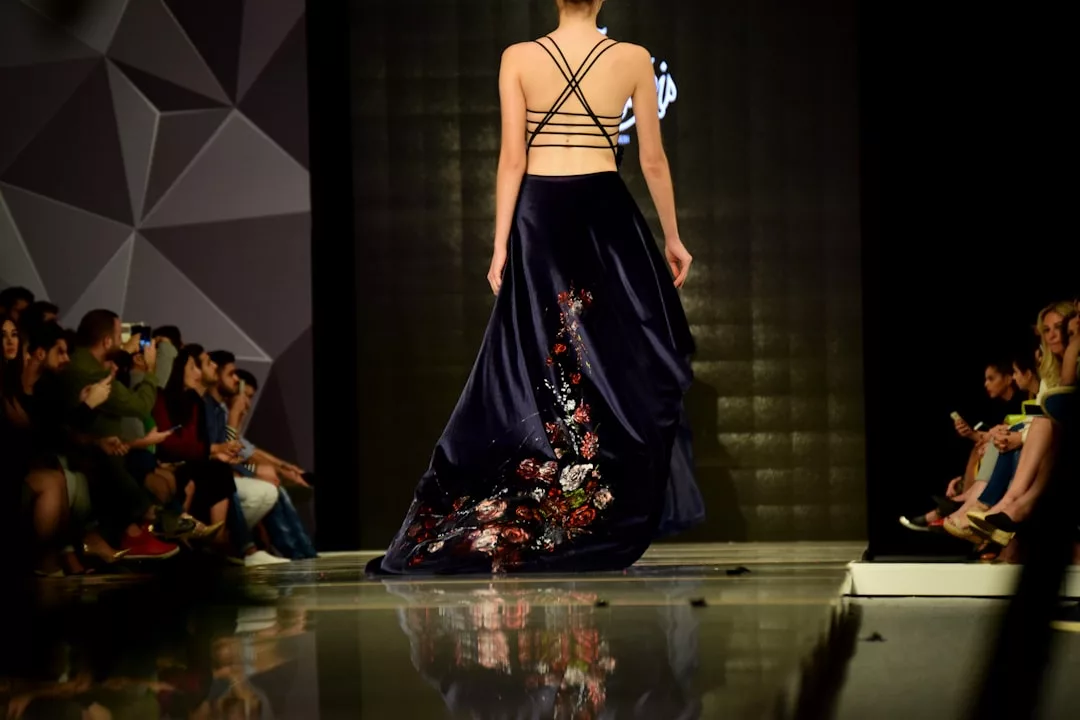
Prêt-à-porter, a French term meaning “ready-to-wear,” emerged as a significant force in the fashion industry during the mid-20th century. Its roots can be traced back to the post-World War II era, a time when the fashion landscape was undergoing a dramatic transformation. The war had disrupted traditional couture practices, leading to a demand for more accessible and practical clothing.
Designers began to recognize the potential of creating garments that could be mass-produced and sold in stores, rather than exclusively tailored for individual clients. This shift marked the beginning of prêt-à-porter as a viable alternative to haute couture. The first prêt-à-porter collections were introduced in the 1960s, with notable designers like Pierre Cardin and André Courrèges leading the charge.
They sought to democratize fashion, making it available to a broader audience beyond the elite clientele of haute couture. Cardin’s innovative designs, characterized by geometric shapes and bold colors, resonated with the youth culture of the time, while Courrèges’s space-age aesthetic captured the imagination of a generation eager for change. As prêt-à-porter gained traction, it began to influence not only the way clothes were designed and produced but also how they were marketed and consumed.
Key Takeaways
- Prêt-à-porter fashion originated in the 19th century as a response to the growing demand for ready-to-wear clothing.
- The main difference between prêt-à-porter and haute couture lies in the level of customization and craftsmanship, with prêt-à-porter being more accessible and affordable.
- Prêt-à-porter has revolutionized the fashion industry by making designer clothing more accessible to a wider audience and challenging traditional fashion norms.
- Prêt-à-porter collections are created through a meticulous process of design, sourcing materials, production, and marketing, often involving multiple teams and experts.
- Some of the top prêt-à-porter fashion brands include Chanel, Gucci, Prada, and Louis Vuitton, known for their innovative designs and global influence.
The Difference Between Prêt-à-porter and Haute Couture
While both prêt-à-porter and haute couture represent significant aspects of the fashion industry, they cater to different markets and embody distinct philosophies. Haute couture, which translates to “high sewing,” is synonymous with luxury and exclusivity. It involves meticulously crafted garments made from the finest materials, often tailored specifically for individual clients.
The process is labor-intensive, requiring skilled artisans to create one-of-a-kind pieces that reflect the designer’s artistic vision. Haute couture collections are typically presented in grand fashion shows, showcasing elaborate designs that push the boundaries of creativity. In contrast, prêt-à-porter focuses on practicality and accessibility.
These collections are designed for mass production, allowing them to be sold in boutiques and department stores at a more affordable price point. While prêt-à-porter garments may still exhibit high-quality craftsmanship, they are produced in larger quantities and often feature simpler designs compared to their haute couture counterparts. This distinction has led to a broader consumer base for prêt-à-porter, appealing to fashion enthusiasts who seek stylish yet wearable clothing without the exorbitant price tag associated with haute couture.
The Impact of Prêt-à-porter on the Fashion Industry
The advent of prêt-à-porter has had a profound impact on the fashion industry, reshaping not only how clothing is designed and produced but also how it is marketed and consumed. One of the most significant changes brought about by prêt-à-porter is the democratization of fashion. By making stylish clothing accessible to a wider audience, it has allowed individuals from various socioeconomic backgrounds to express their personal style without being confined to the exclusivity of haute couture.
Moreover, prêt-à-porter has revolutionized the fashion calendar. Traditionally, fashion houses would present their collections twice a year during haute couture shows. However, with the rise of prêt-à-porter, designers began to adopt a more frequent schedule, introducing new collections multiple times a year.
This shift has led to an accelerated pace of fashion, where trends can emerge and fade within weeks rather than months. The rapid turnover of styles has also fueled consumer demand, encouraging shoppers to purchase new items more frequently in order to stay on-trend.
How Prêt-à-porter Collections are Created
Creating a prêt-à-porter collection involves a multifaceted process that combines creativity with practicality. Designers typically begin by conducting extensive research to identify emerging trends, consumer preferences, and market demands. This research phase is crucial for understanding what styles will resonate with their target audience.
Once designers have gathered insights, they move on to the conceptualization stage, where they sketch initial designs and select fabrics that align with their vision. The next step involves prototyping and fitting sessions. Unlike haute couture pieces that are often made for specific clients, prêt-à-porter garments must accommodate a range of body types and sizes.
This necessitates multiple fittings and adjustments to ensure that each piece is both flattering and comfortable for a broader audience. Once the designs are finalized, production begins, often involving collaborations with manufacturers who specialize in mass production techniques. This phase requires careful attention to detail to maintain quality while meeting production deadlines.
The Top Prêt-à-porter Fashion Brands
Several brands have emerged as leaders in the prêt-à-porter segment, each contributing its unique aesthetic and approach to ready-to-wear fashion. One of the most iconic names is Chanel, which has successfully blended timeless elegance with modern sensibilities in its prêt-à-porter collections. Under the creative direction of Karl Lagerfeld for decades, Chanel’s ready-to-wear lines have consistently showcased innovative designs while remaining true to the brand’s heritage.
Another prominent player is Gucci, known for its eclectic and bold designs that challenge conventional norms. Under Alessandro Michele’s creative vision, Gucci’s prêt-à-porter collections have embraced maximalism, featuring vibrant colors, intricate patterns, and unexpected combinations that resonate with a diverse audience. Similarly, brands like Balenciaga and Dior have made significant contributions to prêt-à-porter fashion by pushing boundaries and redefining contemporary style through their innovative collections.
The Evolution of Prêt-à-porter Fashion Shows
Prêt-à-porter fashion shows have evolved significantly since their inception, reflecting changes in consumer behavior and industry dynamics. Initially, these shows were often overshadowed by haute couture presentations, which were characterized by their opulence and exclusivity. However, as prêt-à-porter gained prominence in the 1980s and 1990s, designers began to recognize the importance of creating engaging experiences for audiences.
Today’s prêt-à-porter shows are often more accessible than their haute couture counterparts, with many brands opting for live-streaming options that allow viewers from around the world to participate virtually. This shift has democratized the fashion show experience, enabling fans and consumers to engage with collections in real-time.
The Influence of Prêt-à-porter on Street Style
Prêt-à-porter has had a significant influence on street style, blurring the lines between high fashion and everyday wear. As designers create collections that prioritize wearability and accessibility, consumers have increasingly adopted these styles into their daily wardrobes. The rise of social media platforms like Instagram has further amplified this trend, allowing individuals to showcase their personal interpretations of prêt-à-porter looks.
Street style icons often draw inspiration from runway collections while adding their unique flair through accessories or styling choices. This fusion of high fashion with everyday aesthetics has led to a more inclusive approach to style, where individuals feel empowered to experiment with trends without adhering strictly to designer guidelines. As a result, prêt-à-porter has become synonymous with versatility, enabling wearers to transition seamlessly from casual outings to formal events while maintaining a sense of individuality.
The Sustainability of Prêt-à-porter Fashion
As concerns about environmental impact grow within the fashion industry, sustainability has become an increasingly important consideration for prêt-à-porter brands. Many designers are now prioritizing eco-friendly materials and ethical production practices in response to consumer demand for transparency and responsibility. This shift reflects a broader movement towards sustainable fashion that seeks to minimize waste and reduce carbon footprints.
Brands like Stella McCartney have been at the forefront of this movement, championing sustainable practices while producing stylish prêt-à-porter collections that appeal to environmentally conscious consumers. Additionally, many companies are exploring innovative materials such as organic cotton, recycled fabrics, and biodegradable textiles as alternatives to traditional materials that contribute to environmental degradation.
The Role of Technology in Prêt-à-porter Design
Technology plays an increasingly vital role in the creation and marketing of prêt-à-porter collections. From design software that allows for intricate pattern-making to 3D printing techniques that enable rapid prototyping, technological advancements have streamlined various aspects of the design process. These innovations not only enhance efficiency but also empower designers to experiment with new forms and structures that were previously unattainable.
Moreover, technology has transformed how brands engage with consumers through digital marketing strategies and e-commerce platforms. Social media campaigns allow designers to showcase their collections directly to audiences worldwide while providing valuable insights into consumer preferences through data analytics. Virtual reality (VR) and augmented reality (AR) technologies are also being explored as tools for enhancing customer experiences by allowing shoppers to visualize how garments will look on them before making a purchase.
The Future of Prêt-à-porter Fashion
The future of prêt-à-porter fashion is poised for continued evolution as it adapts to changing consumer preferences and societal shifts. As sustainability becomes an integral part of brand identity, we can expect more designers to prioritize eco-friendly practices while maintaining their commitment to style and innovation. Additionally, the rise of digital fashion, where virtual clothing is created for avatars in online spaces, may redefine how consumers engage with ready-to-wear collections.
Furthermore, inclusivity will likely remain a focal point in the future of prêt-à-porter fashion. As brands recognize the importance of catering to diverse body types and cultural backgrounds, we may see an expansion in size ranges and representations within marketing campaigns. This shift towards inclusivity not only reflects societal changes but also acknowledges that fashion should be accessible and representative of all individuals.
Tips for Incorporating Prêt-à-porter into Your Wardrobe
Incorporating prêt-à-porter pieces into your wardrobe can elevate your style while ensuring versatility and wearability. Start by investing in timeless staples that can be easily mixed and matched with existing items in your closet, think tailored blazers or classic trousers that can transition from day to night effortlessly. Look for quality fabrics that offer comfort without compromising on style; natural fibers like cotton or linen are excellent choices for everyday wear.
Accessorizing is key when it comes to making prêt-à-porter pieces your own. Experiment with statement jewelry or unique handbags that reflect your personal style while complementing your outfits. Additionally, layering can add depth and interest; consider pairing a chic dress with a denim jacket or oversized cardigan for a casual yet polished look.
Finally, don’t shy away from bold prints or colors: prêt-à-porter is all about self-expression, so embrace your individuality through your clothing choices!
More in
More from Fashion
Fashion · 2 min
Silk and Sartorial Smarts: Embracing the Singular Garment Principle
In an age of overwhelming choice, the ultimate luxury isn’t having more, it’s having the right thing. The modern wardrobe is undergoing a quiet r…

Fashion · 9 min
Dressing to Impress: The Art of Formal Wear
First impressions are often described as lasting impressions, and this adage holds significant weight in both personal and professional contexts. When…

Fashion · 9 min
Timeless Style: The Trench Coat
The trench coat has a rich and storied history that dates back to the late 19th century. Originally designed for military use, the trench coat was cre…