Fashion · Fashion
Redefining Style: The Innovative Designs of a Fashion Designer
Fashion design is a dynamic and ever-evolving field that serves as a mirror to society, reflecting cultural shifts, technological advancements, and individual expression. At its co…
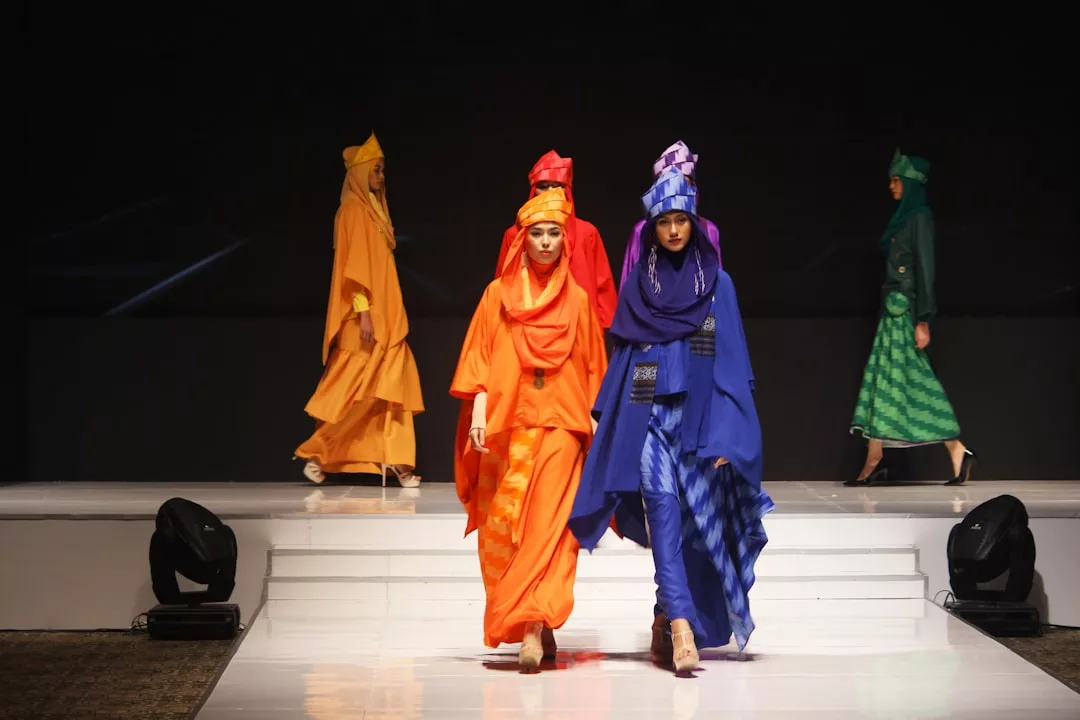
Fashion design is a dynamic and ever-evolving field that serves as a mirror to society, reflecting cultural shifts, technological advancements, and individual expression. At its core, fashion is not merely about clothing; it encompasses a complex interplay of art, commerce, and identity. Innovative designs have the power to disrupt the status quo, challenge societal norms, and inspire new trends that resonate with diverse audiences.
Designers who dare to think outside the box often find themselves at the forefront of this vibrant industry, shaping not only the garments we wear but also the very fabric of our culture. The impact of innovative designs extends beyond aesthetics; they can redefine consumer expectations and influence market dynamics. For instance, when a designer introduces a groundbreaking silhouette or utilizes unconventional materials, it can set off a ripple effect throughout the industry.
Other designers may follow suit, leading to a broader acceptance of new ideas and styles. This transformative power of fashion design is what makes it an exciting field, where creativity knows no bounds and where each collection can tell a story that resonates on multiple levels.
Key Takeaways
- Innovative designs have a significant impact on the fashion industry, shaping trends and inspiring creativity.
- Early influences play a crucial role in shaping a fashion designer’s unique style and vision.
- Challenging traditional norms and redefining style is a key aspect of a fashion designer’s impact on the industry.
- Iconic signature designs are a defining feature of a fashion designer’s brand and legacy.
- Embracing sustainability is a commitment that sets fashion designers apart and contributes to a more ethical industry.
Early influences: The background and inspirations that shaped the fashion designer’s unique style
The journey of a fashion designer often begins long before they step onto the runway. Early influences play a crucial role in shaping their aesthetic sensibilities and creative vision. Many designers draw inspiration from their upbringing, cultural heritage, and personal experiences.
For instance, a designer raised in a vibrant urban environment may find inspiration in street art, music, and the eclectic styles of their peers. This rich tapestry of influences can lead to a unique design language that sets them apart in a crowded marketplace. Moreover, exposure to various artistic disciplines can significantly impact a designer’s work.
A background in fine arts, architecture, or even theater can inform their approach to fashion design. For example, a designer who studied sculpture may have a keen understanding of form and structure, allowing them to create garments that are not only visually striking but also sculpturally innovative. These early influences serve as the foundation upon which a designer builds their career, providing them with the tools and perspectives necessary to carve out their niche in the fashion world.
Breaking the mold: How the fashion designer challenged traditional norms and redefined style in the industry
Challenging traditional norms is often at the heart of a designer’s journey toward innovation. Many successful designers have made their mark by defying conventional expectations and pushing boundaries. This can manifest in various ways, from reinterpreting classic silhouettes to experimenting with unconventional materials or techniques.
For instance, a designer might take a classic evening gown and infuse it with streetwear elements, creating a hybrid piece that appeals to both high-fashion aficionados and casual consumers alike. By breaking the mold, these designers not only redefine style but also encourage others in the industry to rethink their approaches. This ripple effect can lead to a broader acceptance of diverse aesthetics and ideas, fostering an environment where creativity thrives.
Designers who challenge norms often become catalysts for change, inspiring others to explore new avenues of expression and embrace individuality in their work. Their willingness to take risks can pave the way for future generations of designers who seek to innovate and redefine what fashion can be.
Signature designs: A look at the iconic pieces that have come to define the fashion designer’s brand
Signature designs are often what solidify a fashion designer’s place in the industry. These iconic pieces become synonymous with their brand identity and serve as touchstones for their creative vision. For example, consider the impact of Alexander McQueen’s “armadillo” boots or Coco Chanel’s classic tweed suit; these designs not only showcase exceptional craftsmanship but also encapsulate the essence of their creators’ philosophies.
Such pieces often transcend seasonal trends, becoming timeless symbols of innovation and style. The process of developing signature designs is deeply personal for many designers. It involves a careful balance of creativity, technical skill, and an understanding of market demands.
A designer may draw upon their unique experiences or cultural background to create pieces that resonate on an emotional level with consumers. This connection is vital; when people wear these iconic designs, they are not just donning clothing but also participating in a narrative that reflects their values and aspirations.
Embracing sustainability: The fashion designer’s commitment to creating environmentally conscious and ethical designs
In recent years, sustainability has emerged as a critical focus within the fashion industry. Designers are increasingly recognizing their responsibility to create environmentally conscious and ethical designs that minimize harm to the planet. This shift is not merely a trend; it reflects a growing awareness among consumers about the environmental impact of fast fashion and the importance of sustainable practices.
Designers who embrace sustainability often find innovative ways to incorporate eco-friendly materials and production methods into their collections. For instance, some designers are turning to organic fabrics, recycled materials, or even biodegradable textiles to reduce their ecological footprint. Others are exploring circular fashion concepts that promote recycling and upcycling, ensuring that garments have a longer life cycle.
By prioritizing sustainability in their work, these designers not only contribute to environmental preservation but also inspire consumers to make more conscious choices about their clothing purchases. This commitment to ethical design is reshaping industry standards and encouraging a more responsible approach to fashion.
Collaborations and partnerships: The impact of working with other creatives and brands on the fashion designer’s innovative designs
Breaking Boundaries in Fashion Design
Collaborations have become an integral part of the fashion landscape, allowing designers to merge their unique visions with those of other creatives or brands. These partnerships can lead to groundbreaking collections that push the boundaries of traditional fashion design. For example, when high-fashion designers collaborate with streetwear brands or artists from different disciplines, they often create pieces that resonate with diverse audiences while challenging preconceived notions about style.Fostering Innovation through Diverse Perspectives
The impact of such collaborations extends beyond mere aesthetics; they can also foster innovation by combining different skill sets and perspectives. A designer might partner with an artist known for their bold graphics to create a collection that marries high art with wearable fashion. Alternatively, collaborations with technology companies can lead to the development of smart textiles or interactive garments that enhance functionality while maintaining style.Enriching the Fashion Ecosystem
These partnerships not only enrich the designer’s portfolio but also contribute to a more dynamic and interconnected fashion ecosystem.Pushing boundaries: How the fashion designer continues to push the envelope and experiment with new techniques and materials
Innovation in fashion design is often driven by a relentless pursuit of experimentation. Designers who push boundaries are not afraid to explore new techniques or materials that challenge traditional notions of what clothing can be. This willingness to experiment can lead to groundbreaking results; for instance, some designers are now incorporating 3D printing technology into their collections, allowing for intricate designs that were previously impossible to achieve through conventional methods.
Moreover, pushing boundaries often involves rethinking how garments are constructed and worn. Designers may explore unconventional silhouettes or layering techniques that defy gravity or traditional proportions. This experimentation not only captivates audiences but also encourages other designers to think creatively about their own work.
By continually pushing the envelope, these innovators help shape the future of fashion design while inspiring others to embrace risk-taking as an essential part of the creative process.
Celebrity influence: The impact of celebrity endorsements and red carpet appearances on the popularity of the fashion designer’s designs
The relationship between fashion designers and celebrities is one that has long been intertwined, with each influencing the other in significant ways. Celebrity endorsements can catapult a designer’s work into the limelight, making their creations highly sought after by consumers eager to emulate their favorite stars’ styles. Red carpet appearances often serve as pivotal moments for designers; when a celebrity dons one of their creations at a high-profile event, it can lead to increased visibility and demand for that piece.
For example, when actress Lupita Nyong’o wore a custom Prada gown at the 2014 Academy Awards, it not only showcased her stunning beauty but also highlighted Prada’s ability to create garments that resonate with contemporary elegance. Such moments can define a designer’s career trajectory, leading to collaborations with other high-profile figures or even expanding into new markets. The symbiotic relationship between celebrities and designers underscores how influential public figures can shape trends and elevate brands within the competitive landscape of fashion.
Global impact: How the fashion designer’s innovative designs have made an impact on a global scale
The influence of innovative fashion design extends far beyond local markets; it has the potential to make waves on a global scale. Designers who create unique pieces often find themselves at the forefront of international trends, shaping how people around the world perceive style and identity. For instance, when a designer introduces an avant-garde collection during Fashion Week in Paris or New York, it can inspire similar movements in cities across Asia, Africa, or South America.
Moreover, global impact is often amplified through digital platforms that allow designers to reach audiences far beyond traditional retail channels. Social media has transformed how fashion is consumed; designers can showcase their work directly to consumers worldwide without relying solely on brick-and-mortar stores or print advertising. This democratization of fashion enables innovative designs to gain traction quickly across diverse demographics, fostering an interconnected global community united by shared aesthetic values.
Future outlook: The direction and evolution of the fashion designer’s style and designs in the ever-changing industry
As the fashion industry continues to evolve in response to societal changes and technological advancements, so too must designers adapt their styles and approaches. The future outlook for innovative designers is one marked by both challenges and opportunities. With increasing consumer demand for sustainability and ethical practices, designers will need to find ways to balance creativity with responsibility while remaining true to their artistic vision.
Additionally, advancements in technology will likely play a significant role in shaping future collections. From virtual reality experiences that allow consumers to “try on” garments digitally to artificial intelligence-driven design processes that streamline production, these innovations will redefine how designers conceptualize and create their work. As they navigate this rapidly changing landscape, successful designers will be those who remain open-minded and willing to embrace new ideas while staying grounded in their unique aesthetic identities.
Reflecting on the lasting legacy of the fashion designer and the influence of their innovative designs on the world of fashion
The legacy of an innovative fashion designer is often defined by their ability to inspire change within the industry while leaving an indelible mark on popular culture. Through groundbreaking designs that challenge norms and embrace sustainability, these visionaries shape not only what we wear but also how we perceive ourselves within society. Their commitment to pushing boundaries fosters an environment where creativity flourishes, encouraging future generations of designers to explore new avenues of expression.
As we reflect on the impact of these influential figures in fashion history, it becomes clear that their contributions extend far beyond individual collections or iconic pieces; they represent a broader movement toward inclusivity, innovation, and responsibility within an ever-evolving industry landscape.
More in
More from Fashion
Fashion · 2 min
Silk and Sartorial Smarts: Embracing the Singular Garment Principle
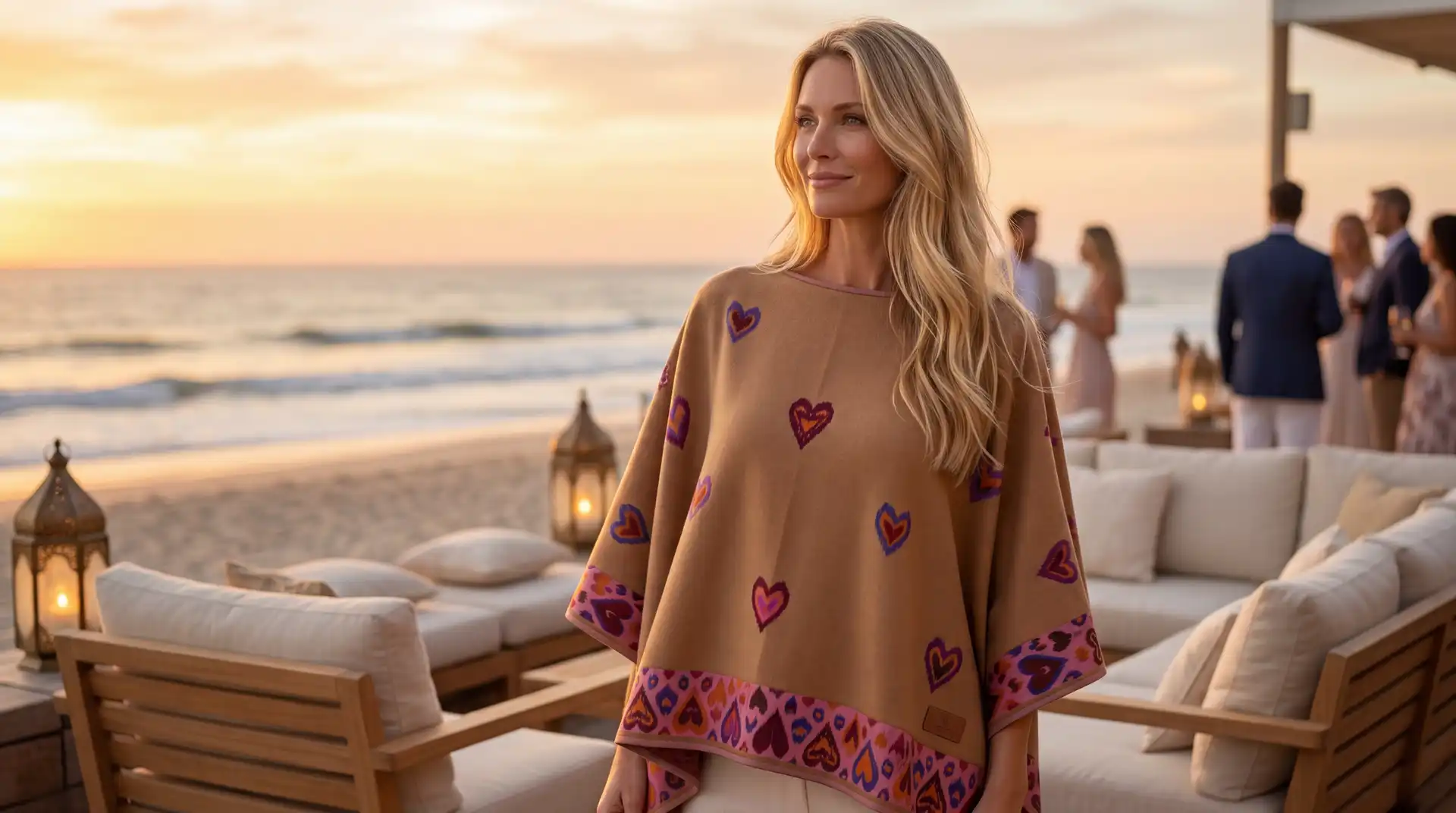
In an age of overwhelming choice, the ultimate luxury isn’t having more, it’s having the right thing. The modern wardrobe is undergoing a quiet r…
Fashion · 9 min
Dressing to Impress: The Art of Formal Wear
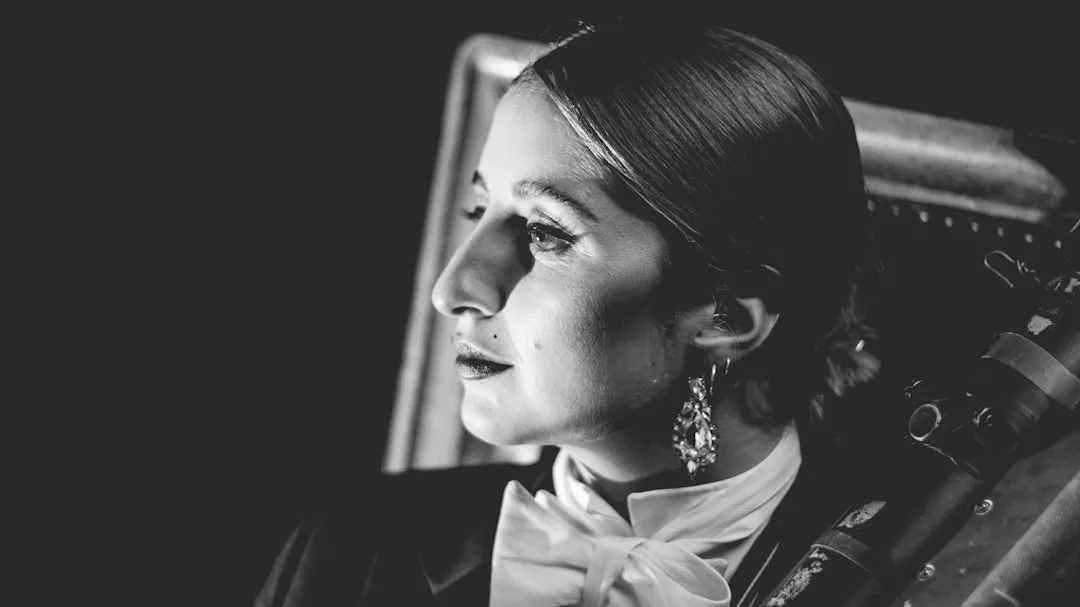
First impressions are often described as lasting impressions, and this adage holds significant weight in both personal and professional contexts. When…

Fashion · 9 min
Timeless Style: The Trench Coat
The trench coat has a rich and storied history that dates back to the late 19th century. Originally designed for military use, the trench coat was cre…