Fashion · Fashion
Reviving Retro: Embracing Vintage Fashion
Vintage fashion possesses an allure that transcends time, captivating individuals across generations. The charm of garments from bygone eras lies not only in their unique aesthetic…
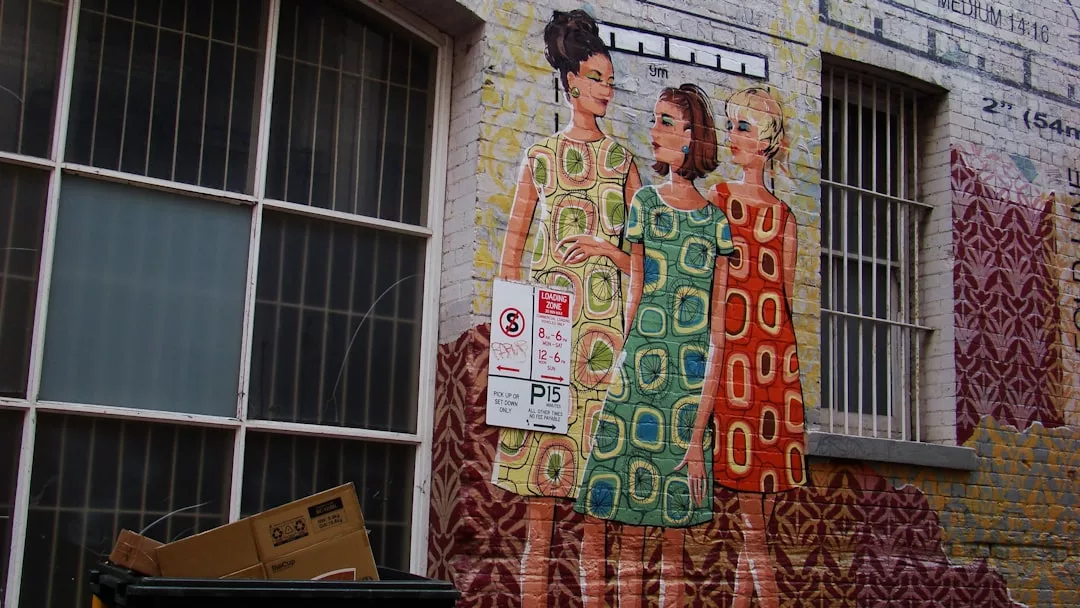
Vintage fashion possesses an allure that transcends time, captivating individuals across generations. The charm of garments from bygone eras lies not only in their unique aesthetics but also in the stories they carry. Each piece serves as a tangible connection to the past, evoking memories and emotions that resonate with wearers.
For instance, a 1950s swing dress can transport one back to a time of post-war optimism, while a 1970s bohemian blouse might conjure images of free-spirited youth and cultural revolutions. This intrinsic narrative quality is what makes vintage fashion so appealing; it allows individuals to express their identities through clothing that has a history. Moreover, vintage fashion often embodies craftsmanship and quality that can be hard to find in contemporary mass-produced items.
Many vintage pieces were made with meticulous attention to detail, using high-quality materials that have stood the test of time. The intricate beading on a 1920s flapper dress or the tailored lines of a 1960s mod suit showcase a level of artistry that is often absent in today’s fast fashion landscape.
As consumers become increasingly aware of the pitfalls of disposable fashion, the timeless appeal of vintage clothing continues to grow, drawing attention to its unique blend of history, quality, and individuality.
Key Takeaways
- Vintage fashion has a timeless appeal that continues to captivate fashion enthusiasts of all ages.
- Embracing vintage fashion can have a positive psychological impact, invoking feelings of nostalgia and comfort.
- Choosing vintage fashion over fast fashion can have a positive environmental impact by reducing waste and promoting sustainability.
- Incorporating vintage pieces into a modern wardrobe can add unique and eclectic touches to personal style.
- The rise of vintage fashion in pop culture has led to a resurgence of interest in different eras and styles, influencing contemporary fashion trends.
Embracing Nostalgia: The Psychological Impact of Vintage Fashion
The psychological impact of vintage fashion is deeply rooted in nostalgia, a powerful emotion that can evoke feelings of comfort and familiarity. Wearing vintage clothing allows individuals to connect with memories, whether personal or collective, that shape their identities. For many, donning a vintage piece can serve as a form of escapism, transporting them to a different time and place where they feel more at ease.
This emotional connection can be particularly significant for those who may feel disconnected from the fast-paced modern world, offering a sense of belonging and continuity through the fabric of history. Furthermore, nostalgia has been shown to have positive psychological effects, including increased feelings of happiness and social connectedness. Studies suggest that engaging with nostalgic items can enhance mood and foster a sense of identity.
Vintage fashion taps into this phenomenon by allowing individuals to curate their wardrobes with pieces that resonate with their personal histories or cultural backgrounds. For example, someone who grew up in the 1980s may find joy in wearing a vintage windbreaker or high-waisted jeans, not only for their aesthetic appeal but also for the memories they evoke. This interplay between nostalgia and fashion creates a unique bond between the wearer and their clothing, reinforcing the idea that what we wear is an extension of who we are.
The Environmental Benefits of Embracing Vintage Fashion
In an era marked by growing environmental concerns, vintage fashion emerges as a sustainable alternative to fast fashion. By choosing vintage pieces, consumers actively participate in reducing their carbon footprint and minimizing textile waste.
Each vintage garment represents a second chance at life, diverting it from landfills and extending its lifecycle. This practice not only conserves resources but also promotes a more circular economy where clothing is valued for its longevity rather than its disposability. Additionally, vintage shopping often involves thrifting or purchasing from second-hand stores, which further supports sustainable practices.
These establishments typically operate on a model that encourages reuse and recycling, fostering a culture of mindful consumption. For instance, organizations like Goodwill and Salvation Army not only provide affordable clothing options but also contribute to community programs through their sales. By embracing vintage fashion, consumers can make conscious choices that align with their values while simultaneously enjoying unique styles that stand apart from mainstream trends.
How to Incorporate Vintage Pieces into a Modern Wardrobe
Integrating vintage pieces into a modern wardrobe can be both an exciting and creative endeavor. One effective approach is to mix vintage items with contemporary staples to create a balanced look that feels fresh yet nostalgic. For example, pairing a vintage 1970s maxi dress with modern ankle boots can create an effortlessly chic outfit that pays homage to the past while remaining relevant today.
Similarly, incorporating vintage accessories, such as statement jewelry or handbags, can elevate an otherwise simple outfit, adding character and individuality. Layering is another technique that allows for seamless integration of vintage pieces into everyday attire. A classic vintage blazer can be worn over a modern turtleneck and jeans for a polished yet relaxed look suitable for various occasions.
Additionally, experimenting with different textures and patterns can yield visually interesting combinations; for instance, pairing a floral vintage skirt with a contemporary graphic tee can create an eclectic style that showcases personal flair. Ultimately, the key lies in confidence and creativity, embracing the uniqueness of vintage fashion while allowing it to complement one’s personal style.
The Rise of Vintage Fashion in Pop Culture
The resurgence of vintage fashion in pop culture reflects broader societal shifts towards sustainability and individuality. Influential figures in music, film, and social media have played pivotal roles in popularizing vintage styles, making them desirable among younger generations. Celebrities like Harry Styles and Billie Eilish have been spotted wearing vintage pieces on red carpets and during performances, showcasing how these garments can be both stylish and meaningful.
Their choices often inspire fans to seek out similar items, leading to increased interest in thrift stores and vintage boutiques. Television shows and films set in specific historical periods have also contributed to the revival of vintage fashion trends. Series like “Stranger Things” and “The Queen’s Gambit” have sparked renewed interest in styles from the 1980s and 1960s respectively, prompting viewers to embrace these aesthetics in their own wardrobes.
Social media platforms like Instagram and TikTok further amplify this trend by providing spaces for users to share their vintage finds and styling tips. Hashtags such as #vintagefashion and #thriftedfashion have gained traction, creating communities centered around the appreciation of retro styles. This cultural phenomenon underscores how vintage fashion has become not just a personal choice but also a collective movement that celebrates history while looking toward the future.
The Art of Thrifting: Tips for Finding Hidden Gems
Thrifting is an art form that requires patience, creativity, and an eye for detail. To successfully navigate thrift stores and flea markets in search of hidden gems, one must approach the experience with an open mind and a sense of adventure. First and foremost, it’s essential to allocate sufficient time for browsing; rushing through racks often leads to missed opportunities.
Taking the time to sift through various sections, whether it be clothing, accessories, or home decor, can yield unexpected treasures that may not catch the eye at first glance. Another valuable tip is to familiarize oneself with different eras and styles before embarking on a thrifting expedition. Understanding what specific decades offer in terms of silhouettes, fabrics, and patterns can help narrow down choices and make the search more efficient.
For instance, knowing that 1980s clothing often features bold colors and oversized silhouettes can guide one’s selections when perusing racks filled with diverse options. Additionally, being open to alterations can expand possibilities; many thrifted items may require minor adjustments to fit perfectly or align with personal style preferences. Embracing this mindset transforms thrifting from merely shopping into an exciting treasure hunt filled with potential discoveries.
The Influence of Vintage Fashion on Contemporary Designers
Contemporary designers frequently draw inspiration from vintage fashion, infusing their collections with elements reminiscent of past styles while reinterpreting them for modern audiences. This influence manifests in various ways, from fabric choices and silhouettes to color palettes and embellishments. Designers like Gucci’s Alessandro Michele have famously incorporated retro aesthetics into their collections, blending opulent fabrics with nostalgic motifs that pay homage to previous decades while appealing to today’s consumers.
Moreover, many designers are now prioritizing sustainability by incorporating vintage elements into their work as part of a broader movement towards eco-conscious fashion. By sourcing materials from past collections or utilizing upcycled fabrics, they create new garments that honor the craftsmanship of earlier eras while addressing contemporary environmental concerns. This fusion of old and new not only enriches the design process but also resonates with consumers seeking authenticity in their clothing choices.
As vintage fashion continues to inspire contemporary designers, it reinforces the notion that style is cyclical, what was once old can become new again through innovative reinterpretation.
Exploring Different Eras: From 1920s Flapper Dresses to 90s Grunge
The exploration of different fashion eras reveals a rich tapestry of styles that reflect societal changes, cultural movements, and artistic expressions throughout history. The 1920s marked a significant shift in women’s fashion as flapper dresses emerged as symbols of liberation and modernity. Characterized by dropped waistlines, fringe details, and bold patterns, these dresses embodied the spirit of the Jazz Age, a time when women began to assert their independence through both lifestyle choices and sartorial expressions.
In contrast, the 1990s introduced grunge as a response to mainstream culture’s excesses. This subculture embraced an anti-fashion ethos characterized by oversized flannel shirts, ripped jeans, and combat boots, an aesthetic that resonated with youth disillusioned by consumerism. Bands like Nirvana popularized this look, which has since been revived by contemporary designers seeking authenticity in their collections.
Each era offers distinct styles that not only reflect prevailing trends but also serve as cultural artifacts that tell stories about societal values at specific points in time.
Reviving Retro: The Role of Social Media in Popularizing Vintage Fashion
Social media has played an instrumental role in reviving retro styles and making vintage fashion accessible to a global audience. Platforms like Instagram allow users to showcase their unique outfits while connecting with others who share similar interests in vintage aesthetics. Influencers often curate feeds filled with carefully styled looks featuring thrifted finds or heirloom pieces passed down through generations, creating aspirational content that inspires followers to explore vintage options themselves.
Additionally, TikTok has emerged as a powerful platform for sharing quick styling tips and thrifting hauls, making it easier for users to discover how to incorporate vintage pieces into their wardrobes effectively. Viral trends often emerge from these platforms, such as specific styling techniques or challenges encouraging users to remix their existing clothing with thrifted items, further solidifying the place of vintage fashion within contemporary culture. This digital landscape fosters community engagement around shared passions while promoting sustainable practices through increased awareness about the benefits of choosing second-hand clothing.
The Economics of Vintage Fashion: Investing in Timeless Pieces
Investing in vintage fashion can be both financially savvy and personally rewarding. As consumers become more discerning about their purchases, many are turning towards timeless pieces that retain or even appreciate in value over time. Certain designer items from past decades, such as Chanel handbags or Hermès scarves, have become highly sought after by collectors and fashion enthusiasts alike, often fetching prices far exceeding their original retail value at auctions or resale platforms.
Moreover, investing in quality vintage pieces allows individuals to build wardrobes filled with unique items that stand apart from mass-produced alternatives found in contemporary retail stores. This approach not only enhances personal style but also encourages mindful consumption practices by prioritizing longevity over fleeting trends. As awareness grows around sustainable fashion choices, investing in vintage becomes not just an aesthetic decision but also an economically sound strategy for curating a wardrobe that stands the test of time.
The Future of Vintage Fashion: Sustainability and Innovation
The future of vintage fashion appears promising as sustainability continues to take center stage within the industry. As consumers increasingly prioritize eco-friendly practices over fast fashion consumption patterns, the demand for vintage clothing is likely to rise further. Brands are beginning to recognize this shift; many are incorporating sustainable practices into their business models by offering curated collections of pre-owned garments alongside new designs.
Innovation within the realm of technology also plays a crucial role in shaping the future landscape of vintage fashion. Online platforms dedicated solely to buying and selling second-hand clothing are becoming more prevalent, making it easier for consumers to access curated selections from various eras without having to sift through traditional thrift stores physically. Additionally, advancements in textile recycling technologies may pave the way for new opportunities within the realm of upcycling, transforming discarded materials into fresh designs while honoring the essence of vintage aesthetics.
As society continues its journey towards sustainability and conscious consumption practices evolve alongside technological advancements within fashion retailing systems, vintage fashion stands poised at the forefront as both an ethical choice and an expression of individuality rooted deeply within our shared cultural heritage.
More in
More from Fashion
Fashion · 2 min
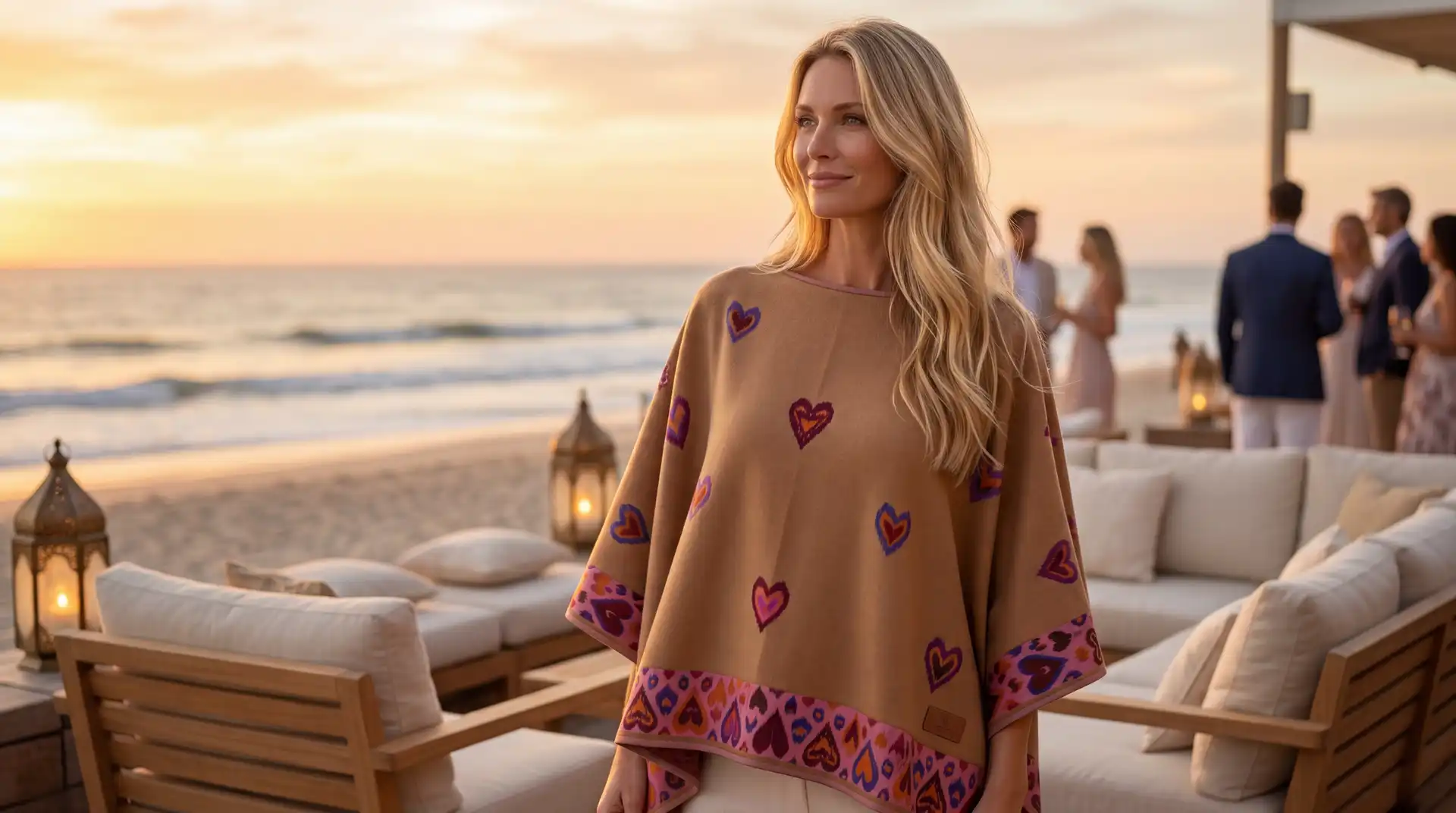
Silk and Sartorial Smarts: Embracing the Singular Garment Principle
In an age of overwhelming choice, the ultimate luxury isn’t having more, it’s having the right thing. The modern wardrobe is undergoing a quiet r…
Fashion · 9 min
Dressing to Impress: The Art of Formal Wear
First impressions are often described as lasting impressions, and this adage holds significant weight in both personal and professional contexts. When…

Fashion · 9 min
Timeless Style: The Trench Coat
The trench coat has a rich and storied history that dates back to the late 19th century. Originally designed for military use, the trench coat was cre…