Fashion · Fashion
Runway Ready: The Latest Trends for Fashion Week
Fashion Week is a highly anticipated event in the global fashion calendar, serving as a platform for designers to showcase their latest collections and set the tone for upcoming tr…
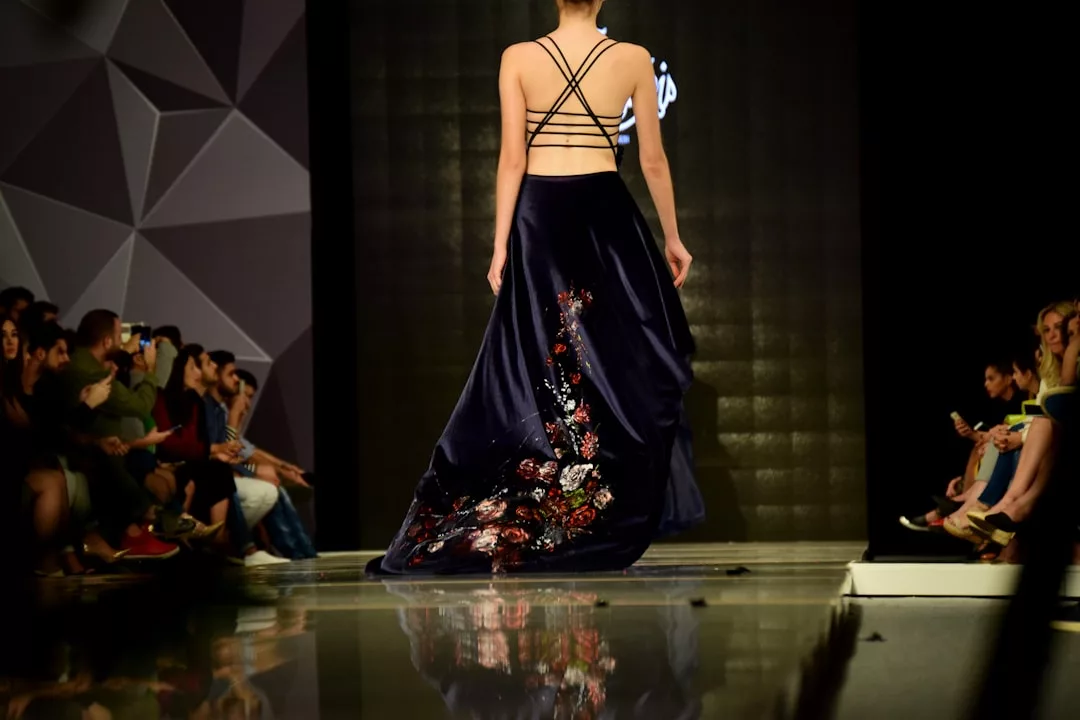
Fashion Week is a highly anticipated event in the global fashion calendar, serving as a platform for designers to showcase their latest collections and set the tone for upcoming trends. Held in major cities such as New York, Paris, Milan, and London, these events attract not only industry insiders but also celebrities, influencers, and fashion enthusiasts from around the world. The atmosphere is electric, filled with creativity and innovation as designers unveil their visions for the upcoming seasons.
Each Fashion Week is a reflection of cultural shifts, societal changes, and artistic expression, making it a barometer for the fashion industry. The significance of Fashion Week extends beyond mere aesthetics; it is a critical moment for brands to communicate their identity and values. Designers often draw inspiration from current events, historical references, and personal experiences, weaving narratives into their collections that resonate with audiences.
The runway becomes a storytelling medium where fabric, color, and silhouette converge to create a visual dialogue. As the world becomes increasingly interconnected, Fashion Week also serves as a melting pot of diverse influences, showcasing a myriad of styles that reflect the global landscape.
Key Takeaways
- Fashion Week is a major event in the fashion industry where designers showcase their latest collections.
- Statement accessories are a key trend, with bold and eye-catching pieces taking center stage.
- Bold prints and patterns are making a statement on the runway, adding a pop of excitement to outfits.
- Sustainable fashion is becoming increasingly important, with designers incorporating eco-friendly materials and practices into their collections.
- Gender-neutral styles are gaining popularity, with designers blurring traditional gender lines in their designs.
Statement Accessories
In recent seasons, statement accessories have emerged as pivotal elements that can transform an outfit from ordinary to extraordinary. These bold pieces, ranging from oversized earrings to chunky necklaces, serve not only as adornments but also as focal points that can define a look. Designers have embraced the idea that accessories can convey personality and attitude, allowing wearers to express their individuality without overhauling their entire wardrobe.
For instance, during the latest New York Fashion Week, models strutted down the runway adorned with striking headpieces and dramatic belts that commanded attention and sparked conversation. The power of statement accessories lies in their versatility. A simple outfit can be elevated with the addition of a striking handbag or an eye-catching pair of shoes.
For example, a classic little black dress can be transformed with the right accessories, think bold geometric earrings or a vibrant clutch. This trend encourages fashion enthusiasts to experiment with their style by mixing and matching different pieces to create unique combinations. As designers continue to push boundaries, we can expect to see even more innovative accessories that challenge traditional notions of fashion.
Bold Prints and Patterns
Bold prints and patterns have made a significant resurgence on the runways, capturing the essence of creativity and self-expression. Designers are increasingly embracing vibrant colors and intricate designs that reflect a sense of optimism and playfulness. From abstract art-inspired motifs to floral patterns that evoke nostalgia, these prints serve as a canvas for designers to showcase their artistic vision.
For instance, at Milan Fashion Week, one designer presented a collection featuring oversized polka dots juxtaposed with stripes, creating a visually striking effect that left a lasting impression. The appeal of bold prints lies in their ability to convey mood and personality. Wearing a garment adorned with an eye-catching pattern can instantly uplift one’s spirits and make a statement without uttering a word. As fashion continues to evolve, we can anticipate an even broader spectrum of prints that challenge conventional aesthetics and encourage wearers to embrace their unique style.
Sustainable Fashion
Sustainable fashion has transitioned from being a niche concern to a mainstream movement within the industry. As awareness of environmental issues grows, designers are increasingly prioritizing eco-friendly practices in their collections. This shift is evident at Fashion Week events where many brands showcase garments made from organic materials, recycled fabrics, and innovative textiles that minimize environmental impact.
For example, during Paris Fashion Week, several designers unveiled collections that featured biodegradable fabrics and zero-waste production techniques, highlighting their commitment to sustainability. The rise of sustainable fashion is not merely about using eco-friendly materials; it also encompasses ethical labor practices and transparency in the supply chain. Consumers are becoming more discerning about where their clothes come from and how they are made.
This has prompted brands to adopt more responsible practices, such as fair wages for workers and environmentally conscious manufacturing processes. As sustainability becomes an integral part of the fashion narrative, it challenges designers to rethink traditional methods and innovate in ways that align with both style and ethics.
Gender-Neutral Styles
The concept of gender-neutral fashion has gained significant traction in recent years, reflecting broader societal shifts towards inclusivity and diversity. Designers are increasingly blurring the lines between traditional menswear and womenswear, creating collections that cater to all genders. This movement is not just about eliminating gender labels; it’s about embracing fluidity in style and allowing individuals to express themselves authentically through clothing.
At London Fashion Week, several designers showcased collections featuring oversized silhouettes and unisex designs that resonated with audiences seeking freedom from conventional gender norms. Gender-neutral styles often prioritize comfort and functionality while maintaining an aesthetic appeal. Fabrics are chosen for their versatility, allowing garments to be worn in various ways regardless of gender identity.
For instance, tailored trousers paired with oversized blazers can be styled for any individual looking to make a statement without conforming to traditional gender expectations. This trend encourages consumers to explore their personal style without being confined by societal norms, fostering a more inclusive fashion landscape.
Statement Sleeves
Statement sleeves have emerged as one of the defining features of contemporary fashion, adding drama and flair to otherwise simple silhouettes. From puffed sleeves reminiscent of Victorian-era garments to exaggerated bell sleeves that evoke a sense of whimsy, this trend has captured the imagination of designers and consumers alike. During recent Fashion Weeks, collections have prominently featured these eye-catching details, transforming basic tops and dresses into standout pieces that command attention.
The allure of statement sleeves lies in their ability to enhance movement and create visual interest. A dress with voluminous sleeves can evoke a sense of elegance while allowing for freedom of expression through movement. Designers often play with proportions and fabric choices to create unique interpretations of this trend, think sheer organza or structured cotton that adds dimension to the garment.
As statement sleeves continue to dominate runways, they invite wearers to embrace boldness in their fashion choices while celebrating individuality.
Monochromatic Looks
Monochromatic looks have become synonymous with sophistication and elegance in recent seasons. This trend involves wearing a single color or varying shades of the same hue from head to toe, creating a cohesive and polished appearance. Designers have embraced this aesthetic by experimenting with textures and fabrics within the same color palette, allowing for depth and interest without overwhelming the viewer.
At New York Fashion Week, several collections showcased models clad in striking monochromatic ensembles that exuded confidence and style. The beauty of monochromatic dressing lies in its simplicity; it allows individuals to make a statement without relying on busy patterns or clashing colors. This approach encourages creativity in styling, accessories can be used strategically to add contrast or texture while maintaining the overall color scheme.
For instance, pairing a sleek navy suit with varying shades of blue accessories creates a harmonious look that feels both modern and timeless. As this trend continues to evolve, we can expect innovative interpretations that challenge traditional notions of color coordination.
Vintage Revival
The vintage revival trend has taken the fashion world by storm, drawing inspiration from past decades while infusing contemporary sensibilities into designs. This resurgence reflects a collective nostalgia for styles that have stood the test of time, think 70s bohemian prints or 90s grunge aesthetics reimagined for today’s audience. Designers are increasingly incorporating vintage elements into their collections, creating pieces that resonate with both older generations who lived through these eras and younger consumers who appreciate retro aesthetics.
Fashion Weeks have become showcases for this vintage revival movement, with many designers paying homage to iconic styles while adding modern twists. For example, during Milan Fashion Week, one designer presented a collection featuring high-waisted trousers paired with cropped blazers reminiscent of 80s power dressing but updated with contemporary fabrics and cuts. This blending of old and new allows for creative exploration while celebrating fashion history, a reminder that style is cyclical and ever-evolving.
Athleisure on the Runway
Athleisure has transcended its origins as casual wear to become a prominent trend on high-fashion runways worldwide. This fusion of athletic wear with everyday clothing reflects changing lifestyles where comfort meets style, a response to the increasing demand for versatile pieces that can transition seamlessly from gym sessions to social outings. Designers are now incorporating performance fabrics into their collections while maintaining an emphasis on aesthetics; this has led to innovative designs that prioritize both functionality and visual appeal.
During recent Fashion Weeks, models showcased ensembles featuring sleek leggings paired with tailored blazers or sporty crop tops styled with elegant skirts, demonstrating how athleisure can be elevated for various occasions. As athleisure continues to gain traction within the industry, we can expect further innovations that blur the lines between sportswear and high fashion.
Metallics and Shine
Metallics have made a dazzling comeback on runways around the globe, infusing collections with an element of glamour and sophistication. Designers are experimenting with reflective fabrics, ranging from shimmering silks to sequined embellishments, that catch the light beautifully and create striking visual effects. At Paris Fashion Week, several collections featured garments adorned with metallic finishes that added an air of opulence while maintaining modern silhouettes.
The allure of metallics lies in their versatility; they can be incorporated into both casual wear and formal attire, making them suitable for various occasions. A metallic dress can serve as a statement piece for evening events while metallic accents can elevate everyday outfits, think silver boots paired with denim or gold accessories enhancing a simple black dress. As this trend continues to evolve, we can expect innovative uses of metallics that challenge traditional notions of shine in fashion.
The Power of Pastels
Pastel colors have emerged as a powerful force in contemporary fashion, evoking feelings of softness and tranquility while making bold statements on the runway. These muted hues, ranging from delicate pinks to serene blues, have been embraced by designers seeking to create collections that resonate emotionally with audiences. During recent Fashion Weeks, pastel palettes dominated many collections, showcasing how these colors can be both refreshing and sophisticated.
The appeal of pastels lies in their versatility; they can be styled in various ways to suit different occasions or moods. A pastel suit exudes professionalism while maintaining an air of approachability; similarly, pastel dresses can evoke romanticism without being overly dramatic. This trend encourages individuals to experiment with color combinations, pairing pastels with neutrals or bolder shades creates dynamic contrasts that enhance visual interest.
As pastel tones continue to flourish within the fashion landscape, they invite wearers to embrace softness while making confident style choices.
More in
More from Fashion
Fashion · 2 min
Silk and Sartorial Smarts: Embracing the Singular Garment Principle
In an age of overwhelming choice, the ultimate luxury isn’t having more, it’s having the right thing. The modern wardrobe is undergoing a quiet r…
Fashion · 9 min
Dressing to Impress: The Art of Formal Wear
First impressions are often described as lasting impressions, and this adage holds significant weight in both personal and professional contexts. When…

Fashion · 9 min
Timeless Style: The Trench Coat
The trench coat has a rich and storied history that dates back to the late 19th century. Originally designed for military use, the trench coat was cre…