Jewelry · Jewelry
Shine Bright: The Timeless Allure of Gold Jewelry
Gold jewelry has a rich and storied history that dates back thousands of years, intertwining with the development of human civilization itself. The earliest known use of gold for a…
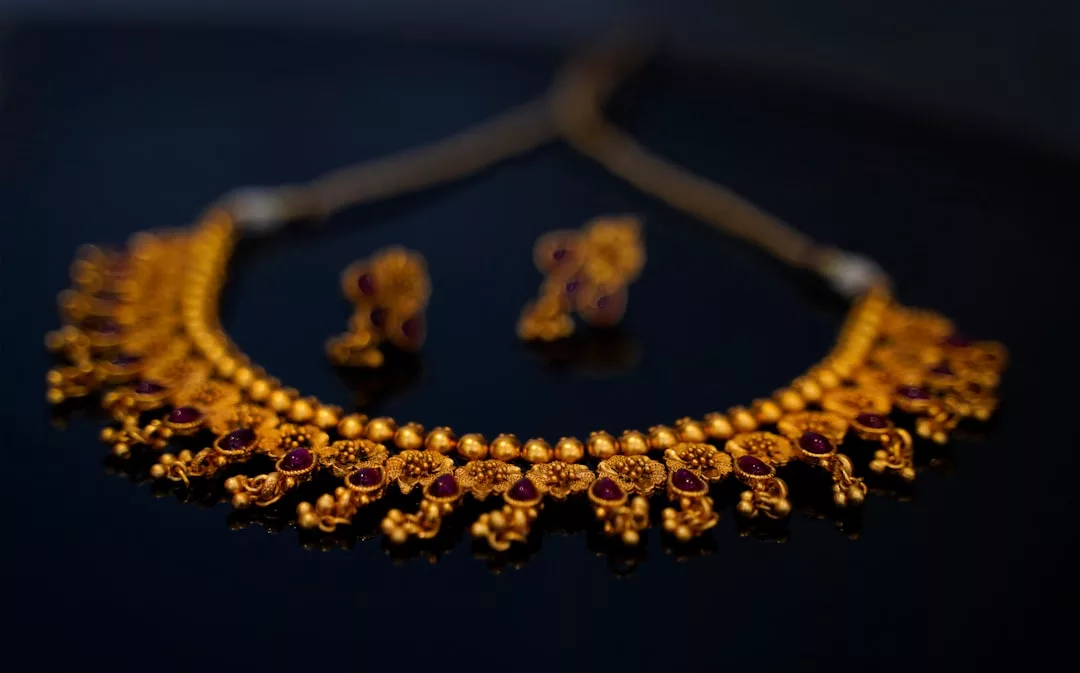
Gold jewelry has a rich and storied history that dates back thousands of years, intertwining with the development of human civilization itself. The earliest known use of gold for adornment can be traced to ancient Egypt around 3000 BCE, where gold was not only a symbol of wealth but also a representation of divine power. The Egyptians crafted intricate pieces, including necklaces, bracelets, and earrings, often inlaid with precious stones and adorned with hieroglyphics.
Gold was so revered that it was believed to be the flesh of the gods, particularly associated with the sun god Ra. This divine connection elevated gold jewelry beyond mere decoration; it became a vital part of burial rituals, ensuring that the deceased would have wealth in the afterlife. As civilizations evolved, so did the artistry and significance of gold jewelry.
The ancient Greeks and Romans embraced gold for its malleability and luster, creating elaborate designs that reflected their cultural values and artistic achievements. Greek artisans were known for their skill in filigree work, while Roman jewelers often incorporated gemstones into their pieces, showcasing both wealth and status. The fall of the Roman Empire did not diminish the allure of gold; rather, it transformed into a symbol of power during the Middle Ages.
Monarchs and nobility adorned themselves with gold jewelry to signify their rank, often using it as a means to display their influence and wealth. Throughout history, gold jewelry has served as a testament to human creativity and cultural expression, evolving through various epochs while maintaining its intrinsic value.
Key Takeaways
- Gold jewelry has a rich history dating back to ancient civilizations, where it was used for adornment and as a symbol of wealth and status.
- Gold is often associated with qualities such as power, wealth, and prosperity, making it a popular choice for symbolic jewelry pieces.
- Gold jewelry is incredibly versatile, with a wide range of styles and designs to suit different tastes and occasions.
- There are various types of gold jewelry, including rings, necklaces, bracelets, earrings, and more, each with its own unique appeal.
- To care for gold jewelry, it’s important to store it properly, clean it regularly, and avoid exposing it to harsh chemicals or abrasive materials.
The Symbolism of Gold
Gold has long been associated with a myriad of symbolic meanings across different cultures and eras. Its radiant hue and rarity have made it a universal symbol of wealth, prosperity, and success. In many societies, gold is seen as a representation of purity and perfection due to its resistance to tarnish and corrosion.
This quality has led to its use in religious artifacts and ceremonial items, where it symbolizes the divine or the eternal. For instance, in Hinduism, gold is often used in religious ceremonies and is considered auspicious, representing the goddess Lakshmi, who embodies wealth and prosperity. Beyond its material value, gold also carries emotional significance.
It is frequently given as a gift during important life events such as weddings, anniversaries, and graduations. The act of gifting gold jewelry is laden with meaning; it signifies love, commitment, and the desire for the recipient’s happiness and success. In many cultures, gold jewelry is passed down through generations as heirlooms, embodying family history and tradition.
This practice not only preserves memories but also reinforces familial bonds, making gold jewelry a cherished possession that transcends time.
The Versatility of Gold Jewelry
One of the most appealing aspects of gold jewelry is its remarkable versatility. Gold can be fashioned into an array of styles, from classic to contemporary, making it suitable for any occasion or personal aesthetic.
This adaptability extends beyond design; gold jewelry can be worn in various settings, from casual outings to formal events. A delicate gold chain can elevate a simple t-shirt and jeans ensemble, while an ornate gold cuff can add sophistication to an evening gown. Moreover, gold jewelry can be easily layered or mixed with other materials to create unique looks.
The trend of stacking rings or layering necklaces allows individuals to express their personal style creatively. Gold pairs beautifully with other metals like silver or rose gold, enabling wearers to experiment with contrasting textures and colors. This ability to blend seamlessly with other materials enhances its appeal, making gold jewelry a staple in modern fashion.
Its timeless nature ensures that it remains relevant regardless of changing trends, allowing individuals to invest in pieces that will endure through time.
Types of Gold Jewelry
Gold jewelry comes in various forms, each with its unique characteristics and appeal. The most common types include rings, necklaces, bracelets, earrings, and brooches. Rings are perhaps the most significant category, encompassing everything from engagement rings to fashion rings adorned with gemstones or intricate designs.
Engagement rings often feature diamonds set in gold bands, symbolizing love and commitment. Meanwhile, fashion rings can be bold statement pieces or delicate stackable rings that allow for personal expression. Necklaces are another popular form of gold jewelry, ranging from simple chains to elaborate pendants.
A classic gold chain can serve as a versatile accessory that can be worn alone or adorned with charms or pendants for added flair. Gold earrings also come in various styles, including studs, hoops, and drop earrings. Each type offers different ways to enhance one’s appearance; for instance, hoop earrings can add a touch of glamour to casual outfits while stud earrings provide a more understated elegance.
Bracelets are equally diverse, from sleek bangles to intricate charm bracelets that tell a story through their collected charms. Brooches have seen a resurgence in popularity as vintage-inspired accessories that can add character to any outfit. Each type of gold jewelry serves not only as an adornment but also as a means of self-expression, allowing individuals to showcase their personality through their choices.
How to Care for Gold Jewelry
Caring for gold jewelry is essential to maintain its luster and longevity. While gold is resistant to tarnishing compared to other metals, it can still accumulate dirt and oils from skin contact over time. Regular cleaning is crucial; using a soft cloth to gently wipe down pieces after wearing them can help remove any residue that may dull their shine.
For deeper cleaning, a mixture of warm water and mild soap can be used along with a soft brush to reach intricate designs or settings. It is also important to store gold jewelry properly to prevent scratches or damage. Keeping pieces in a soft-lined jewelry box or pouches can protect them from being scratched by other items.
Avoid storing multiple pieces together without protection; instead, separate them to minimize friction. Additionally, removing gold jewelry before engaging in activities such as swimming or exercising can prevent exposure to harsh chemicals or sweat that may affect its appearance over time.
The Value of Gold
The value of gold is determined by various factors including purity, weight, market demand, and economic conditions. Gold purity is measured in karats (K), with 24K being pure gold. However, most jewelry is made from alloys that combine gold with other metals for durability; common purities include 18K (75% gold) and 14K (58.3% gold).
The higher the karat number, the more valuable the piece typically is due to its greater gold content. Market demand plays a significant role in determining the price of gold jewelry. Economic factors such as inflation rates, currency fluctuations, and geopolitical stability can influence investor behavior towards gold as a safe-haven asset.
When economic uncertainty rises, demand for gold often increases as individuals seek stability in tangible assets. This dynamic relationship between market conditions and gold prices underscores the importance of understanding the broader economic landscape when considering investments in gold jewelry.
Gold Jewelry in Fashion
Gold jewelry has consistently held a prominent place in fashion trends throughout history. Designers often incorporate gold into their collections due to its timeless appeal and ability to elevate any outfit. In recent years, there has been a resurgence of interest in vintage-inspired designs that celebrate the craftsmanship of past eras while infusing modern sensibilities.
This trend has led to an increased appreciation for unique pieces that tell a story or reflect individual style. Fashion influencers and celebrities frequently showcase gold jewelry on red carpets and social media platforms, further solidifying its status as a must-have accessory. Layering different types of gold pieces has become particularly popular; combining necklaces of varying lengths or stacking rings creates visually striking looks that resonate with contemporary fashion sensibilities.
Additionally, collaborations between high-end designers and artisans have resulted in exclusive collections that highlight the artistry involved in crafting exquisite gold jewelry.
Gold Jewelry as an Investment
Investing in gold jewelry can be both financially rewarding and personally fulfilling. Unlike other forms of investment that may fluctuate wildly based on market trends, gold has historically maintained its value over time. Many investors view gold as a hedge against inflation; during periods of economic instability or currency devaluation, demand for physical gold often increases as people seek security in tangible assets.
When considering gold jewelry as an investment, it is essential to focus on quality and craftsmanship. Pieces made from high-karat gold or those featuring rare gemstones tend to hold their value better than mass-produced items. Additionally, unique designs or limited-edition collections can appreciate significantly over time due to their rarity and desirability among collectors.
However, potential investors should also be aware of market trends and fluctuations in demand for specific styles or types of jewelry.
Gold Jewelry for Special Occasions
Gold jewelry plays an integral role in celebrating special occasions across cultures worldwide. Weddings are perhaps the most significant event where gold takes center stage; many cultures incorporate gold into wedding traditions through bridal sets or gifts from family members symbolizing love and prosperity for the couple’s future together. In some cultures, brides wear elaborate gold necklaces or headpieces that reflect their heritage while adding an air of elegance on their special day.
Beyond weddings, milestones such as anniversaries or graduations often call for the gifting of gold jewelry as tokens of achievement or love. Personalized pieces engraved with names or dates add sentimental value that enhances their significance during these celebrations. Birthdays also present opportunities for gifting gold items; many people choose to give birthstone-adorned pieces set in gold as meaningful presents that celebrate individuality while maintaining timeless appeal.
Sustainable and Ethical Gold
The conversation surrounding sustainable and ethical practices within the jewelry industry has gained momentum in recent years as consumers become increasingly aware of environmental impacts associated with mining practices for precious metals like gold. Sustainable sourcing involves ensuring that materials are obtained responsibly without causing harm to ecosystems or communities involved in mining operations.
Many brands now prioritize transparency regarding sourcing methods by partnering with certified suppliers who adhere strictly to ethical standards while promoting responsible mining initiatives aimed at minimizing negative impacts on local communities.
Tips for Styling Gold Jewelry
Styling gold jewelry effectively requires an understanding of balance and proportion within an outfit’s overall aesthetic framework. One approach involves selecting statement pieces that draw attention without overwhelming other elements; for instance, pairing bold hoop earrings with understated clothing allows them to shine without competing for attention against busy patterns or textures. Layering different types of gold jewelry can create visually interesting looks while showcasing personal style preferences; combining delicate chains with chunky bracelets adds depth while maintaining harmony within an ensemble’s color palette, gold’s warm tones complement various hues beautifully!
Additionally, mixing metals, such as pairing silver rings alongside golden bangles, can create an eclectic yet cohesive look that reflects individuality while embracing contemporary fashion trends. In conclusion, understanding how best to style your favorite pieces involves experimenting until you find combinations that resonate personally, whether opting for minimalist elegance or maximalist flair! Ultimately embracing creativity when accessorizing ensures each piece tells its own story while enhancing overall confidence through thoughtful expression!
More in
More from Jewelry
Jewelry · 8 min
Stylish Bar Jewelry: Elevate Your Look
Bar jewelry has emerged as a captivating trend in the world of accessories, captivating fashion enthusiasts and casual wearers alike. Characterized by…
Jewelry · 9 min
Unlocking the Elegance of the Emerald Cut
The emerald cut has a rich and storied history that dates back to the 15th century, originating in the lapidary practices of the Spanish and Portugues…
Jewelry · 9 min
Bangle: A Timeless Fashion Accessory
Bangle jewelry has a rich and diverse history that spans across various cultures and epochs. The origins of bangles can be traced back to ancient civi…