Jewelry · Jewelry
Shine with Stunning Silver Jewelry
Silver jewelry has captivated hearts and minds for centuries, transcending cultures and eras with its unique blend of beauty and versatility. Its lustrous sheen and malleability ma…
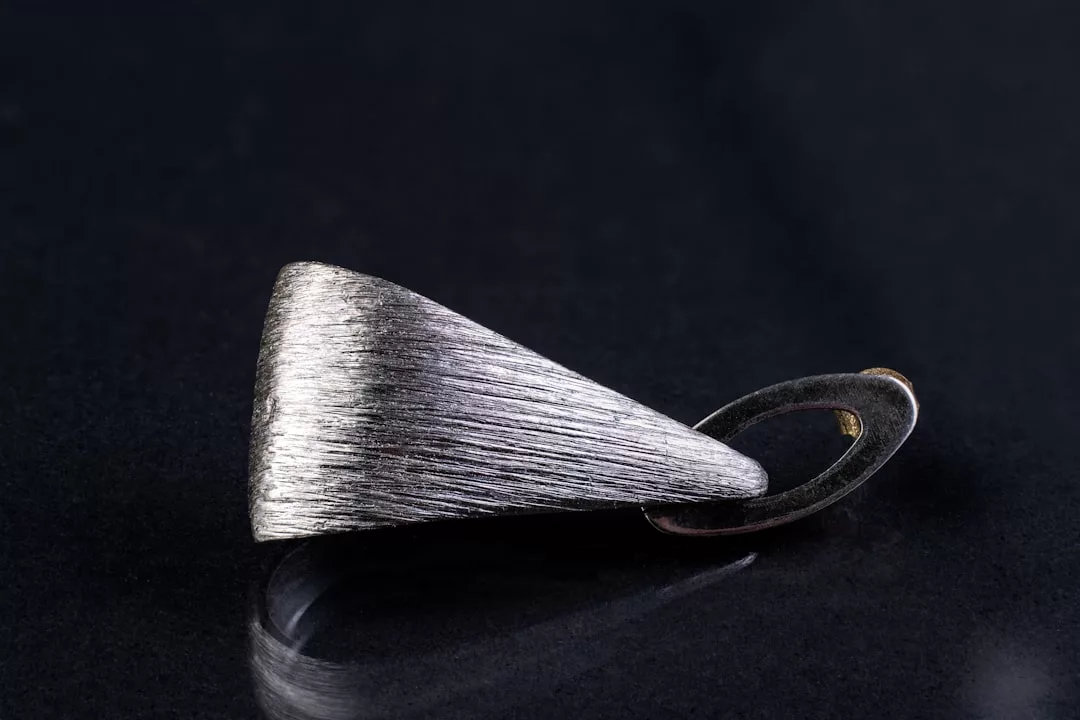
Silver jewelry has captivated hearts and minds for centuries, transcending cultures and eras with its unique blend of beauty and versatility. Its lustrous sheen and malleability make it an ideal medium for artisans, allowing for intricate designs that can range from the minimalist to the ornate. Unlike gold, which often commands a higher price point, silver offers an accessible luxury that appeals to a broad audience.
This accessibility does not diminish its value; rather, it enhances its appeal as a staple in both casual and formal attire. The cool tones of silver can complement a variety of gemstones, making it a favored choice for those who appreciate the interplay of color and light. Moreover, silver jewelry carries with it a sense of timelessness. From ancient civilizations that used silver for trade and adornment to modern-day fashionistas who incorporate it into their daily wardrobes, silver has maintained its relevance. The allure of silver lies not only in its aesthetic qualities but also in its ability to evoke emotions and memories, making each piece a cherished item that tells a story.
Key Takeaways
- Silver jewelry has a timeless allure that never goes out of style, making it a versatile and classic choice for any collection.
- Types of silver jewelry to consider adding to your collection include rings, necklaces, bracelets, earrings, and anklets, each offering a unique way to incorporate silver into your look.
- To care for your silver jewelry, it’s important to store it properly, clean it regularly, and avoid exposing it to harsh chemicals or extreme temperatures.
- Wearing silver jewelry can offer benefits such as promoting healing, reducing stress, and providing a sense of elegance and sophistication.
- When styling silver jewelry, consider mixing and matching different pieces, layering necklaces, and balancing statement pieces with more delicate ones for a polished look.
Types of Silver Jewelry to Add to Your Collection
Sterling Silver: Durability and Versatility
One of the most popular categories is sterling silver, which consists of 92.5% pure silver and 7.5% other metals, typically copper. This alloy is favored for its durability and resistance to tarnishing, making it an excellent choice for everyday wear. Rings, bracelets, necklaces, and earrings crafted from sterling silver can be found in countless styles, from simple bands to elaborate statement pieces adorned with gemstones.Fine Silver: High-End Craftsmanship
Another noteworthy type is fine silver, which is composed of 99.9% pure silver. While it boasts a higher silver content than sterling, fine silver is softer and more prone to scratching, making it less suitable for items that endure daily wear. However, fine silver is often used in high-end jewelry pieces or artisan creations where the focus is on craftsmanship and design rather than durability.Innovative Variations: Argentium Silver
Additionally, there are unique variations such as argentium silver, which contains a small amount of germanium to enhance tarnish resistance. This innovative alloy has gained popularity among jewelers for its bright finish and ease of maintenance.How to Care for Your Silver Jewelry
Caring for silver jewelry is crucial to maintaining its luster and prolonging its lifespan. One of the primary concerns with silver is tarnishing, which occurs when the metal reacts with sulfur in the air or from skin contact. To minimize tarnish buildup, it is advisable to store silver pieces in a cool, dry place, ideally in anti-tarnish pouches or cloths that help absorb moisture and prevent oxidation.
Additionally, keeping your jewelry away from harsh chemicals found in household cleaners or beauty products can significantly reduce tarnishing. Regular cleaning is also essential for preserving the beauty of your silver jewelry. A simple solution of warm water and mild soap can be effective for routine cleaning; however, for more stubborn tarnish, specialized silver polish or a soft cloth designed for cleaning silver can be employed.
It is important to avoid abrasive materials that could scratch the surface of the metal. For intricate designs or pieces with gemstones, professional cleaning may be warranted to ensure that all crevices are thoroughly cleaned without damaging any delicate components.
The Benefits of Wearing Silver Jewelry
Wearing silver jewelry offers numerous benefits beyond mere aesthetics. One significant advantage is its hypoallergenic properties; many individuals who experience allergic reactions to other metals find that silver does not irritate their skin. This makes silver an excellent choice for those with sensitive skin or allergies to nickel or other common alloys used in jewelry making.
The soothing qualities attributed to silver are also noteworthy; some believe that wearing silver can help regulate body temperature and improve circulation. In addition to physical benefits, silver jewelry carries emotional and psychological advantages as well. Many cultures associate silver with clarity of thought and emotional balance.
Wearing silver can serve as a reminder of personal strength and resilience, providing comfort during challenging times. Furthermore, the act of adorning oneself with beautiful jewelry can boost confidence and enhance self-expression, allowing individuals to showcase their unique style and personality through their choice of accessories.
Styling Tips for Silver Jewelry
When it comes to styling silver jewelry, versatility is one of its greatest strengths. Silver can seamlessly transition from day to night, making it an ideal choice for various occasions. For a casual daytime look, consider layering delicate silver necklaces of varying lengths or stacking thin bangles on your wrist.
This creates an effortless yet chic appearance that adds interest without overwhelming your outfit. Pairing these pieces with neutral tones or soft pastels allows the shine of the silver to stand out while maintaining a balanced aesthetic. For evening events or more formal occasions, statement pieces such as bold cuff bracelets or chandelier earrings can elevate your ensemble significantly.
When wearing statement jewelry, it’s often best to keep other accessories minimal to avoid clashing or overwhelming your look. A classic little black dress paired with striking silver jewelry creates a timeless combination that exudes elegance and sophistication. Additionally, mixing silver with other metals like gold or rose gold can create a modern twist on traditional styling, allowing for a unique blend that reflects personal taste.
The Symbolism of Silver in Jewelry
Silver has long been imbued with rich symbolism across various cultures and traditions. In many societies, it represents purity, clarity, and wisdom. The reflective quality of silver is often associated with the moon, symbolizing femininity and intuition.
This connection to lunar energy has made silver a popular choice for talismans and amulets intended to provide protection and guidance. In some cultures, gifting silver jewelry signifies a bond between individuals, representing love and commitment. Moreover, in spiritual practices, silver is believed to enhance psychic abilities and promote emotional healing.
Many practitioners use silver in meditation or rituals aimed at fostering inner peace and clarity of thought. The symbolism attached to silver jewelry extends beyond mere aesthetics; it serves as a reminder of deeper connections, whether to oneself or to others, making each piece not just an accessory but a meaningful artifact.
Choosing the Right Silver Jewelry for Your Skin Tone
Selecting the right silver jewelry involves considering your skin tone to ensure that the pieces you choose enhance your natural beauty. Generally speaking, individuals with cool undertones tend to look best in bright sterling or fine silver that complements their skin’s natural hues. Those with pink or blue undertones may find that cooler shades of silver accentuate their features beautifully.
On the other hand, individuals with warm undertones may prefer warmer-toned metals like yellow gold or rose gold; however, they can still wear silver by opting for oxidized or antiqued finishes that add depth and warmth. Another factor to consider is the contrast between your skin tone and the jewelry itself. For those with fair skin, delicate designs featuring intricate details can create an elegant look without overwhelming their complexion.
Conversely, individuals with deeper skin tones may opt for bolder pieces that stand out against their skin’s richness.
Incorporating Silver Jewelry into Your Everyday Look
Incorporating silver jewelry into your everyday wardrobe can elevate even the simplest outfits into something special. One effective approach is to start with foundational pieces that can be worn daily without feeling overly extravagant. A classic pair of stud earrings or a simple pendant necklace can add just the right touch of elegance without being too flashy for casual settings.
These understated pieces can easily transition from day to night by simply adding more layers or swapping out accessories. For those looking to make a bolder statement in their everyday attire, consider mixing different styles of silver jewelry together, such as stacking rings or layering necklaces, to create a personalized look that reflects your individuality. Pairing these accessories with casual outfits like jeans and a t-shirt can create an effortlessly chic vibe that showcases your style without appearing overly done up.
Additionally, incorporating seasonal trends, such as chunky chains or textured finishes, can keep your everyday look fresh and exciting while maintaining the timeless appeal of silver.
The History and Cultural Significance of Silver Jewelry
The history of silver jewelry is rich and varied, tracing back thousands of years across numerous civilizations worldwide. Ancient Egyptians valued silver highly; they believed it was a gift from the gods due to its rarity compared to gold at the time. Silver was often used in burial artifacts and adornments for pharaohs as symbols of wealth and power.
Similarly, in ancient Rome, silver was associated with status and was frequently used in coins as well as decorative items. In many indigenous cultures around the world, such as Native American tribes, silver holds significant cultural importance as well. It is often used in traditional crafts and ceremonies, symbolizing connection to heritage and identity.
The intricate designs found in Native American silver jewelry often tell stories or represent elements from nature, each piece serving as both art and history intertwined within its creation.
Silver Jewelry Trends to Watch for
As fashion continues to evolve, so too do trends in silver jewelry design. One notable trend gaining traction is the resurgence of vintage-inspired pieces that draw on historical designs while incorporating modern sensibilities. Art Deco motifs featuring geometric shapes and bold lines are particularly popular among contemporary jewelers looking to evoke nostalgia while appealing to modern tastes.
Another trend worth noting is the rise of personalized jewelry, pieces that allow individuals to express their uniqueness through initials, birthstones, or custom engravings crafted in sterling silver settings. This trend emphasizes individuality while maintaining the timeless allure associated with traditional silver jewelry styles.
How to Spot Quality Silver Jewelry
Identifying quality silver jewelry requires attention to detail and knowledge about what constitutes genuine craftsmanship versus mass-produced items. One key indicator is the hallmark stamped on the piece; authentic sterling silver should bear a “925” mark indicating its composition of 92.5% pure silver along with 7.5% other metals like copper for durability purposes. Additionally, examining the craftsmanship itself can reveal much about quality; well-made pieces will have smooth edges without rough spots or visible seams where components join together, signs of care taken during production rather than hasty assembly line work.
Finally, reputable jewelers will often provide information regarding their sourcing practices, ensuring ethical standards are upheld throughout production processes, adding another layer of assurance regarding quality when purchasing new items for your collection. In conclusion, understanding the multifaceted world of silver jewelry, from its timeless allure and diverse types to care techniques and styling tips, can enhance both appreciation for this beautiful metal as well as informed choices when adding new pieces into one’s collection.
More in
More from Jewelry
Jewelry · 8 min
Stylish Bar Jewelry: Elevate Your Look
Bar jewelry has emerged as a captivating trend in the world of accessories, captivating fashion enthusiasts and casual wearers alike. Characterized by…
Jewelry · 9 min
Unlocking the Elegance of the Emerald Cut
The emerald cut has a rich and storied history that dates back to the 15th century, originating in the lapidary practices of the Spanish and Portugues…
Jewelry · 9 min
Bangle: A Timeless Fashion Accessory
Bangle jewelry has a rich and diverse history that spans across various cultures and epochs. The origins of bangles can be traced back to ancient civi…