Fashion · Fashion
Stay Warm and Stylish with a Trendy Parka
The parka has a rich and storied history that traces back to the indigenous peoples of the Arctic, particularly the Inuit. Traditionally, these garments were crafted from animal sk…
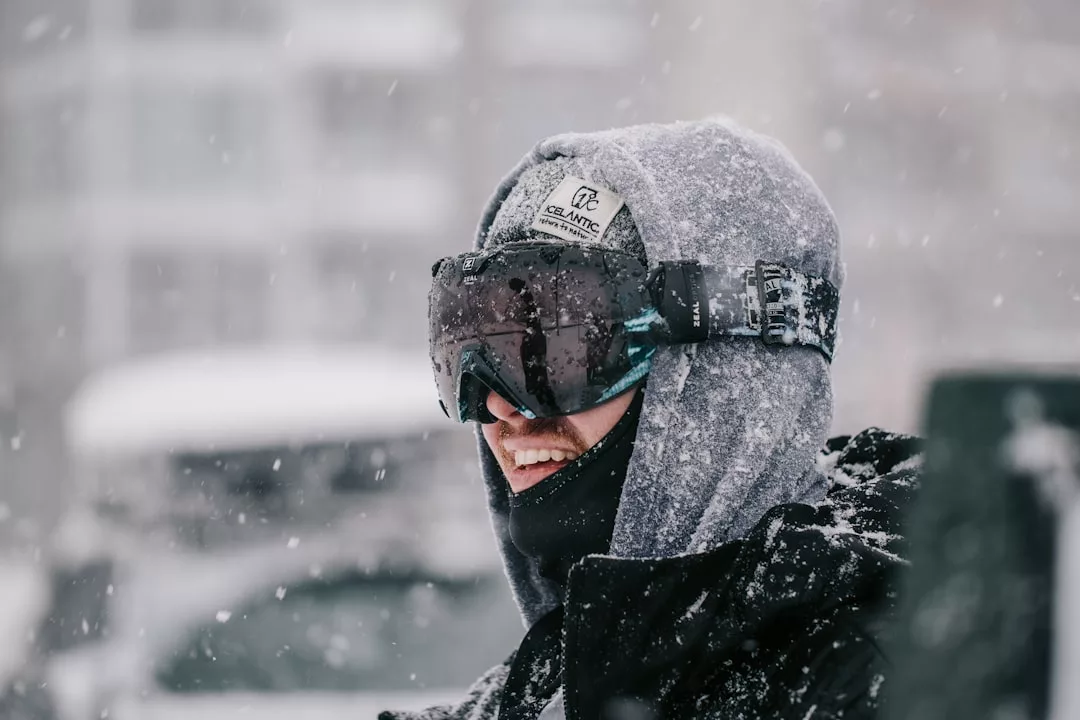
The parka has a rich and storied history that traces back to the indigenous peoples of the Arctic, particularly the Inuit. Traditionally, these garments were crafted from animal skins, such as seal or caribou, and were designed to provide warmth and protection against the harsh Arctic climate. The word “parka” itself is derived from the Aleut word “parka,” which refers to a type of clothing made from animal fur.
These early parkas were often lined with fur for added insulation and featured hoods to shield the face from biting winds and snow. The craftsmanship involved in creating these garments was not only practical but also deeply rooted in cultural significance, with designs often reflecting the wearer’s community and personal identity. As explorers and researchers ventured into the Arctic regions in the 19th century, they encountered the parka and recognized its effectiveness in extreme weather conditions.
This led to a gradual introduction of the parka into Western fashion, particularly during the mid-20th century. The parka gained popularity among military personnel during World War II, where it was utilized for its warmth and functionality in cold climates. By the 1960s and 1970s, the parka had transcended its utilitarian origins and emerged as a fashion statement, embraced by youth culture and countercultural movements.
Designers began to experiment with colors, materials, and styles, transforming the parka into a versatile piece that could be worn in various settings.
Key Takeaways
- The parka has a rich history rooted in Inuit tradition and has evolved into a fashion staple.
- When choosing a parka, consider factors such as length, color, and material to match your personal style and needs.
- Layering is key to staying warm and stylish in your parka, so experiment with different combinations for maximum comfort.
- Your parka can be styled for various occasions, from casual outings to work and evening events, with the right accessories.
- Pair your parka with scarves, hats, and gloves to add both warmth and style to your winter look.
Choosing the Right Parka for Your Style: Length, Color, and Material Options
Selecting the perfect parka involves considering several factors, including length, color, and material. Parkas come in various lengths, ranging from hip-length to knee-length or even longer. A shorter parka can provide a more casual look and is often easier to style with everyday outfits, while a longer parka offers additional warmth and can create a more sophisticated silhouette.
For those who prioritize mobility and ease of wear, a hip-length parka may be ideal, whereas individuals seeking maximum coverage against the elements might opt for a knee-length or longer version. Color is another crucial aspect when choosing a parka. Traditional colors like navy blue, black, and olive green remain popular due to their versatility and timeless appeal.
However, contemporary fashion trends have introduced a wider palette, including vibrant hues like mustard yellow, deep burgundy, and even pastel shades. When selecting a color, consider your existing wardrobe and how well the parka will complement your other clothing items. Additionally, think about the occasions for which you plan to wear the parka; a bold color might be perfect for casual outings but may not suit a more formal environment.
Material choice is equally important in determining both style and functionality. Common materials for parkas include nylon, polyester, and cotton blends, each offering different levels of water resistance and insulation. For colder climates, look for parkas with down or synthetic insulation that provide warmth without excessive bulk.
On the other hand, if you live in a milder climate or are looking for a transitional piece, consider lighter materials that still offer some protection against wind and rain. Ultimately, the right combination of length, color, and material will ensure that your parka not only meets your practical needs but also aligns with your personal style.
Layering Tips to Stay Warm and Stylish in Your Parka
Layering is an essential technique for staying warm during colder months while maintaining a stylish appearance in your parka. The key to effective layering lies in choosing the right base layers that provide insulation without adding unnecessary bulk. Start with moisture-wicking fabrics such as merino wool or synthetic blends for your base layer.
These materials help regulate body temperature by drawing sweat away from the skin while providing warmth. A fitted long-sleeve shirt or thermal top can serve as an excellent foundation for your outfit. Next, consider adding a mid-layer for extra insulation.
Fleece jackets or lightweight down vests are popular choices that can easily fit under your parka without compromising comfort. These layers trap heat while allowing for breathability, ensuring you remain warm without overheating. When selecting mid-layers, opt for styles that complement your parka’s color scheme to create a cohesive look.
For instance, if you have a dark-colored parka, a lighter mid-layer can create an appealing contrast. Finally, don’t forget about accessories that can enhance both warmth and style. A chunky knit sweater or cardigan can be worn over your base layer but under your parka for added texture and visual interest.
Additionally, incorporating scarves or neck gaiters can provide extra warmth around your neck while adding a pop of color or pattern to your ensemble. By mastering the art of layering, you can enjoy both comfort and style throughout the winter months.
Styling Your Parka for Different Occasions: Casual, Work, and Evening
The versatility of the parka allows it to be styled for various occasions, from casual outings to more formal events. For casual wear, consider pairing your parka with fitted jeans or leggings and ankle boots for an effortlessly chic look. A graphic tee or oversized sweater underneath can add a relaxed vibe while keeping you comfortable.
Accessories like beanies or crossbody bags can further enhance this laid-back aesthetic without sacrificing functionality. When it comes to work attire, styling your parka requires a more polished approach. Opt for tailored trousers or a pencil skirt paired with ankle boots or loafers to create a sophisticated silhouette.
A fitted blouse or turtleneck can serve as an excellent base layer beneath your parka. Choose a parka in neutral tones or classic colors to maintain professionalism while still enjoying the warmth it provides. Adding structured accessories like a leather tote bag can elevate your overall look while ensuring you remain prepared for any weather conditions.
For evening events or outings, consider how to dress up your parka while maintaining its inherent comfort. A sleek black parka can be paired with a little black dress or tailored jumpsuit for an elegant yet practical ensemble. Heeled boots or stylish flats can add sophistication to your outfit while keeping it grounded in comfort.
Incorporating statement jewelry or a bold clutch can further enhance your evening look without overshadowing the practicality of your parka.
The Best Accessories to Pair with Your Parka: Scarves, Hats, and Gloves
Accessories play a pivotal role in enhancing both the functionality and style of your parka during colder months. Scarves are one of the most versatile accessories you can incorporate into your winter wardrobe. Opt for chunky knit scarves that provide warmth while adding texture to your outfit.
A patterned scarf can introduce visual interest and contrast against a solid-colored parka, creating an eye-catching ensemble. Alternatively, consider lightweight silk scarves for milder days; they can be tied around your neck or even used as hair accessories. Hats are another essential accessory that not only keeps you warm but also adds flair to your look.
Beanies are popular choices due to their casual appeal and variety of styles; they can be found in numerous colors and patterns to suit any outfit. For a more polished appearance, consider wool fedoras or berets that can elevate your overall aesthetic while providing warmth during chilly outings. When selecting hats, ensure they complement the color palette of your parka for a cohesive look.
Gloves are equally important when it comes to accessorizing with a parka. Leather gloves offer sophistication and warmth but may not be suitable for extreme cold conditions; therefore, consider insulated gloves made from materials like fleece or down for maximum protection against frigid temperatures. Touchscreen-compatible gloves are also practical for those who need to use their devices without exposing their hands to the cold.
By thoughtfully selecting accessories like scarves, hats, and gloves, you can enhance both the functionality and style of your parka.
How to Care for Your Parka: Cleaning and Storage Tips
Proper care is essential for maintaining the longevity of your parka while ensuring it remains functional and stylish throughout its lifespan. Cleaning methods vary depending on the material of your parka; always check the care label before proceeding with any cleaning process. For parkas made from synthetic materials like nylon or polyester, machine washing on a gentle cycle with cold water is often suitable.
Use mild detergent to avoid damaging the fabric’s water-resistant properties. For down-filled parkas, special care is required during washing to prevent clumping of insulation material. It is advisable to use a front-loading washing machine if possible; top-loading machines may cause excessive agitation that could damage the down filling.
Adding dryer balls during drying can help maintain fluffiness by preventing clumps from forming within the down compartments. Storage is equally important in preserving your parka’s shape and functionality when not in use. Avoid hanging parkas on thin hangers that may distort their shape; instead, opt for wide padded hangers that provide adequate support.
If space allows, store your parka in a breathable garment bag to protect it from dust while allowing air circulation. For seasonal storage, ensure that your parka is clean before placing it in storage; this prevents any stains from setting in over time.
The Versatility of the Parka: Transitioning from Fall to Winter
The adaptability of the parka makes it an ideal choice for transitioning between fall and winter seasons. As temperatures begin to drop in fall, lightweight parkas made from breathable materials can provide just enough warmth without overheating during milder days. These transitional parkas often feature removable linings or hoods that allow wearers to customize their level of insulation based on changing weather conditions.
As winter approaches and temperatures plummet further, heavier parkas with thicker insulation become essential for maintaining warmth during outdoor activities or commutes. Many modern parkas are designed with versatility in mind; they often include features such as adjustable cuffs or drawstrings at the waist that allow wearers to customize fit and insulation levels according to their preferences. Layering becomes increasingly important as winter sets in; pairing your parka with thermal base layers or cozy sweaters ensures you remain warm without sacrificing style.
The ability to adapt your outfit based on fluctuating temperatures makes the parka an invaluable addition to any winter wardrobe.
The Eco-Friendly Parka: Sustainable and Ethical Options
In recent years, there has been a growing demand for eco-friendly fashion options across all clothing categories, including parkas. Sustainable parkas are often made from recycled materials or organic fabrics that minimize environmental impact during production processes. Brands committed to sustainability prioritize ethical sourcing practices by ensuring fair labor conditions throughout their supply chains.
One notable trend within eco-friendly parkas is the use of recycled down insulation derived from post-consumer waste products such as discarded jackets or bedding items. This innovative approach not only reduces landfill waste but also provides high-quality insulation comparable to traditional down materials. Additionally, many brands are now focusing on transparency regarding their manufacturing processes; consumers are increasingly interested in knowing where their clothing comes from and how it was produced.
By choosing sustainable parkas made from ethically sourced materials, consumers can make informed decisions that align with their values while still enjoying stylish outerwear options.
Celebrity Inspiration: How Your Favorite Stars Rock Their Parkas
Celebrities have long been influential figures in fashion trends, and their interpretations of how to style parkas offer valuable inspiration for everyday wearers seeking fresh ideas. Stars like Gigi Hadid have been spotted donning oversized parkas paired with fitted jeans and combat boots, a look that effortlessly combines comfort with street style chic. This ensemble showcases how an oversized silhouette can create an edgy vibe while remaining practical for daily activities.
Another celebrity known for her impeccable style is Emma Watson; she often opts for tailored parkas that exude sophistication when paired with elegant dresses or skirts during public appearances. This juxtaposition highlights how parkas can transition seamlessly from casual outings to more formal events when styled thoughtfully. Rihanna is another trendsetter who frequently incorporates parkas into her outfits, often layering them over statement pieces like graphic tees or vibrant dresses, demonstrating their versatility across various fashion aesthetics.
By observing how these celebrities style their parkas through unique combinations of clothing items and accessories, individuals can find inspiration tailored specifically to their personal tastes.
The Evolution of the Parka: Modern Features and Technology
The evolution of the parka has been marked by significant advancements in technology and design features aimed at enhancing performance without compromising style. Modern parkas often incorporate innovative materials such as Gore-Tex or other waterproof fabrics that provide superior protection against rain and snow while remaining breathable, ideal for active lifestyles. Insulation technology has also seen remarkable improvements; many contemporary parkas utilize synthetic insulation materials designed to mimic down’s warmth without sacrificing weight or packability, making them perfect companions for outdoor adventures where space is limited.
Additionally, features like adjustable hoods with drawstrings allow wearers greater control over fit while providing added protection against harsh weather conditions, ensuring comfort regardless of environmental challenges faced outdoors.
Where to Find the Perfect Parka: Shopping Tips and Recommendations
Finding the perfect parka requires careful consideration of various factors including fit, style preferences, budget constraints, and knowing where to shop can make all the difference in securing an ideal piece suited specifically for individual needs. Start by exploring reputable outdoor retailers known for their quality outerwear selections; brands like Patagonia or The North Face offer durable options designed specifically for extreme weather conditions, ensuring longevity alongside performance capabilities. For those seeking fashionable yet functional options suitable for urban environments, brands like Canada Goose or Moncler provide stylish designs without compromising on warmth, making them popular choices among fashion-forward individuals looking to make statements through their outerwear selections.
Online shopping platforms such as ASOS or Nordstrom offer extensive collections featuring diverse styles across various price points, allowing consumers greater flexibility when searching for specific features tailored towards personal preferences. Lastly, don’t forget about second-hand shopping opportunities! Thrift stores often carry unique vintage finds at affordable prices, providing sustainable alternatives while allowing individuals access to one-of-a-kind pieces that stand out from mainstream offerings available elsewhere.
By considering these shopping tips alongside personal preferences regarding fit/style/materials, individuals can confidently navigate their search towards finding an ideal parka suited perfectly towards their unique needs!
More in
More from Fashion
Fashion · 2 min
Silk and Sartorial Smarts: Embracing the Singular Garment Principle
In an age of overwhelming choice, the ultimate luxury isn’t having more, it’s having the right thing. The modern wardrobe is undergoing a quiet r…

Fashion · 9 min
Dressing to Impress: The Art of Formal Wear
First impressions are often described as lasting impressions, and this adage holds significant weight in both personal and professional contexts. When…

Fashion · 9 min
Timeless Style: The Trench Coat
The trench coat has a rich and storied history that dates back to the late 19th century. Originally designed for military use, the trench coat was cre…