Fashion · Fashion
Stripes: The Timeless Trend in Fashion
Stripes have a rich and varied history in the realm of fashion, tracing their origins back to ancient civilizations. In medieval Europe, stripes were often associated with the lowe…
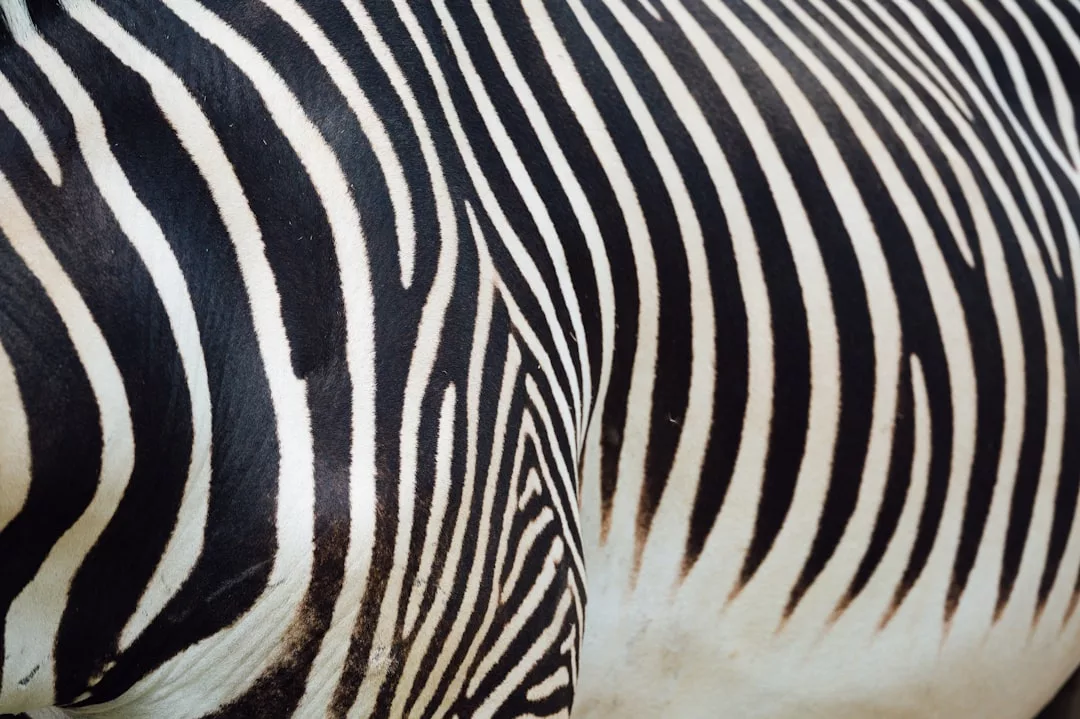
Stripes have a rich and varied history in the realm of fashion, tracing their origins back to ancient civilizations. In medieval Europe, stripes were often associated with the lower classes and were worn by those deemed as outcasts or criminals. The association with the marginalized continued into the 18th century when striped garments were often worn by sailors and prisoners.
This connection to the working class and the underprivileged gave stripes a rebellious edge, which would later be embraced by various fashion movements. As fashion evolved, stripes began to shed their negative connotations. By the 19th century, they were adopted by the upper classes, particularly in nautical themes.
The iconic Breton stripe, characterized by its horizontal lines, became synonymous with French maritime culture. Coco Chanel famously popularized this pattern in the 1910s, integrating it into women’s fashion and elevating its status. This shift marked a significant turning point, as stripes transitioned from symbols of social status to timeless staples in wardrobes across the globe.
Key Takeaways
- Stripes have been a fashion staple for centuries, with origins dating back to ancient civilizations such as the Egyptians and Romans.
- The versatility of stripes in clothing allows for endless styling options, from classic and timeless to bold and modern looks.
- Different body types can benefit from wearing stripes in various ways, such as vertical stripes for elongating and slimming effects.
- High fashion designers have consistently incorporated stripes into their collections, elevating the trend to a symbol of sophistication and luxury.
- The evolution of stripes in fashion trends has seen a shift from traditional black and white stripes to a wide range of colors, widths, and patterns.
The Versatility of Stripes in Clothing
Stripes are one of the most versatile patterns in fashion, capable of being dressed up or down depending on the occasion. They can be found in a myriad of styles, from casual t-shirts to elegant dresses, making them suitable for virtually any setting. The adaptability of stripes lies not only in their design but also in their ability to complement various fabrics and cuts.
For instance, a fitted striped blouse can be paired with tailored trousers for a polished office look, while a loose-fitting striped maxi dress can serve as a comfortable yet chic option for a summer outing. Moreover, stripes can be utilized to create different visual effects. Vertical stripes are often lauded for their elongating properties, making them a popular choice for those looking to create a taller silhouette.
Conversely, horizontal stripes can add width and dimension, which can be flattering when styled correctly. This inherent versatility allows individuals to express their personal style while also catering to their body shape and preferences.
How to Wear Stripes for Different Body Types
Understanding how to wear stripes effectively requires an awareness of body types and how different stripe patterns can enhance or detract from one’s figure. For example, individuals with an hourglass shape may find that fitted striped dresses or tops accentuate their curves beautifully. Opting for vertical stripes can further enhance this effect by creating a streamlined appearance.
On the other hand, those with a pear-shaped body might prefer A-line skirts or dresses with horizontal stripes on top to draw attention upward while balancing their proportions. For athletic body types, incorporating stripes can add dimension and interest. A striped shirt layered under a solid blazer can create a more dynamic look without overwhelming the frame.
Additionally, plus-size individuals can embrace stripes by choosing wider stripes or diagonal patterns that create movement and flow. The key is to experiment with different widths and orientations to find what feels most flattering and comfortable.
The Influence of Stripes in High Fashion
Stripes have made significant inroads into high fashion, often appearing on runways and in collections from renowned designers. The juxtaposition of stripes against other patterns or textures has become a hallmark of avant-garde fashion, showcasing the pattern’s ability to transcend traditional boundaries. Designers like Jean Paul Gaultier have famously incorporated stripes into their collections, using them to challenge norms and provoke thought about identity and societal roles.
Moreover, stripes have been utilized as a canvas for artistic expression within high fashion. Designers often play with scale and color, creating bold statements that capture attention. For instance, the use of oversized stripes in vibrant hues can evoke a sense of playfulness and creativity, while monochromatic stripes may convey sophistication and elegance.
This versatility allows high fashion to continually reinvent the classic stripe, ensuring its relevance in contemporary style narratives.
The Evolution of Stripes in Fashion Trends
The evolution of stripes in fashion trends reflects broader societal changes and cultural movements. In the 1960s, for example, stripes became emblematic of youth culture and rebellion, often seen in mod fashion and associated with icons like Twiggy. The bold use of color and pattern during this era signified a departure from traditional styles, paving the way for more experimental approaches to clothing.
As we moved into the 1980s and 1990s, stripes took on new forms with the rise of streetwear and casual styles. Today, stripes continue to evolve, adapting to modern sensibilities while remaining rooted in their historical significance.
The cyclical nature of fashion ensures that stripes will always find their way back into the spotlight, reimagined for new audiences.
Incorporating Stripes into Your Wardrobe
Incorporating stripes into your wardrobe can be both fun and rewarding, as they offer endless possibilities for mixing and matching with other pieces. A classic striped shirt is a versatile staple that can be paired with jeans for a casual look or tucked into a pencil skirt for a more polished ensemble. Striped accessories, such as scarves or bags, can also add a touch of flair without overwhelming an outfit.
When building a wardrobe centered around stripes, consider investing in pieces that feature varying stripe widths and orientations. This diversity allows for greater flexibility in styling while preventing outfits from becoming monotonous. For instance, pairing a thin-striped top with wide-striped trousers creates visual interest and depth.
Additionally, layering different striped pieces can yield unique combinations that showcase personal style while adhering to current trends.
The Psychology of Wearing Stripes
The psychology behind wearing stripes is fascinating and multifaceted. Stripes can evoke feelings of confidence and playfulness due to their bold nature. Many people associate stripes with creativity and individuality; thus, wearing them can serve as an expression of one’s personality.
The choice of stripe pattern, whether bold or subtle, can also reflect mood and intention; for example, vibrant colors may indicate a desire for attention or excitement. Furthermore, stripes can influence how others perceive us. Research suggests that certain patterns can affect social interactions; wearing stripes may make an individual appear more approachable or friendly.
This perception is particularly relevant in professional settings where first impressions are crucial. By understanding the psychological implications of wearing stripes, individuals can make more informed choices about their clothing that align with their desired image.
Mixing and Matching Stripes with Other Patterns
Mixing and matching stripes with other patterns is an art form that requires a keen eye for balance and harmony. When done correctly, it can create visually striking outfits that stand out in any crowd.
For instance, pairing a striped top with a floral skirt can create an engaging ensemble that feels fresh and modern. Another popular method is to mix different stripe orientations, horizontal with vertical, to create depth within an outfit. This technique works particularly well when using varying widths; for example, a thick horizontal striped dress layered under a thin vertical striped jacket can produce an intriguing visual effect without clashing.
The key is to maintain a cohesive color palette throughout the outfit to ensure that the patterns complement rather than compete with each other.
The Impact of Color and Width in Striped Clothing
The impact of color and width in striped clothing cannot be overstated; these elements play crucial roles in determining how an outfit is perceived both visually and emotionally. Wider stripes tend to make bolder statements and can evoke feelings of confidence and assertiveness. They are often favored in casual wear but can also be styled elegantly when paired with sophisticated pieces.
Conversely, thinner stripes are generally seen as more subtle and refined; they lend themselves well to professional attire or formal occasions. The color scheme also significantly influences how stripes are interpreted; bright colors may convey energy and vibrancy, while muted tones suggest sophistication and calmness. Understanding these nuances allows individuals to select striped clothing that aligns with their personal style goals and the messages they wish to convey through their attire.
Celebrities and Influencers Embracing the Striped Trend
Celebrities and influencers have played pivotal roles in popularizing striped fashion trends over the years. Icons like Audrey Hepburn famously donned striped tops paired with high-waisted trousers, creating an enduring look that continues to inspire modern fashionistas. More recently, influencers on social media platforms have embraced stripes as part of their signature styles, showcasing how versatile this pattern can be across various contexts.
The influence of celebrities extends beyond mere aesthetics; they often set trends that ripple through mainstream fashion markets. For instance, when stars like Gigi Hadid or Harry Styles sport bold striped ensembles on red carpets or casual outings, it sparks interest among fans who seek to emulate their looks. This phenomenon highlights how stripes remain relevant across generations, continually evolving while maintaining their classic appeal.
Sustainable and Ethical Striped Fashion Options
As sustainability becomes increasingly important in the fashion industry, many brands are now offering striped clothing options that prioritize ethical practices and eco-friendly materials. These sustainable choices often include organic cotton or recycled fabrics that reduce environmental impact while still delivering stylish designs. Brands like Reformation have made strides in creating fashionable striped pieces that align with eco-conscious values.
Moreover, thrift shopping has gained popularity as consumers seek unique striped garments while minimizing waste associated with fast fashion. Vintage shops often carry one-of-a-kind striped items that tell stories of past eras while allowing individuals to express their personal style sustainably. By embracing sustainable practices within striped fashion choices, consumers contribute positively to the environment while enjoying timeless designs that never go out of style.
◦ Good to know
What is the history behind stripes in fashion?
Stripes carry a surprising past. In medieval Europe they marked the lower classes, outcasts and criminals, and by the 18th century were worn by sailors and prisoners, lending them a rebellious edge. By the 19th century the upper classes embraced nautical stripes, and Coco Chanel popularised the Breton stripe in the 1910s.
How can I wear stripes to flatter my body type?
Vertical stripes are celebrated for their elongating effect, creating a taller, streamlined silhouette, while horizontal stripes add width and dimension when styled well. An hourglass figure suits fitted striped dresses that accentuate curves, whereas a pear shape might choose horizontal stripes on top with an A-line skirt to draw the eye upward.
Why are stripes considered so versatile?
Stripes adapt to almost any setting, appearing on everything from casual t-shirts to elegant dresses. A fitted striped blouse pairs beautifully with tailored trousers for a polished office look, while a loose striped maxi dress makes a chic, comfortable summer choice. They complement varied fabrics and cuts, letting you express personal style effortlessly.
More in
More from Fashion
Fashion · 2 min
Silk and Sartorial Smarts: Embracing the Singular Garment Principle
In an age of overwhelming choice, the ultimate luxury isn’t having more, it’s having the right thing. The modern wardrobe is undergoing a quiet r…
Fashion · 9 min
Dressing to Impress: The Art of Formal Wear
First impressions are often described as lasting impressions, and this adage holds significant weight in both personal and professional contexts. When…

Fashion · 9 min
Timeless Style: The Trench Coat
The trench coat has a rich and storied history that dates back to the late 19th century. Originally designed for military use, the trench coat was cre…