Fashion · Fashion
The Art of Bespoke Tailoring: Crafting the Perfect Fit
Bespoke tailoring has a rich and storied history that dates back to the 17th century, primarily in England. The term “bespoke” itself is derived from the phrase “…
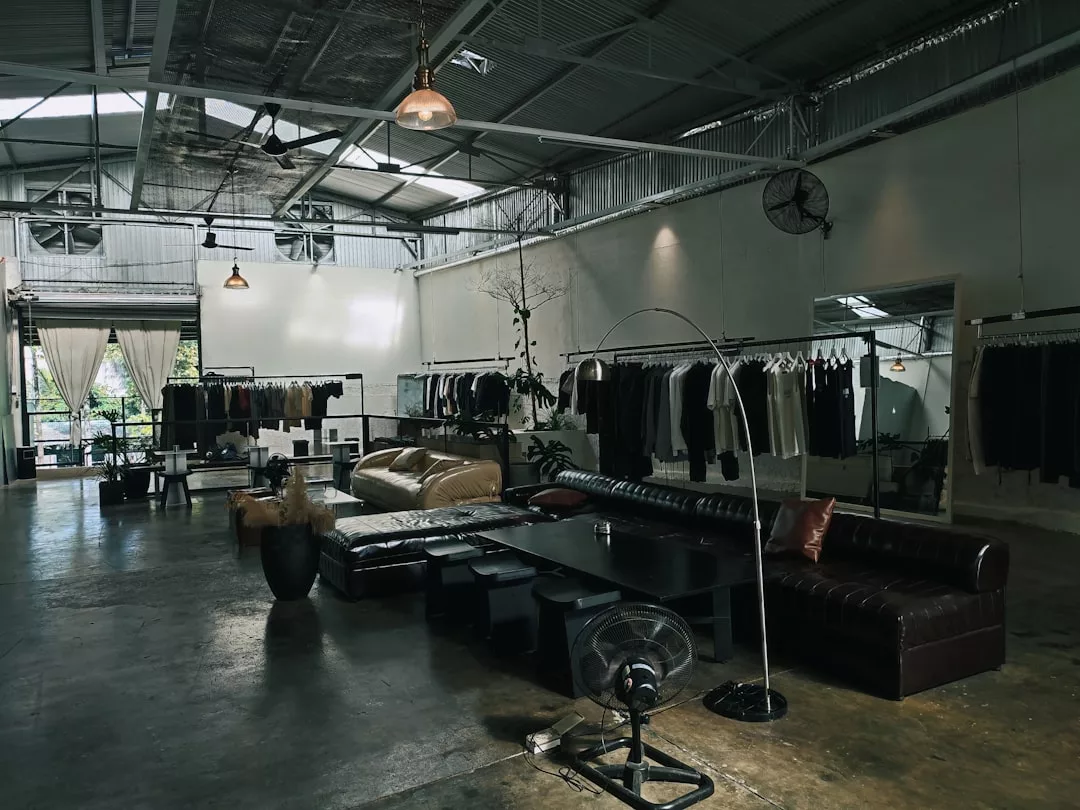
Bespoke tailoring has a rich and storied history that dates back to the 17th century, primarily in England. The origins of bespoke tailoring can be traced to Savile Row in London, which became synonymous with high-quality, custom-made suits.
Tailors in this area catered to the elite, crafting garments that not only fit perfectly but also reflected the social status and personal style of their clients. The craftsmanship involved in bespoke tailoring was not merely about creating clothing; it was an art form that combined skill, tradition, and a deep understanding of fabric and fit. As the industrial revolution took hold in the 19th century, the landscape of tailoring began to shift.
Mass production techniques emerged, leading to ready-to-wear clothing that was more accessible to the general public. However, bespoke tailoring remained a symbol of luxury and exclusivity. The 20th century saw a resurgence in interest for bespoke suits, particularly among the upper classes and those in professions where appearance was paramount.
Tailors began to innovate, incorporating new styles and techniques while still adhering to the time-honored traditions of their craft. This blend of tradition and modernity has allowed bespoke tailoring to endure, adapting to changing tastes while maintaining its core principles.
Key Takeaways
- Bespoke tailoring has a rich history, evolving from traditional techniques to modern innovations.
- A well-fitted suit can significantly impact personal style, enhancing confidence and making a lasting impression.
- The process of bespoke tailoring involves thorough consultation and meticulous attention to detail, culminating in the final fitting.
- Fabric selection is a crucial aspect of tailoring, with the material playing a key role in the overall quality and appearance of the garment.
- Accurate measurements are essential in achieving the perfect fit, highlighting the importance of precision in bespoke tailoring.
The Importance of a Well-Fitted Suit: The Impact of Tailoring on Personal Style
A well-fitted suit is more than just a piece of clothing; it is a powerful tool for self-expression and confidence. The impact of tailoring on personal style cannot be overstated. When a suit fits impeccably, it enhances the wearer’s physique, accentuating strengths while downplaying any perceived flaws.
This transformation can significantly boost self-esteem, allowing individuals to present themselves with poise and assurance in both professional and social settings. A tailored suit communicates attention to detail and an understanding of personal style, making it an essential component of a well-rounded wardrobe. Moreover, the psychological effects of wearing a well-fitted suit extend beyond mere aesthetics.
Studies have shown that individuals who dress well often feel more competent and capable. This phenomenon, sometimes referred to as “enclothed cognition,” suggests that clothing can influence cognitive processes and behavior. A bespoke suit, tailored specifically to an individual’s measurements and preferences, embodies this concept perfectly.
It serves as a reminder of the care taken in its creation and the unique identity it represents. In a world where first impressions are crucial, a well-fitted suit can open doors and create opportunities that might otherwise remain closed.
The Process of Bespoke Tailoring: From Consultation to the Final Fitting
The journey of bespoke tailoring begins with an initial consultation between the client and the tailor. This meeting is crucial as it sets the tone for the entire process. During this consultation, the tailor takes the time to understand the client’s needs, preferences, and lifestyle.
Questions about fabric choices, styles, and intended use are discussed in detail. This dialogue is essential for establishing a rapport between the client and tailor, ensuring that the final product aligns with the client’s vision. Once the consultation is complete, the tailor takes precise measurements of the client’s body.
This step is critical in bespoke tailoring, as it ensures that every aspect of the suit will fit perfectly. After measurements are taken, the tailor will create a paper pattern based on these dimensions. The next phase involves cutting the fabric according to this pattern and assembling the suit.
This process may include multiple fittings, allowing for adjustments to be made as needed. Each fitting provides an opportunity for refinement, ensuring that the final garment not only fits flawlessly but also meets the client’s expectations in terms of style and comfort.
The Art of Fabric Selection: Understanding the Importance of Material in Tailoring
Fabric selection is one of the most critical aspects of bespoke tailoring, as it directly influences both the look and feel of the final garment. The choice of material can convey different messages; for instance, wool is often associated with professionalism and formality, while linen may evoke a more relaxed or casual vibe. High-quality fabrics not only enhance the aesthetic appeal of a suit but also contribute to its durability and comfort.
A master tailor possesses an extensive knowledge of various fabrics, understanding their properties, drape, and how they interact with different body types. In addition to traditional materials like wool, cotton, and linen, modern bespoke tailors are increasingly exploring innovative fabrics that incorporate technology for enhanced performance. For example, moisture-wicking fabrics or those with stretch capabilities can provide added comfort without sacrificing style.
The art of fabric selection also involves considering seasonal appropriateness; lighter fabrics are ideal for summer wear, while heavier materials are better suited for colder months. Ultimately, the right fabric can elevate a bespoke suit from merely functional to truly exceptional.
The Role of Measurements in Bespoke Tailoring: Achieving the Perfect Fit
Measurements are at the heart of bespoke tailoring; they are what differentiate a custom-made suit from off-the-rack options. A master tailor takes meticulous measurements to ensure that every aspect of the suit aligns perfectly with the client’s body shape. This process goes beyond basic dimensions like chest size or waist circumference; it includes detailed measurements such as shoulder width, arm length, and even posture considerations.
Each measurement contributes to creating a garment that feels like a second skin. The importance of accurate measurements cannot be overstated; even minor discrepancies can lead to significant fit issues. For instance, if a jacket’s shoulder seam is too wide or narrow, it can affect how the entire garment hangs on the body.
Tailors often use fitting sessions to make adjustments based on how the suit sits on the client during movement. This iterative process ensures that by the time the final fitting occurs, every detail has been fine-tuned for optimal comfort and style.
The Craftsmanship of Bespoke Tailoring: The Skills and Techniques of a Master Tailor
The craftsmanship involved in bespoke tailoring is a testament to years of training and experience. Master tailors possess a unique skill set that combines technical knowledge with artistic vision. They are adept at various techniques such as hand-stitching, pattern-making, and draping, each requiring precision and an eye for detail.
Hand-stitching is particularly significant in bespoke tailoring; it allows for greater flexibility in fit and movement compared to machine stitching. Moreover, master tailors often have an intuitive understanding of how different fabrics behave when cut and sewn together. This expertise enables them to make informed decisions about construction techniques that will enhance both durability and aesthetics.
For example, they may choose to reinforce certain areas with additional stitching or select specific linings that complement both function and style. The result is not just a suit but a work of art that reflects both the tailor’s skill and the client’s individuality.
The Influence of Bespoke Tailoring on Fashion: How Tailoring Sets Trends
Bespoke tailoring has long been at the forefront of fashion innovation, influencing trends across various styles and eras. Historically, many fashion movements have drawn inspiration from tailored garments; for instance, the sharp silhouettes popularized by Savile Row tailors have been emulated by designers worldwide. The meticulous attention to detail inherent in bespoke suits often sets benchmarks for quality that ready-to-wear brands strive to achieve.
In contemporary fashion, bespoke tailoring continues to shape trends by introducing new cuts, styles, and fabric combinations that challenge conventional norms. Designers frequently collaborate with master tailors to create collections that marry traditional craftsmanship with modern aesthetics. This fusion not only revitalizes classic styles but also pushes boundaries by experimenting with unconventional materials or silhouettes.
As such, bespoke tailoring remains a vital force in shaping fashion narratives while preserving its rich heritage.
The Evolution of Bespoke Tailoring: Adapting to Modern Fashion and Technology
As society evolves, so too does bespoke tailoring. In recent years, there has been a noticeable shift towards incorporating modern technology into traditional practices. For instance, digital measuring tools allow tailors to capture precise body dimensions more efficiently than ever before.
Additionally, 3D modeling software enables clients to visualize their garments before they are even cut, a significant advancement in enhancing customer experience. Moreover, contemporary lifestyles have influenced bespoke tailoring practices as well; there is now greater emphasis on versatility and functionality in tailored garments. Clients increasingly seek suits that can transition seamlessly from formal business settings to casual social events without compromising style or comfort.
As a result, tailors are adapting their designs to accommodate these demands while still honoring traditional craftsmanship principles.
The Personalization of Bespoke Tailoring: How Customization Enhances the Tailoring Experience
Personalization is one of the hallmarks of bespoke tailoring; it allows clients to infuse their unique identity into every aspect of their garments. From selecting fabrics and colors to choosing lapel styles or pocket placements, each decision contributes to creating a one-of-a-kind piece that reflects individual taste. This level of customization enhances not only the aesthetic appeal but also fosters a deeper emotional connection between the client and their suit.
Furthermore, personalization extends beyond mere aesthetics; it encompasses functional elements as well. Clients may request specific features such as hidden pockets for convenience or adjustable cuffs for added comfort during movement. These tailored details ensure that each garment serves its purpose effectively while aligning with personal preferences, an experience that off-the-rack options simply cannot replicate.
The Global Appeal of Bespoke Tailoring: The Influence of Different Cultures on Tailoring
Bespoke tailoring is not confined to any single culture or region; its appeal spans across continents and has been influenced by various cultural practices over time. In Italy, for example, tailoring traditions emphasize vibrant colors and luxurious fabrics, characteristics that reflect Italian craftsmanship’s flair for artistry and elegance. Italian tailors often incorporate softer silhouettes compared to their British counterparts while maintaining impeccable attention to detail.
Similarly, Asian cultures have contributed significantly to bespoke tailoring practices through unique techniques such as kimono-making in Japan or dhoti draping in India. As global communication continues to facilitate cross-cultural exchanges within fashion industries worldwide, bespoke tailoring remains enriched by these varied influences.
The Future of Bespoke Tailoring: Innovations and Trends in the Craft of Tailoring
Looking ahead, bespoke tailoring stands poised at an exciting crossroads where tradition meets innovation. As sustainability becomes increasingly important within fashion circles, many tailors are exploring eco-friendly materials sourced from responsible suppliers or implementing zero-waste cutting techniques into their practices, an evolution aimed at reducing environmental impact without compromising quality. Additionally, advancements in technology will likely continue shaping how bespoke suits are designed and produced; virtual consultations may become commonplace as clients seek convenience alongside personalized service options tailored specifically for them, bridging geographical gaps while maintaining intimate connections between clients and tailors alike.
In conclusion, bespoke tailoring represents more than just clothing; it embodies artistry rooted in history while adapting seamlessly into modern contexts through innovation, ensuring its relevance for generations yet unborn who will appreciate both craftsmanship excellence alongside personalized experiences crafted just for them.
More in
More from Fashion
Fashion · 2 min
Silk and Sartorial Smarts: Embracing the Singular Garment Principle
In an age of overwhelming choice, the ultimate luxury isn’t having more, it’s having the right thing. The modern wardrobe is undergoing a quiet r…

Fashion · 9 min
Dressing to Impress: The Art of Formal Wear
First impressions are often described as lasting impressions, and this adage holds significant weight in both personal and professional contexts. When…

Fashion · 9 min
Timeless Style: The Trench Coat
The trench coat has a rich and storied history that dates back to the late 19th century. Originally designed for military use, the trench coat was cre…