Fashion · Fashion
The Art of Layering: Elevate Your Style
Layering is a fundamental technique in fashion that allows individuals to create versatile and dynamic outfits. At its core, layering involves wearing multiple garments on top of o…
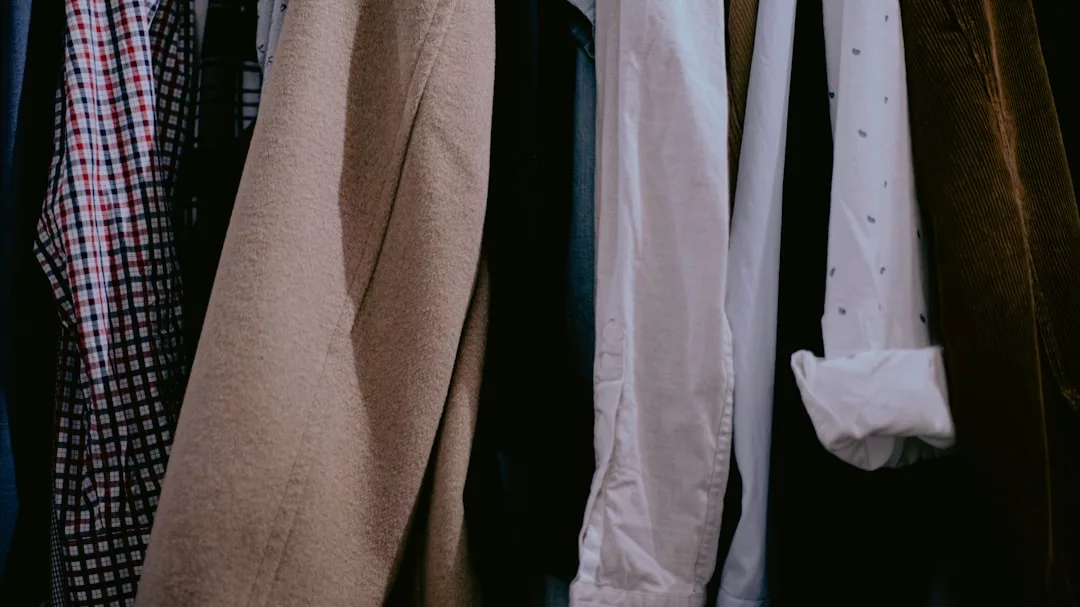
Layering is a fundamental technique in fashion that allows individuals to create versatile and dynamic outfits. At its core, layering involves wearing multiple garments on top of one another to achieve a cohesive look that is both functional and stylish. The beauty of layering lies in its ability to adapt to various weather conditions, occasions, and personal styles.
Effective layering requires an understanding of how different pieces interact with one another, both in terms of color and silhouette. The key is to start with a base layer, typically a fitted garment like a t-shirt or tank top, and then build upon it with additional layers that add warmth, texture, or visual interest. To layer effectively, one must consider the weight and fit of each piece.
For instance, a lightweight long-sleeve shirt can serve as an excellent base layer under a heavier sweater or jacket. The outer layer should ideally be slightly looser to accommodate the layers beneath without creating bulk. Additionally, varying the lengths of the layers can create a more dynamic silhouette.
A longer shirt peeking out from under a cropped jacket can add depth to an outfit while also providing a stylish contrast. Ultimately, mastering the art of layering involves experimentation and a keen eye for how different elements work together.
Key Takeaways
- Layering is about adding depth and dimension to your outfit by wearing multiple pieces of clothing on top of each other.
- Choose fabrics that work well together and create a cohesive look, such as cotton, wool, and denim.
- Mix and match different pieces to create a stylish and balanced outfit, such as a t-shirt, cardigan, and scarf.
- Play with proportions by layering different lengths and silhouettes to create visual interest.
- Incorporate different textures, such as knits, leather, and silk, to add depth and dimension to your look.
Choosing the Right Fabrics: Selecting fabrics that work well together and create a cohesive look
The choice of fabric is crucial when it comes to layering, as it can significantly impact both the comfort and aesthetic of an outfit. Fabrics should complement each other not only in terms of texture but also in their weight and drape. For example, pairing a lightweight cotton shirt with a heavier wool sweater can create an interesting contrast, but it’s essential to ensure that the combination feels comfortable and doesn’t lead to overheating or discomfort.
Natural fibers like cotton, linen, and wool are often preferred for their breathability and ability to regulate temperature, making them ideal for layering. In addition to weight and texture, color plays a vital role in fabric selection. When layering, it’s beneficial to choose fabrics that share a common color palette or theme.
For instance, a monochromatic look can be achieved by layering different shades of the same color, which creates a sophisticated and polished appearance. Alternatively, contrasting colors can be used to make a bold statement; however, it’s important to balance these contrasts with neutral tones to avoid overwhelming the eye. Ultimately, the right combination of fabrics can elevate an outfit from ordinary to extraordinary.
Mixing and Matching: How to combine different pieces to create a stylish and balanced outfit
Mixing and matching different pieces is where creativity truly shines in the art of layering. The key to successfully combining various garments lies in understanding how they complement each other in terms of style, color, and pattern. For instance, pairing a patterned shirt with solid-colored outer layers can create visual interest without clashing.
Conversely, if one opts for multiple patterns, it’s essential to ensure that they share a common theme or color scheme to maintain harmony within the outfit. Another effective strategy for mixing and matching is to play with different styles. Combining casual pieces with more formal items can create an unexpected yet stylish look.
For example, wearing a tailored blazer over a graphic tee paired with distressed jeans can strike the perfect balance between polished and relaxed. Accessories also play a significant role in tying an outfit together; a statement necklace or bold shoes can serve as focal points that enhance the overall look. By experimenting with various combinations, individuals can discover unique outfits that reflect their personal style while remaining fashionable.
Playing with Proportions: Using layering to play with the proportions of your outfit and create visual interest
Proportion is a critical aspect of layering that can dramatically affect the overall appearance of an outfit. By manipulating proportions through layering, one can create visual interest and enhance their silhouette. For instance, pairing a fitted top with an oversized cardigan can create a balanced look that flatters the figure while adding dimension.
This technique draws attention to the waist while allowing for comfort and style through the looser outer layer. Another way to play with proportions is by varying the lengths of layers. A long tunic worn under a cropped jacket can elongate the body while adding depth to the outfit.
Similarly, incorporating high-waisted bottoms with shorter tops can accentuate the waistline and create an hourglass shape. It’s essential to consider one’s body type when experimenting with proportions; certain combinations may work better for different shapes. Ultimately, understanding how to manipulate proportions through layering can lead to more flattering and visually appealing outfits.
Adding Texture: Incorporating different textures to add depth and dimension to your look
Texture is an often-overlooked element in fashion that can significantly enhance layered outfits. By incorporating various textures, such as knits, denim, leather, or silk, one can add depth and dimension to their look. For example, layering a chunky knit sweater over a sleek silk blouse creates an intriguing contrast that draws the eye and adds visual interest.
This interplay between textures not only elevates the outfit but also provides tactile variety that can be appealing. When selecting textures for layering, it’s important to consider how they interact with one another. Mixing too many heavy textures can lead to an overwhelming appearance, while combining lighter fabrics may result in an outfit lacking substance.
A balanced approach is key; for instance, pairing a soft cashmere sweater with structured denim creates a harmonious blend that feels both comfortable and stylish. Additionally, incorporating textured accessories, such as a woven scarf or leather handbag, can further enhance the layered look without overwhelming it.
Incorporating Accessories: Using accessories to enhance your layered outfits
Accessories are essential tools in the art of layering; they can transform an outfit from simple to stunning with minimal effort. When layering clothing, accessories should be chosen thoughtfully to complement the overall look without competing for attention. For instance, a statement belt can cinch in the waist over multiple layers, creating definition while adding an element of style.
Similarly, scarves can serve both functional and aesthetic purposes; they provide warmth while also introducing color or pattern into the ensemble. Jewelry also plays a significant role in enhancing layered outfits. Layering necklaces of varying lengths can create an eye-catching focal point around the neckline, while stacked bracelets or rings add interest to the wrists and hands.
When selecting accessories for layered outfits, it’s crucial to maintain balance; if the clothing is already bold or intricate, opting for simpler accessories may be more effective than overwhelming the look with too many statement pieces.
Transitioning from Season to Season: Tips for layering in different seasons and adapting your style to changing weather
Layering is particularly advantageous when transitioning between seasons, as it allows individuals to adapt their outfits according to fluctuating temperatures. For instance, starting with a long-sleeve shirt paired with a light jacket provides warmth during cooler mornings but can be adjusted as temperatures rise later in the day.
In winter months, heavier layers become essential for warmth without sacrificing style. A thermal base layer can be worn under sweaters or blouses, topped off with a stylish coat or parka for added insulation. Accessories such as hats, gloves, and scarves not only provide additional warmth but also allow for personal expression through color and texture choices.
Conversely, summer layering may involve lightweight fabrics like linen or cotton that offer breathability while still allowing for stylish combinations, such as wearing a tank top under an open button-up shirt.
Layering for Different Occasions: How to layer for casual, work, and formal settings
Layering techniques can be adapted for various occasions by considering both the context and desired aesthetic. For casual settings, relaxed layers such as oversized sweaters over fitted jeans or leggings create comfortable yet stylish looks suitable for everyday wear. Adding sneakers or ankle boots can complete this laid-back vibe while still maintaining an element of fashion.
In professional environments, layering becomes more refined; tailored blazers over blouses paired with dress pants or pencil skirts convey sophistication while allowing for personal style through color choices or accessories. For formal occasions, elegant layering might involve sophisticated fabrics like silk or chiffon; a fitted dress layered under a tailored coat creates an elegant silhouette suitable for events such as weddings or galas. The key is ensuring that each layer contributes positively to the overall impression while remaining appropriate for the occasion.
Layering for Different Body Types: Tips for layering to flatter different body shapes
Understanding body types is crucial when it comes to effective layering; certain techniques can enhance specific shapes while providing balance and proportion. For example, individuals with an hourglass figure may benefit from cinching layers at the waist with belts or fitted outerwear that accentuates their curves without adding bulk. Conversely, those with rectangular body shapes might opt for layers that create curves, such as peplum tops or ruffled blouses, adding dimension where needed.
For pear-shaped bodies, focusing on drawing attention upward through layered tops while keeping bottoms streamlined can create balance; A-line skirts paired with structured blazers work well in this regard. Conversely, those with apple-shaped figures may find success in longer cardigans or tunics that provide coverage while still allowing for stylish combinations underneath. Ultimately, understanding one’s body type enables individuals to make informed choices about layering techniques that flatter their unique shapes.
Layering for Men: Tips and ideas for men to elevate their style through layering
Layering is not solely reserved for women; men can also elevate their style through thoughtful combinations of garments. A classic approach involves starting with a fitted t-shirt or button-up shirt as a base layer before adding sweaters or jackets on top. This method allows men to experiment with different textures and colors while maintaining a polished appearance.
Incorporating accessories such as scarves or hats can further enhance layered looks; these elements not only provide warmth but also add personality to outfits. For instance, pairing a casual denim jacket over a hoodie creates an effortlessly cool vibe suitable for weekend outings or casual gatherings. Additionally, men should consider varying lengths when layering; longer shirts under shorter jackets can create visual interest while ensuring comfort throughout the day.
Layering for Women: Tips and ideas for women to elevate their style through layering
Women have an array of options when it comes to layering; from dresses over turtlenecks to skirts paired with oversized sweaters, there are countless ways to express personal style through this technique. Starting with versatile base layers, such as fitted tanks or bodysuits, allows women to build upon their outfits creatively while ensuring comfort throughout the day. Accessories play an integral role in women’s layered looks; statement jewelry or bold handbags can serve as focal points that elevate even the simplest combinations.
Additionally, experimenting with different lengths, such as pairing midi skirts with cropped tops, can create flattering silhouettes that draw attention where desired while maintaining balance throughout the outfit. Ultimately, women have endless opportunities for creativity when it comes to layering; by embracing this technique thoughtfully, they can curate unique looks that reflect their individual styles.
◦ Good to know
What is layering in fashion?
Layering is a fundamental fashion technique of wearing multiple garments on top of one another to create a cohesive look that is both functional and stylish. It adapts to different weather, occasions and personal styles. You typically start with a fitted base layer, such as a t-shirt, then build up warmth, texture and interest.
Which fabrics work best for layering?
Fabrics should complement each other in texture, weight and drape. Natural fibres like cotton, linen and wool are often preferred for their breathability and temperature regulation. Pairing a lightweight cotton shirt with a heavier wool sweater creates interesting contrast, provided the combination stays comfortable and doesn't cause overheating or bulk.
How can I create visual interest when layering?
Vary the lengths and fits of your layers so, for example, a longer shirt peeks out from under a cropped jacket, adding depth. Keep outer layers slightly looser to avoid bulk. Playing with proportions, colour palettes and different textures such as knits, leather and silk adds dimension and elevates the overall outfit.
More in
More from Fashion
Fashion · 2 min
Silk and Sartorial Smarts: Embracing the Singular Garment Principle
In an age of overwhelming choice, the ultimate luxury isn’t having more, it’s having the right thing. The modern wardrobe is undergoing a quiet r…
Fashion · 9 min
Dressing to Impress: The Art of Formal Wear
First impressions are often described as lasting impressions, and this adage holds significant weight in both personal and professional contexts. When…
Fashion · 9 min
Timeless Style: The Trench Coat
The trench coat has a rich and storied history that dates back to the late 19th century. Originally designed for military use, the trench coat was cre…