Fashion · Fashion
The Art of Tailoring: The Key to Perfect Fit
The art of tailoring has a rich and varied history that dates back to ancient civilizations. The earliest evidence of tailored clothing can be traced to the Egyptians, who utilized…
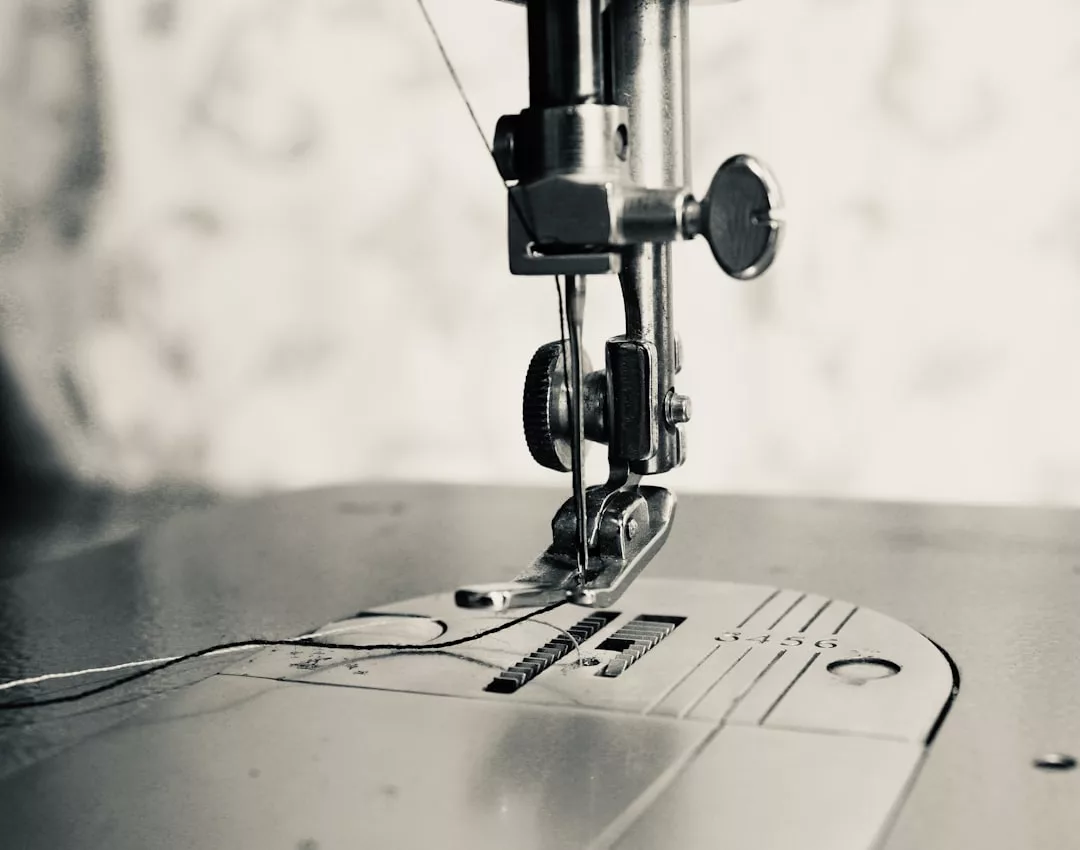
The art of tailoring has a rich and varied history that dates back to ancient civilizations. The earliest evidence of tailored clothing can be traced to the Egyptians, who utilized linen to create garments that were both functional and aesthetically pleasing. These early garments were often draped rather than fitted, but they laid the groundwork for the evolution of tailored clothing.
As societies advanced, so did the complexity of their garments. The Greeks and Romans began to adopt more structured forms of dress, utilizing techniques such as tucking and folding to create shapes that flattered the human form. This shift marked a significant turning point in the history of tailoring, as it introduced the concept of fit and silhouette.
During the Middle Ages, tailoring became a recognized profession, with guilds forming in cities across Europe. Tailors began to specialize in various types of garments, from the elaborate robes of nobility to practical attire for the working class. The Renaissance further propelled tailoring into a sophisticated craft, with advancements in textile production and dyeing techniques allowing for more vibrant and diverse fabrics.
Tailors began to experiment with patterns and cuts, leading to the creation of garments that not only fit well but also expressed individuality and status. By the 18th century, tailoring had evolved into a highly skilled trade, with tailors employing intricate techniques to create bespoke garments that catered to the unique measurements and preferences of their clients.
Key Takeaways
- Tailoring has a rich history dating back to ancient times, evolving from hand-sewn garments to modern-day techniques.
- Understanding body proportions is crucial in tailoring, as it forms the foundation for creating well-fitted garments.
- Fabric selection plays a significant role in tailoring, impacting the drape, durability, and overall look of the garment.
- Mastering the art of measurements is an essential skill for tailors, ensuring precise and customized fits for each individual.
- Fittings are key in achieving the perfect fit, allowing tailors to make necessary adjustments for a garment that complements the body.
Understanding Body Proportions: The Foundation of Tailoring
At the heart of effective tailoring lies a deep understanding of body proportions. This knowledge is essential for creating garments that not only fit well but also enhance the wearer’s natural silhouette.
Body proportions can vary significantly from person to person, influenced by factors such as height, weight, and body composition. A skilled tailor must be able to assess these proportions accurately and make adjustments accordingly. For instance, a tailor might encounter a client with a longer torso and shorter legs.
In such cases, the tailor may choose to elongate the jacket or adjust the waistline of trousers to create a more balanced appearance. Conversely, for someone with shorter proportions, a tailored garment might feature higher waistlines or vertical lines to create an illusion of length. Understanding these nuances allows tailors to craft garments that not only fit comfortably but also flatter the wearer’s unique physique.
This foundational knowledge is what separates a skilled tailor from an amateur, as it requires both technical expertise and an artistic eye.
The Importance of Fabric Selection in Tailoring
Fabric selection is a critical aspect of tailoring that can dramatically influence the final outcome of a garment. The choice of fabric affects not only the drape and structure of the garment but also its comfort and durability. Different fabrics possess unique properties; for example, wool is known for its warmth and resilience, while cotton is celebrated for its breathability and softness.
A tailor must consider these characteristics when selecting materials for a specific design, ensuring that the fabric aligns with both the intended use of the garment and the preferences of the client. Moreover, fabric selection plays a significant role in determining the overall aesthetic of a tailored piece. Luxurious fabrics such as silk or cashmere can elevate a simple design into something extraordinary, while more casual materials like denim or linen can lend a relaxed vibe to tailored clothing.
Additionally, patterns and textures can add depth and interest to a garment, allowing for personal expression through style. A skilled tailor will not only understand the technical aspects of fabric but will also be attuned to current trends and timeless classics, enabling them to guide clients in making informed choices that reflect their individual tastes.
Mastering the Art of Measurements: A Tailor’s Essential Skill
Accurate measurements are fundamental to successful tailoring, as they serve as the blueprint for creating a well-fitting garment. A tailor’s ability to take precise measurements is an essential skill that requires both practice and attention to detail. This process typically involves measuring various parts of the body, including the chest, waist, hips, inseam, and sleeve length.
Each measurement must be taken with care, as even minor discrepancies can lead to significant fitting issues later on. In addition to standard measurements, experienced tailors often take into account individual preferences and nuances that may affect fit. For example, some clients may prefer a looser fit around the shoulders or a more tailored look at the waist.
By engaging in open communication with clients during this process, tailors can ensure that they capture not only the necessary measurements but also the desired style and comfort level. This personalized approach is what makes bespoke tailoring so unique; it transforms mere numbers into garments that are truly made for the individual.
The Role of Fittings in Achieving the Perfect Fit
Fittings are an integral part of the tailoring process, serving as checkpoints where adjustments can be made before finalizing a garment. Typically conducted in multiple stages, fittings allow tailors to assess how well a garment conforms to the client’s body and make necessary modifications. The first fitting often involves a rough version of the garment, allowing both the tailor and client to evaluate fit and style without being hindered by final details such as hems or closures.
During fittings, tailors pay close attention to various aspects such as shoulder alignment, sleeve length, and overall silhouette. Clients are encouraged to move around in the garment to ensure comfort and functionality. This interactive process fosters collaboration between tailor and client, allowing for open dialogue about any concerns or preferences that may arise.
The iterative nature of fittings is crucial; it ensures that each garment is not only aesthetically pleasing but also practical for everyday wear.
Tailoring Techniques: From Hand-Stitching to Modern Technology
The techniques employed in tailoring have evolved significantly over time, blending traditional craftsmanship with modern technology. Hand-stitching remains a hallmark of high-quality tailoring; it allows for greater precision and control over details such as lapels, buttonholes, and hems. Skilled tailors often use hand-stitching techniques to create garments that exhibit superior craftsmanship and durability.
For instance, hand-stitched lapels can provide a softer roll compared to machine-stitched alternatives, enhancing both comfort and visual appeal. However, advancements in technology have also transformed the tailoring landscape. Computer-aided design (CAD) software allows tailors to create digital patterns with remarkable accuracy, streamlining the design process and reducing waste.
Additionally, automated cutting machines can produce precise fabric pieces quickly, enabling tailors to focus more on assembly and finishing touches. While some purists may argue that technology detracts from traditional craftsmanship, many modern tailors embrace these innovations as tools that enhance their artistry rather than replace it.
The Impact of Tailoring on Personal Style and Confidence
Tailoring has a profound impact on personal style and self-confidence. A well-fitted garment can transform an individual’s appearance, enhancing their natural features while providing a polished look that exudes professionalism and sophistication. When clothing fits properly, it not only looks better but also feels better; this comfort translates into increased confidence in social and professional settings.
Moreover, tailored clothing allows individuals to express their unique style preferences while ensuring that they remain comfortable and confident in their choices. Customization options enable clients to select fabrics, colors, and styles that resonate with their personal aesthetic. This level of personalization fosters a sense of ownership over one’s wardrobe; when individuals wear garments that reflect their identity, they are more likely to feel empowered in their self-presentation.
Tailoring for Different Body Types: Customizing Garments for Every Individual
One of the most significant advantages of tailoring is its ability to accommodate diverse body types. Every individual has unique proportions that may not align with standard sizing charts; therefore, bespoke tailoring offers a solution by creating garments specifically designed for each person’s physique. Tailors are trained to recognize various body shapes, such as pear-shaped, apple-shaped, or athletic, and adjust patterns accordingly. Similarly, individuals with curvier figures might benefit from strategic seam placements or darts that enhance their natural curves without compromising comfort. By customizing garments in this way, tailors ensure that every client receives clothing that not only fits well but also flatters their individual shape.
The Evolution of Tailoring: Trends and Innovations in the Industry
The world of tailoring has witnessed significant evolution over recent decades, influenced by changing fashion trends and consumer preferences. While traditional bespoke tailoring remains highly regarded for its craftsmanship and quality, there has been a growing demand for more accessible options such as made-to-measure services or ready-to-wear collections that incorporate tailored elements. This shift reflects a broader trend toward personalization in fashion; consumers increasingly seek clothing that aligns with their individual tastes while still offering convenience.
Innovations in fabric technology have also played a role in shaping contemporary tailoring practices. Performance fabrics that offer stretchability or moisture-wicking properties have become popular choices for tailored garments intended for active lifestyles. Additionally, sustainable practices are gaining traction within the industry; many tailors are now sourcing eco-friendly materials or adopting zero-waste cutting techniques to minimize environmental impact.
The Business of Bespoke Tailoring: Creating Custom-Made Garments
Bespoke tailoring represents not just an art form but also a thriving business model within the fashion industry. Tailors who specialize in bespoke services often cultivate strong relationships with their clients through personalized consultations and fittings. This relationship-building aspect is crucial; it fosters trust and loyalty while allowing tailors to understand their clients’ needs deeply.
The bespoke process typically begins with an initial consultation where clients discuss their preferences regarding style, fabric selection, and intended use for the garment. Following this discussion, tailors take detailed measurements before creating a unique pattern tailored specifically for each client. The entire process can take several weeks or even months from start to finish; however, this investment in time results in garments that are truly one-of-a-kind, crafted with precision and care.
The Future of Tailoring: Adapting to Changing Fashion and Technology
As fashion continues to evolve at an unprecedented pace due to technological advancements and shifting consumer behaviors, tailoring must adapt accordingly to remain relevant in this dynamic landscape. One emerging trend is the integration of digital tools into traditional tailoring practices; virtual fittings using augmented reality (AR) technology allow clients to visualize how garments will look on them without needing physical samples. Additionally, sustainability is becoming increasingly important within the industry; consumers are more conscious than ever about ethical sourcing practices and environmental impact when making purchasing decisions.
Tailors who embrace sustainable materials or adopt eco-friendly production methods will likely find themselves at an advantage in this changing market. Furthermore, as remote work becomes more prevalent post-pandemic, there is an opportunity for tailored clothing designed specifically for comfort during home office hours while still maintaining professionalism when needed. This shift could lead to innovative designs that blend traditional tailoring techniques with modern lifestyle demands, creating garments that cater not only to aesthetics but also functionality in everyday life.
In conclusion, tailoring is an intricate craft steeped in history yet continually evolving alongside societal changes and technological advancements. Its significance extends beyond mere clothing construction; it embodies artistry while enhancing personal expression through style choices tailored uniquely for each individual.
More in
More from Fashion
Fashion · 2 min
Silk and Sartorial Smarts: Embracing the Singular Garment Principle
In an age of overwhelming choice, the ultimate luxury isn’t having more, it’s having the right thing. The modern wardrobe is undergoing a quiet r…

Fashion · 9 min
Dressing to Impress: The Art of Formal Wear
First impressions are often described as lasting impressions, and this adage holds significant weight in both personal and professional contexts. When…

Fashion · 9 min
Timeless Style: The Trench Coat
The trench coat has a rich and storied history that dates back to the late 19th century. Originally designed for military use, the trench coat was cre…