News · News
The Art of the Tea Ceremony: A Timeless Tradition
The tea ceremony, known as “chanoyu” in Japan, has a rich history that dates back to the Tang Dynasty in China (618-907 AD), where tea drinking began to evolve from a s…
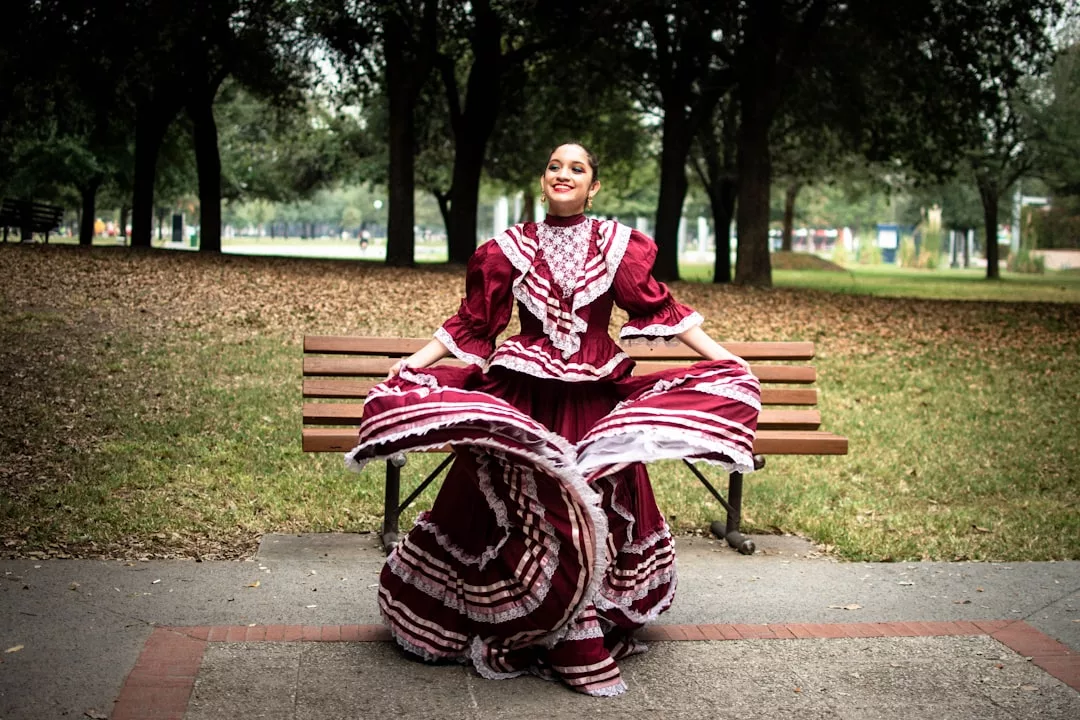
The tea ceremony, known as “chanoyu” in Japan, has a rich history that dates back to the Tang Dynasty in China (618-907 AD), where tea drinking began to evolve from a simple beverage into a cultural practice. Initially, tea was consumed for its medicinal properties, but as it spread across Asia, it became intertwined with social customs and rituals. By the time it reached Japan in the 9th century, tea had already begun to take on a ceremonial aspect, particularly among the elite.
The first recorded tea ceremony in Japan is attributed to the monk Eisai, who brought back tea seeds from China and emphasized its spiritual benefits. As the centuries progressed, the tea ceremony transformed significantly, particularly during the Muromachi period (1336-1573). Influenced by Zen Buddhism, the practice began to emphasize simplicity, natural beauty, and mindfulness.
The aesthetic principles of wabi-sabi, finding beauty in imperfection, became central to the ceremony. The renowned tea master Sen no Rikyū played a pivotal role in shaping the modern tea ceremony during the 16th century, establishing guidelines that emphasized humility and tranquility. His teachings laid the foundation for what would become a deeply spiritual and artistic expression of Japanese culture.
Key Takeaways
- The tea ceremony has a rich history, evolving from ancient rituals to modern practices.
- The philosophy behind the tea ceremony emphasizes finding harmony and tranquility in the present moment.
- The role of the tea master is to honor tradition and cultivate skill, passing down knowledge through generations.
- Understanding the elements and symbolism of the tea ceremony is essential to fully appreciate its significance.
- The tea ceremony varies across different cultures, each with its own unique variations and adaptations.
The Philosophy Behind the Tea Ceremony: Finding Harmony and Tranquility
At its core, the tea ceremony embodies a philosophy that seeks harmony between nature, humanity, and the universe. This philosophy is deeply rooted in Zen Buddhism, which emphasizes mindfulness and presence in every action. The act of preparing and serving tea becomes a meditative practice, allowing participants to engage fully with the moment.
Each movement is deliberate and intentional, reflecting a deep respect for the process and for those involved. This focus on mindfulness encourages individuals to let go of distractions and immerse themselves in the experience. Moreover, the tea ceremony promotes a sense of community and connection among participants.
It is not merely about drinking tea; it is about sharing an experience that fosters relationships and mutual respect. The concept of “ichigo ichie,” or “one time, one meeting,” underscores the importance of cherishing each encounter as unique and irreplaceable. This philosophy encourages individuals to appreciate the fleeting nature of life and to cultivate gratitude for each moment spent together.
In this way, the tea ceremony serves as a powerful reminder of the beauty found in simplicity and presence.
The Role of the Tea Master: Honoring Tradition and Cultivating Skill
The tea master holds a revered position within the tea ceremony, embodying both tradition and skill. This role requires years of dedicated practice and an intimate understanding of the intricate details that define the ceremony. A tea master must not only master the technical aspects of preparing and serving tea but also embody the spirit of hospitality and mindfulness that characterizes the practice.
Their expertise allows them to create an atmosphere that encourages participants to engage fully with the experience. Training to become a tea master often involves rigorous study under established masters, where apprentices learn not only the mechanics of the ceremony but also its philosophical underpinnings. This apprenticeship can last for many years, during which students develop their own style while adhering to traditional practices.
The tea master’s role extends beyond mere execution; they are custodians of cultural heritage, ensuring that each ceremony honors the past while remaining relevant to contemporary society. Their ability to adapt while maintaining core principles is crucial for keeping this ancient art alive.
The Elements of the Tea Ceremony: Understanding the Ritual and its Symbolism
The tea ceremony is rich with symbolism, with each element carefully chosen to enhance the overall experience. The setting itself is often minimalistic, reflecting Zen principles of simplicity and tranquility. The tatami mats, sliding doors (fusuma), and natural materials used in the tea room create an environment conducive to reflection and peace.
Each item within this space serves a purpose, from the utensils used to prepare tea to the seasonal decorations that adorn the room. The utensils themselves carry significant meaning. The tea bowl (chawan) is not just a vessel; it represents a connection between the host and guests.
Each bowl has its own unique character, often reflecting the artistry of its maker. The whisk (chasen) used to froth matcha symbolizes the blending of different elements into harmony. Even the act of serving tea is laden with meaning; it is an expression of care and respect for those present.
By understanding these elements and their symbolism, participants can deepen their appreciation for the ritual and its significance.
The Tea Ceremony in Different Cultures: Exploring Variations and Adaptations
While Japan is perhaps best known for its formalized tea ceremony, various cultures around the world have developed their own unique interpretations of tea rituals. In China, for instance, the Gongfu tea ceremony emphasizes precision in brewing techniques and showcases a wide variety of teas. This practice focuses on extracting the best flavors from high-quality leaves through careful temperature control and steeping times.
The Chinese approach often involves multiple infusions of the same leaves, allowing participants to experience how flavors evolve over time. In contrast, British afternoon tea presents a more social gathering centered around light refreshments alongside tea. This tradition emerged in the 19th century as a way for the upper class to bridge the gap between lunch and dinner.
While it lacks the meditative qualities of its Asian counterparts, it emphasizes social interaction and hospitality. Each culture’s approach to tea reflects its values and social norms, showcasing how this simple beverage can serve as a medium for connection across diverse contexts.
The Importance of the Tea Room: Creating an Atmosphere of Serenity and Respect
The design and ambiance of the tea room play a crucial role in facilitating a meaningful tea ceremony experience. Traditionally, these spaces are designed with simplicity in mind, often featuring natural materials such as wood and bamboo that harmonize with their surroundings. The layout typically includes tatami mats for seating and a tokonoma alcove where seasonal flowers or art may be displayed, inviting contemplation and appreciation of beauty.
Creating an atmosphere conducive to serenity requires careful attention to detail. Lighting is often soft and natural, enhancing a sense of calmness while minimizing distractions from outside noise or activity. The arrangement of seating encourages intimacy among participants, fostering an environment where open communication can flourish.
In this sacred space, participants are invited to leave behind their daily concerns and immerse themselves fully in the ritual at hand.
The Tools of the Tea Ceremony: The Artistry of Tea Bowls, Whisks, and Utensils
The tools used in a tea ceremony are not merely functional; they are works of art that reflect centuries of craftsmanship and cultural significance. Each utensil has been meticulously designed for its specific purpose while embodying aesthetic principles that resonate with participants.
The chasen (tea whisk) is another essential tool that exemplifies artistry in functionality. Traditionally made from a single piece of bamboo, it features numerous delicate prongs that allow for optimal frothing of matcha powder when combined with hot water. The creation of these whisks requires immense skill; artisans must select bamboo with care and shape it precisely to ensure both durability and effectiveness.
These tools not only serve practical purposes but also enhance participants’ appreciation for craftsmanship as they engage with each element during the ceremony.
The Etiquette of the Tea Ceremony: Observing Customs and Courtesies
Etiquette plays an integral role in ensuring that a tea ceremony unfolds smoothly and respectfully. Participants are expected to observe specific customs that reflect their appreciation for tradition and one another. For instance, when receiving a bowl of tea from the host, it is customary to bow slightly as a sign of gratitude before accepting it with both hands, a gesture that acknowledges both the effort put into preparing the tea and the bond shared among participants.
Additionally, there are established protocols regarding how one should drink from the bowl. It is considered polite to rotate the bowl slightly before taking a sip, allowing others to appreciate its beauty while also demonstrating humility by not presenting one’s own preferences first. These customs foster an atmosphere of respect and mindfulness throughout the ceremony, reinforcing connections among participants while honoring centuries-old traditions.
The Spiritual Connection of the Tea Ceremony: Nurturing Mindfulness and Presence
The spiritual dimension of the tea ceremony transcends mere ritual; it serves as a pathway toward mindfulness and presence in everyday life. Engaging fully with each step, from preparing ingredients to serving guests, encourages participants to cultivate awareness not only of their actions but also of their thoughts and emotions. This practice aligns closely with Zen principles that advocate for living in harmony with oneself and one’s surroundings.
Through this mindful engagement, individuals can experience moments of clarity amidst life’s chaos. The act of focusing on simple tasks allows participants to quiet their minds and connect with their inner selves while fostering a sense of peace that extends beyond the confines of the tea room. In this way, the spiritual connection nurtured during a tea ceremony can have lasting effects on one’s overall well-being.
The Modern Relevance of the Tea Ceremony: Embracing Tradition in a Fast-Paced World
In today’s fast-paced society, where technology often dominates our interactions, there is a growing appreciation for practices that promote mindfulness and connection, qualities inherent in the tea ceremony. As people seek ways to slow down amidst their busy lives, many are turning to this ancient ritual as a means of reconnecting with themselves and others. The structured yet fluid nature of the ceremony provides an opportunity for individuals to step away from distractions and engage meaningfully with those around them.
Moreover, modern adaptations have emerged that blend traditional practices with contemporary sensibilities. Workshops focusing on mindfulness through tea preparation have gained popularity in urban settings, allowing individuals from diverse backgrounds to experience this cultural heritage firsthand while fostering community connections. By embracing these adaptations while honoring core principles, practitioners ensure that this timeless tradition remains relevant in an ever-evolving world.
The Future of the Tea Ceremony: Preserving a Timeless Tradition for Generations to Come
As we look toward the future, preserving the essence of the tea ceremony becomes increasingly important amid rapid societal changes. Efforts are underway globally to educate new generations about this rich cultural heritage through workshops, classes, and community events aimed at fostering appreciation for both traditional practices and contemporary interpretations alike. By engaging younger audiences through innovative approaches, such as incorporating technology or interactive experiences, there is potential for revitalizing interest while maintaining respect for established customs.
Furthermore, collaborations between artists, educators, and cultural institutions can help bridge gaps between generations by creating spaces where dialogue about tradition occurs naturally alongside exploration into modern adaptations. As we navigate an uncertain future marked by constant change, nurturing these connections ensures that future generations will continue to find meaning within this timeless ritual, a testament not only to its enduring relevance but also its capacity for fostering harmony across cultures throughout history.
More in
More from News

News · 15 min
Future of Luxury Fashion: Innovation, Technology, and the Next Frontier
Discover the future of luxury fashion: how AI, blockchain, digital couture, bio-fabricated materials and sustainability are reshaping maisons and the …

News · 15 min
Celebrity Style Guide: Decoding the Fashion of the Famous
Decode celebrity style: how stylists, red carpet partnerships, and social media shape fashion, plus archetypes and tips to build a celebrity-inspired …

News · 14 min
Luxury Lifestyle Guide: Curating the Art of Living Well
Discover the luxury lifestyle as the art of living well: quiet luxury in travel, wine, home design, wardrobe, watches, and wellness, curated with inte…