Jewelry · Jewelry
The Beauty of the Invisible Setting
The invisible setting is a distinctive jewelry technique that allows gemstones to be set in such a way that the metal holding them is concealed from view. This innovative approach …
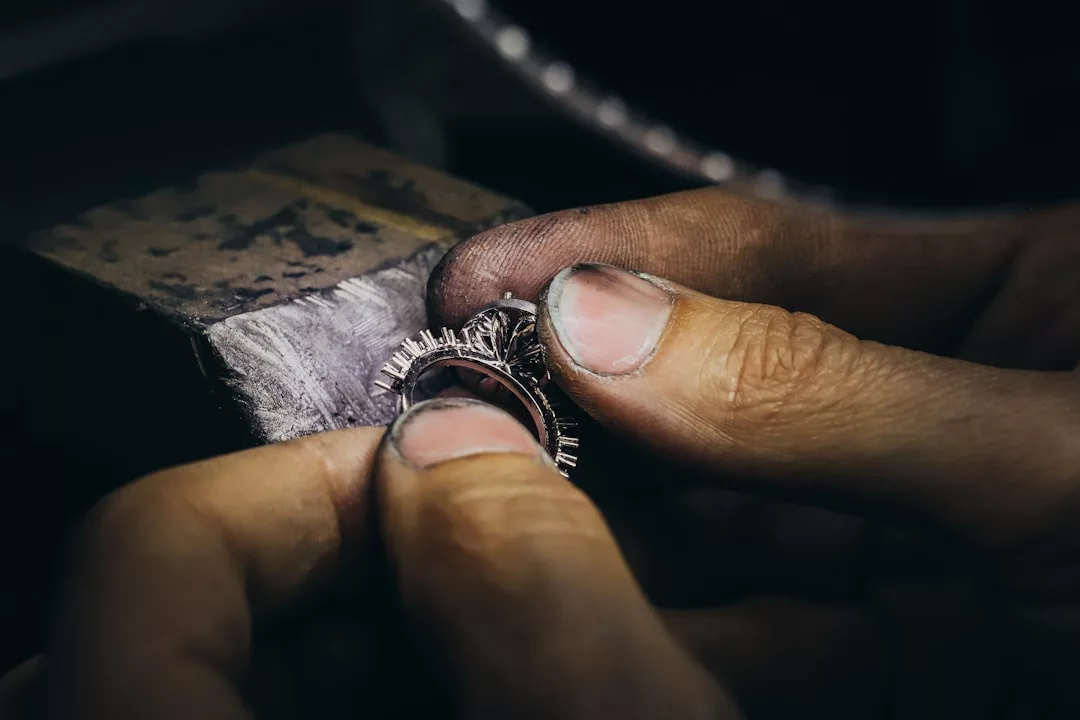
The invisible setting is a distinctive jewelry technique that allows gemstones to be set in such a way that the metal holding them is concealed from view. This innovative approach creates a seamless appearance, where the stones seem to float without any visible prongs or settings. The result is a striking visual effect that enhances the brilliance and color of the stones, making them appear more vibrant and captivating.
The invisible setting is particularly popular in diamond and colored gemstone jewelry, where the focus is on the stones themselves rather than the metalwork. This technique involves a meticulous process of cutting and arranging the stones to fit together like pieces of a puzzle. Each gemstone is precisely shaped to ensure that they interlock securely, allowing for a stable and secure setting without the need for traditional prongs.
The craftsmanship required for an invisible setting is highly specialized, as it demands not only technical skill but also an artistic eye to create a harmonious and balanced design. The result is a piece of jewelry that showcases the beauty of the stones while providing a modern and sophisticated aesthetic.
Key Takeaways
- The invisible setting is a technique where gemstones are set in a way that no metal is visible, creating a seamless and continuous look.
- The invisible setting has been around since the 1930s and was popularized by Van Cleef & Arpels, revolutionizing the way gemstones were set in jewelry.
- The advantages of the invisible setting include a smooth and uninterrupted surface, allowing for a stunning display of gemstones with minimal metal visibility.
- The process of creating an invisible setting involves precise cutting of grooves in the metal to hold the gemstones securely in place without any visible prongs or metal.
- The invisible setting is versatile and can be used with various gemstones and shapes, offering endless design possibilities in jewelry.
The History of the Invisible Setting
The origins of the invisible setting can be traced back to the late 19th century, although its popularity surged in the mid-20th century. The technique was first developed in France, where jewelers sought to create a more modern and elegant way to display gemstones. The French jeweler Louis Cartier is often credited with popularizing this method, as he experimented with various techniques to enhance the visual appeal of his creations.
His innovative designs laid the groundwork for what would become a hallmark of luxury jewelry. As the 20th century progressed, the invisible setting gained traction among high-end jewelers and became synonymous with opulence and sophistication. It was during this time that iconic pieces were created, showcasing the technique’s potential to elevate jewelry design.
Notable examples include pieces from renowned houses such as Van Cleef & Arpels and Boucheron, which featured intricate arrangements of diamonds and colored gemstones set invisibly. These designs not only captured the imagination of collectors but also set new standards for craftsmanship in the jewelry industry.
The Advantages of the Invisible Setting
One of the primary advantages of the invisible setting is its ability to maximize the visual impact of gemstones. By eliminating visible metal, the focus shifts entirely to the stones themselves, allowing their natural beauty to shine through. This technique enhances light reflection and refraction, resulting in a dazzling display of brilliance and color that is often unmatched by traditional settings.
The seamless appearance also lends an air of modernity and sophistication to the piece, making it an attractive option for contemporary jewelry lovers. Another significant advantage is the versatility of design that the invisible setting offers. Jewelers can create intricate patterns and shapes that would be difficult or impossible to achieve with traditional settings.
This flexibility allows for greater creativity in design, enabling artisans to craft unique pieces that stand out in a crowded market. Additionally, because the stones are held securely in place without visible prongs, there is less risk of snagging or damage, making these pieces suitable for everyday wear as well as special occasions.
The Process of Creating an Invisible Setting
Creating an invisible setting requires a high level of precision and skill, as each gemstone must be cut to fit perfectly within its designated space. The process begins with selecting high-quality stones that are suitable for this technique; they must be cut in specific shapes, often square or rectangular, to ensure they can interlock seamlessly. Once the stones are chosen, they are meticulously shaped using specialized tools to achieve the desired fit.
After shaping, the jeweler constructs a framework that will hold the stones in place without being visible. This framework typically consists of small grooves or channels carved into a metal base, which allows the stones to be inserted securely. The stones are then carefully placed into these channels, ensuring that they fit snugly together.
Once all stones are in place, additional metal may be added to reinforce their position without compromising the invisible effect. This intricate process demands not only technical expertise but also an artistic sensibility to create a cohesive and visually appealing design.
The Versatility of the Invisible Setting
The versatility of the invisible setting extends beyond just its aesthetic appeal; it can be adapted to various styles and types of jewelry. From engagement rings to earrings and bracelets, this technique can be employed across a wide range of pieces, allowing for endless creative possibilities. Jewelers can experiment with different combinations of gemstones, colors, and shapes to create unique designs that cater to individual tastes.
Moreover, the invisible setting can be used in both modern and vintage-inspired designs. While it is often associated with contemporary jewelry due to its sleek appearance, it can also be incorporated into more traditional styles by combining it with ornate metalwork or vintage motifs. This adaptability makes it an attractive option for jewelers looking to appeal to diverse clientele while maintaining a signature style.
The Popularity of the Invisible Setting in Jewelry
The popularity of the invisible setting has grown significantly over recent decades, particularly among those seeking unique and luxurious pieces. High-profile celebrities and influencers have been spotted wearing jewelry featuring this technique, further elevating its status in popular culture. As consumers increasingly seek distinctive designs that stand out from mass-produced options, jewelers have responded by incorporating invisible settings into their collections.
Social media platforms have played a crucial role in promoting the invisible setting as well. As a result, many jewelers have embraced the invisible setting as a way to differentiate their offerings and attract attention in a competitive market.
The Durability of the Invisible Setting
One common misconception about the invisible setting is that it may be less durable than traditional settings due to its lack of visible prongs. However, when executed correctly, an invisible setting can be remarkably sturdy. The interlocking nature of the stones provides stability, reducing the likelihood of them becoming loose or falling out over time.
Additionally, because there are no protruding prongs to catch on clothing or other surfaces, pieces with an invisible setting are often less prone to damage during everyday wear. That said, it is essential for consumers to choose reputable jewelers who specialize in this technique to ensure quality craftsmanship. A poorly executed invisible setting may compromise durability and security, leading to potential issues down the line.
When crafted by skilled artisans who understand the intricacies of this method, however, jewelry featuring an invisible setting can withstand daily wear while maintaining its beauty.
The Unique Look of the Invisible Setting
The unique look created by an invisible setting is one of its most appealing aspects. Without visible metal interrupting the flow of gemstones, pieces designed using this technique exude an ethereal quality that captivates onlookers. The seamless integration of stones allows for a more expansive display of color and light, creating an almost magical effect that draws attention.
This aesthetic is particularly striking when multiple stones are used in a single piece, as their combined brilliance creates a dazzling visual impact. Whether set with diamonds or vibrant colored gemstones like sapphires or emeralds, jewelry featuring an invisible setting has a distinctive allure that sets it apart from more traditional designs. This unique look has made it a favorite among those who appreciate artistry and innovation in jewelry.
The Cost of the Invisible Setting
The cost associated with jewelry featuring an invisible setting can vary significantly based on several factors, including the quality and type of gemstones used, the complexity of the design, and the reputation of the jeweler creating it. Generally speaking, pieces with an invisible setting tend to be on the higher end of the price spectrum due to the intricate craftsmanship required for their creation. High-quality gemstones are essential for achieving the desired visual effect; therefore, consumers should expect to invest more when purchasing pieces featuring this technique.
Additionally, because not all jewelers possess the expertise needed to create an effective invisible setting, those seeking such designs may find themselves paying a premium for skilled craftsmanship from reputable sources.
The Maintenance of Jewelry with an Invisible Setting
Maintaining jewelry with an invisible setting requires some care but is generally straightforward compared to other types of settings. Regular cleaning is essential to keep gemstones looking their best; however, care should be taken not to use harsh chemicals or abrasive materials that could damage either the stones or their surrounding framework. A gentle solution made from warm water and mild soap is often sufficient for cleaning these pieces.
It’s also advisable for wearers to have their jewelry inspected periodically by a professional jeweler who specializes in invisible settings. This ensures that any potential issues can be addressed before they become significant problems. Regular maintenance helps preserve both the beauty and integrity of these exquisite pieces over time.
The Future of the Invisible Setting in Jewelry Design
As trends in jewelry design continue to evolve, it is likely that the invisible setting will remain relevant due to its unique aesthetic appeal and versatility. With advancements in technology and techniques, jewelers may find new ways to innovate within this framework, creating even more intricate designs that push boundaries while maintaining traditional craftsmanship values. Moreover, as consumers increasingly prioritize individuality and sustainability in their purchasing decisions, there may be a growing demand for bespoke pieces featuring invisible settings tailored specifically to personal tastes.
This trend could lead to a resurgence in interest among artisans who specialize in this technique as they respond creatively to evolving consumer preferences while honoring its rich history within fine jewelry design.
More in
More from Jewelry
Jewelry · 8 min
Stylish Bar Jewelry: Elevate Your Look
Bar jewelry has emerged as a captivating trend in the world of accessories, captivating fashion enthusiasts and casual wearers alike. Characterized by…

Jewelry · 9 min
Unlocking the Elegance of the Emerald Cut
The emerald cut has a rich and storied history that dates back to the 15th century, originating in the lapidary practices of the Spanish and Portugues…
Jewelry · 9 min
Bangle: A Timeless Fashion Accessory
Bangle jewelry has a rich and diverse history that spans across various cultures and epochs. The origins of bangles can be traced back to ancient civi…