Jewelry · Jewelry
The Power of Ring: How It Can Change Your Life
Rings have long been more than mere adornments; they are potent symbols imbued with meaning and significance across cultures and eras. From ancient civilizations to modern societie…
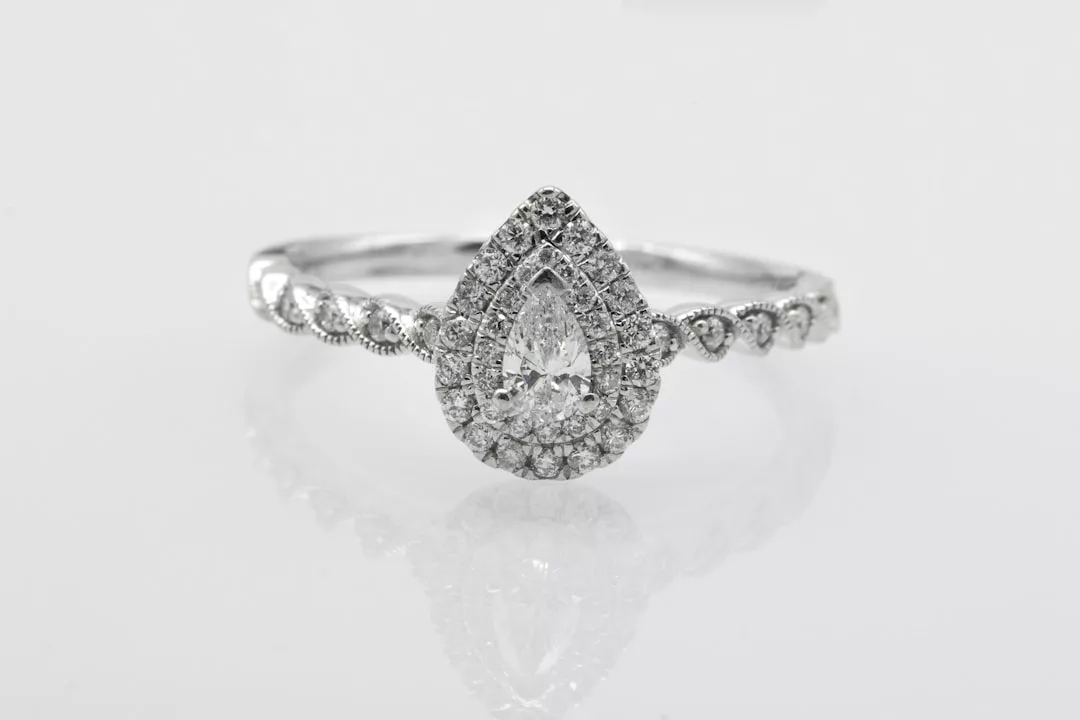
Rings have long been more than mere adornments; they are potent symbols imbued with meaning and significance across cultures and eras. From ancient civilizations to modern societies, the ring has served as a multifaceted emblem of identity, commitment, and personal expression. The circular shape of a ring, with no beginning or end, represents eternity and wholeness, making it a fitting symbol for various life milestones and emotional connections.
Whether worn as a fashion statement or as a token of love, rings possess an intrinsic power that resonates deeply with individuals. The allure of rings lies not only in their aesthetic appeal but also in the stories they tell. Each ring carries with it a narrative, often intertwined with the wearer’s life experiences, relationships, and aspirations.
The act of wearing a ring can evoke memories, signify transitions, or even serve as a reminder of one’s values and commitments. As we delve deeper into the significance of rings, we will explore their symbolism, emotional impact, and the myriad ways they influence our lives.
Key Takeaways
- Rings hold symbolic significance and emotional impact, serving as a source of confidence and empowerment.
- Commitment and promise are powerful elements associated with rings, influencing personal and professional relationships.
- Rings serve as a reminder of love and connection, with historical and cultural significance.
- They also possess healing and protective properties, serving as a source of motivation and inspiration in life.
- Embracing the power of rings can bring about positive changes in one’s life, influencing emotions, relationships, and personal growth.
The Symbolism Behind Rings
Rings have been used throughout history to convey a wide array of meanings, often varying by culture and context. In many traditions, rings symbolize unity and fidelity. For instance, wedding bands are exchanged during marriage ceremonies to signify the couple’s commitment to one another.
The circular form of the ring embodies the idea of an unbroken bond, representing the promise of love that endures through time. In this sense, rings serve as tangible reminders of vows made and the journey shared between partners. Beyond romantic relationships, rings can also symbolize friendship and loyalty.
The tradition of giving friendship rings dates back centuries and is prevalent in various cultures. These rings often signify a deep bond between friends, serving as a physical manifestation of their connection. In some cases, they may be inscribed with meaningful phrases or symbols that encapsulate the essence of the relationship.
Thus, rings transcend their ornamental purpose, becoming powerful tokens of emotional ties that bind individuals together.
The Emotional Impact of Wearing a Ring
The act of wearing a ring can evoke a profound emotional response, often tied to the significance of the piece itself. For many individuals, a ring serves as a constant reminder of cherished memories or pivotal moments in their lives. For example, an engagement ring may evoke feelings of love and anticipation for the future, while a family heirloom can elicit nostalgia and a sense of belonging to one’s lineage.
The emotional weight carried by these rings can be substantial, influencing how individuals perceive themselves and their relationships. Moreover, the tactile nature of rings adds another layer to their emotional impact. The sensation of a ring resting on one’s finger can create a sense of comfort and security.
This physical connection can serve as an anchor during challenging times, reminding the wearer of their commitments and the support systems in their lives. In this way, rings become more than accessories; they transform into sources of emotional strength that bolster confidence and resilience.
The Power of Commitment and Promise in Rings
Rings are often associated with promises made between individuals, particularly in romantic contexts. The exchange of rings during engagements or weddings signifies a mutual commitment to one another, embodying the promises of love, fidelity, and partnership. This ritualistic aspect of ring-giving reinforces the importance of commitment in relationships, serving as a public declaration of intentions and aspirations for the future.
The symbolism of promise extends beyond romantic relationships; it can also encompass commitments made to oneself or to others in various contexts. For instance, individuals may choose to wear rings that symbolize personal goals or aspirations, such as a promise to pursue self-improvement or to maintain healthy relationships.
Rings as a Source of Confidence and Empowerment
Wearing a ring can significantly impact an individual’s self-perception and confidence levels. A well-chosen ring can enhance one’s personal style and serve as an expression of individuality. For many people, wearing a statement ring or a piece that reflects their personality can instill a sense of empowerment.
This is particularly true for rings that are designed with bold colors or unique designs that stand out. Additionally, rings can symbolize achievements or milestones that contribute to an individual’s sense of self-worth. For example, class rings are often worn by graduates as a celebration of their academic accomplishments.
Similarly, rings awarded for athletic achievements or professional recognition can serve as tangible reminders of hard work and dedication. By wearing these symbols of success, individuals may feel more confident in their abilities and more empowered to pursue future endeavors.
Rings as a Reminder of Love and Connection
Rings have an unparalleled ability to encapsulate love and connection between individuals. Whether it is an engagement ring signifying the promise of marriage or a simple band exchanged between friends, these pieces often carry deep emotional significance. They serve as constant reminders of the bonds we share with others, reinforcing feelings of love and connection even when physically apart.
The act of gifting a ring can also strengthen relationships by creating shared experiences and memories. For instance, couples may choose to design matching rings that symbolize their unique connection or commemorate special moments in their relationship. These shared tokens not only enhance emotional intimacy but also create lasting memories that individuals can cherish for years to come.
The Historical and Cultural Significance of Rings
Throughout history, rings have played pivotal roles in various cultures around the world. In ancient Egypt, for example, rings were often made from precious metals and adorned with gemstones that were believed to possess protective qualities. They were worn by pharaohs and nobility as symbols of power and status.
Similarly, in Roman culture, signet rings were used to seal important documents and signify authority. In many cultures today, rings continue to hold significant cultural meaning. In some Asian traditions, jade rings are given as gifts to symbolize protection and good fortune.
In Native American cultures, turquoise rings are often worn for spiritual healing and connection to nature. These historical contexts highlight how rings have transcended mere ornamentation to become integral components of cultural identity and heritage.
The Influence of Rings in Personal and Professional Relationships
Rings can significantly influence both personal and professional relationships by serving as symbols of status or commitment. In personal relationships, the presence of a ring can communicate important information about an individual’s relationship status or intentions. For example, an engagement ring may signal to others that one is committed to a partner, while friendship rings may indicate loyalty among friends.
In professional settings, certain types of rings can convey authority or expertise. For instance, class rings from prestigious universities may be worn by alumni as symbols of their educational achievements and professional networks. Similarly, wedding bands may be perceived as indicators of stability and reliability in business contexts.
The subtle messages conveyed by these rings can shape perceptions and interactions within both personal and professional spheres.
The Healing and Protective Properties of Rings
Many cultures attribute healing properties to specific materials used in ring-making. For instance, gemstones such as amethyst are believed to promote calmness and clarity, while turquoise is thought to provide protection against negative energies. Individuals may choose to wear rings made from these stones not only for their aesthetic appeal but also for their purported metaphysical benefits.
The act of wearing a ring can also serve as a form of self-care or emotional healing. For example, individuals recovering from loss or trauma may find solace in wearing a ring that symbolizes resilience or hope. This practice can create a sense of empowerment by transforming pain into something tangible that can be worn proudly.
In this way, rings become not just decorative items but also tools for healing and personal growth.
How Rings Can Serve as a Source of Motivation and Inspiration
Rings can act as powerful motivators by serving as constant reminders of personal goals or aspirations. For instance, someone striving for fitness goals might wear a ring inscribed with motivational phrases or symbols representing strength.
Moreover, the act of gifting oneself or others with meaningful rings can inspire action toward achieving dreams or overcoming challenges. A parent might give their child a ring upon graduation as a symbol of encouragement for future endeavors. This gesture not only celebrates past achievements but also serves as motivation for continued growth and success.
Embracing the Power of Ring in Your Life
Rings hold immense power beyond their physical form; they encapsulate emotions, commitments, cultural significance, and personal aspirations. By understanding the multifaceted meanings behind these adornments, individuals can embrace the power that rings bring into their lives, whether it be through celebrating love, marking milestones, or finding inspiration for personal growth. As we navigate our journeys through life, let us recognize the profound impact that these circular symbols can have on our identities and relationships with others.
More in
More from Jewelry
Jewelry · 8 min
Stylish Bar Jewelry: Elevate Your Look
Bar jewelry has emerged as a captivating trend in the world of accessories, captivating fashion enthusiasts and casual wearers alike. Characterized by…
Jewelry · 9 min
Unlocking the Elegance of the Emerald Cut
The emerald cut has a rich and storied history that dates back to the 15th century, originating in the lapidary practices of the Spanish and Portugues…
Jewelry · 9 min
Bangle: A Timeless Fashion Accessory
Bangle jewelry has a rich and diverse history that spans across various cultures and epochs. The origins of bangles can be traced back to ancient civi…