News · News
The Rise of Slow Fashion: Embracing Sustainable Style
The slow fashion movement has emerged as a powerful response to the rampant consumerism and environmental degradation associated with fast fashion. This paradigm shift emphasizes q…
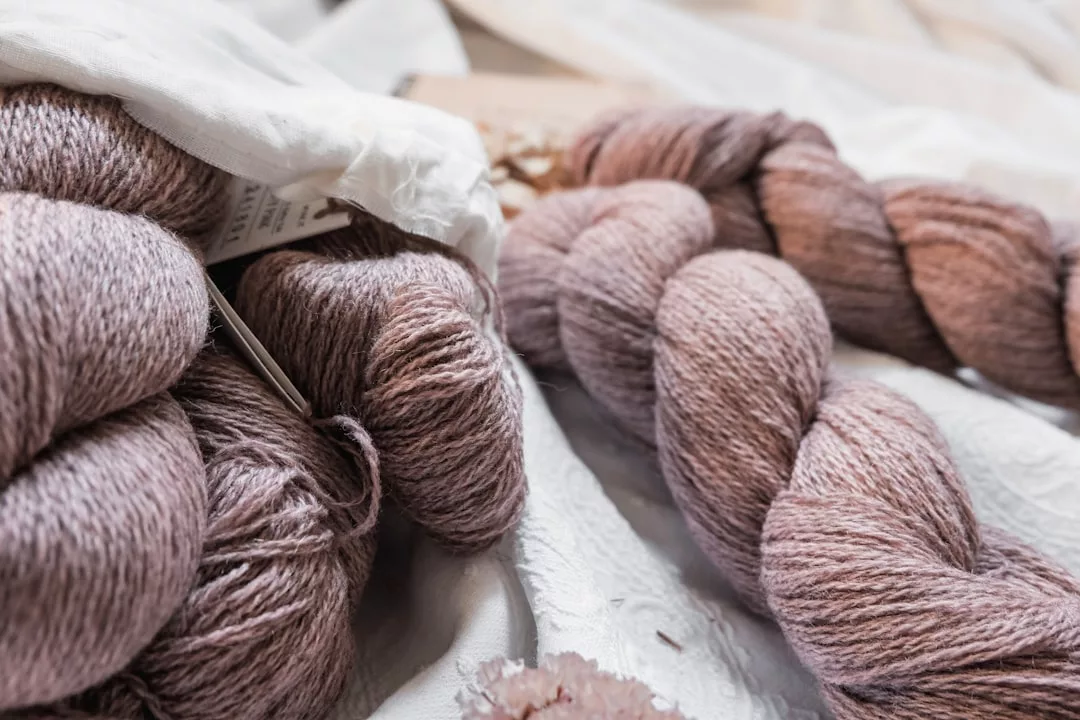
The slow fashion movement has emerged as a powerful response to the rampant consumerism and environmental degradation associated with fast fashion. This paradigm shift emphasizes quality over quantity, encouraging consumers to invest in timeless pieces that are crafted with care and consideration. Unlike fast fashion, which churns out cheap, trendy garments at an alarming rate, slow fashion promotes a more thoughtful approach to clothing production and consumption.
It advocates for sustainable practices, ethical labor conditions, and a deep respect for the environment, all while celebrating the artistry and craftsmanship inherent in fashion. It encourages individuals to view garments not merely as disposable items but as valuable investments that tell a story.
This movement is not just about reducing waste; it’s about fostering a deeper connection to the clothes we wear. By prioritizing sustainable materials, ethical production methods, and timeless designs, slow fashion cultivates a sense of responsibility among consumers, urging them to consider the broader implications of their purchasing decisions.
Key Takeaways
- Slow fashion promotes sustainable and ethical practices in the fashion industry, encouraging consumers to invest in quality, timeless pieces.
- Fast fashion has a detrimental impact on the environment, from excessive water usage to chemical pollution and textile waste.
- Embracing ethical and transparent supply chains in fashion ensures fair treatment of workers and reduces the environmental footprint of clothing production.
- Supporting local and artisanal fashion helps preserve traditional craftsmanship and promotes community empowerment.
- Mindful consumption encourages consumers to prioritize quality over quantity, leading to a more sustainable and conscious approach to fashion.
Understanding the Impact of Fast Fashion on the Environment
Fast fashion has become synonymous with environmental degradation, contributing significantly to pollution, waste, and resource depletion. The industry is notorious for its high carbon footprint, with the production of synthetic fibers like polyester releasing vast amounts of greenhouse gases. According to the United Nations Environment Programme, the fashion industry is responsible for approximately 10% of global carbon emissions, a staggering figure that highlights the urgent need for change.
Additionally, the rapid turnover of trends leads to an overwhelming amount of textile waste; millions of tons of clothing end up in landfills each year, where they can take decades to decompose. Water consumption is another critical issue linked to fast fashion. The production of cotton, for instance, is notoriously water-intensive, requiring around 7,000 liters of water to produce just one kilogram of cotton fabric.
This excessive use of water not only depletes local water sources but also contributes to pollution as toxic dyes and chemicals are often discharged into waterways without proper treatment. The environmental impact extends beyond production; the disposal of garments also poses significant challenges. Many fast fashion items are designed for short-term use and are often discarded after only a few wears, exacerbating the cycle of waste and pollution.
Embracing Ethical and Transparent Supply Chains in Fashion
A fundamental aspect of the slow fashion movement is the commitment to ethical and transparent supply chains. This involves ensuring that every stage of production adheres to fair labor practices and environmental standards. Brands that embrace this ethos prioritize working with suppliers who provide safe working conditions, fair wages, and respect for workers’ rights.
Transparency in supply chains allows consumers to make informed choices about the brands they support, fostering a sense of trust and accountability. For instance, companies like Everlane have built their brand around radical transparency, openly sharing information about their factories, costs, and markups. By revealing the true cost of production, they empower consumers to understand the value of their purchases.
This level of transparency not only builds consumer trust but also encourages other brands to adopt similar practices. As more consumers demand ethical production methods, brands are increasingly held accountable for their sourcing decisions, leading to a more responsible fashion industry overall.
The Importance of Supporting Local and Artisanal Fashion
Supporting local and artisanal fashion is a cornerstone of the slow fashion movement. By choosing to buy from local artisans and small-scale producers, consumers can help sustain traditional crafts and promote economic resilience within their communities. Local fashion often emphasizes unique designs and high-quality materials that reflect cultural heritage and craftsmanship.
This not only fosters a sense of identity but also reduces the carbon footprint associated with long-distance shipping. Artisanal fashion often incorporates sustainable practices that prioritize environmental stewardship. For example, many local artisans use natural dyes and organic materials, minimizing their impact on the environment while creating beautiful garments.
By investing in these products, consumers contribute to a more sustainable economy that values craftsmanship over mass production. Furthermore, supporting local businesses helps create jobs and strengthens community ties, fostering a sense of belonging and shared purpose.
Mindful Consumption: Choosing Quality Over Quantity
Mindful consumption is a key principle of slow fashion that encourages individuals to prioritize quality over quantity in their wardrobe choices. This approach advocates for thoughtful purchasing decisions that consider the longevity and versatility of garments rather than succumbing to fleeting trends. By investing in high-quality pieces that are designed to last, consumers can reduce their overall consumption and minimize waste.
One practical way to embrace mindful consumption is through capsule wardrobes, curated collections of versatile clothing items that can be mixed and matched to create various outfits. This concept not only simplifies daily dressing but also encourages individuals to be more intentional about their clothing choices. By focusing on timeless styles and durable materials, consumers can cultivate a wardrobe that reflects their personal style while reducing their environmental impact.
Redefining Beauty Standards and Body Positivity in Slow Fashion
The slow fashion movement also plays a crucial role in redefining beauty standards and promoting body positivity within the industry. Traditional fashion often perpetuates narrow ideals of beauty that can alienate many individuals. In contrast, slow fashion embraces diversity by celebrating various body types, sizes, and identities.
Brands that prioritize inclusivity create clothing that caters to a broader audience, fostering a sense of belonging among consumers. Moreover, slow fashion encourages self-expression through unique designs that reflect individual personalities rather than conforming to mainstream trends. This shift allows individuals to embrace their authentic selves without feeling pressured to fit into predefined molds.
By promoting body positivity and inclusivity, slow fashion not only empowers consumers but also challenges the status quo within the industry, paving the way for a more equitable future.
The Role of Technology and Innovation in Sustainable Fashion
Technology plays a pivotal role in advancing sustainable practices within the fashion industry. Innovations in materials science have led to the development of eco-friendly fabrics made from recycled materials or organic fibers that minimize environmental impact. For instance, brands like Reformation utilize deadstock fabrics, unused materials from previous collections, to create new garments, effectively reducing waste while offering stylish options.
Additionally, advancements in manufacturing processes have made it possible to produce clothing more efficiently with less waste. Techniques such as 3D knitting allow for precise garment construction with minimal material loss. Furthermore, digital platforms enable brands to connect directly with consumers, reducing reliance on traditional retail models that often contribute to overproduction and excess inventory.
By harnessing technology in these ways, the fashion industry can move towards more sustainable practices while meeting consumer demands for transparency and ethical production.
Educating Consumers on the True Cost of Fast Fashion
Educating consumers about the true cost of fast fashion is essential for fostering a more sustainable industry. Many individuals remain unaware of the environmental and social implications associated with their clothing choices. By raising awareness about issues such as labor exploitation, environmental degradation, and waste generation, advocates can empower consumers to make informed decisions that align with their values.
Campaigns aimed at educating consumers often highlight the hidden costs of fast fashion, such as the exploitation of workers in developing countries or the environmental toll of synthetic fibers, encouraging individuals to reconsider their purchasing habits. Documentaries like “The True Cost” have played a significant role in shedding light on these issues, prompting discussions around ethical consumption and sustainability within the fashion community. As consumers become more informed about the consequences of their choices, they are more likely to support brands that prioritize ethical practices and sustainability.
The Rise of Upcycling and Recycling in Fashion
Upcycling and recycling have gained traction as innovative solutions within the slow fashion movement. Upcycling involves transforming discarded materials or garments into new products with added value, effectively extending their lifecycle while reducing waste. This creative approach not only minimizes environmental impact but also encourages individuality through one-of-a-kind pieces.
Brands like Patagonia have embraced upcycling by offering repair services for worn-out garments and creating new products from recycled materials. Their Worn Wear program encourages customers to return used items for repair or resale, promoting a circular economy within the fashion industry. Similarly, initiatives like Fashion Revolution advocate for recycling programs that encourage consumers to return unwanted clothing for repurposing or recycling rather than disposal.
By embracing upcycling and recycling practices, the fashion industry can significantly reduce its environmental footprint while fostering creativity and innovation.
Promoting Diversity and Inclusivity in Slow Fashion
Diversity and inclusivity are integral components of the slow fashion movement, challenging traditional norms within the industry that often marginalize certain groups. By promoting diverse representation in marketing campaigns and product offerings, brands can create a more inclusive environment that resonates with a broader audience. This shift not only empowers marginalized communities but also enriches the overall narrative within fashion.
Brands like Savage X Fenty have set new standards by showcasing models of various sizes, ethnicities, and backgrounds in their campaigns. This commitment to diversity not only reflects societal changes but also resonates with consumers who seek authenticity in brand representation. By embracing inclusivity in all aspects, from design to marketing, slow fashion fosters a sense of belonging among consumers while challenging outdated beauty standards.
The Future of Slow Fashion: Building a More Sustainable Industry
The future of slow fashion holds immense potential for creating a more sustainable industry that prioritizes ethical practices and environmental stewardship. As consumer awareness continues to grow regarding the impacts of fast fashion, there is an increasing demand for transparency and accountability from brands. This shift presents an opportunity for innovative solutions that address both social and environmental challenges within the industry.
Collaboration among stakeholders, including designers, manufacturers, retailers, and consumers, will be crucial in driving this transformation forward. By working together towards common goals such as reducing waste, promoting ethical labor practices, and embracing sustainable materials, the fashion industry can pave the way for a more responsible future. As technology continues to evolve alongside consumer preferences for sustainability, there is hope for a thriving slow fashion movement that champions creativity while safeguarding our planet for generations to come.
More in
More from News

News · 15 min
Future of Luxury Fashion: Innovation, Technology, and the Next Frontier
Discover the future of luxury fashion: how AI, blockchain, digital couture, bio-fabricated materials and sustainability are reshaping maisons and the …

News · 15 min
Celebrity Style Guide: Decoding the Fashion of the Famous
Decode celebrity style: how stylists, red carpet partnerships, and social media shape fashion, plus archetypes and tips to build a celebrity-inspired …

News · 14 min
Luxury Lifestyle Guide: Curating the Art of Living Well
Discover the luxury lifestyle as the art of living well: quiet luxury in travel, wine, home design, wardrobe, watches, and wellness, curated with inte…