Jewelry · Jewelry
The Timeless Elegance of Pearl
The allure of pearls has captivated humanity for millennia, tracing back to ancient civilizations that revered these lustrous gems as symbols of wealth, beauty, and status. The ear…
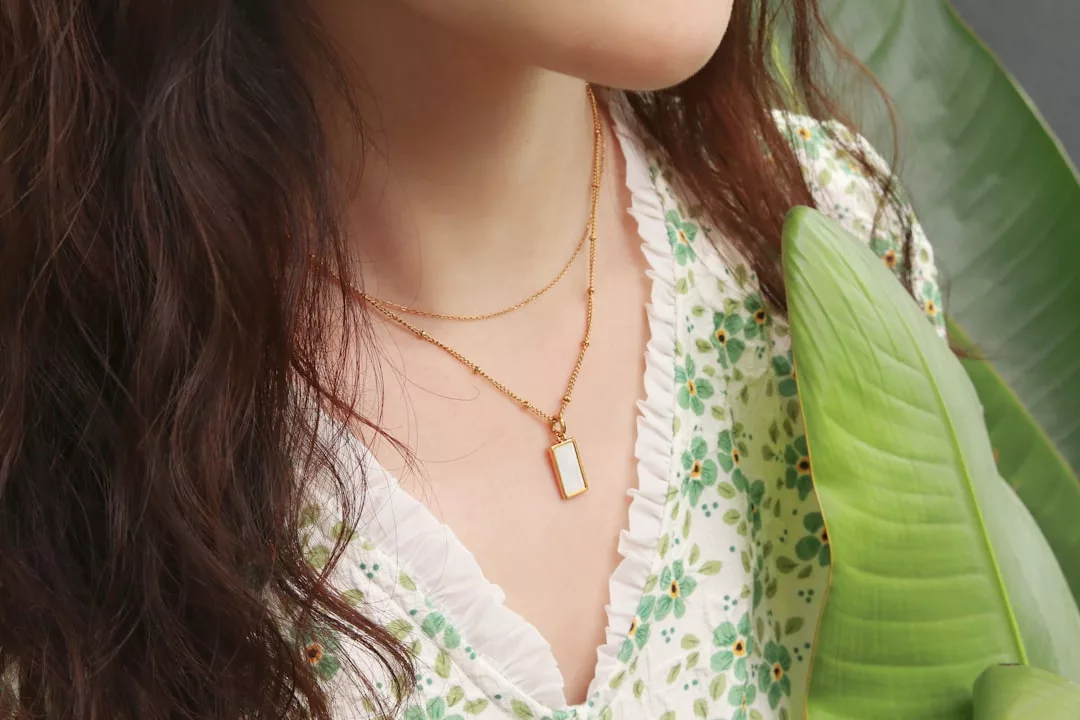
The allure of pearls has captivated humanity for millennia, tracing back to ancient civilizations that revered these lustrous gems as symbols of wealth, beauty, and status. The earliest known references to pearls can be found in the writings of the ancient Greeks and Romans, who believed that pearls were formed from the tears of the gods or the moonlight captured in the ocean. In fact, the Roman naturalist Pliny the Elder documented the significance of pearls in his work “Natural History,” where he described their rarity and beauty, emphasizing their desirability among the elite.
Pearls were often worn by emperors and empresses, signifying their power and prestige. As history progressed, pearls continued to hold a prominent place in various cultures. In China, they were associated with wisdom and purity, often used in royal adornments.
The Ming Dynasty saw a surge in pearl cultivation, leading to their integration into traditional Chinese jewelry. Meanwhile, in India, pearls were woven into the fabric of royal attire, symbolizing opulence and grace. The historical significance of pearls is not merely confined to their aesthetic appeal; they have been intertwined with trade routes, influencing economies and cultures across continents.
The discovery of natural pearl beds in the Persian Gulf and the subsequent trade with Europe during the Middle Ages further solidified their status as coveted treasures.
Key Takeaways
- Pearls have been a symbol of elegance and sophistication throughout history, worn by royalty and revered for their timeless beauty.
- Pearls are a natural gift from the sea, formed inside oysters and prized for their unique luster and iridescence.
- From ancient civilizations to modern fashion, pearls have held cultural significance and are often associated with purity, femininity, and luxury.
- Pearls are versatile, suitable for both classic and contemporary styles, making them a popular choice for jewelry and accessories.
- The craftsmanship and design of pearl jewelry showcase the artistry and skill required to create these precious and timeless pieces.
The Natural Beauty of Pearls: A Gift from the Sea
Pearls are unique among gemstones as they are formed organically within mollusks, primarily oysters and mussels. This natural process begins when an irritant, such as a grain of sand or a parasite, enters the shell of a mollusk. In response to this intrusion, the mollusk secretes layers of nacre, a combination of aragonite and conchiolin, which gradually envelops the irritant.
Over time, these layers build up to create a pearl, resulting in a gem that is not only beautiful but also a testament to nature’s artistry. The colors and luster of pearls vary widely, influenced by factors such as the type of mollusk, water conditions, and the thickness of the nacre layers. The beauty of pearls lies not only in their physical attributes but also in their ethereal quality.
Unlike other gemstones that rely on facets to reflect light, pearls exhibit a soft glow known as “orient,” which is a result of light refracting through their layers of nacre. This unique characteristic gives pearls an almost otherworldly appearance, making them highly sought after for jewelry. The spectrum of colors ranges from classic white and cream to more exotic hues like pink, lavender, and black.
Each pearl tells a story of its origin, making it a truly personal and unique adornment.
The Cultural Significance of Pearls: From Royalty to Modern Fashion
Throughout history, pearls have transcended mere adornment to become powerful symbols within various cultures. In many societies, they have been associated with purity and innocence, often gifted to brides on their wedding day as tokens of love and fidelity. In Western culture, this tradition has persisted into modern times, with pearls frequently featured in bridal jewelry collections.
Their association with purity is further emphasized by their use in religious ceremonies; for instance, in Christianity, pearls are mentioned in biblical texts as symbols of wisdom and divine beauty. In contrast to their traditional roles, pearls have also made significant strides into contemporary fashion. Designers have reimagined pearl jewelry to fit modern aesthetics while retaining their classic charm.
Fashion icons like Coco Chanel famously popularized the use of pearls in everyday wear, encouraging women to embrace these gems beyond formal occasions. Today, pearls are not just reserved for high society; they have become accessible to a broader audience through innovative designs that blend traditional elegance with contemporary flair. This evolution reflects society’s changing attitudes toward luxury and self-expression.
The Versatility of Pearls: From Classic to Contemporary
One of the most remarkable aspects of pearls is their versatility. They can seamlessly transition from classic elegance to modern chic, making them suitable for a wide range of occasions. Traditional pearl necklaces often evoke images of sophistication and refinement; however, contemporary designers have embraced pearls in innovative ways that challenge conventional norms.
For instance, oversized pearl earrings or asymmetrical designs have emerged as popular trends that appeal to younger generations seeking unique expressions of style. Moreover, pearls can be paired with various materials to create striking contrasts that enhance their beauty. Designers often combine pearls with metals like gold or silver, or even incorporate them into leather accessories for an edgy twist.
This adaptability allows pearls to be worn in casual settings as well as formal events. Whether draped around the neck in a classic strand or featured as accents in modern jewelry pieces, pearls continue to evolve while maintaining their timeless appeal.
The Art of Pearl Jewelry: Craftsmanship and Design
Creating exquisite pearl jewelry requires not only an understanding of the gems themselves but also a mastery of craftsmanship and design principles. Artisans who specialize in pearl jewelry must possess a keen eye for detail and an appreciation for the unique characteristics of each pearl. The process begins with selecting high-quality pearls based on factors such as luster, surface quality, shape, and size.
Each pearl is carefully examined to ensure it meets the standards required for fine jewelry. Once selected, the design process begins. Jewelers often draw inspiration from nature, art, or cultural motifs to create pieces that resonate with wearers on a personal level.
Techniques such as stringing pearls on silk threads or incorporating them into intricate metalwork require precision and skill. The final product is not merely a piece of jewelry; it is a work of art that reflects both the natural beauty of the pearls and the creativity of the designer. This dedication to craftsmanship elevates pearl jewelry beyond mere adornment into cherished heirlooms that can be passed down through generations.
The Value of Pearls: A Precious and Timeless Investment
The value of pearls is determined by several factors including size, shape, color, luster, and surface quality. Natural pearls are exceedingly rare due to overfishing and environmental changes; thus, they command significantly higher prices compared to cultured pearls. Cultured pearls are created through human intervention but still retain much of the allure associated with natural ones.
The market for both types has seen fluctuations over time; however, high-quality pearls remain a sound investment due to their enduring popularity. Investing in pearls can be both financially rewarding and emotionally fulfilling. Unlike many other luxury items that may depreciate over time, well-maintained pearl jewelry can appreciate in value as demand continues to grow among collectors and fashion enthusiasts alike.
Additionally, pearls carry sentimental value; they often symbolize milestones such as weddings or anniversaries, making them cherished possessions that transcend monetary worth.
The Maintenance of Pearls: Tips for Preserving their Luster
To ensure that pearls retain their beauty over time, proper care and maintenance are essential. Unlike other gemstones that can withstand harsh conditions, pearls are relatively delicate and require gentle handling. One fundamental rule is to avoid exposing them to chemicals found in perfumes, lotions, or cleaning products; these substances can damage the nacre and dull their luster.
It is advisable to put on pearl jewelry after applying cosmetics or fragrances. Cleaning pearls should be done with care; using a soft cloth dampened with water is often sufficient to remove dirt or oils accumulated from wear. Storing pearls properly is equally important; they should be kept in a soft pouch or lined jewelry box away from other gemstones that could scratch their surface.
Regularly restringing pearl necklaces every few years can also help maintain their integrity and prevent breakage.
The Symbolism of Pearls: Meaning and Significance in Different Cultures
Pearls carry rich symbolism across various cultures around the world. In many traditions, they are seen as symbols of purity and innocence due to their pristine appearance and organic origins. In ancient Chinese culture, for instance, pearls were believed to bring wisdom and protection against evil spirits; they were often used in talismans or worn by scholars seeking enlightenment.
In contrast, some cultures associate pearls with femininity and fertility. In Hinduism, for example, they are linked to the goddess Lakshmi who embodies wealth and prosperity; thus wearing pearls is thought to attract good fortune. Similarly, in Western cultures, pearls are often gifted during significant life events such as weddings or graduations as tokens representing love and new beginnings.
This multifaceted symbolism adds depth to the appreciation of pearls beyond their aesthetic qualities.
The Popularity of Pearls: From Red Carpets to Everyday Wear
The popularity of pearls has seen a resurgence in recent years across various fashion platforms, from red carpets adorned with celebrities showcasing stunning pearl jewelry to everyday wear embraced by fashion-forward individuals seeking timeless elegance. High-profile events like award shows often feature stars donning elaborate pearl necklaces or statement earrings that capture attention while exuding sophistication. Moreover, social media platforms have played a pivotal role in revitalizing interest in pearl jewelry among younger audiences.
Influencers frequently showcase how they incorporate pearls into casual outfits or mix them with contemporary styles for an eclectic look. This democratization of pearl fashion has made it accessible to a wider demographic while reinforcing its status as a versatile accessory suitable for any occasion.
The Ethical and Sustainable Aspects of Pearl Harvesting
As awareness surrounding ethical sourcing grows within the fashion industry, so too does scrutiny regarding pearl harvesting practices. Traditional methods often involved harvesting wild oysters from natural beds; however, this practice has raised concerns about environmental sustainability and animal welfare. In response to these issues, many companies have shifted towards responsible aquaculture practices that prioritize both ecological balance and humane treatment of mollusks.
Sustainable pearl farming involves cultivating oysters in controlled environments where they can thrive without depleting natural resources or harming marine ecosystems. By adhering to ethical standards throughout the production process, from sourcing materials responsibly to ensuring fair labor practices, jewelers can offer consumers peace of mind knowing their purchases support sustainable practices while still celebrating the beauty of these exquisite gems.
The Enduring Appeal of Pearls: Why They Will Always be in Style
The enduring appeal of pearls lies not only in their timeless beauty but also in their ability to adapt to changing fashion trends while retaining an air of sophistication. Unlike fleeting fads that come and go with seasons, pearls possess an intrinsic elegance that transcends time periods, making them a staple in both classic and contemporary wardrobes alike. As fashion continues evolving towards more sustainable practices emphasizing quality over quantity, pearls stand out as enduring symbols of luxury that align with modern values prioritizing craftsmanship and ethical sourcing.
Their versatility allows them to be styled in myriad ways: from minimalist designs perfect for everyday wear to extravagant pieces suited for special occasions, ensuring that they will always hold a cherished place within jewelry collections around the world. In conclusion, the multifaceted nature of pearls, from their historical significance and natural beauty to cultural symbolism, ensures that they remain relevant across generations while captivating hearts with their timeless elegance.
More in
More from Jewelry
Jewelry · 8 min
Stylish Bar Jewelry: Elevate Your Look
Bar jewelry has emerged as a captivating trend in the world of accessories, captivating fashion enthusiasts and casual wearers alike. Characterized by…
Jewelry · 9 min
Unlocking the Elegance of the Emerald Cut
The emerald cut has a rich and storied history that dates back to the 15th century, originating in the lapidary practices of the Spanish and Portugues…
Jewelry · 9 min
Bangle: A Timeless Fashion Accessory
Bangle jewelry has a rich and diverse history that spans across various cultures and epochs. The origins of bangles can be traced back to ancient civi…