Fashion · Fashion
The Ultimate Guide to Hosiery: How to Choose and Style Your Perfect Pair
Hosiery encompasses a wide range of legwear, each designed for specific purposes and occasions. The most common types include tights, stockings, leggings, and knee-highs. Tights ar…
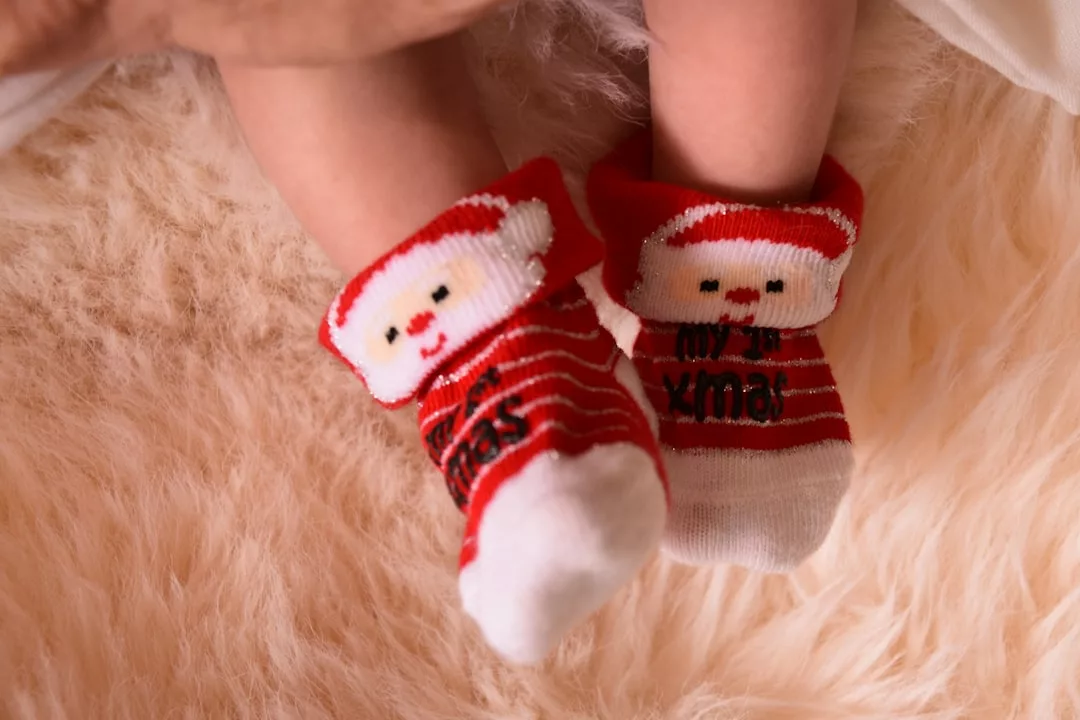
Hosiery encompasses a wide range of legwear, each designed for specific purposes and occasions. The most common types include tights, stockings, leggings, and knee-highs. Tights are typically made from a blend of nylon and spandex, providing a snug fit that covers the entire leg.
They come in various denier levels, which indicate the thickness of the fabric; lower denier tights are sheer and lightweight, while higher denier options offer more opacity and warmth. Stockings, on the other hand, are often thigh-high and can be held up with garters or elastic bands. They are frequently associated with a more classic or vintage aesthetic, making them a popular choice for formal events.
Leggings have gained immense popularity in recent years, often blurring the lines between activewear and casual fashion. Unlike traditional hosiery, leggings are typically thicker and can be worn as standalone pants. They come in various styles, including high-waisted, cropped, and full-length, catering to different body types and preferences.
Knee-highs are another versatile option, providing coverage up to the knee while leaving the rest of the leg exposed. Understanding these different types of hosiery is essential for making informed choices that align with personal style and comfort.
Key Takeaways
- Different types of hosiery include tights, stockings, pantyhose, and thigh-highs, each serving different purposes and styles.
- Choosing the right size and fit is crucial for comfort and avoiding sagging, rolling, or digging into the skin.
- The best material for hosiery depends on factors such as durability, breathability, and desired level of opacity.
- Styling tips for different occasions include pairing sheer hosiery with formal attire and opting for patterned or colored hosiery for a more casual look.
- Caring for hosiery involves hand washing, air drying, and storing properly to prolong their lifespan and maintain their shape.
Choosing the Right Size and Fit
Selecting the right size and fit is crucial when it comes to hosiery, as an ill-fitting pair can lead to discomfort and an unflattering appearance. Most hosiery brands provide sizing charts that take into account height, weight, and sometimes even hip measurements. It is essential to refer to these charts before making a purchase, as sizes can vary significantly between brands.
For instance, a size medium in one brand may not correspond to a size medium in another. Additionally, some brands offer hosiery in plus sizes or specific body shapes, which can enhance comfort and fit. When trying on hosiery, pay attention to how it feels around the waist, thighs, and calves.
A good fit should feel snug but not restrictive; if the waistband digs into your skin or if the fabric feels too tight around your legs, it may be time to try a different size or style. Moreover, consider the intended use of the hosiery. For example, if you plan to wear tights for an extended period, opting for a size that allows for some stretch can enhance comfort throughout the day.
Ultimately, finding the right size and fit will not only improve comfort but also elevate your overall look.
Selecting the Best Material for Your Needs
The material of hosiery plays a significant role in determining its comfort, durability, and appearance. Common materials include nylon, spandex, cotton, and wool, each offering unique benefits. Nylon is widely used due to its lightweight nature and ability to create a smooth silhouette.
It is often blended with spandex to provide stretch and flexibility, making it ideal for tights and leggings that need to conform to the body’s shape. On the other hand, cotton hosiery is breathable and soft against the skin, making it a popular choice for everyday wear. Wool is another material worth considering, especially for colder months.
Wool tights or leggings provide warmth while still being breathable, making them suitable for layering under skirts or dresses during winter. Additionally, some brands offer hosiery made from eco-friendly materials such as bamboo or recycled fibers, appealing to environmentally conscious consumers. When selecting hosiery material, consider factors such as climate, occasion, and personal comfort preferences to ensure you choose the best option for your needs.
Styling Tips for Different Occasions
Hosiery can be a versatile accessory that enhances various outfits for different occasions. For formal events such as weddings or galas, opting for sheer tights or elegant stockings can add a touch of sophistication to your ensemble. Pairing these with a classic little black dress or an evening gown creates a polished look that exudes elegance.
When choosing colors for formal occasions, neutral shades like black or nude are often preferred as they complement most outfits without drawing attention away from the overall look. For casual outings or daytime events, consider incorporating patterned tights or colorful leggings into your wardrobe. These can add a playful element to simple outfits like denim shorts or oversized sweaters.
For instance, floral-patterned tights can bring life to a basic dress while providing warmth during cooler months. Additionally, layering knee-highs over opaque tights can create an interesting visual effect that works well with skirts or dresses. The key is to balance bold patterns with simpler clothing items to avoid overwhelming your look.
Caring for and Maintaining Your Hosiery
Proper care and maintenance of hosiery are essential for prolonging their lifespan and ensuring they remain in good condition. One of the most important tips is to always hand wash hosiery instead of tossing them into the washing machine.
Instead, fill a basin with lukewarm water and a gentle detergent specifically designed for delicate fabrics. Gently agitate the water before submerging your hosiery and allow them to soak for about 10-15 minutes before rinsing thoroughly. After washing, avoid wringing out excess water as this can distort the shape of the hosiery.
Instead, lay them flat on a clean towel and roll it up gently to absorb moisture before air-drying them away from direct sunlight or heat sources. Storing hosiery properly is also crucial; consider using hosiery bags or simply folding them neatly rather than cramming them into drawers. This prevents unnecessary stretching or snagging that can occur when hosiery is stored haphazardly.
The Importance of Color and Pattern
Color and pattern play a significant role in how hosiery can transform an outfit. While classic colors like black, nude, and white are staples in many wardrobes due to their versatility, experimenting with bolder hues can add personality to your look. For instance, deep burgundy tights can complement autumnal outfits beautifully when paired with earth-toned dresses or skirts.
Similarly, bright colors like electric blue or vibrant red can serve as statement pieces that draw attention when styled correctly. Patterns also offer an exciting way to express individuality through hosiery. From polka dots to stripes and floral designs, patterned tights can elevate even the simplest outfits.
For example, pairing striped tights with a solid-colored dress creates visual interest without overwhelming the overall look. However, when incorporating patterns into your outfit, it’s essential to consider balance; if your tights are bold and eye-catching, opt for more subdued clothing items to maintain harmony in your ensemble.
How to Pair Hosiery with Shoes
The choice of shoes can significantly impact how hosiery looks and feels within an outfit. When wearing tights or stockings, closed-toe shoes such as pumps or ankle boots are often recommended for a polished appearance. For instance, black opaque tights paired with classic black pumps create a streamlined silhouette that elongates the legs while maintaining elegance.
Conversely, if you’re wearing patterned tights or colorful leggings, consider opting for neutral shoes that allow the legwear to take center stage. For more casual looks involving knee-highs or ankle socks, pairing them with ankle boots or sneakers can create a trendy vibe. This combination works particularly well with skirts or shorts during warmer months when you want to showcase your legs while still being comfortable.
Additionally, strappy sandals can be paired with sheer tights for a chic summer look; however, ensure that the sandal straps do not dig into the fabric of the tights to avoid unsightly marks.
Hosiery for Different Body Types
Understanding how different styles of hosiery flatter various body types is essential for achieving an aesthetically pleasing look. For those with curvier figures, high-waisted tights or leggings can provide support while accentuating curves in all the right places. These styles help smooth out any unwanted lines while offering comfort throughout the day.
Additionally, opting for thicker materials can provide more coverage and confidence when wearing form-fitting dresses or skirts. For individuals with slimmer legs, sheer tights or patterned leggings can add dimension without overwhelming their frame. Experimenting with textures such as lace or ribbed designs can also create visual interest while maintaining balance in an outfit.
It’s important to remember that every body type is unique; therefore, trying on different styles will help determine what feels best and enhances individual features.
Hosiery for Different Seasons
Seasonality plays a crucial role in selecting appropriate hosiery for various weather conditions. During colder months, thicker tights made from wool or fleece-lined materials provide warmth while still allowing for stylish layering under dresses or skirts. Darker colors like charcoal gray or deep navy are often favored during winter as they complement seasonal palettes while providing versatility.
In contrast, lighter materials such as sheer nylon are ideal for spring and summer months when temperatures rise. These options allow for breathability while still offering coverage against sun exposure or cooler evening breezes. Floral patterns or pastel colors can evoke a fresh spring vibe when paired with lighter clothing items like sundresses or shorts.
Hosiery for Different Outfit Styles
Hosiery serves as an essential accessory that complements various outfit styles ranging from casual to formal wear. For casual outfits involving jeans or shorts, knee-high socks paired with ankle boots create an effortlessly chic look perfect for weekend outings. Alternatively, wearing patterned tights under denim skirts adds flair without compromising comfort.
For more formal occasions such as business meetings or cocktail parties, opting for classic black tights under tailored dresses enhances professionalism while maintaining elegance. Sheer stockings paired with heels elevate evening wear by adding sophistication without overshadowing the overall ensemble’s design elements.
Hosiery as a Fashion Statement
In recent years, hosiery has evolved beyond its traditional role as mere legwear; it has become a powerful fashion statement in its own right. Designers have embraced bold patterns and innovative materials that challenge conventional norms surrounding legwear. Fashion influencers often showcase unique styling techniques that incorporate statement hosiery into their outfits, think brightly colored fishnet stockings paired with oversized blazers or patterned tights worn under distressed denim.
This shift towards viewing hosiery as an integral part of fashion allows individuals to express their creativity through their wardrobe choices actively. By experimenting with different styles, whether it’s layering multiple pairs together or mixing textures, fashion enthusiasts can create eye-catching looks that reflect their personal style while pushing boundaries within contemporary fashion trends.
More in
More from Fashion
Fashion · 2 min
Silk and Sartorial Smarts: Embracing the Singular Garment Principle
In an age of overwhelming choice, the ultimate luxury isn’t having more, it’s having the right thing. The modern wardrobe is undergoing a quiet r…

Fashion · 9 min
Dressing to Impress: The Art of Formal Wear
First impressions are often described as lasting impressions, and this adage holds significant weight in both personal and professional contexts. When…

Fashion · 9 min
Timeless Style: The Trench Coat
The trench coat has a rich and storied history that dates back to the late 19th century. Originally designed for military use, the trench coat was cre…