News · News
The Ultimate Guide to Van Life: How to Live and Thrive on the Road
Selecting the ideal van for your lifestyle is a pivotal step in embarking on a van life journey. The choice of vehicle can significantly influence your experience, comfort, and mob…
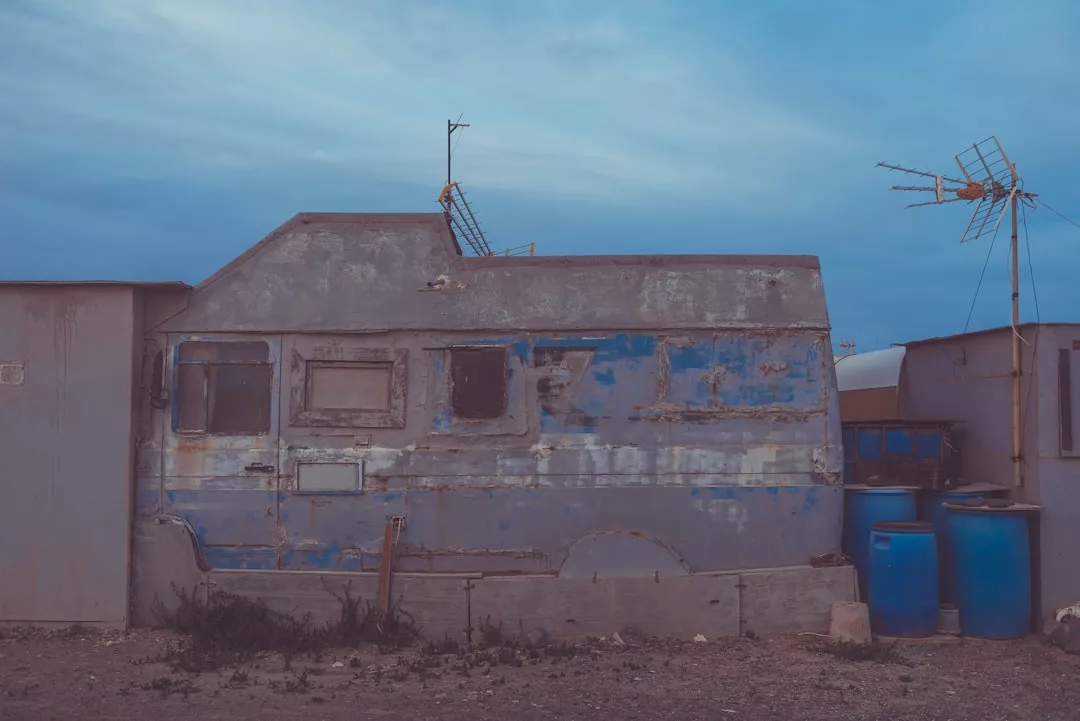
Selecting the ideal van for your lifestyle is a pivotal step in embarking on a van life journey. The choice of vehicle can significantly influence your experience, comfort, and mobility.
For instance, if you plan to travel solo or as a couple, a compact van like the Ford Transit Connect or the Ram ProMaster City may suffice. These smaller models are easier to maneuver and park, making them ideal for urban environments and tight camping spots. Conversely, if you envision traveling with family or friends, a larger van such as the Mercedes-Benz Sprinter or the Ford Transit offers more space for sleeping arrangements, storage, and living amenities.
Beyond size, the type of van also plays a crucial role in your lifestyle. Some individuals prefer a fully equipped camper van with built-in kitchens and bathrooms, while others may opt for a blank slate to customize according to their preferences. The latter option allows for greater flexibility in design but requires more time and effort in the conversion process.
Additionally, consider the fuel efficiency of the vehicle, especially if you plan to cover long distances. Diesel engines often provide better mileage and longevity compared to gasoline engines, making them a popular choice among seasoned van lifers. Ultimately, the right van should align with your travel goals, budget, and personal comfort.
Key Takeaways
- Choose a van that suits your lifestyle and needs, whether it’s for solo travel, family adventures, or weekend getaways.
- Essential gear and supplies for van life include a reliable water filtration system, portable stove, and compact storage solutions.
- Find the best campsites and parking spots by using apps, joining van life communities, and researching local regulations.
- Stay safe and secure on the road by investing in good locks, learning basic self-defense, and being aware of your surroundings.
- Manage your finances and budget for van life by tracking expenses, finding free or low-cost campsites, and considering part-time work or remote jobs.
Essential Gear and Supplies for Van Life
Equipping your van with the right gear and supplies is crucial for a successful and enjoyable experience on the road. Start with the essentials: a comfortable sleeping arrangement is paramount. Investing in a high-quality mattress or sleeping pad can significantly enhance your rest during long journeys.
Additionally, consider storage solutions that maximize space without compromising accessibility. Bins, organizers, and collapsible containers can help keep your belongings tidy and easy to find. Beyond sleeping arrangements, kitchen supplies are vital for those who enjoy cooking while traveling.
A portable stove, cookware, utensils, and a cooler or refrigerator are essential components of a mobile kitchen. Many van lifers also find it beneficial to have a water filtration system or large water containers to ensure access to clean drinking water. Furthermore, don’t overlook the importance of outdoor gear; items such as camping chairs, portable tables, and hammocks can enhance your experience at campsites.
The right gear not only makes life on the road more comfortable but also allows you to embrace the adventure fully.
Finding the Best Campsites and Parking Spots
Finding suitable campsites and parking spots is an integral part of the van life experience. The landscape of camping options has evolved significantly, with various platforms available to help travelers locate ideal spots. Websites and apps like Campendium, iOverlander, and AllTrails provide user-generated information on campgrounds, boondocking sites, and even free parking areas.
These resources often include reviews, photos, and details about amenities such as restrooms and water access. In addition to digital resources, it’s essential to develop an eye for potential parking spots while on the road. Many van lifers have found success by exploring less-traveled areas or seeking out local parks that allow overnight parking.
National forests and Bureau of Land Management (BLM) lands often provide ample opportunities for dispersed camping away from crowded campgrounds. However, it’s crucial to respect local regulations and practice Leave No Trace principles to preserve these natural spaces for future travelers.
Staying Safe and Secure on the Road
Safety is paramount when living on the road, as van life can present unique challenges that require careful consideration. One of the first steps in ensuring safety is choosing secure parking locations. Opting for well-lit areas with other vehicles nearby can deter potential theft or vandalism.
Additionally, investing in security features such as steering wheel locks or alarm systems can provide peace of mind while you sleep. Another aspect of safety involves being aware of your surroundings and trusting your instincts. If a location feels off or uncomfortable, it’s wise to move on to another spot.
Keeping emergency supplies on hand is also essential; this includes a first aid kit, flashlight, extra food and water, and tools for minor repairs. Furthermore, maintaining communication with friends or family about your whereabouts can enhance safety by ensuring someone knows where you are at all times.
Managing Your Finances and Budgeting for Van Life
Financial management is a critical component of living in a van, as expenses can quickly add up if not carefully monitored. Establishing a budget before hitting the road is essential for understanding your financial limits and planning accordingly. Start by calculating fixed costs such as insurance, maintenance, fuel, and any loan payments associated with your vehicle.
Then factor in variable expenses like food, campsite fees, and entertainment. To stretch your budget further, consider adopting frugal living practices while on the road. Cooking meals instead of dining out can save significant amounts of money over time.
Additionally, utilizing free or low-cost camping options can help minimize accommodation expenses. Many van lifers also find ways to earn income while traveling, whether through remote work, freelance gigs, or seasonal jobs, allowing them to sustain their lifestyle without depleting their savings.
Maintaining Your Van and Dealing with Repairs on the Road
Regular maintenance is crucial for ensuring your van remains reliable throughout your travels. Establishing a routine for checking fluid levels, tire pressure, and brakes can prevent unexpected breakdowns that could disrupt your journey. Familiarizing yourself with basic mechanical skills can also be beneficial; knowing how to change a tire or perform minor repairs can save you time and money while on the road.
However, despite best efforts at maintenance, issues may still arise unexpectedly. In such cases, having a plan in place is essential. Carrying a comprehensive tool kit can help address minor problems immediately.
For more significant repairs that require professional assistance, it’s wise to research local mechanics in advance or utilize mobile mechanic services that cater specifically to travelers. Building relationships with fellow van lifers can also provide valuable insights into reliable repair shops along your route.
Staying Connected: Internet and Communication Options
In an increasingly digital world, staying connected while living in a van is essential for both work and personal communication. Many van lifers rely on mobile hotspots or portable Wi-Fi devices to access the internet while on the go. Cellular data plans that offer unlimited data or high-speed options are particularly advantageous for those who work remotely or enjoy streaming content during downtime.
Additionally, public libraries and coffee shops often provide free Wi-Fi access that can be utilized when parked in urban areas. It’s also beneficial to download offline maps and resources before heading into remote regions where connectivity may be limited. Maintaining communication with friends and family is vital for emotional support during long stretches on the road; regular check-ins via text or video calls can help bridge the gap between adventures.
Cooking and Eating Well in a Van
Cooking in a van presents unique challenges but also offers opportunities for creativity and healthy eating on the road. A well-equipped kitchen setup can make meal preparation enjoyable rather than burdensome. Many van lifers opt for compact cooking appliances such as portable stoves or slow cookers that fit within limited space constraints while still allowing for diverse meal options.
Planning meals ahead of time can help streamline grocery shopping and reduce food waste during travels. Stocking up on non-perishable items like grains, canned goods, and dried fruits ensures you have nutritious options available even when fresh produce is scarce. Embracing local markets along your route can also enhance your culinary experience; sourcing fresh ingredients from farmers’ markets not only supports local economies but also allows you to experiment with regional flavors.
Staying Healthy and Fit While Living in a Van
Maintaining physical health while living in a van requires intentionality but is entirely achievable with some planning. Regular exercise is crucial for both physical well-being and mental clarity during long periods of travel. Many van lifers incorporate outdoor activities such as hiking, biking, or yoga into their daily routines; these activities not only promote fitness but also allow for exploration of beautiful landscapes.
Additionally, prioritizing nutrition is essential when cooking in limited space. Preparing balanced meals that include fruits, vegetables, lean proteins, and whole grains can help sustain energy levels during active days on the road. Staying hydrated is equally important; carrying reusable water bottles ensures access to clean drinking water throughout your travels.
Dealing with Waste and Environmental Impact
Living in a van comes with responsibilities regarding waste management and environmental impact. Proper disposal of waste is crucial for preserving natural spaces; this includes both human waste and trash generated during travels. Many van lifers utilize portable toilets or seek out public restrooms when available to minimize their impact on the environment. Additionally, practicing Leave No Trace principles, such as packing out all trash and minimizing campfire impact, can contribute positively to preserving natural landscapes for future generations of travelers.
Finding Community and Connection on the Road
One of the most rewarding aspects of van life is the sense of community that often develops among fellow travelers. Engaging with other van lifers can provide valuable insights into best practices while fostering friendships that enhance the journey. Online platforms such as social media groups or forums dedicated to van life offer opportunities for connection; sharing experiences, tips, and recommendations can enrich your travels significantly.
In-person gatherings such as meetups or festivals specifically geared toward van lifers create spaces for camaraderie among like-minded individuals who share similar passions for adventure and exploration. These events often feature workshops on topics ranging from vehicle maintenance to cooking techniques tailored for life on the road, providing both practical knowledge and social interaction that enhances the overall experience of living in a van. Through thoughtful planning around these various aspects of van life, from choosing the right vehicle to fostering community connections, individuals can create fulfilling experiences that resonate deeply with their personal values while embracing adventure on the open road.
◦ Good to know
How do I choose the right van for van life?
Match the vehicle to your travel plans. Solo travellers or couples may prefer a compact van such as the Ford Transit Connect or Ram ProMaster City, which is easier to manoeuvre and park. Families or groups benefit from a larger Mercedes-Benz Sprinter or Ford Transit, offering more space for sleeping and storage.
What essential gear do I need for life on the road?
Start with a comfortable sleeping arrangement, such as a quality mattress or sleeping pad, plus storage solutions like bins and collapsible containers. A mobile kitchen with a portable stove, cookware and a cooler or refrigerator is invaluable, along with a water filtration system. Outdoor extras like camping chairs and hammocks enhance the experience.
How can I find good campsites and stay safe?
Locate suitable spots using dedicated apps, van life communities and by researching local regulations before parking. For security on the road, invest in good locks, learn basic self-defence and stay aware of your surroundings. Managing your finances by tracking expenses and seeking free or low-cost campsites also helps sustain the lifestyle.
More in
More from News

News · 15 min
Future of Luxury Fashion: Innovation, Technology, and the Next Frontier
Discover the future of luxury fashion: how AI, blockchain, digital couture, bio-fabricated materials and sustainability are reshaping maisons and the …

News · 15 min
Celebrity Style Guide: Decoding the Fashion of the Famous
Decode celebrity style: how stylists, red carpet partnerships, and social media shape fashion, plus archetypes and tips to build a celebrity-inspired …

News · 14 min
Luxury Lifestyle Guide: Curating the Art of Living Well
Discover the luxury lifestyle as the art of living well: quiet luxury in travel, wine, home design, wardrobe, watches, and wellness, curated with inte…