Fashion · Fashion
Timeless Elegance: Embracing Classic Style
Classic style is often characterized by its enduring appeal and timelessness, transcending fleeting fashion trends. It embodies a sense of sophistication that is both understated a…
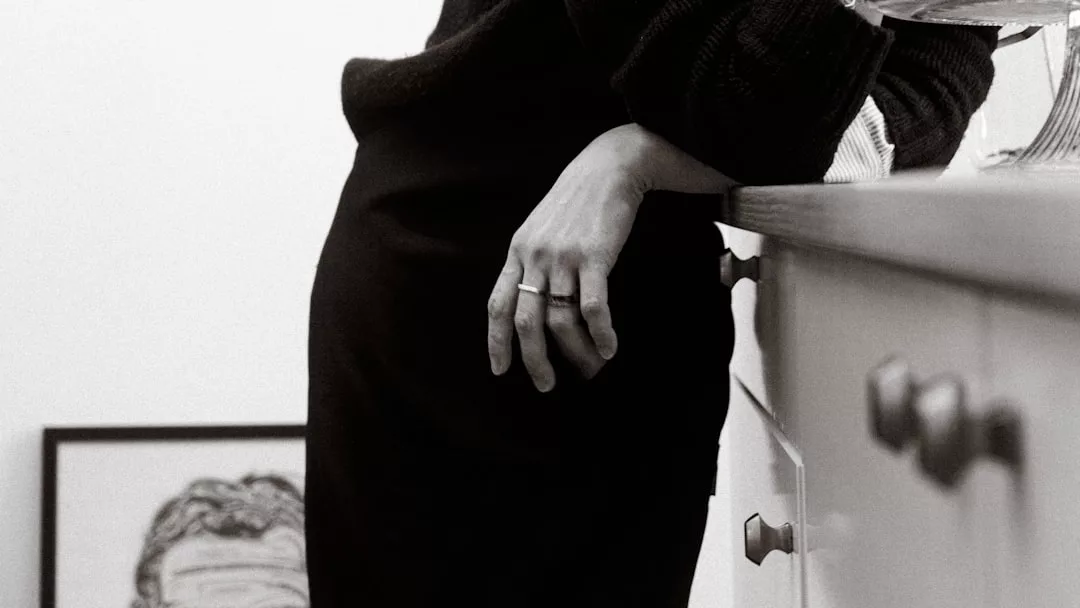
Classic style is often characterized by its enduring appeal and timelessness, transcending fleeting fashion trends. It embodies a sense of sophistication that is both understated and refined, drawing inspiration from historical periods and traditional aesthetics. The essence of classic style lies in its ability to remain relevant across generations, appealing to those who appreciate quality craftsmanship and elegant design.
This style is not merely about clothing or decor; it is a holistic approach to life that values heritage, tradition, and the beauty of simplicity. At its core, classic style is about making choices that reflect a deep appreciation for artistry and history. It often incorporates elements from various eras, such as the tailored silhouettes of the 1950s or the opulent details of the Baroque period.
This eclecticism is what makes classic style so rich and varied. It allows individuals to express their personality while adhering to a framework that celebrates timeless beauty. The result is a look that feels both familiar and fresh, inviting admiration without the need for ostentation.
Key Takeaways
- Classic style is characterized by sophistication, simplicity, and timelessness.
- Timeless elegance is achieved through attention to quality, fit, and detail.
- Incorporating classic pieces into your wardrobe can elevate your style and create a polished look.
- Embracing timeless elegance in home decor involves using neutral colors, clean lines, and quality materials.
- Classic style has a significant influence in art, design, architecture, and interior design.
The Elements of Timeless Elegance
Timeless elegance is defined by several key elements that work in harmony to create a cohesive aesthetic. First and foremost is the use of high-quality materials. Fabrics such as silk, cashmere, and fine wool are staples in classic wardrobes, while solid wood, marble, and leather are favored in home decor. The choice of color palette also plays a crucial role; neutral tones like beige, navy, and white provide a versatile backdrop that can be easily accessorized or layered. Another essential element of timeless elegance is attention to detail.
Whether it’s the precise tailoring of a blazer or the intricate moldings in a room, these details elevate the overall aesthetic. Classic style often embraces subtle embellishments rather than bold statements, allowing the craftsmanship to shine through. For instance, a simple pearl necklace can add sophistication to an outfit without overwhelming it, while a well-placed piece of art can enhance the ambiance of a space without dominating it.
This focus on detail fosters an appreciation for the finer things in life, encouraging individuals to invest in pieces that will endure.
Incorporating Classic Pieces into Your Wardrobe
Integrating classic pieces into your wardrobe can be a transformative experience, allowing you to cultivate a personal style that feels both authentic and timeless. Start with foundational items such as a well-fitted blazer, tailored trousers, or a little black dress. These staples serve as versatile building blocks that can be dressed up or down depending on the occasion. Accessories also play a pivotal role in achieving a classic aesthetic. Opt for timeless items like leather handbags, silk scarves, and understated jewelry.
A structured handbag in a neutral color can complement almost any outfit while adding an air of sophistication. Additionally, investing in quality footwear, such as classic pumps or loafers, can elevate your overall appearance. The key is to choose pieces that resonate with your personal style while adhering to the principles of classic elegance.
Embracing Timeless Elegance in Home Decor
Timeless elegance in home decor is achieved through a careful selection of furnishings and decorative elements that reflect both comfort and sophistication. Start by choosing furniture pieces that boast clean lines and classic silhouettes. A well-crafted wooden dining table or an upholstered armchair can serve as focal points in your living space, providing both functionality and aesthetic appeal.
When selecting colors for your walls and furnishings, consider a palette that includes soft neutrals or muted tones, which create a serene environment conducive to relaxation. Incorporating art and accessories into your decor can further enhance the timeless elegance of your home. Choose artwork that resonates with you personally, whether it’s a classic landscape painting or an abstract piece, and display it prominently to create visual interest.
Additionally, consider adding decorative elements such as vintage books, elegant vases, or antique mirrors that reflect light and add depth to your space. These thoughtful touches contribute to an atmosphere that feels curated yet inviting, embodying the essence of timeless elegance.
The Influence of Classic Style in Art and Design
Classic style has profoundly influenced various forms of art and design throughout history, shaping movements and inspiring countless artists. The Renaissance period, for instance, celebrated classical antiquity through its emphasis on proportion, symmetry, and harmony. Artists like Leonardo da Vinci and Michelangelo drew upon ancient Greek and Roman ideals to create works that continue to be revered today.
This reverence for classical forms has persisted into modern times, with contemporary artists often referencing historical styles in their work. In design, classic influences can be seen in architecture as well as product design. The neoclassical movement revived ancient Greek and Roman architectural principles, resulting in structures characterized by grand columns and intricate facades.
Similarly, product designers often look to classic forms when creating furniture or household items, favoring simplicity and functionality over excessive ornamentation. This enduring influence underscores the idea that classic style is not merely a relic of the past but an ongoing dialogue between history and contemporary creativity.
Finding Inspiration from Iconic Figures
Throughout history, numerous iconic figures have embodied classic style, serving as sources of inspiration for those seeking to cultivate their own timeless elegance. Figures such as Audrey Hepburn exemplify this aesthetic through their fashion choices and overall demeanor. Hepburn’s signature looks, like the elegant black dress from “Breakfast at Tiffany’s”, have become synonymous with classic beauty, showcasing how simplicity can make a powerful statement.
Another figure worth noting is Coco Chanel, whose contributions to fashion revolutionized women’s clothing in the early 20th century. Chanel’s designs emphasized comfort without sacrificing elegance; her introduction of the little black dress and tailored suits for women redefined femininity in a way that remains influential today. By studying these iconic figures and their unique interpretations of classic style, individuals can draw inspiration for their own wardrobes while appreciating the historical context behind these enduring trends.
The Enduring Appeal of Classic Beauty
The allure of classic beauty lies in its ability to evoke feelings of nostalgia while remaining relevant in contemporary society. Classic beauty transcends trends; it is not confined to specific styles or eras but rather encompasses a broad spectrum of aesthetics that celebrate grace and refinement. This appeal is evident in various domains, from fashion to film, where timeless beauty continues to captivate audiences.
Moreover, classic beauty often emphasizes authenticity over superficiality. It encourages individuals to embrace their unique features rather than conforming to fleeting beauty standards dictated by popular culture. This shift towards valuing authenticity fosters self-confidence and encourages people to appreciate their individuality while still embracing elements of classic elegance.
As society evolves, the enduring appeal of classic beauty serves as a reminder that true elegance is rooted in authenticity and self-expression.
Timeless Elegance in Architecture and Interior Design
Timeless elegance in architecture manifests through structures that prioritize functionality while showcasing aesthetic beauty. Classical architecture often features grand proportions, symmetry, and harmonious proportions, elements that have stood the test of time across various cultures. Iconic buildings such as the Parthenon in Athens or the Palace of Versailles exemplify this approach, demonstrating how architectural design can convey power and grace simultaneously.
In interior design, timeless elegance is achieved through thoughtful layouts and carefully curated furnishings that create inviting spaces. The use of natural materials like wood and stone adds warmth while maintaining an air of sophistication. Additionally, incorporating elements such as crown molding or wainscoting can enhance the architectural character of a room without overwhelming it with excessive detail.
By focusing on balance and proportion, interior designers can create environments that feel both luxurious and comfortable.
Classic Style: A Reflection of Sophistication and Grace
Classic style serves as a reflection of sophistication and grace, embodying qualities that resonate deeply with those who appreciate refined aesthetics. It communicates an understanding of quality over quantity; individuals who embrace classic style often prioritize well-made pieces over fast fashion trends. This commitment to craftsmanship not only enhances personal style but also contributes to sustainable practices by encouraging thoughtful consumption.
Furthermore, classic style often embodies a sense of poise that transcends mere appearance. It reflects an attitude towards life characterized by confidence and self-assuredness. Those who adopt this style tend to carry themselves with grace, exuding an aura of calmness amidst chaos.
This inner confidence complements external elegance, creating a harmonious balance that defines true sophistication.
The Evolution of Classic Style through the Decades
The evolution of classic style through the decades reveals how cultural shifts influence fashion and design while maintaining core principles of elegance. In the 1920s, for example, flapper dresses challenged traditional norms while still embracing elements of classic femininity through their use of luxurious fabrics and intricate beadwork. The 1950s saw a return to more structured silhouettes with cinched waists and full skirts, an embodiment of post-war optimism that celebrated femininity.
As we moved into the late 20th century, classic style began to incorporate more casual elements while retaining its foundational principles. The rise of minimalism in the 1990s emphasized simplicity and functionality without sacrificing elegance; this shift allowed individuals to express their personal style within a framework that valued quality over excess. Today’s interpretations of classic style continue this evolution by blending traditional elements with modern sensibilities, creating looks that feel fresh yet rooted in history.
Embracing Classic Style in a Modern World
In our fast-paced modern world, embracing classic style offers a refreshing antidote to the transient nature of contemporary fashion trends. By investing in timeless pieces that reflect personal values, such as sustainability and craftsmanship, individuals can cultivate wardrobes that stand apart from mass-produced alternatives. This approach not only enhances personal style but also contributes positively to environmental sustainability by promoting mindful consumption.
Moreover, embracing classic style encourages individuals to slow down and appreciate the beauty around them, whether it’s through thoughtfully curated home decor or carefully chosen outfits. In doing so, one cultivates an appreciation for artistry and craftsmanship that transcends time periods or trends. Ultimately, embracing classic style in today’s world allows individuals to express their unique identities while celebrating the enduring principles of elegance and sophistication that have defined human creativity throughout history.
More in
More from Fashion
Fashion · 2 min
Silk and Sartorial Smarts: Embracing the Singular Garment Principle
In an age of overwhelming choice, the ultimate luxury isn’t having more, it’s having the right thing. The modern wardrobe is undergoing a quiet r…

Fashion · 9 min
Dressing to Impress: The Art of Formal Wear
First impressions are often described as lasting impressions, and this adage holds significant weight in both personal and professional contexts. When…

Fashion · 9 min
Timeless Style: The Trench Coat
The trench coat has a rich and storied history that dates back to the late 19th century. Originally designed for military use, the trench coat was cre…